
Article Summary: This article explores DIN standard industrial valves—what they are, why they matter, and how they solve common industrial flow control challenges. It provides a clear overview of technical criteria, performance considerations, selection guidelines, and practical use cases. You will also find a helpful table, structured sections, and a set of FAQs to guide decision-making. Whether you are responsible for procurement, engineering design, or equipment maintenance, this guide offers actionable insights into choosing and applying DIN compliant valves effectively.

Table of Contents
- Introduction to DIN Standard Industrial Valves
- Why DIN Standards Matter
- Addressing Common Industrial Valve Pain Points
- Selecting the Right DIN Standard Valve
- Technical Comparison: DIN vs Other Valve Standards
- Application Scenarios
- Frequently Asked Questions (FAQ)
- Conclusion and Next Steps
Introduction to DIN Standard Industrial Valves
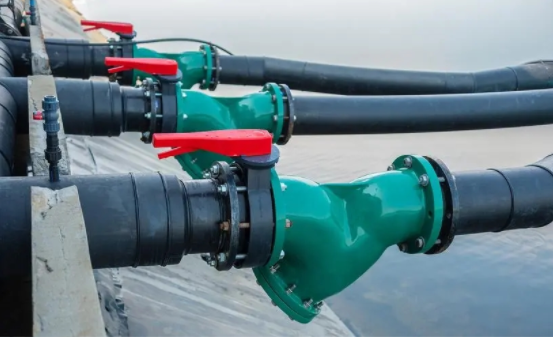
Industrial valves regulate fluid flow, direction, pressure, and temperature in complex systems. The term DIN standard industrial valve refers to valves manufactured according to specifications established by the Deutsches Institut für Normung (DIN), the German Institute for Standardization. These standards ensure compatibility, reliability, and predictable performance across industrial applications such as oil and gas, chemical processing, water treatment, and power generation.
DIN standards define dimensions, materials, performance ratings, and testing methods. This alignment gives engineers confidence that valve components will fit and function as expected, reducing design iteration and installation challenges.
Why DIN Standards Matter
Adherence to DIN standards means that valves meet stringent expectations for quality, safety, and interchangeability. Key reasons these standards matter include:
- Consistency Across Suppliers: OEMs and manufacturers adhere to uniform criteria, enabling seamless integration.
- Reduced Risk of Failure: Standardized testing minimizes the chance of premature wear, leakage, or operational failure.
- Simplified Maintenance: Standard parts and replacement components streamline upkeep and reduce downtime.
- Global Compatibility: DIN valves can align with other international standards when properly specified, facilitating export and use in multinational projects.
Addressing Common Industrial Valve Pain Points
Every facility that uses fluid handling systems contends with similar challenges. DIN standard industrial valves help address these core pain points:
- Leakage Under Pressure: Poor sealing results in environmental risks and wasted product. DIN valves are engineered with precision machined seats and certified sealing performance.
- Corrosion in Aggressive Environments: Exposure to chemicals, saltwater, or high temperatures accelerates degradation. DIN specifications include material grades suited to specific media and conditions.
- Installation and Retrofit Compatibility: Non-standard valves can require adapters or modifications. DIN standards reduce the need for custom parts.
- Operational Reliability: Inconsistent actuation torque or unpredictable behavior leads to safety hazards. DIN valves undergo standardized functional testing to verify performance.
Selecting the Right DIN Standard Valve
Choosing the correct DIN standard industrial valve requires evaluating system requirements against valve attributes. Below is a structured selection checklist followed by a sample comparison table.
Valve Selection Checklist
- Fluid type (gas, liquid, abrasive slurry)
- Operating pressure and temperature ranges
- Valve function (on/off, flow regulation, backflow prevention)
- Material compatibility (stainless steel, carbon steel, alloys)
- Actuation method (manual, pneumatic, electric)
- Size and connection type (flanged, threaded, butt-weld)
Sample Comparison Table
| Valve Type | Primary Function | Typical Applications | DIN Standard Reference |
|---|---|---|---|
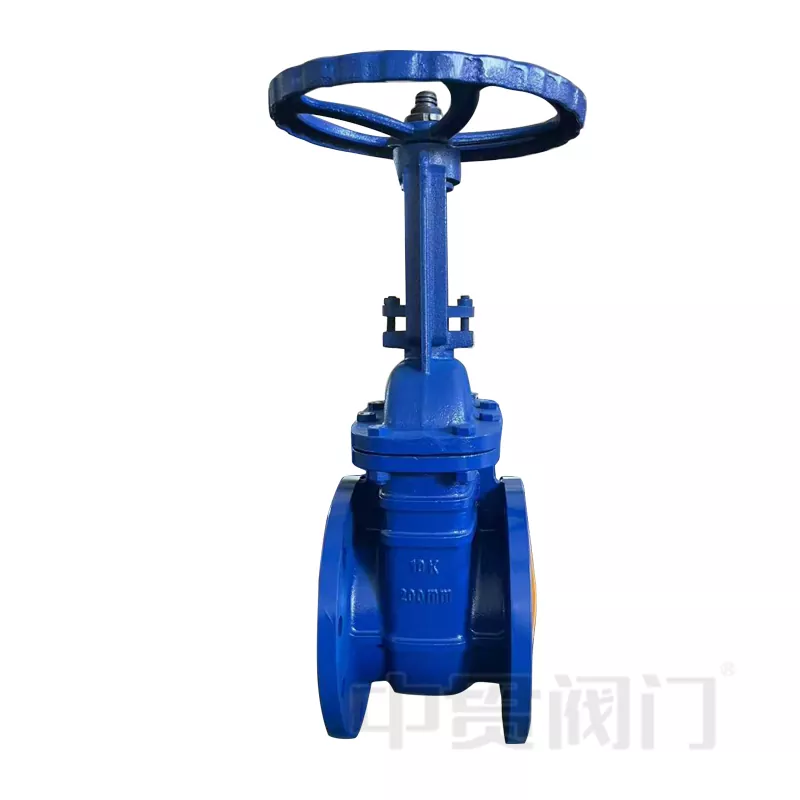
| Gate Valve | On/Off flow control | Water treatment, pipelines | DIN EN 1171 |
| Globe Valve | Throttling and control | Chemical feed systems | DIN EN 558-1 |
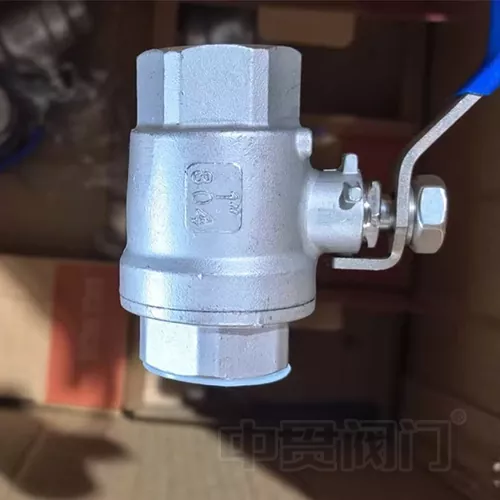
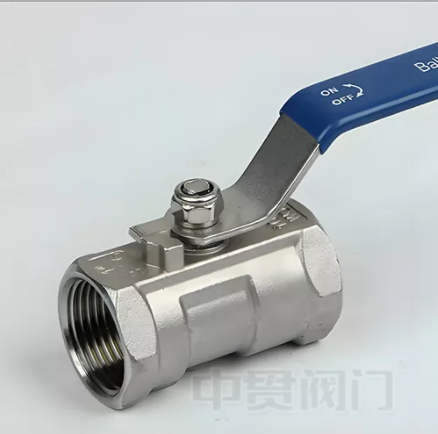
| Ball Valve | Quick shutoff | Gas and liquid lines | DIN EN 12266 |
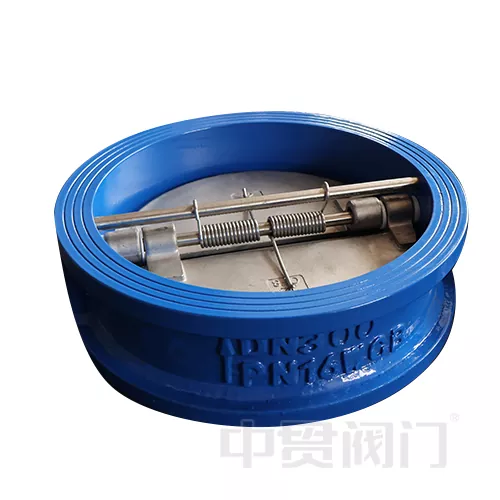
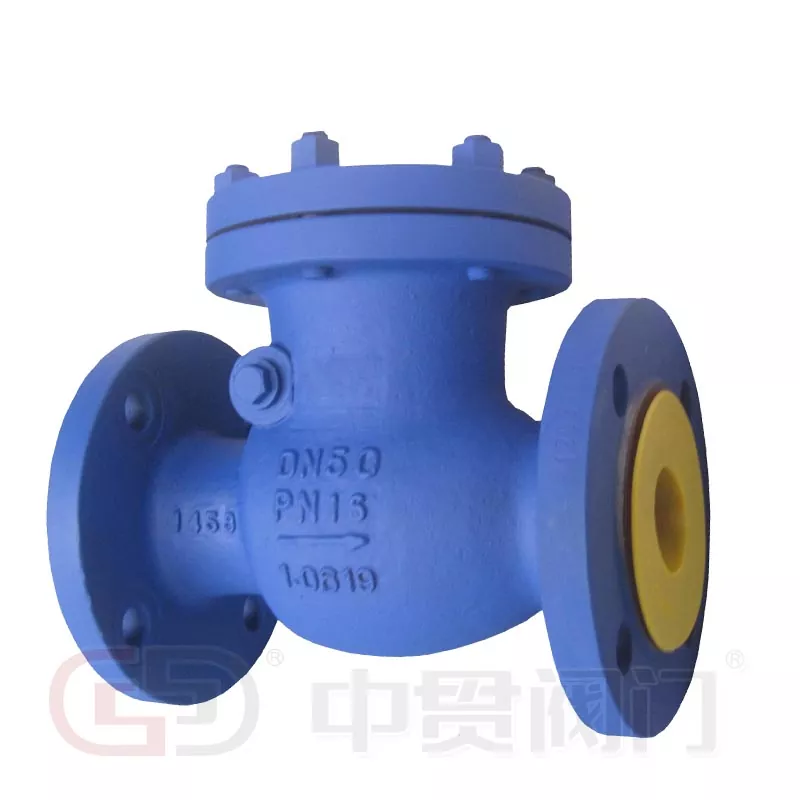
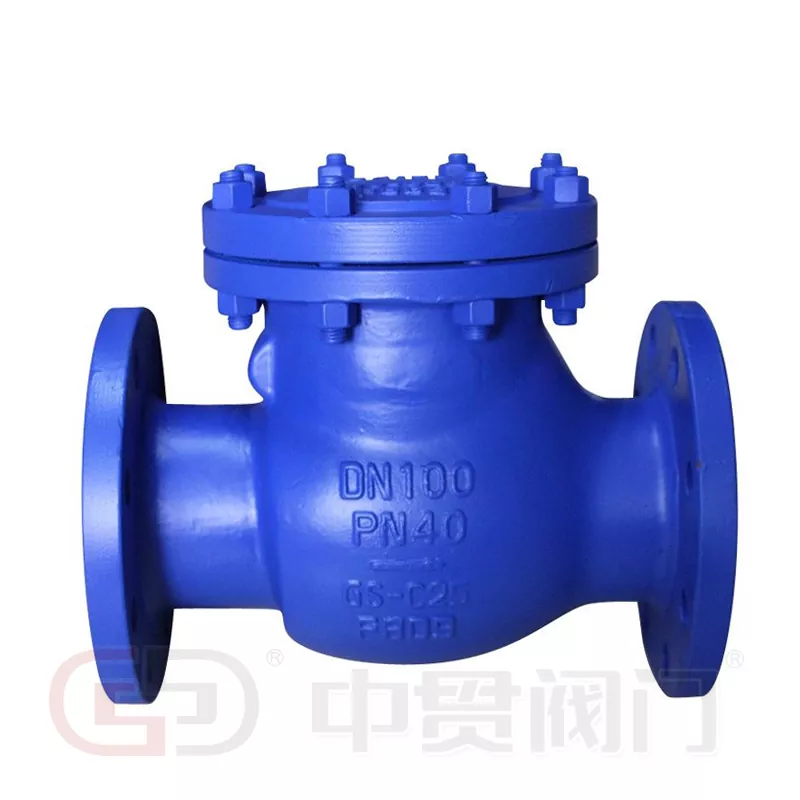
| Check Valve | Prevent backflow | Pumping systems | DIN EN ISO 5208 |
Technical Comparison: DIN vs Other Valve Standards
While DIN standards are widely accepted, other standards like ANSI/ASME, API, and ISO also govern industrial valves. Understanding differences helps in mixed-standard environments.
- DIN vs ANSI: DIN dimensions are metric, whereas ANSI typically uses imperial units. Adapters or dual-standard components may be needed.
- DIN vs API: API focuses more on petroleum industry specifications; DIN often emphasizes general industrial compatibility.
- DIN vs ISO: ISO standards are global, and many DIN specifications align with or reference equivalent ISO numbers.
Application Scenarios
DIN standard industrial valves are implemented across diverse sectors. The following examples illustrate how they deliver dependable performance in real environments.
- Petrochemical Plants: High temperature and pressure conditions require valves that meet DIN material and test standards for durability and safety.
- Food & Beverage Processing: Hygienic design variants compliant with DIN specifications support safe, clean operations.
- Water & Wastewater Treatment: Corrosion-resistant valves maintain long service life in continuous duty cycles.
- Power Generation: Steam and cooling medium control rely on valves that adhere to strict performance criteria.
Frequently Asked Questions (FAQ)
Q1: What does “DIN standard” mean for industrial valves?
A: It indicates that the valve’s design, materials, and testing conform to criteria set by the German Institute for Standardization, ensuring compatibility and performance consistency across industrial systems.
Q2: Are DIN standard valves interchangeable with ANSI valves?
A: Not directly, due to differences in dimensional standards. In some cases, adapters or bespoke designs are required to integrate DIN valves with ANSI piping systems.
Q3: How do I know which DIN standard applies to a specific valve?
A: DIN standards reference specific product families. Reviewing the valve type documentation and consulting with manufacturers or technical experts helps determine applicable standards.
Q4: Can DIN standard valves operate in extreme temperatures?
A: Yes, when constructed from appropriate materials and with design certifications that cover the required temperature range.
Q5: What maintenance practices improve valve longevity?
A: Routine inspection, correct actuation procedures, lubrication where applicable, and timely replacement of sealing elements help maximize service life.
Conclusion and Next Steps
DIN standard industrial valves offer a reliable foundation for fluid control in demanding industrial environments. Their design criteria help reduce operational risk, simplify procurement, and support long-term system integrity. By using structured selection criteria and understanding how DIN specifications align with your project needs, you can make informed decisions that enhance performance and reliability.
If you are considering DIN standard valves for your next project or seeking tailored solutions, Zhongguan supplies a comprehensive range of high-quality industrial valves engineered to rigorous standards. For personalized recommendations, pricing, or technical support, contact us today to discuss your application requirements and get expert assistance.