MORE THAN 20 YEARS
Focus on Water Treatment Valve and Valve Parts Production


Focus on Water Treatment Valve and Valve Parts Production


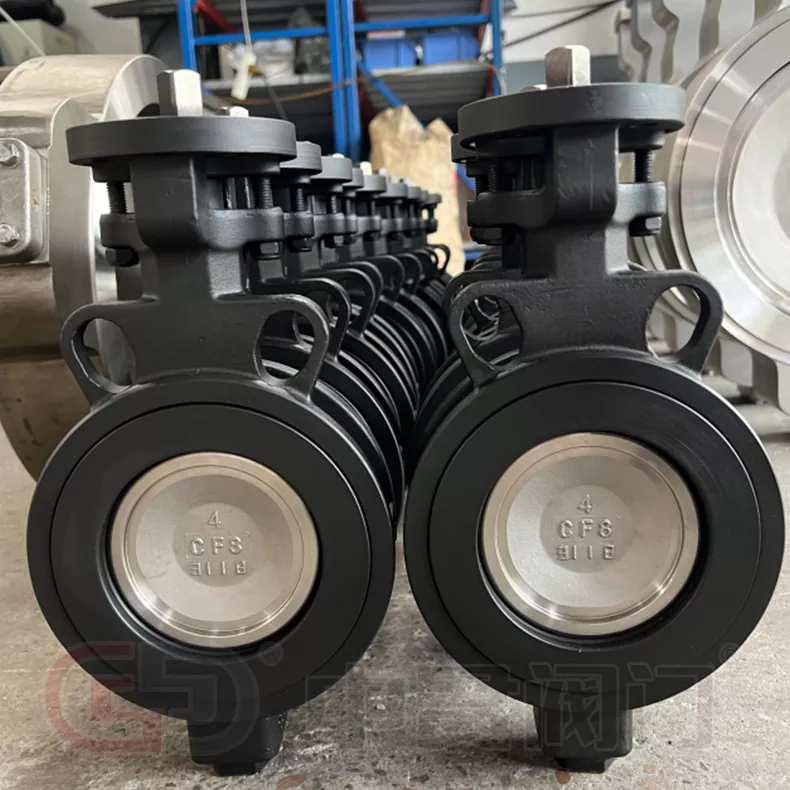
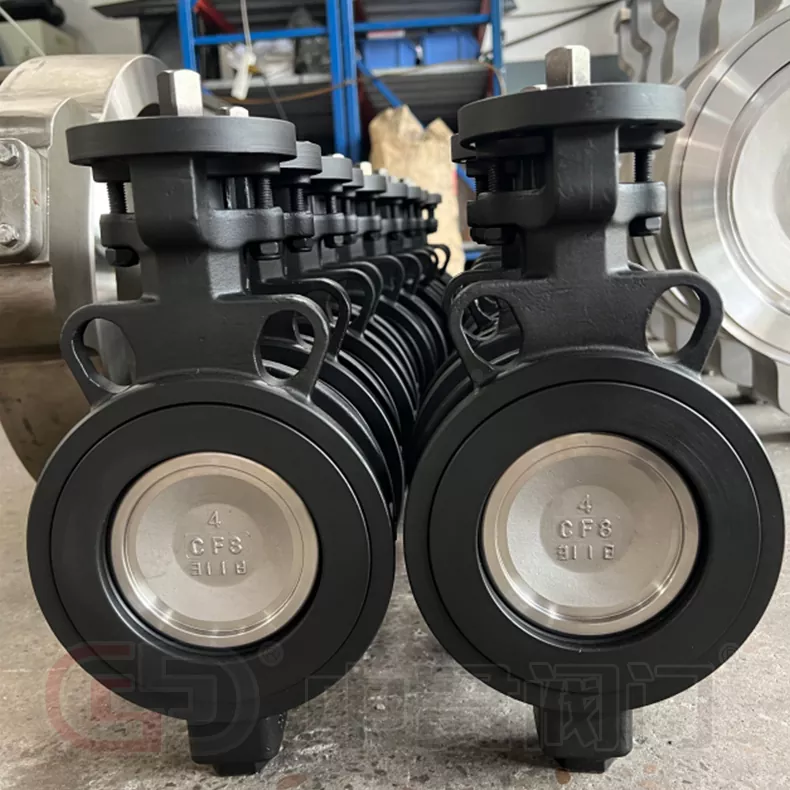
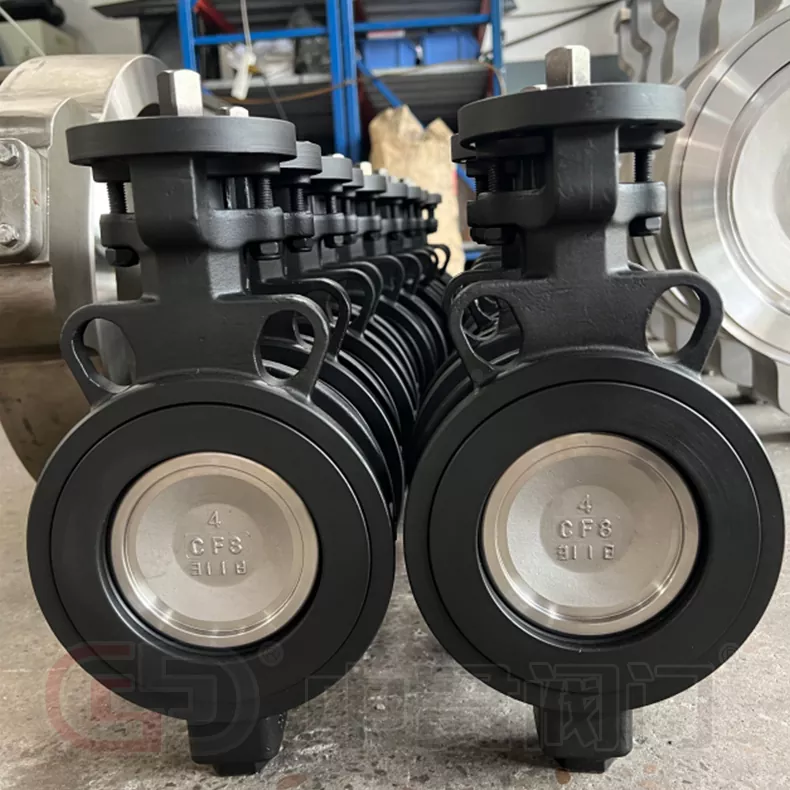
Butterfly Valve

Check Valve

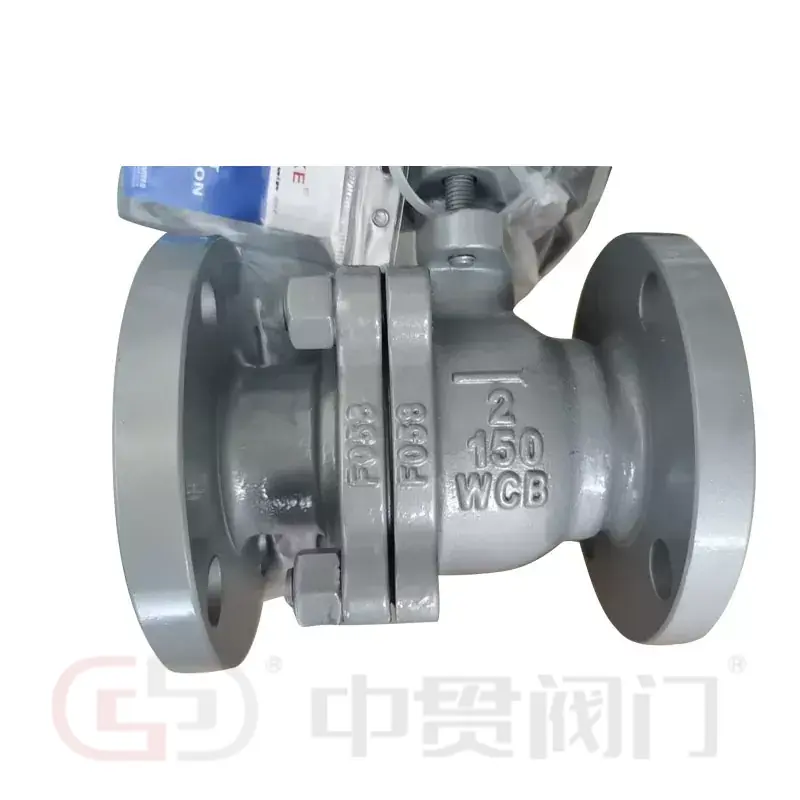
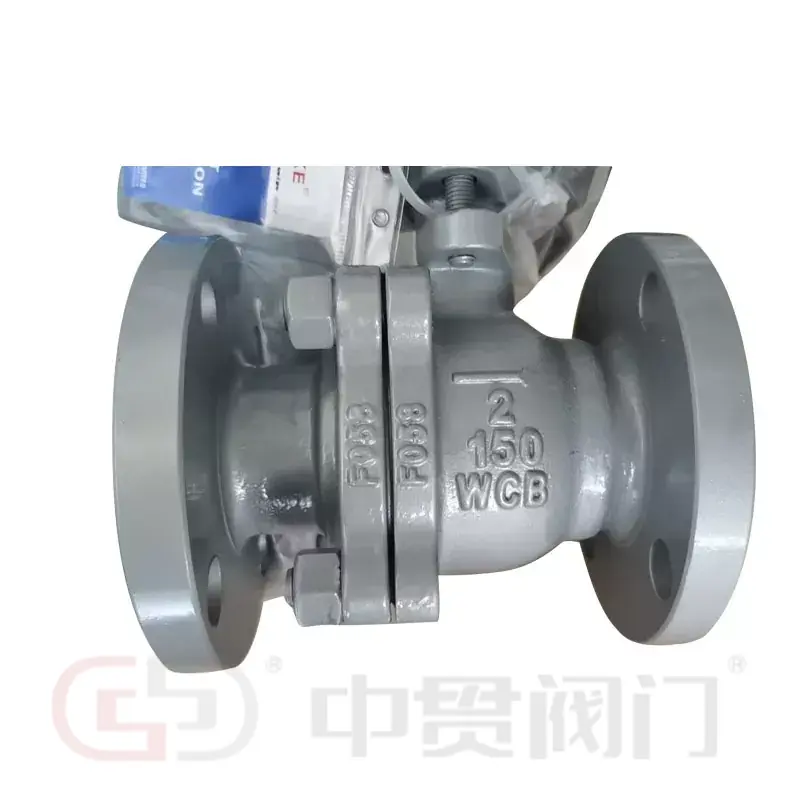
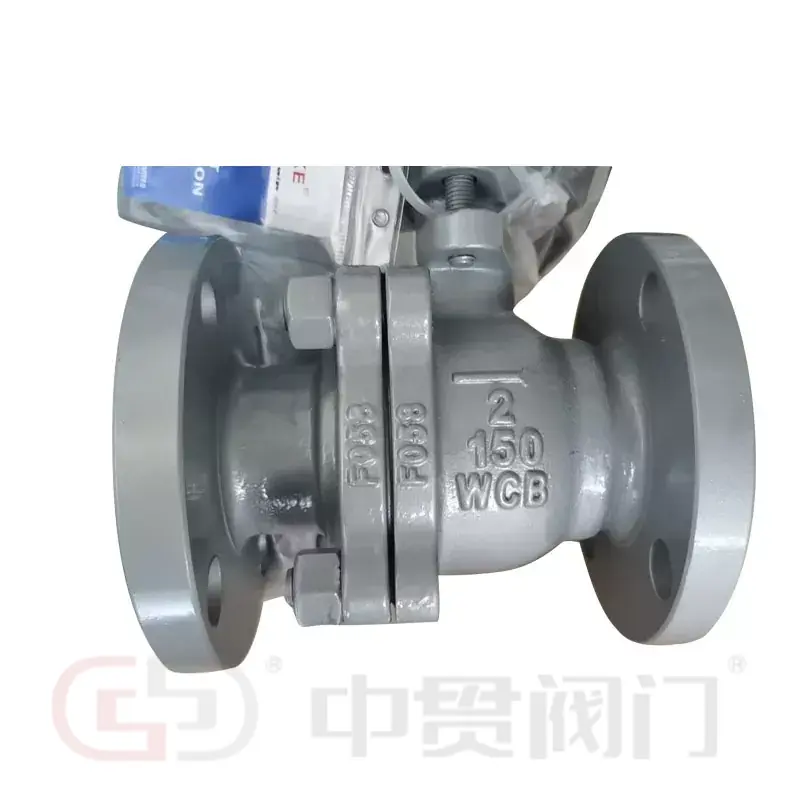
Ball Valve
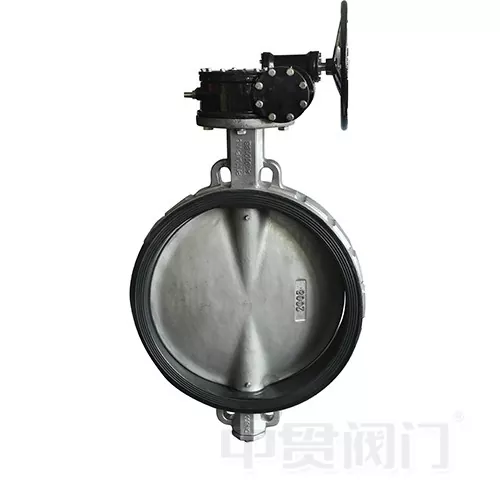
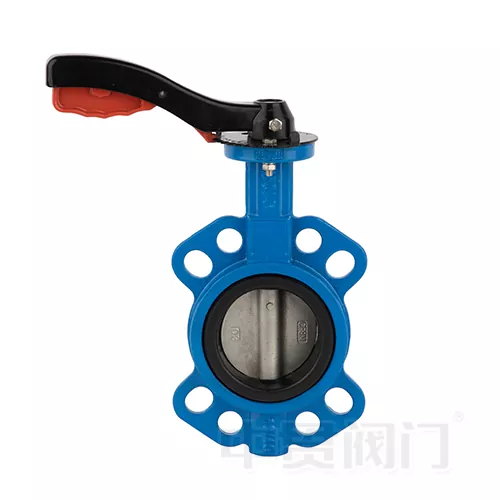
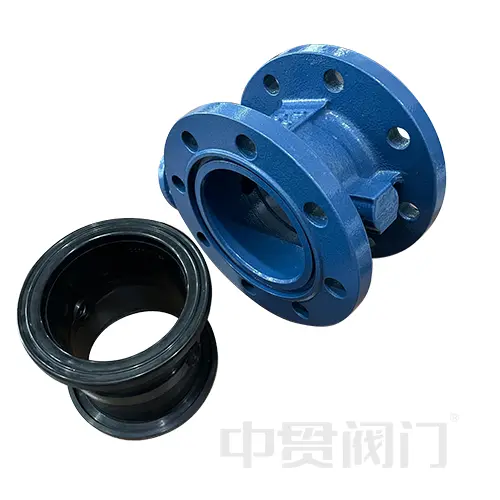
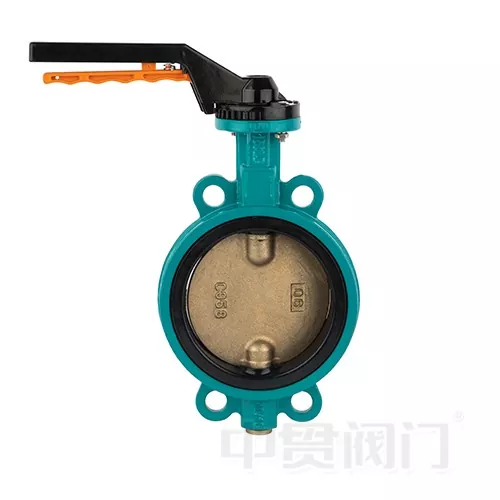
Zhejiang Zhongguan Valve is located in Yongjia, Wenzhou, Zhejiang, the hometown of pumps and valves. Since its establishment, it has more than 10 years of experience in professional butterfly valve production and has good cooperation with domestic and foreign customers. The butterfly valves it produces can be divided into: wafer, lug, U-Section, flange, butterfly valve and the main production diameter is from DN40 to DN1600 (if a larger size is required, please contact our sales.) The butterfly valves we produce have been well received by domestic and foreign customers for their cost-effectiveness, exquisite appearance, and excellent quality.


Professional equipment and team

Good product quality and high efficiency

Innovation, struggle and struggle

Sincerely serve every customer
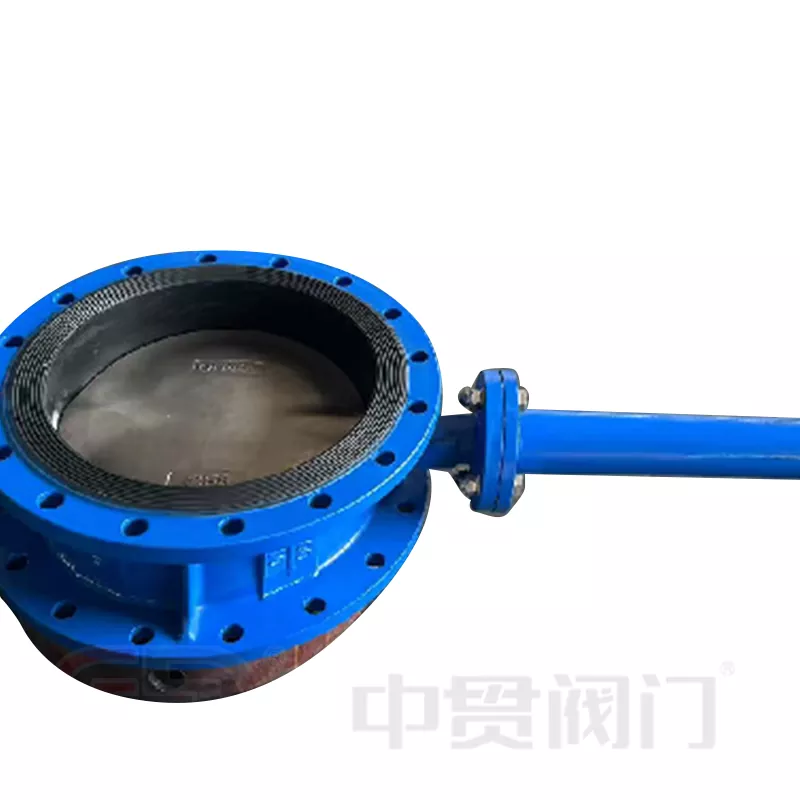
Extended Stem Butterfly Valve design is gaining relevance as pipeline systems evolve toward easier maintenance, more flexible installation, and better integration with modern infrastructure management. As water networks and industrial pipelines expand or undergo renovation, equipment accessibility is becoming an important part of long-term system planning.
View More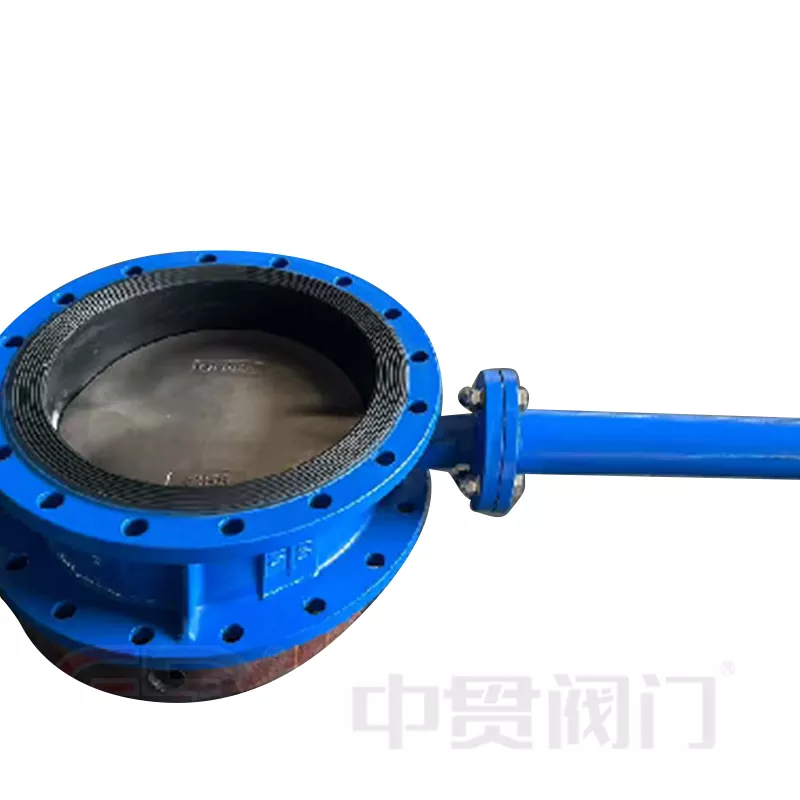
Underground pipeline upgrades are placing greater emphasis on valve accessibility, maintenance planning, and long-term operational efficiency. This article examines how Extended Stem Butterfly Valves address buried installation challenges, including operating access, material compatibility, and integration with modern water infrastructure.
View More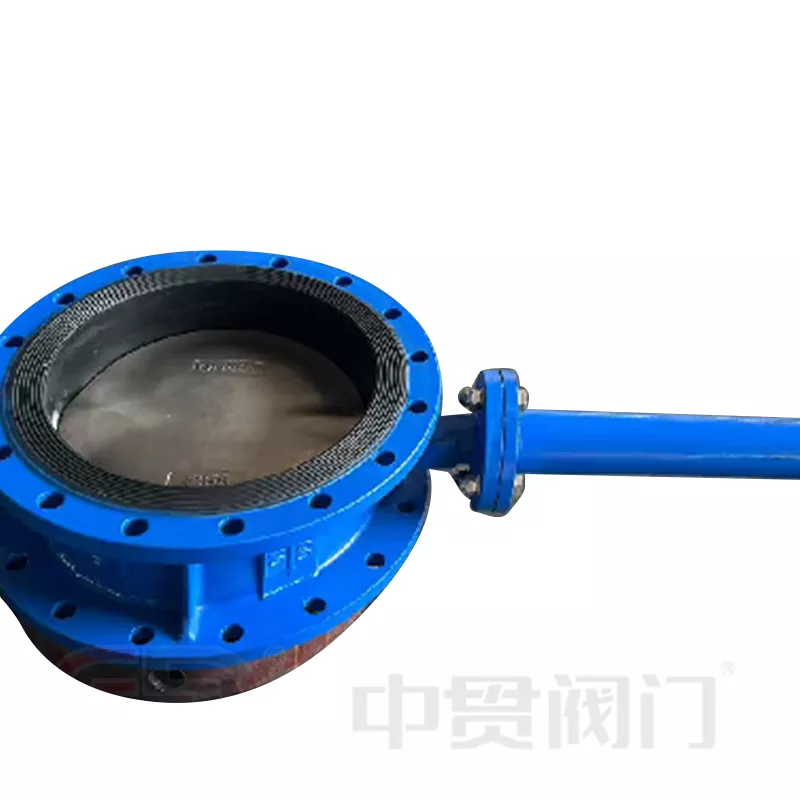
As water infrastructure modernization accelerates, Extended Stem Butterfly Valves are gaining attention for their role in improving underground pipeline accessibility and maintenance planning. This article explores how extended stem designs support evolving water systems by addressing installation challenges, lifecycle management, and the growing demand for practical valve solutions.
View More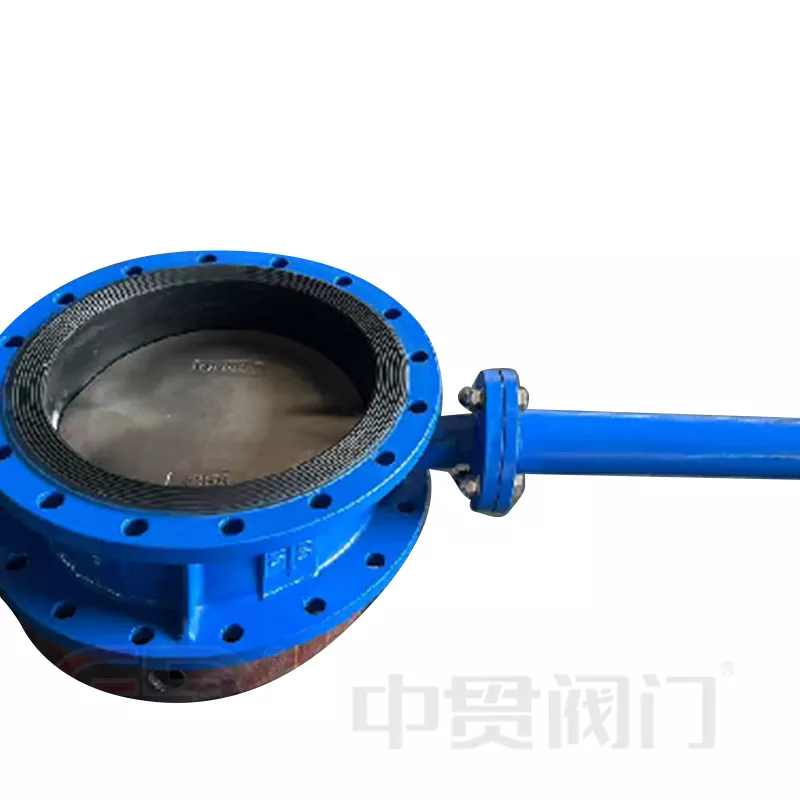
As underground pipeline systems become more complex in 2026, valve accessibility and maintenance planning are receiving greater attention. This article explores how Extended Stem Butterfly Valves are being applied in modern infrastructure projects, discussing their role in improving underground valve operation, supporting pipeline lifecycle management, and adapting to changing requirements in water and industrial systems.
View More
The choice between a lever handle and a gear operator (worm gear) for a butterfly valve mainly depends on pipe diameter, working pressure, frequency of operation, as well as considerations of effort and cost. In short: Lever-handle butterfly valve: Simple structure, low cost, and quick to open/close. Suitable for small diameters (typically DN ≤ 200 mm), low pressure, and infrequent operation. Gear-operated butterfly valve: Uses a worm gear reducer for transmission, making operation easier, with better sealing and longer service life. Suitable for large diameters (typically DN > 200 mm), medium/high pressure, frequent operation, or applications requiring precise flow regulation.
View More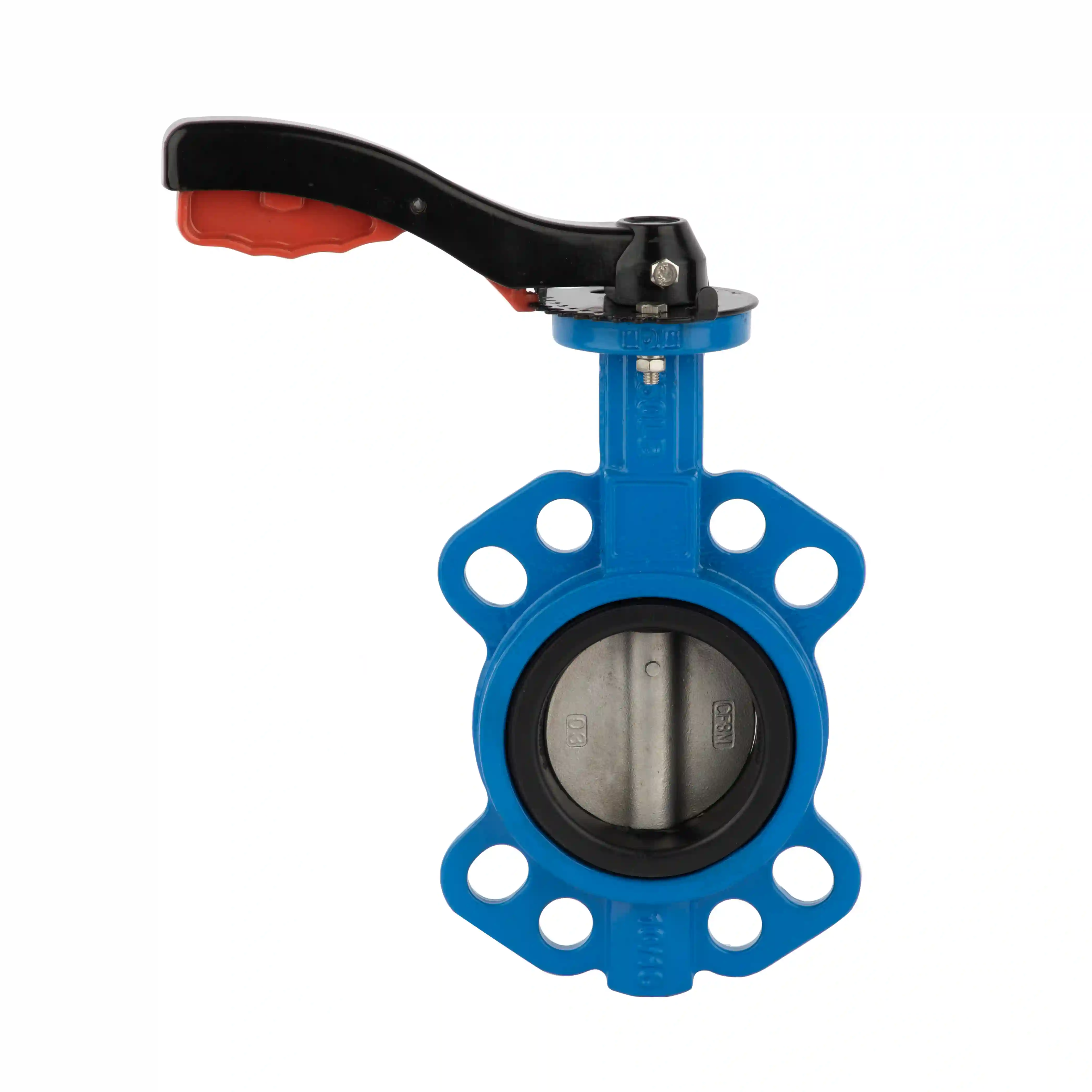
Hard seal and soft seal are the two most fundamental sealing methods for valves. Their fundamental difference lies in the material of the sealing pair (the contacting parts when the valve is closed). Simply put: A soft seal is like a "rubber gasket"—it has good elasticity, can achieve zero leakage, but cannot withstand high temperatures or high pressures. A hard seal is like "metal-to-metal"—it is stronger, more durable, suitable for harsh conditions, but its sealing performance is slightly inferior.
View More
Does the double eccentric butterfly valve have a pinless design? if not sure, please check this passage!
View More
The valve standards system is quite extensive and can be broadly divided into three main categories: Chinese National Standards (GB), Industry Standards (JB, SY, etc.), and International/Foreign Standards (ISO, API, ASME, etc.). Together, they form a complete hierarchy covering basic requirements, product design, and inspection methods.
View More
The most fundamental difference between a concentric (or resilient-seated) butterfly valve and an eccentric butterfly valve lies in the relative position of the stem axis, the disc center, and the valve body bore center. This structural difference determines their varying performance, applicable working conditions, and costs.
View More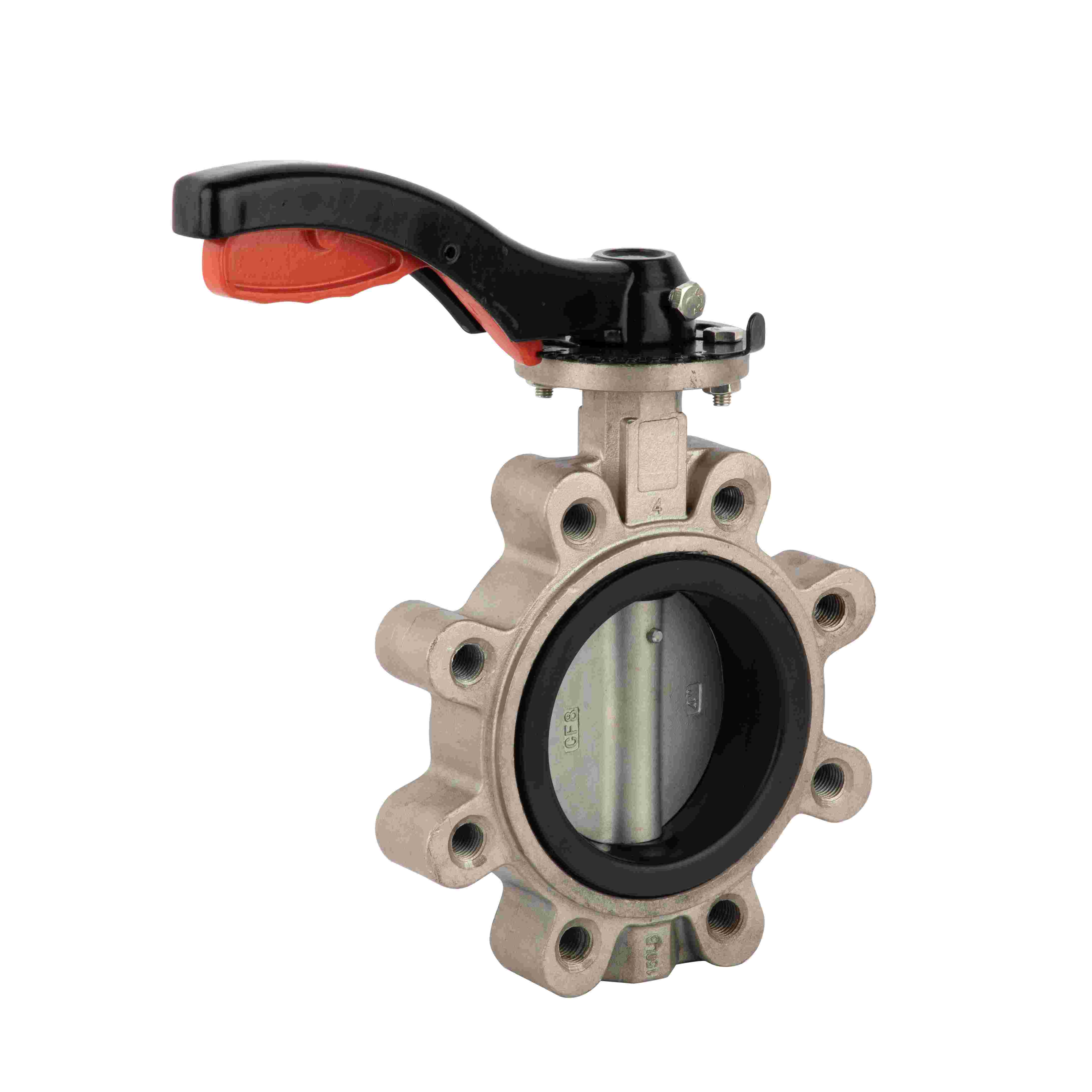
"Lug-type connection" typically refers to the method of installing a lug-style butterfly valve between pipe flanges. This connection method is very common in industrial piping systems. It gets its name from the valve body having "lug" structures with bolt holes.
View More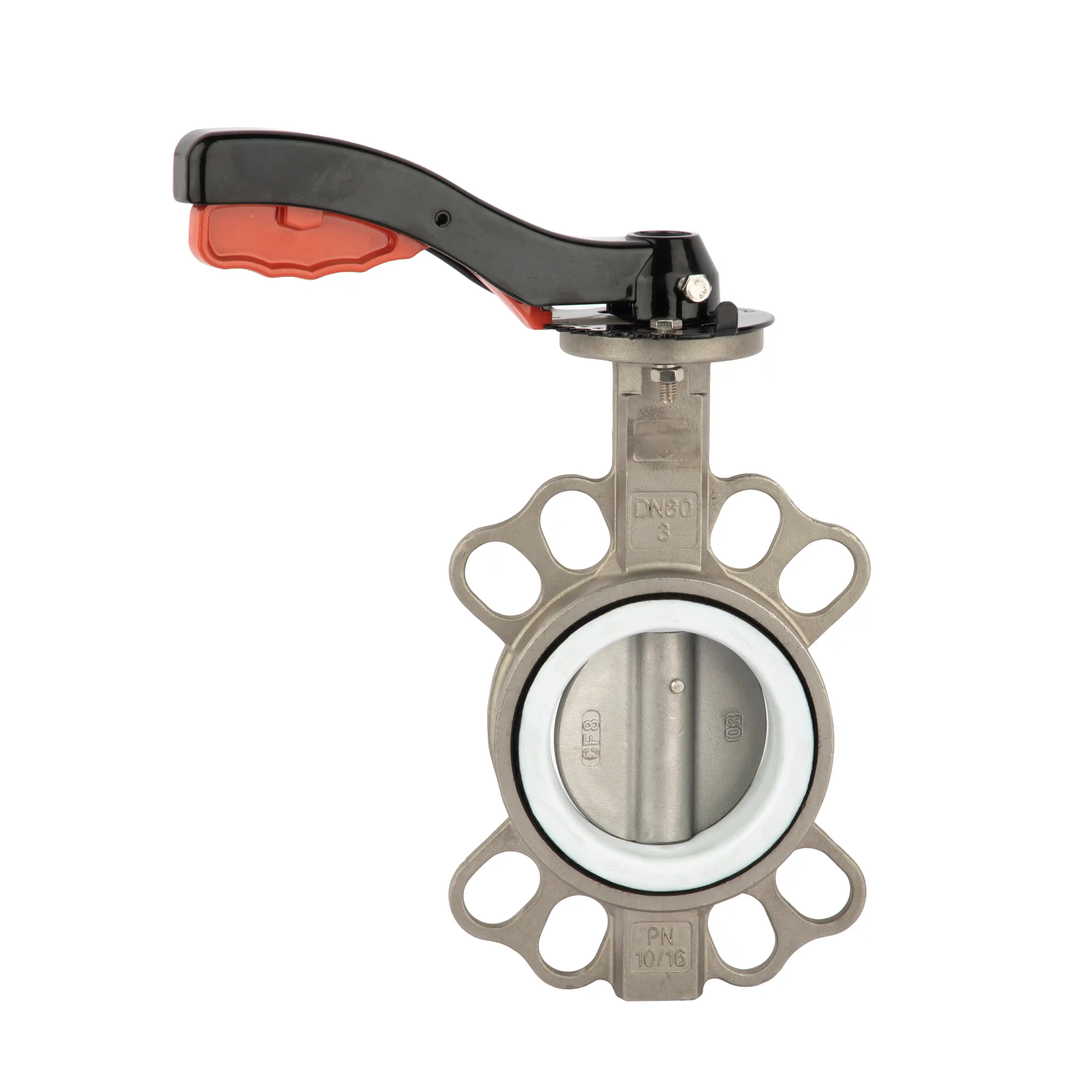
Wafer-type connection is a method of fastening valves (especially butterfly valves, check valves, etc.) between pipe flanges using long bolts. Its defining characteristic is: the valve does not have its own integral flanges; instead, long bolts pass through the flanges of the two pipes to secure the valve in the middle.
View More
Wafer-type connection is a method of fastening valves (especially butterfly valves, check valves, etc.) between pipe flanges using long bolts. Its defining characteristic is: the valve does not have its own integral flanges; instead, long bolts pass through the flanges of the two pipes to secure the valve in the middle.
View MoreFor inquiries about butterfly valve, check valve, ball valve or price list, please leave your email to us and we will be in touch within 24 hours.