Language

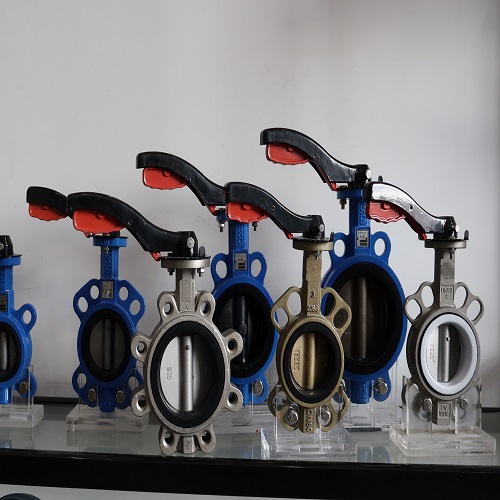
The choice between a lever handle and a gear operator (worm gear) for a butterfly valve mainly depends on pipe diameter, working pressure, frequency of operation, as well as considerations of effort and cost. In short:
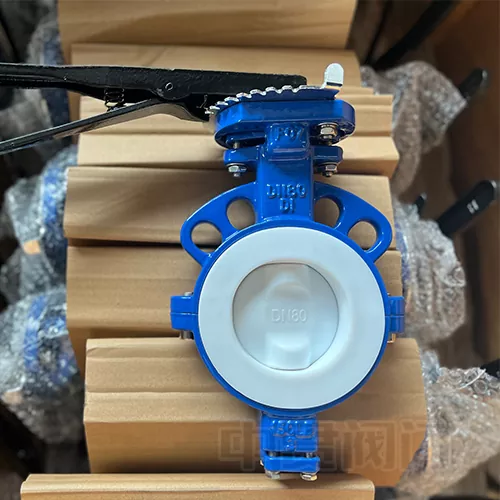
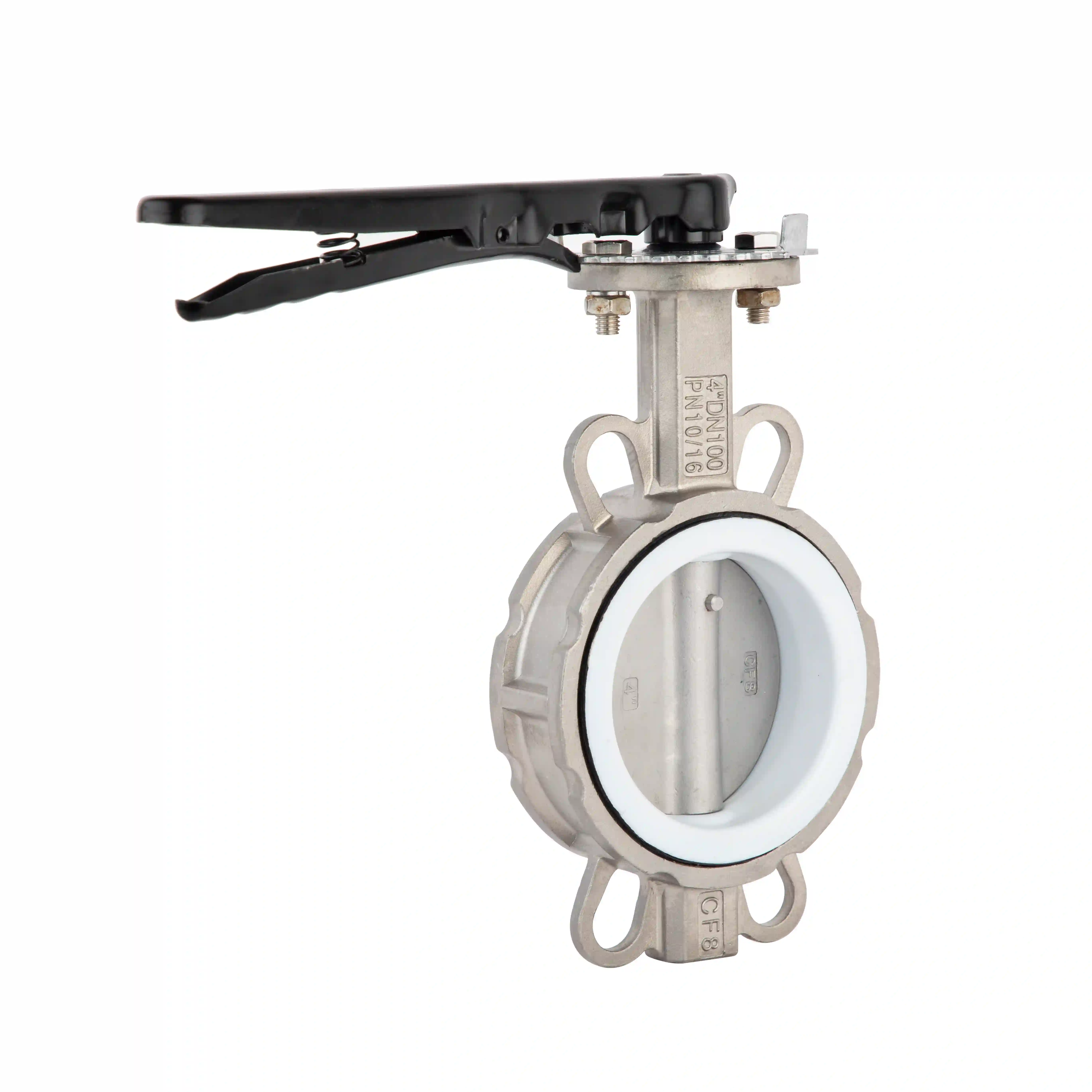
Lever-handle butterfly valve: Simple structure, low cost, and quick to open/close. Suitable for small diameters (typically DN ≤ 200 mm), low pressure, and infrequent operation.
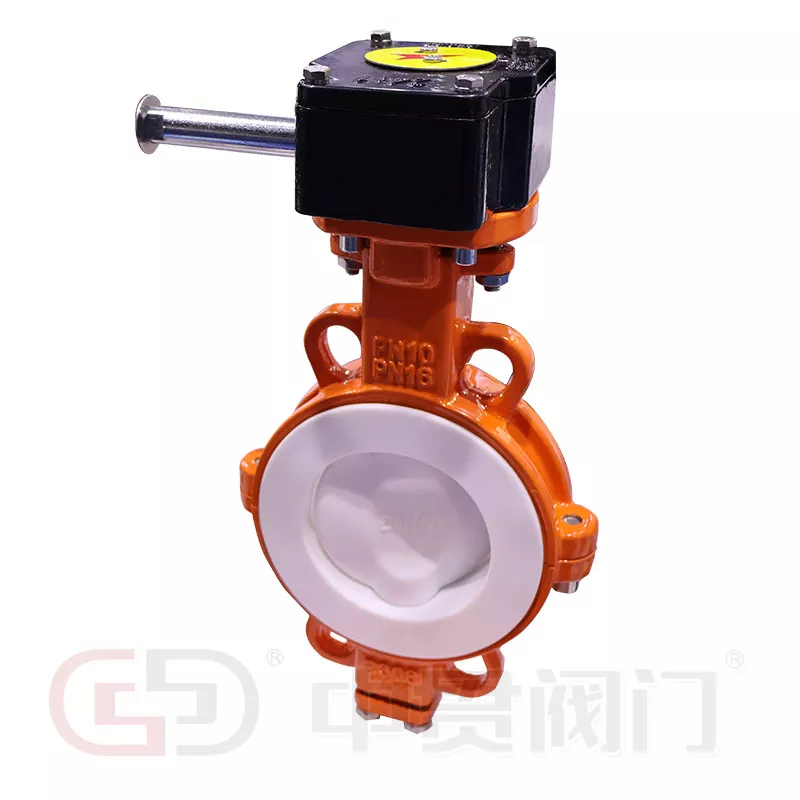
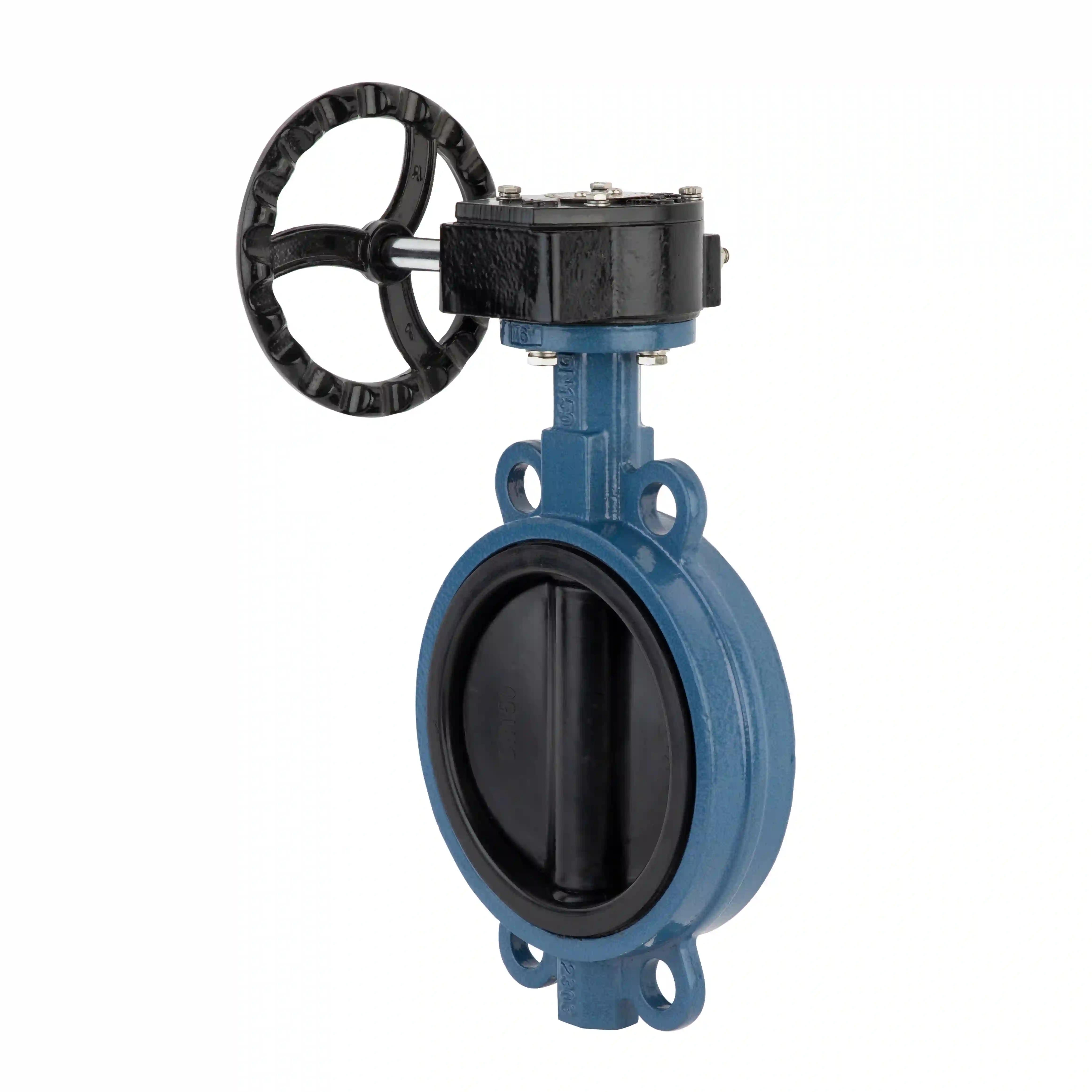
Gear-operated butterfly valve: Uses a worm gear reducer for transmission, making operation easier, with better sealing and longer service life. Suitable for large diameters (typically DN > 200 mm), medium/high pressure, frequent operation, or applications requiring precise flow regulation.
|
Aspect |
Lever-Handle Butterfly Valve |
Gear-Operated Butterfly Valve |
|
Operating effort & speed |
Direct drive, quick to open/close, but becomes very labor-intensive as diameter increases. |
Worm gear reduction provides smooth, effortless operation, though relatively slower. |
|
Applicable diameter |
Typically used for small-bore pipes (DN ≤ 200 mm). |
Suitable for medium to large bore pipes (DN > 200 mm), with no clear upper limit. |
|
Applicable pressure |
Mostly used in low-pressure systems. |
Can be used in medium- to high-pressure systems, as it provides greater driving torque. |
|
Sealing & service life |
Average sealing performance; wears relatively faster under frequent operation. |
Better sealing performance; longer service life under frequent operation. |
|
Main advantages |
Simple structure, low cost, lightweight, easy installation. |
Effortless operation, stable switching, good sealing, high torque. |
|
Main limitations |
Cannot handle large diameters or high pressures; forced operation may damage the valve. |
Slightly more complex structure and higher cost than lever-handle valves. |
1.Consider diameter and torque: The general dividing line is DN 200. For pipes below DN 200, either type can be used, but lever handles are more economical. If the operating torque exceeds 300 N·M, a gear operator is usually required.
2.Consider working pressure: For higher-pressure pipelines, where opening/closing resistance is greater, a gear-operated valve should be prioritized for easier operation.
3.Consider frequency of operation: If the valve needs to be operated frequently, a gear operator is the better choice for durability and reduced effort.
4.Consider flow regulation needs: If the valve is not only for on/off service but also for flow regulation, a gear-operated valve is generally recommended, as its transmission mechanism provides more stable and precise control.
-