Language

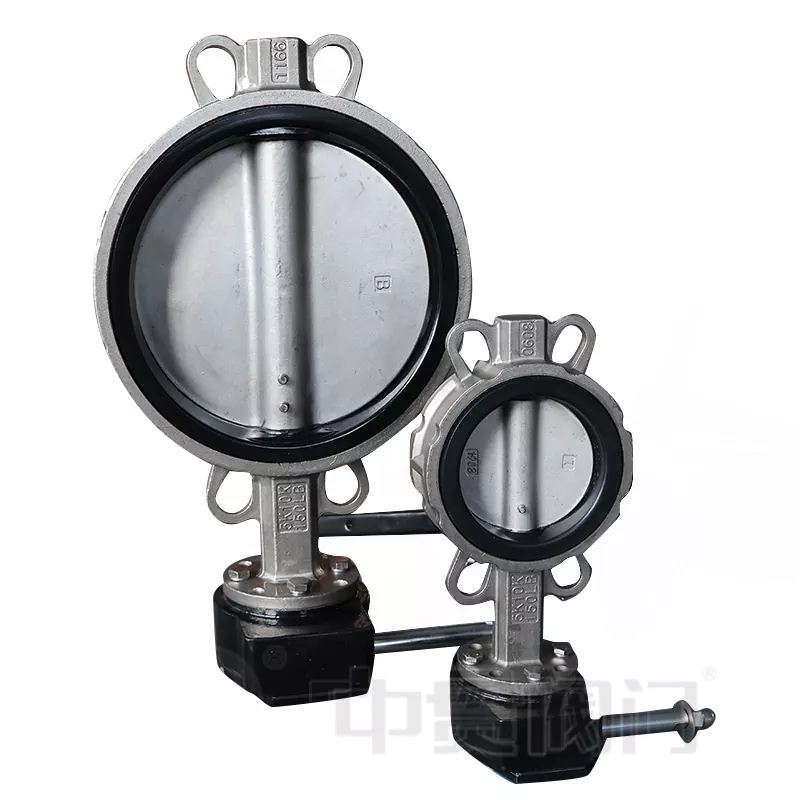
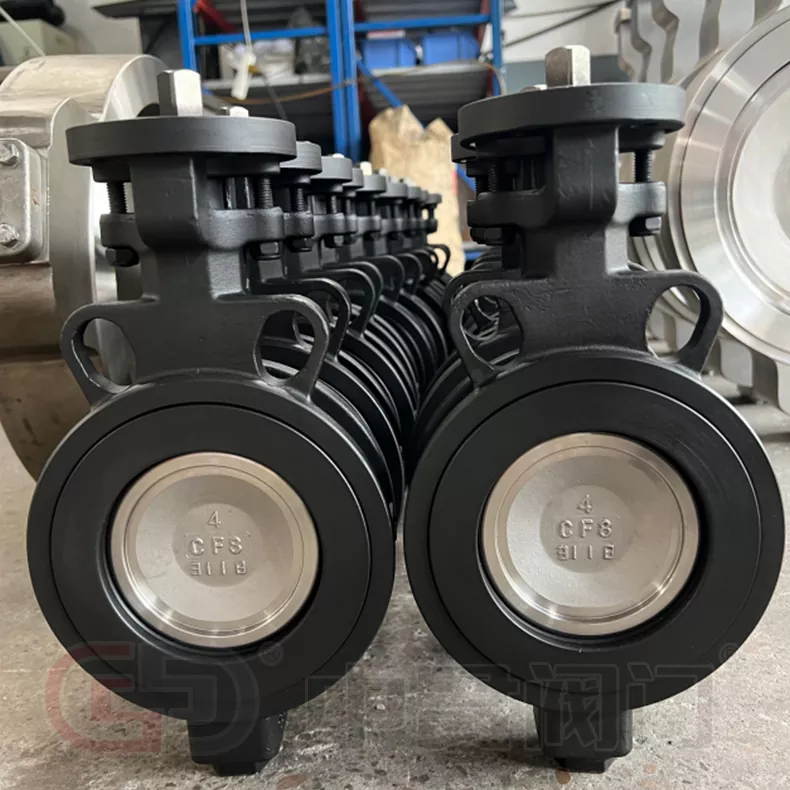
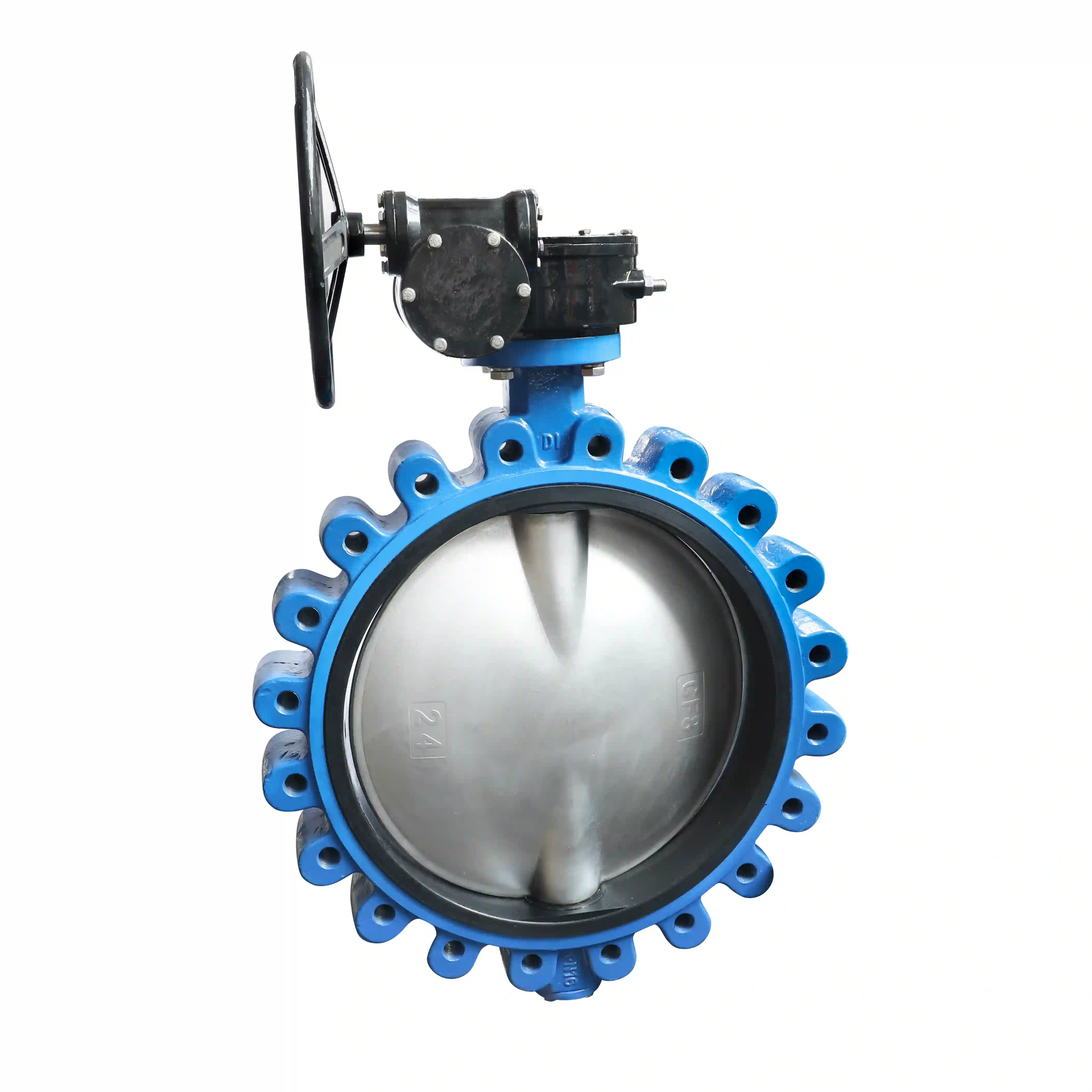
"Lug-type connection" typically refers to the method of installing a lug-style butterfly valve between pipe flanges. This connection method is very common in industrial piping systems. It gets its name from the valve body having "lug" structures with bolt holes.
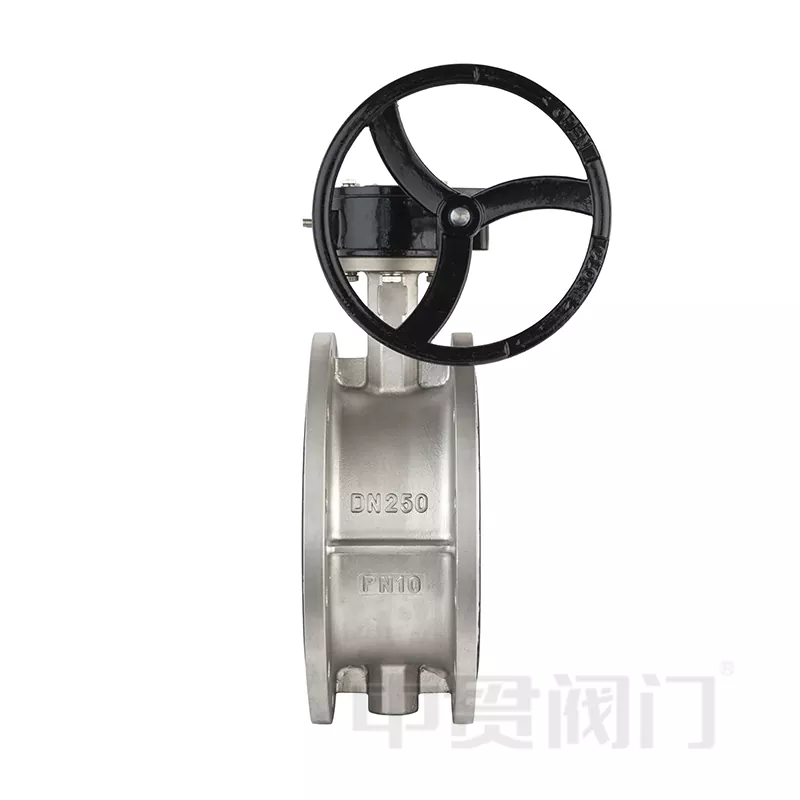
To better understand this connection method, it can be compared to another common type: the wafer-style connection.
Independent connection, non-interfering: The most notable feature of a lug-type connection is that the pipes on each side are independently secured to the valve using bolts. That is, the flange on the left side is bolted to the left lugs of the valve, and the right side is similarly bolted to the right lugs. This allows each side of the piping to be removed independently without affecting the seal on the opposite side.
Place the lug-style butterfly valve between two pipe flanges and align the bolt holes.
Use bolts to securely fasten the flange on each side to the threaded holes or through-holes on the corresponding lugs of the valve.
This design offers several distinct advantages:
Facilitates "dead-end" service: When the valve needs to be installed at the end of a pipeline (e.g., as a drain valve at the pipe termination), there is only a flange on one side. A lug-style valve can be directly bolted to that single flange — something a wafer-style valve cannot do.
Improved system stability: Compared to wafer-style valves, which rely on long bolts clamping them between flanges, the independent fixation of lug-style valves provides stronger support. In applications where pipelines experience vibration or fluctuating pressure, this connection method offers higher stability and reliability.
Easier maintenance: Because the two sides of the piping are independently connected, when it is necessary to service or replace the valve, only the side that needs to be worked on needs to be disassembled. There is no need to disconnect both sides of the piping simultaneously, significantly reducing downtime.