Language

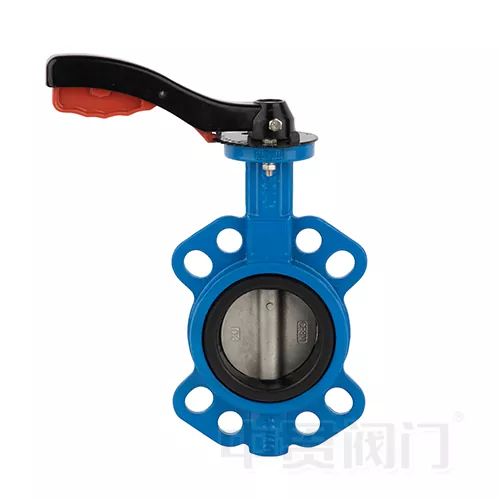
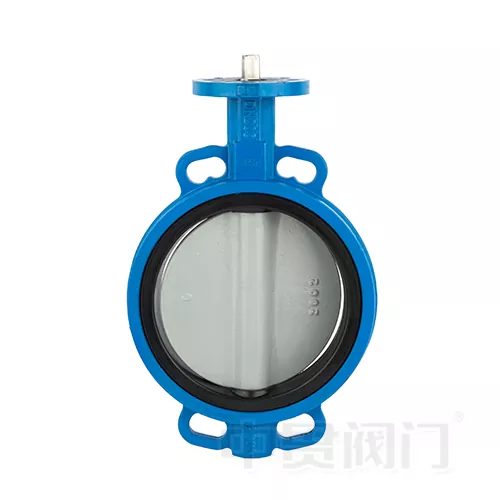
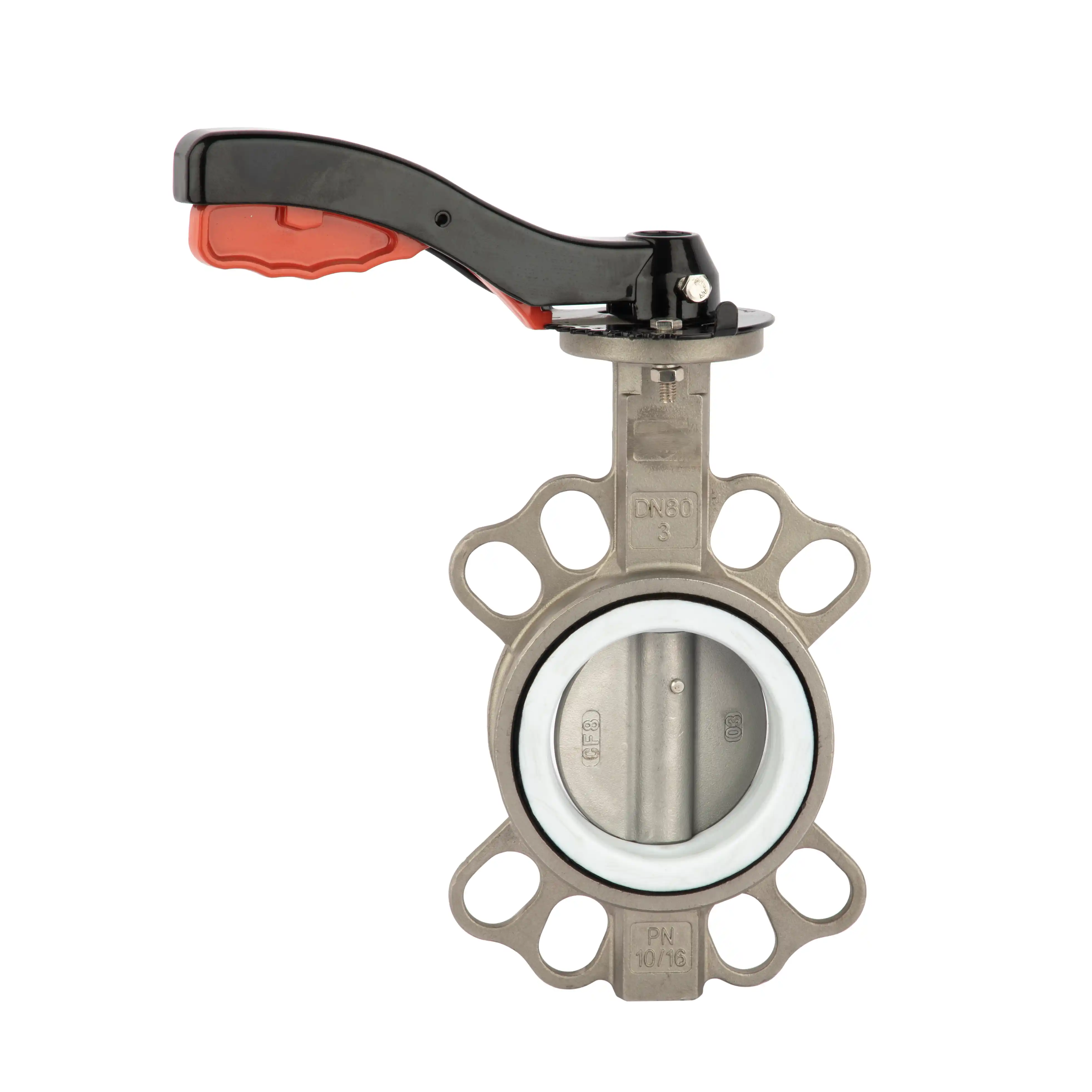
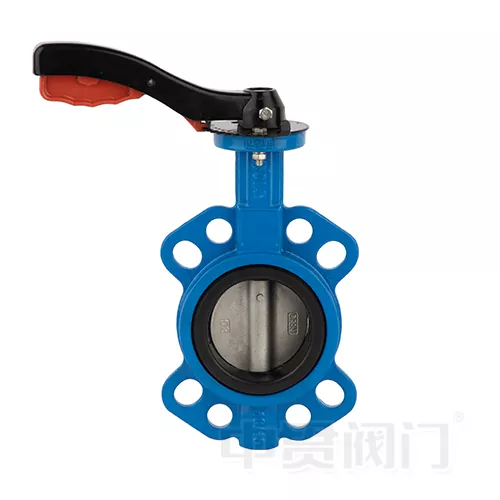
The most fundamental difference between a concentric (or resilient-seated) butterfly valve and an eccentric butterfly valve lies in the relative position of the stem axis, the disc center, and the valve body bore center. This structural difference determines their varying performance, applicable working conditions, and costs.
The following table provides a quick comparison of their main differences:
|
Aspect |
Concentric Butterfly Valve |
Eccentric Butterfly Valve |
|
Core Structure |
The stem axis, disc center, and valve body bore center are all in the same position. |
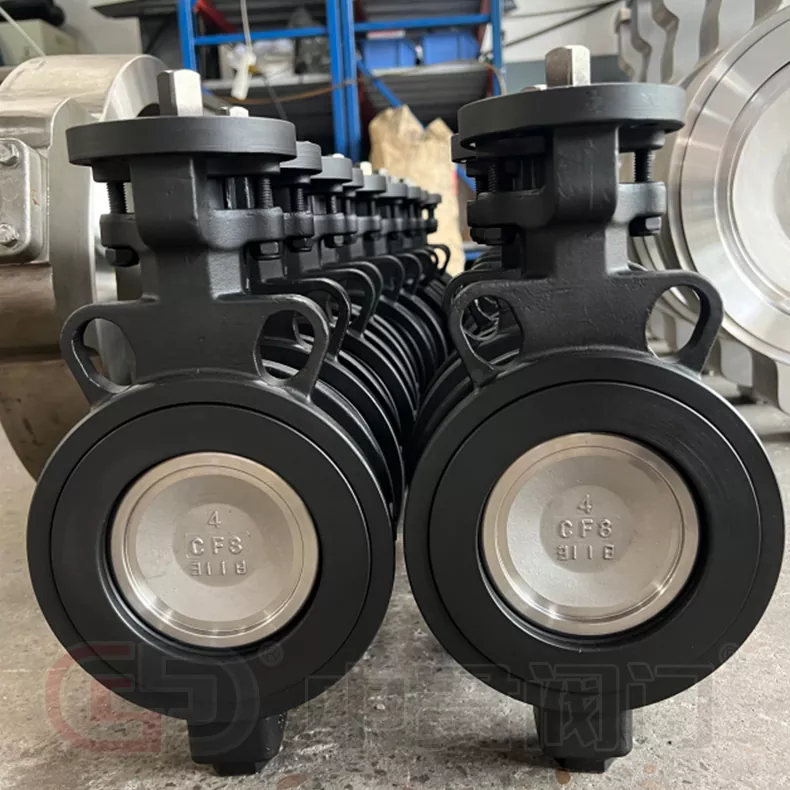
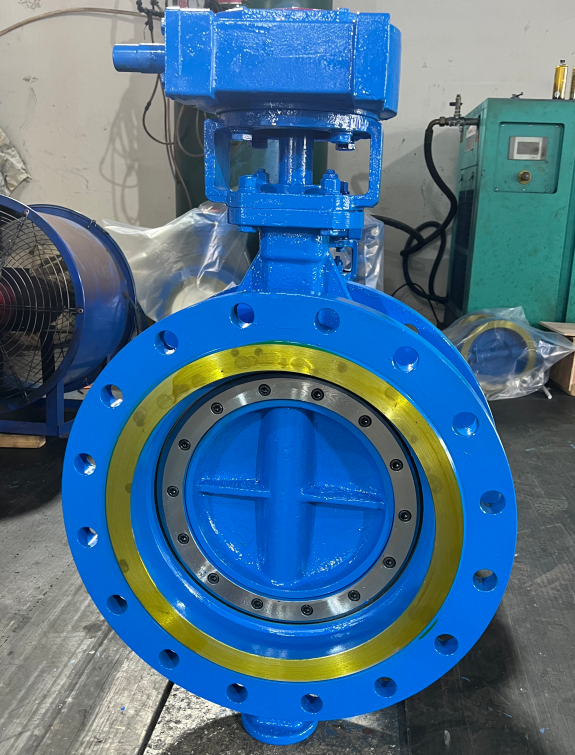
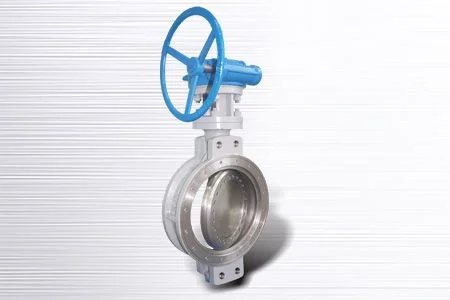
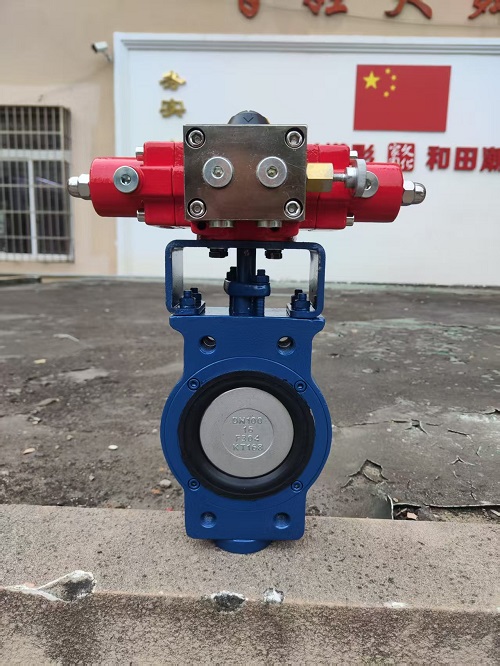
The stem axis is offset from the disc center and/or the valve body center. Classified into single-offset, double-offset, and triple-offset designs. |
|
Sealing Type |
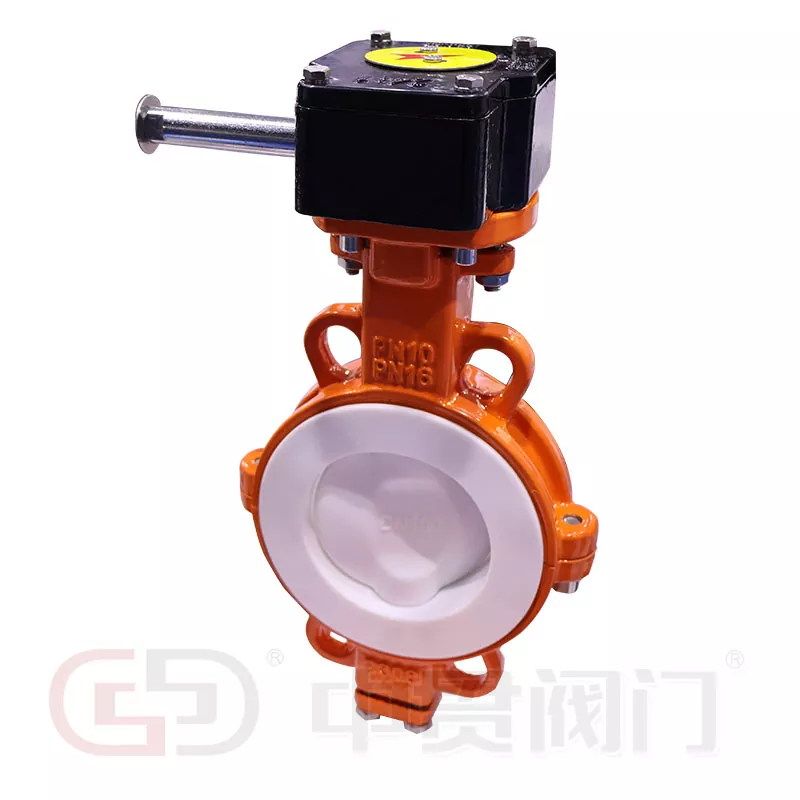
Almost exclusively soft-seated, with seats made of resilient materials such as rubber or PTFE. |
Can be soft-seated or hard-seated (e.g., metal-to-metal). Triple-offset designs typically feature a multi-layer hard-seat construction. |
|
Operating Characteristics |
During opening and closing, the disc constantly rubs and squeezes against the seat, resulting in higher operating torque and faster wear. |
The disc quickly disengages from the seat upon opening, with minimal friction, lower operating torque, reduced wear, and longer service life. |
|
Applicable Service Conditions |
Normal temperature, low-to-medium pressure applications with clean media, such as water, air, oil, and mild acids/alkalis. |
High-pressure, high-temperature, or abrasive/corrosive media. Triple-offset valves are especially suitable for severe high-temperature and high-pressure services. |
|
Sealing Performance |
Soft-seated designs can achieve zero leakage at ambient temperatures but are not resistant to high temperatures due to material limitations. |
Double-offset designs still have a certain leakage rate; triple-offset designs can achieve zero leakage even under high-temperature and high-pressure conditions due to their unique geometry. |
|
Cost and Maintenance |
Simple structure, lower cost, and relatively easy maintenance. |
More complex structure and higher cost, but offer a longer overall service life under severe conditions. |
Selection Guide
After understanding these differences, you can choose based on your specific service conditions:
Choose a concentric butterfly valve if your application involves normal temperature, low pressure, and clean fluids like water, air, or oil, and if cost is a primary concern. This type offers an economical and practical solution.
Choose an eccentric butterfly valve when facing challenging conditions such as high temperature, high pressure, or media that are corrosive or contain particulates. Among these, the triple-offset butterfly valve is the optimal choice when both high-temperature/high-pressure capability and tight shut-off are required.