Language

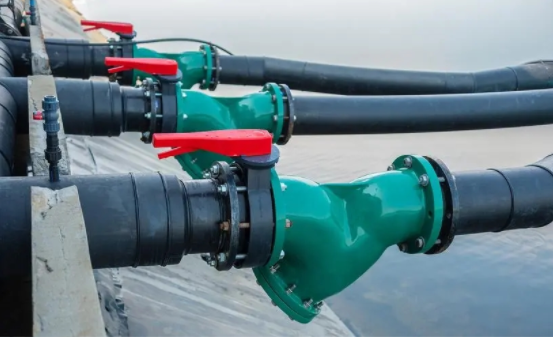
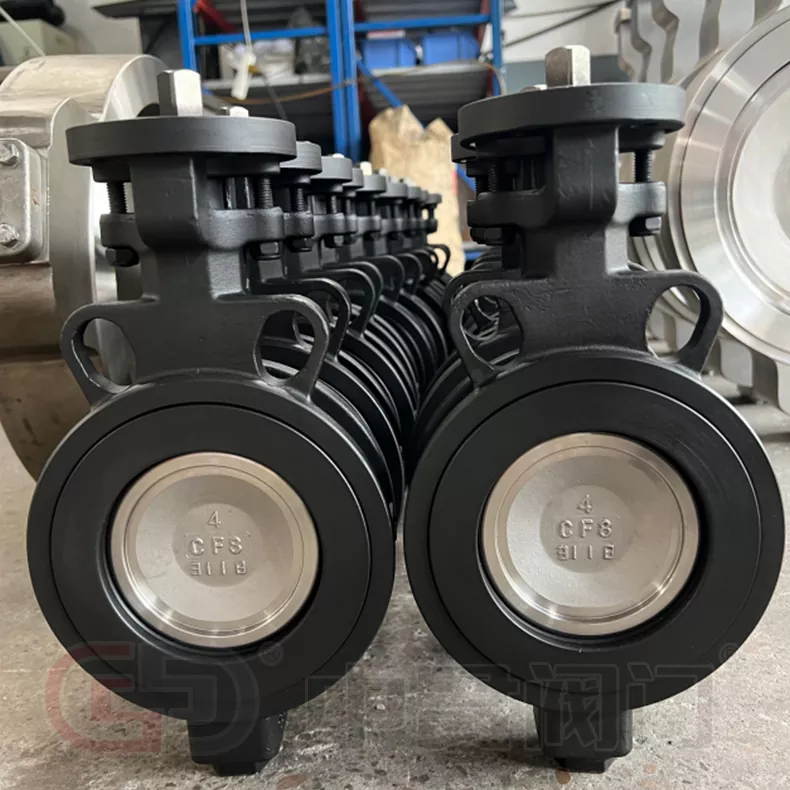
If you look at modern water plants, factories, or piping systems in large buildings, you might notice something: those bulky, heavy traditional gate valves are becoming less common. They're increasingly being replaced by a more compact type of valve with a handle or gear—the butterfly valve. This change didn't happen by chance. It's because butterfly valves offer solutions that better meet the needs of modern engineering in many aspects.
Just like smartphones have replaced feature phones in many areas, the popularity of butterfly valves stems from their unique advantages. Let's look at how butterfly valves "come out on top" in several key areas.
1. Big Savings on Space and Weight
Imagine you need to control a DN500 (about 500mm in diameter) pipe:
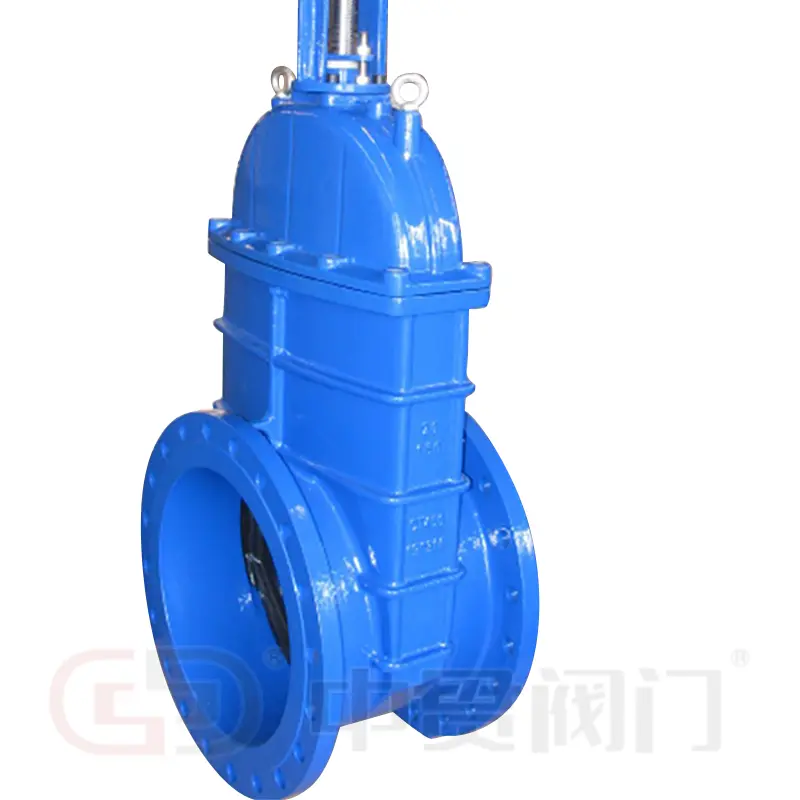
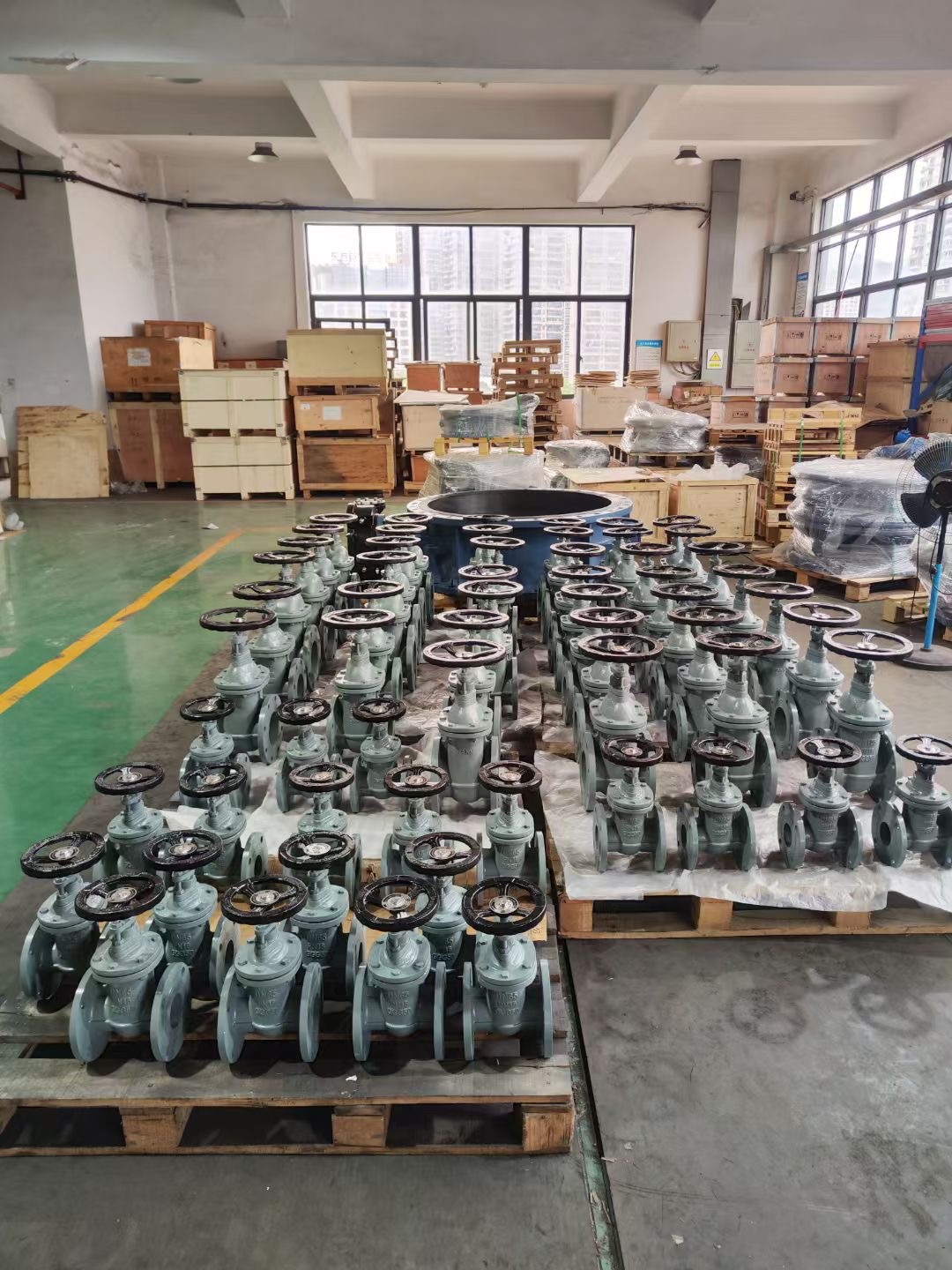
To install a gate valve is like putting a thick, heavy metal "box" on the pipeline. It requires sturdy supports and takes up a lot of space.
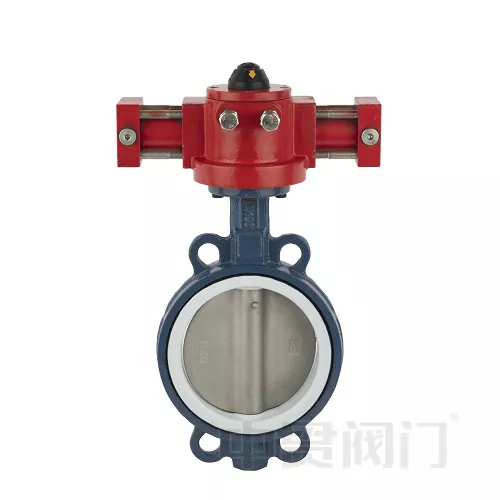
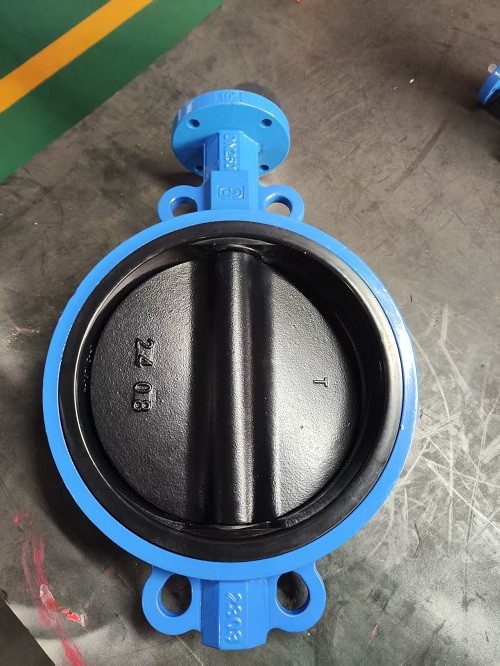
To install a butterfly valve is just like adding a thin "disc" between the pipe flanges. It's very compact, and its weight might only be one-third to one-half of a gate valve of the same size.
2. Speed Showdown: Opening and Closing
When a quick response is needed, their operational efficiency is worlds apart:
Operating a gate valve is like using an old-fashioned screw jack. You need to turn the handwheel many times (sometimes dozens or even hundreds of turns) to fully open or close it. This can waste precious time in an emergency where flow needs to be cut off quickly.
Operating a butterfly valve is like opening or closing a door. You just turn the handle or gear 90 degrees (a quarter turn) to instantly go from fully open to fully closed, or vice versa. This is crucial for emergencies like firefighting or leak containment.
3. The "Cost" Factor: Price and Maintenance
From project cost and long-term operation perspectives, butterfly valves are more economical:
Manufacturing Cost: The structure of a butterfly valve is relatively simple, with fewer parts. Especially, the body requires much less casting material and machining time than a gate valve. This makes the cost advantage of butterfly valves very obvious in large-diameter pipes.
Maintenance: The seal ring in a butterfly valve is usually a modular design. When the internal seal wears out and needs replacement, you often don't have to remove the entire valve body from the pipe. You can just loosen the stem and replace the seat seal and disc seal, which greatly simplifies the repair process.
In contrast, if the gate and seat sealing surface of a gate valve get damaged, repair is often very difficult, and sometimes the whole valve needs replacing.
4. "Bonus Points" for Versatility
Although neither is the best for fine flow control, butterfly valves are still slightly better in this regard:
Gate valves are designed so they absolutely must not be used to regulate flow. If kept partially open, high-speed fluid will erode and cause vibration in the partially open gate, quickly damaging the sealing surface and creating significant noise.
Butterfly valves, while not as precise as dedicated control valves, can be used for rough throttling within a certain range. By changing the opening angle of the disc, you can achieve approximate flow control, although some cavitation and resistance also occur when half-open.
So, Have Gate Valves Been Completely Phased Out?
Not at all. Gate valves still hold their ground in their areas of expertise. They are still irreplaceable in the following situations:
Strict Full-Bore, Zero Resistance Required: In some long-distance oil and natural gas pipelines extremely sensitive to pressure loss, the full-open passage of a gate valve is exactly the same as the pipe's inner diameter, offering virtually zero resistance. This is an advantage butterfly valves can't match (the valve stem and disc edge are always in the flow path).
High-Purity Fluids: In industries like food and pharmaceuticals, the straight-through flow path of a gate valve is less likely to trap fluid and is easier to clean.
Harsh Conditions like High Frequency/Pressure: In some high-temperature, high-pressure steam systems or special applications, the structure of gate valves can be more robust and may have a longer service life.