Language

Have you ever wondered why when you pump air into a bike tire, the air only goes in and doesn't come back out? Or how a sink drain lets water go down but stops smelly sewer gases from coming up? It's all because of a one-way rule. And a check valve is the part inside pipes—in factories or even in your home—that handles this job automatically. It's like an automatic door installed right inside the pipe. This door is stubborn and only swings open in one direction. When water or air flows the right way, the force it creates pushes the door open and lets it pass through. But if the flow tries to reverse and go backwards, that reverse pressure slams the door shut, sealing the passage completely and blocking any backflow.
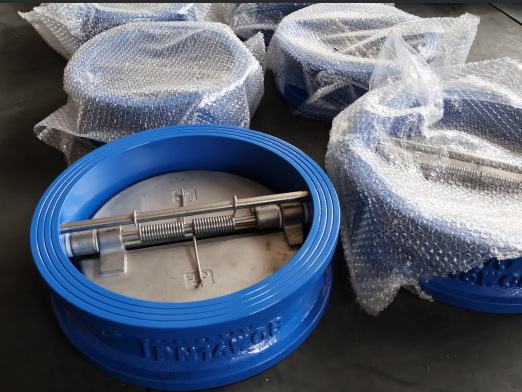
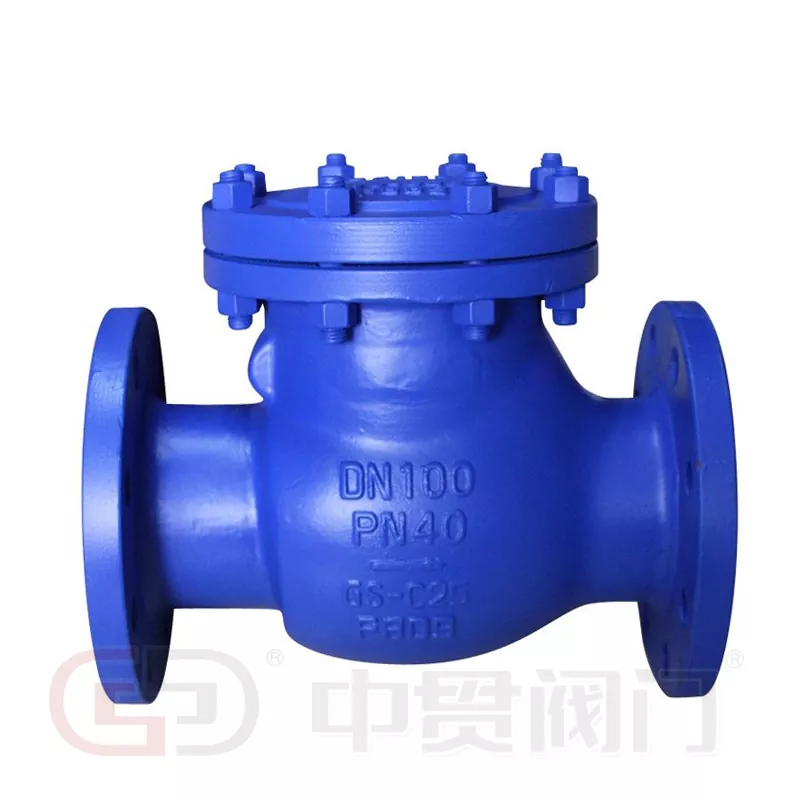
In real life, this "door" can look different. Some have a little plug that gets pushed up when flow comes and drops down to block the hole if flow tries to reverse. Others have a little swing door that opens when flow pushes it and swings shut when the flow stops or reverses. There are even ones with a small ball inside that gets pushed out of the way by the flow; when the flow stops, the ball rolls back and blocks the opening. It might be a simple idea, but it's super important. For example, when it's installed at the outlet of a water pump, it stops water from high points from flowing backwards when the pump turns off, which could damage the pump. In your home, you'll find small check valves at the inlets of your water heater or toilet. They're there to prevent dirty water from flowing back into the building's main water pipes if the water supply gets cut off, which would contaminate the drinking water. So, you can think of a check valve as a loyal guard inside the pipe. It works all on its own, without anyone telling it what to do. It stands watch over the direction, only letting flow move forward and never letting it backtrack, quietly protecting the safety and cleanliness of the entire pipe system.