Language

Hey, let's talk about a big problem in chemical plants.
You know, running a chemical plant isn't easy. There's this constant battle against rust and corrosion. It's like when you leave your bike out in the rain - that rust just eats away at it. Well, in chemical plants, this happens on a much bigger scale. The chemicals they work with are really tough on equipment. In fact, studies show that about 40% of all the money plants spend on repairs goes toward fixing corrosion damage. That's almost half of their repair budget! When equipment gets corroded, it can lead to leaks and shutdowns. Nobody wants that - it's bad for business and can be dangerous too.
So what's the solution? Let me tell you about these special valves.
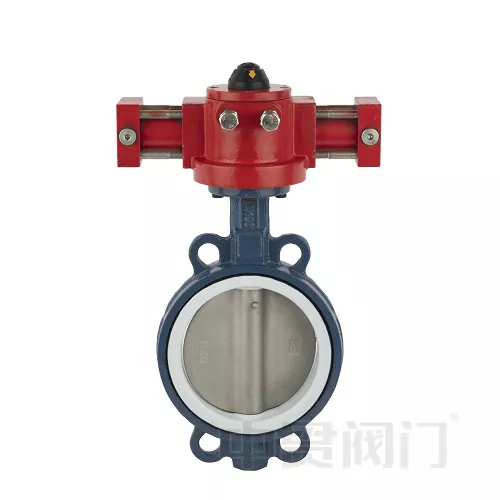
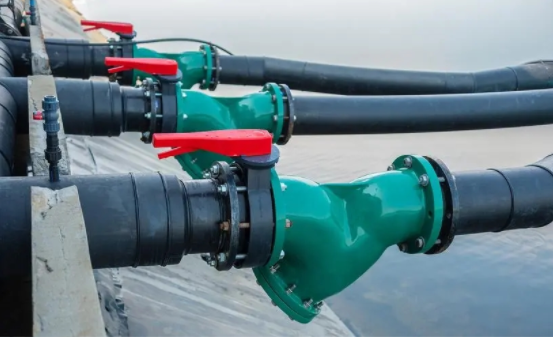
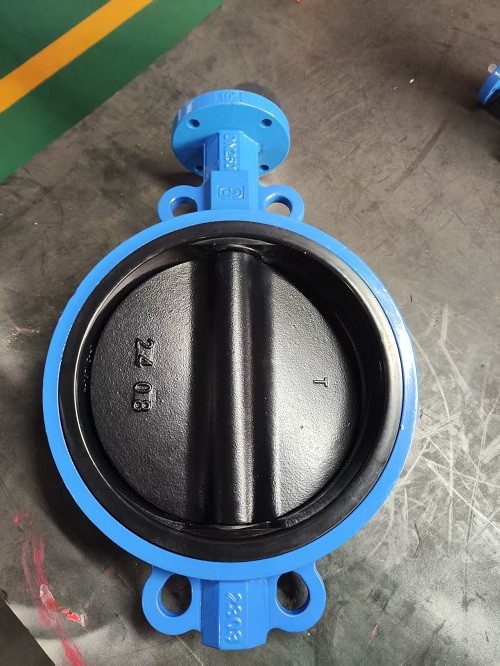
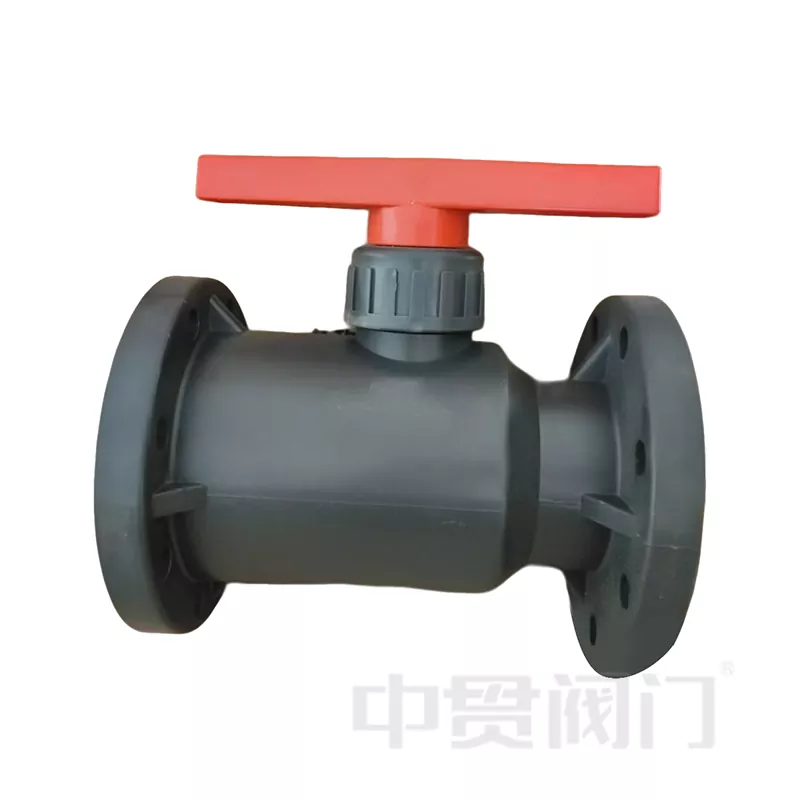
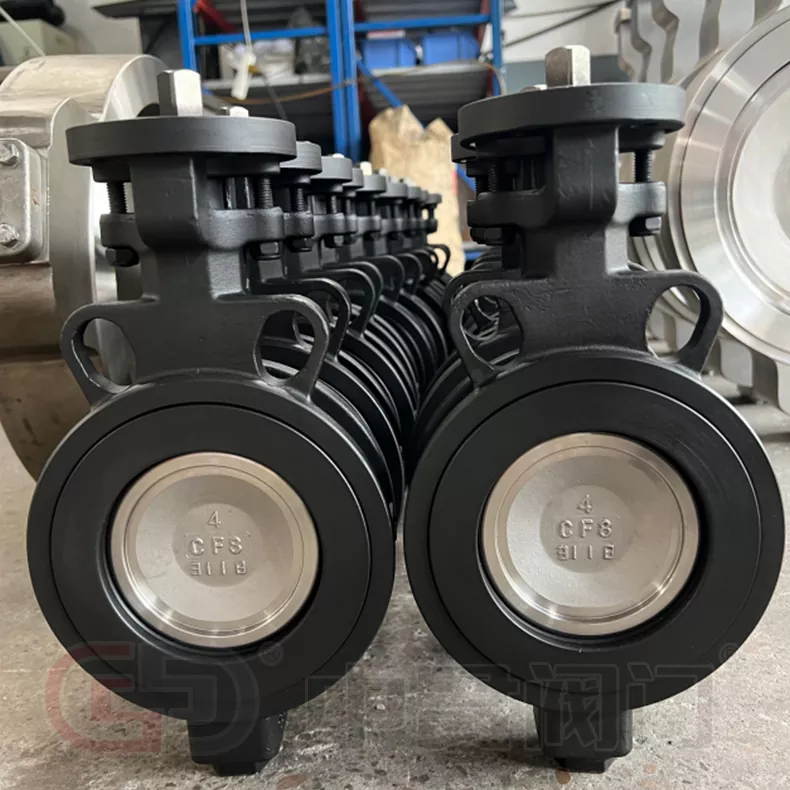
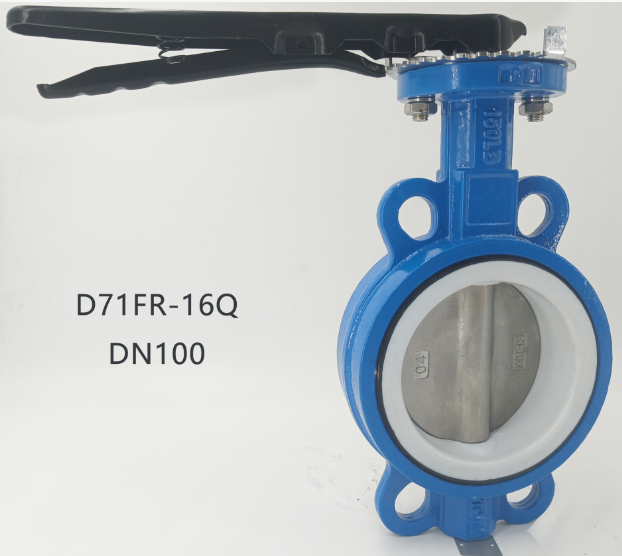
I want to introduce you to something really clever - plastic-lined butterfly valves. Now, I know that sounds technical, but think of it this way: remember how we put protective cases on our phones? Well, this is similar. These valves are like regular valves that wear a full suit of armor. The inside is completely coated with special plastic that chemicals can't damage. The metal part gives the valve its strength, while the plastic lining does the protecting. They're super easy to use too - just give them a quarter turn and they open or close. It's as simple as turning a doorknob!
Why these valves are such a good choice - let me count the ways.
First off, they're amazing at fighting corrosion.
You know how some raincoats keep you completely dry in a storm? That's what these valves do for chemicals. They can handle really strong acids and all sorts of tough chemicals that would normally eat through metal. Even when there are rough, abrasive mixtures flowing through pipes, these valves hold up beautifully. The best part is they stop rust before it can even start. While regular valves might need replacing every year, these just keep going and going.
They're also much safer to use
Safety is so important in chemical plants, right? Well, these valves are real champions when it comes to preventing leaks. They create a perfect seal every time. They can handle high pressures and work in both really hot and really cold conditions. There are even special versions that are fire-safe. It's like having a reliable security guard for your pipes - always on duty, always protecting.
Using them is a breeze
Remember how some tools just feel right in your hand? That's what it's like working with these valves. A simple quarter-turn is all it takes to operate them. They don't need big, powerful motors to work either. The inside is so smooth that nothing gets stuck - it's like a non-stick frying pan for chemicals. They basically clean themselves as they operate, which saves so much time and hassle.
And here's the best part - they save you money!
I know what you're thinking - "This sounds great, but is it expensive?" Well, here's the good news: these valves are actually lighter than all-metal valves, which makes them cheaper to ship and easier to install. They need way less maintenance than regular valves. While other valves might need replacing every year, these just keep working for years. Over five years, you could cut your costs by nearly half. That's like getting two years free!
Where you'll find these valves working hard
These valves are everywhere you need reliable protection against tough chemicals. You'll find them in chemical processing plants, drug manufacturing facilities, water treatment plants, and metal plating operations. Basically, anywhere that deals with corrosive materials, these valves are the go-to choice.
A few things to keep in mind when using them
Now, like anything good, you need to use them properly. When installing these valves, make sure the plastic lining is perfect - no scratches or damage. You need to tighten the bolts properly - not too loose, not too tight. Watch the temperature limits - every product has its limits, right? And always make sure the valve works with your specific chemicals. It's like matching the right tool to the job.
So what's the final word?
If you're dealing with tough chemicals in your plant, these plastic-lined butterfly valves are definitely worth considering. They work better, they last longer, and they save you money. In today's competitive world, that's exactly what every plant needs. They make operations safer and more reliable - and who doesn't want that?
Taking care of your valves is easy
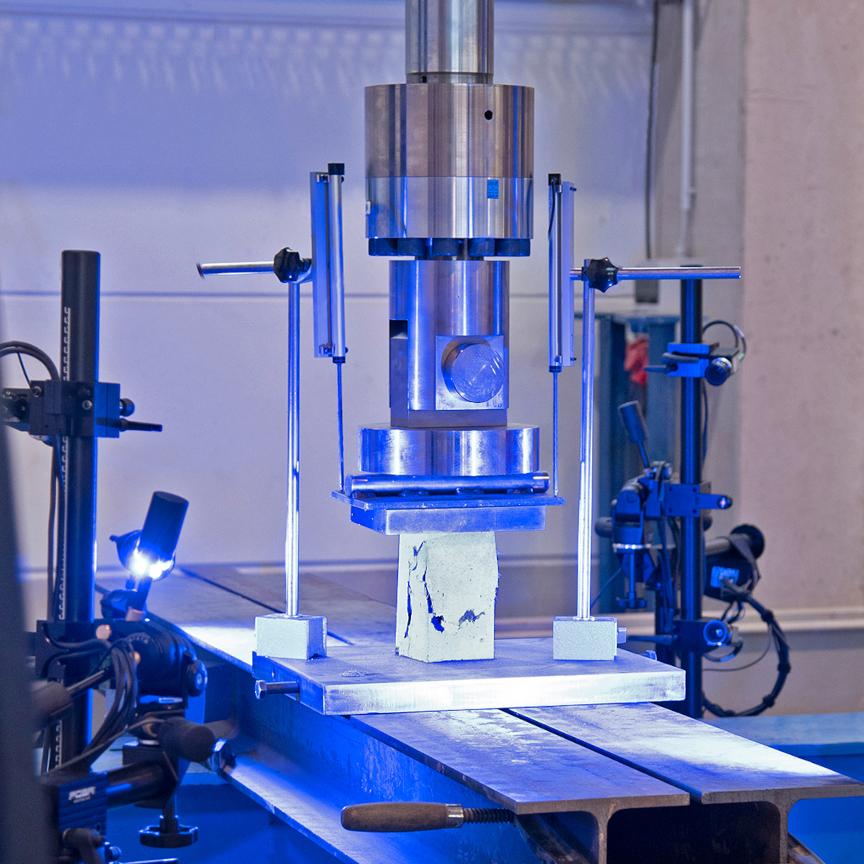
Looking after these valves is straightforward. Give them a quick check every 3 months, do a proper test once a year, replace the seals when they need it, and every five years, give them a complete check-up. It's like taking your car for regular service - a little care goes a long way.
Wrapping up
At the end of the day, keeping chemical plants running smoothly is all about choosing the right equipment. Plastic-lined butterfly valves might not be the most exciting topic, but they're one of those unsung heroes that make everything work better. They're reliable, cost-effective, and they get the job done. And in the chemical business, that's exactly what matters most.