Language

Every household has a water pipe, and there is a thing on the pipe that can be turned on or off. That is the valve. In factories and larger pipeline systems, the two most commonly used valves can be called "the tough guy" and "the gentle girl". They do the same job - they either stop or allow water, gas or other substances to pass through the pipe. However, their temperaments and capabilities are quite different.
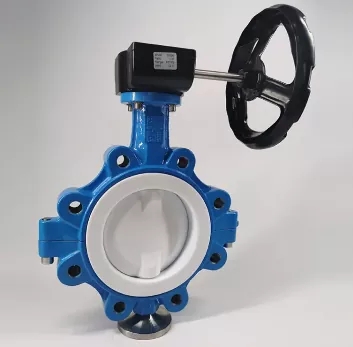
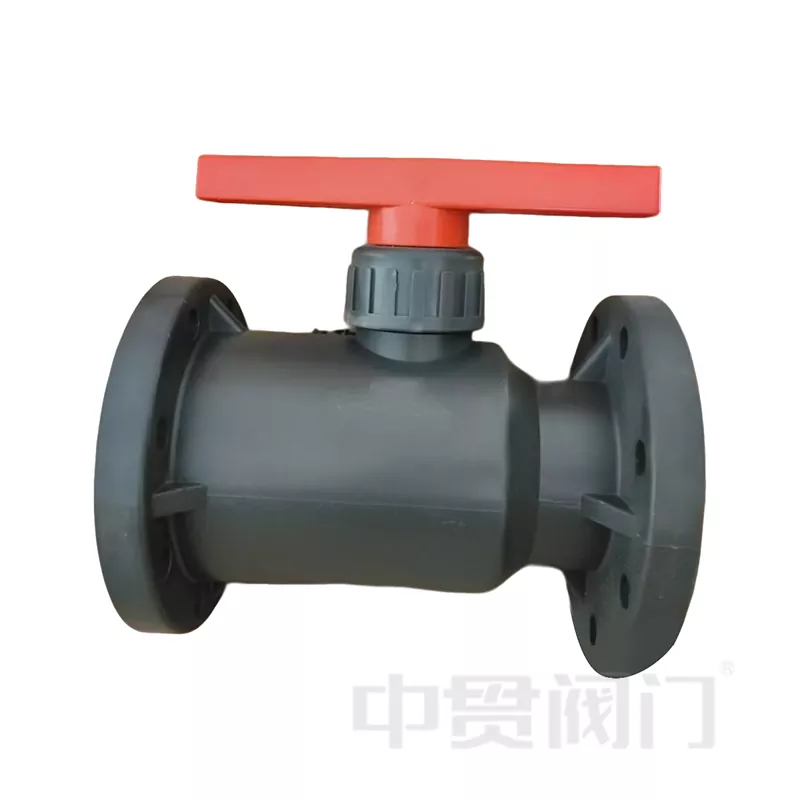
"Softie" housekeeper: The one who has the tightest lock on it
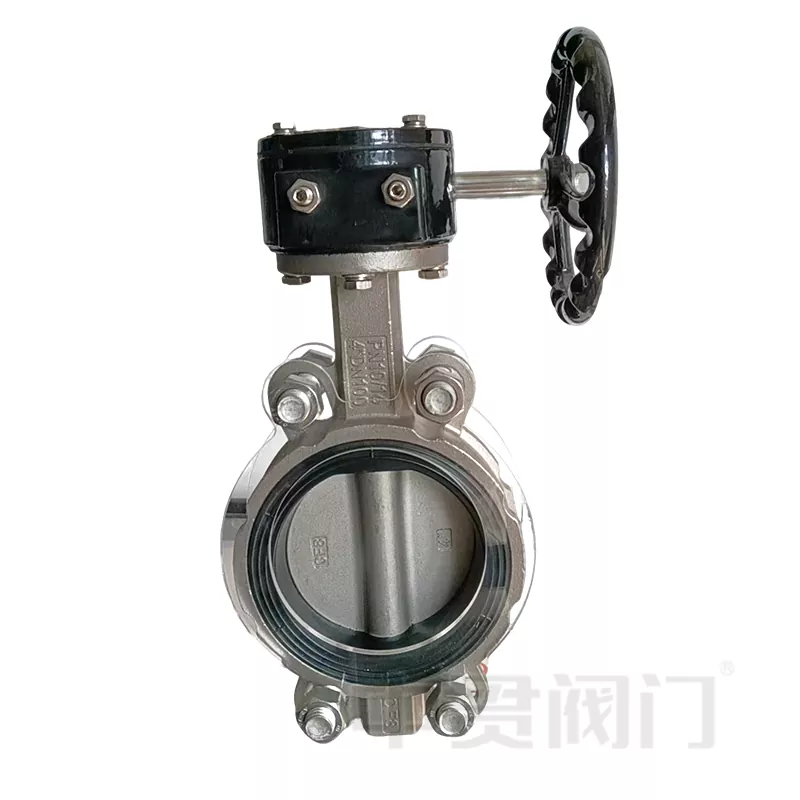
The "Softie" valve is so named because there is a soft rubber pad inside it. When you turn the valve, this rubber pad will tightly adhere to the opposite side, slightly flattening itself, thus sealing the gap completely without any leakage.
So her greatest strength is that she has excellent sealing ability. Once it's tightly closed, not a single drop will leak out and no gas will escape. Just like the tap water in our home and the natural gas pipeline used for cooking - the most worrying thing is leakage and gas escape. Using her as the housekeeper would be extremely suitable. She also operates the valves very easily and doesn't require much effort.
However, "the soft lady" also has her vulnerable points: Firstly, she is afraid of heat. If hot steam or hot water flows through the pipe, her soft rubber pad will quickly age and become brittle, and it won't be usable anymore. Secondly, she is afraid of dirt. If the water flowing through contains sand, iron filings and other substances, it is very likely to scratch her soft sealing surface. Once there is a crack, of course, the seal won't be tight anymore.
The "tough guy" housekeeper: The one who is most capable of enduring hardships and working hard.
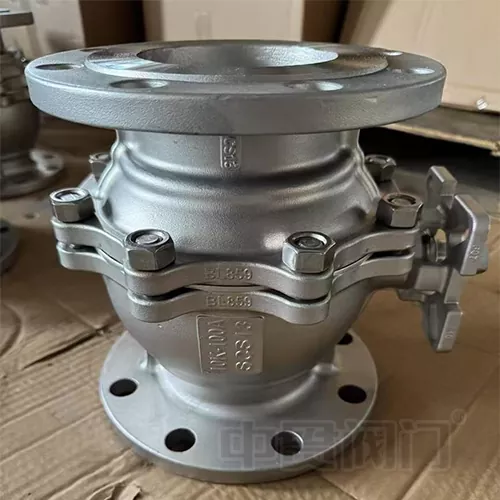
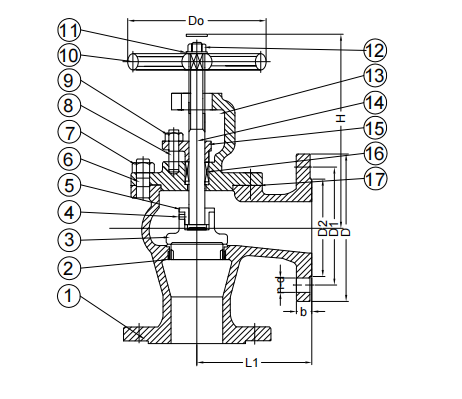
The "tough guy" butler, on the other hand, is all about brute force. The two surfaces in his body responsible for closing are both made of metal. You can imagine it as two extremely smooth steel plates being tightly pressed together.
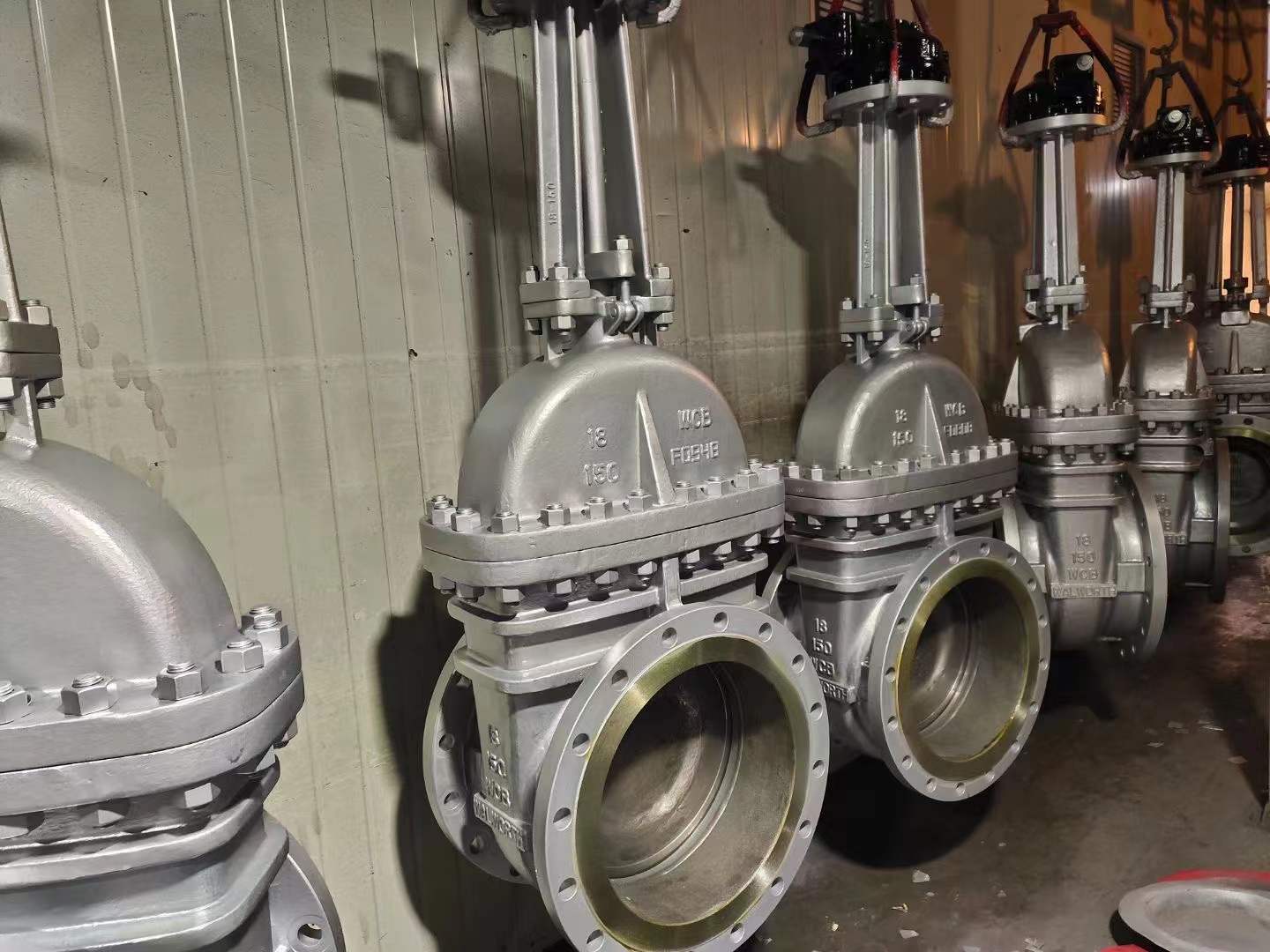
This tough and uncompromising structure makes him particularly resilient to hardship. Facing high-temperature steam in the pipes? No problem, he can handle it. The flowing medium is like mud or coal dust, causing him discomfort? He isn't afraid either. It's not that easy for him to be worn down. Therefore, in those bustling power plants, steel mills, and mines, his busy figure can be seen everywhere.
Of course, "the tough guy" also has his minor flaws. Firstly, he is unable to achieve the perfect and flawless sealing like "the gentle lady", and there will always be extremely tiny gaps between the metal surfaces. Secondly, because he always "goes all out", the operation is rather strenuous and requires more force to operate.
So, how should one approach the housekeeper?
In simple terms, it can be summed up as: Determine what to guard and appoint whom to do it.
If you're dealing with ordinary tap water, household gas, or the water pipes for the air conditioners in your building - places that are clean and have low temperatures - then you definitely need to hire "soft girls". They can close the door the tightest and save you money and effort.
If what you're dealing with is high-temperature steam, bubbling hot oil, or "dirty" substances like mud and sand, then you'll need to call in the "tough guys". Only he can endure such a tough and exhausting environment without breaking down.
Don't think that "the hard way is always better than the easy way". In the areas where "the soft type" excels, she is much more capable than the "tough guy". Having the "tough guy" guard the household water pipes is really a case of using the wrong person for the job, and the result might not be good.
I hope this explanation will make it clear to you the difference between these two stewards. Next time when you encounter the selection of valves, you will have a better idea!