Language

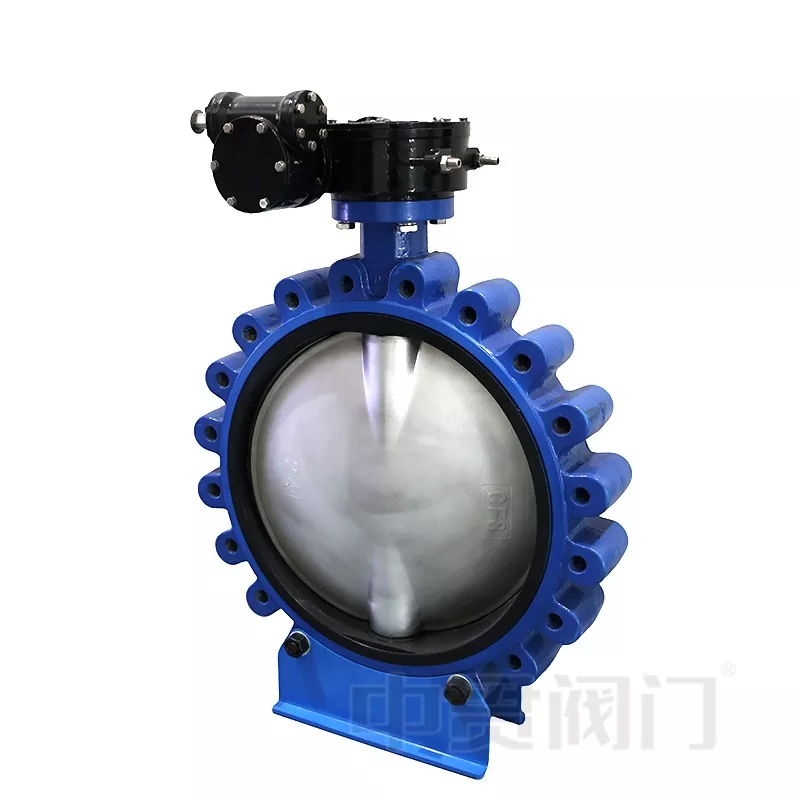
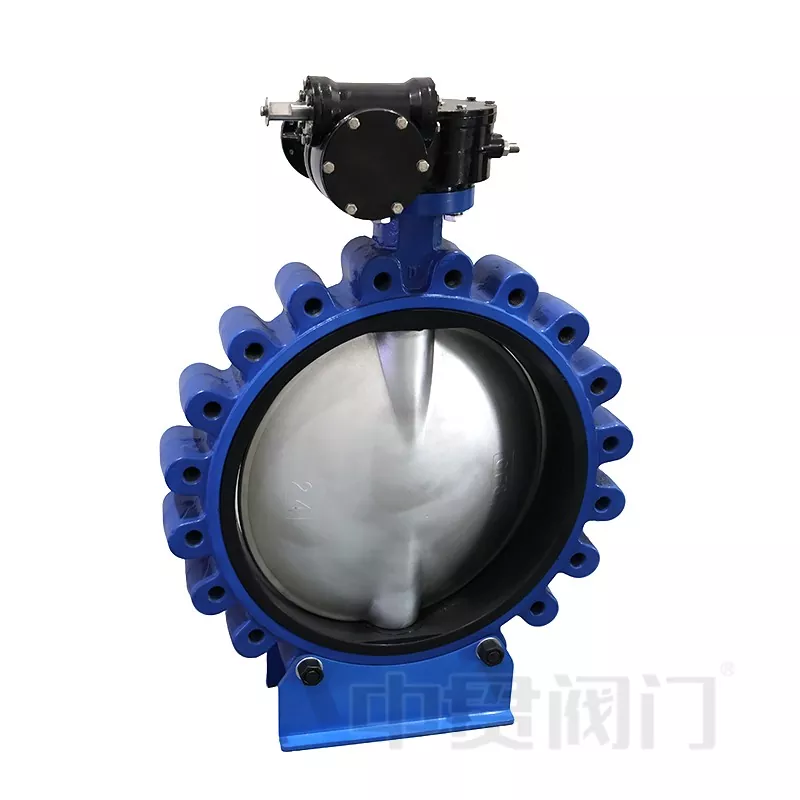
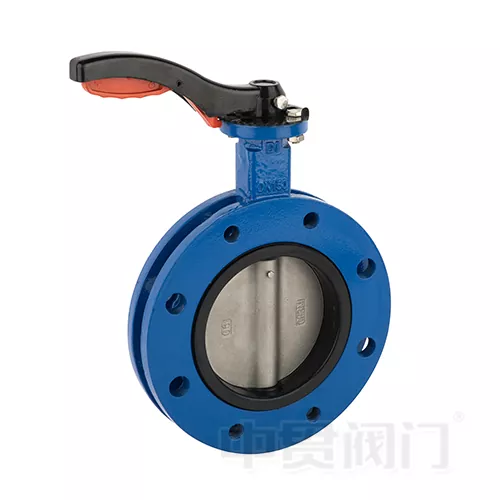
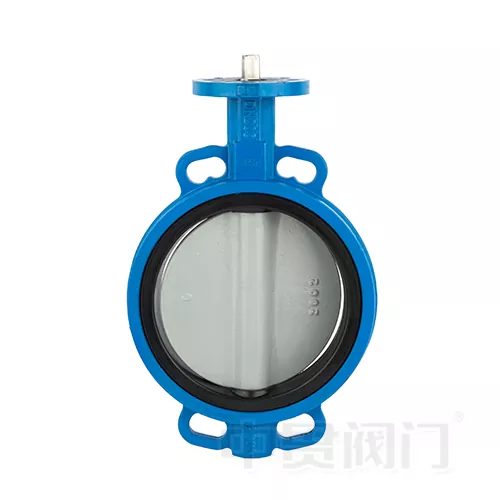
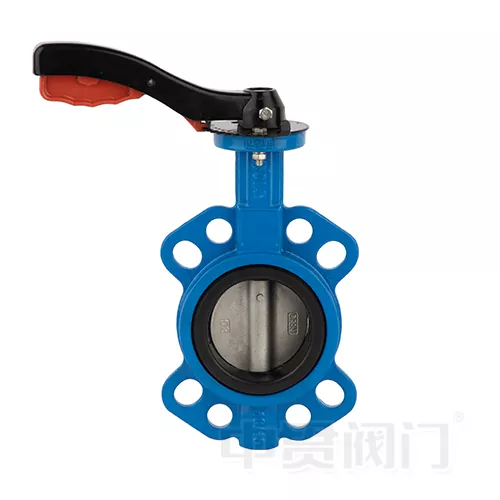
Zhongguan Lug Type Butterfly Valve is designed for pipeline systems requiring flexible installation, reliable shut-off, and convenient maintenance. As a centerline butterfly valve structure, it is commonly selected for water treatment, HVAC circulation, industrial pipelines, and applications where the valve needs to be removed or serviced without affecting the complete pipeline arrangement.
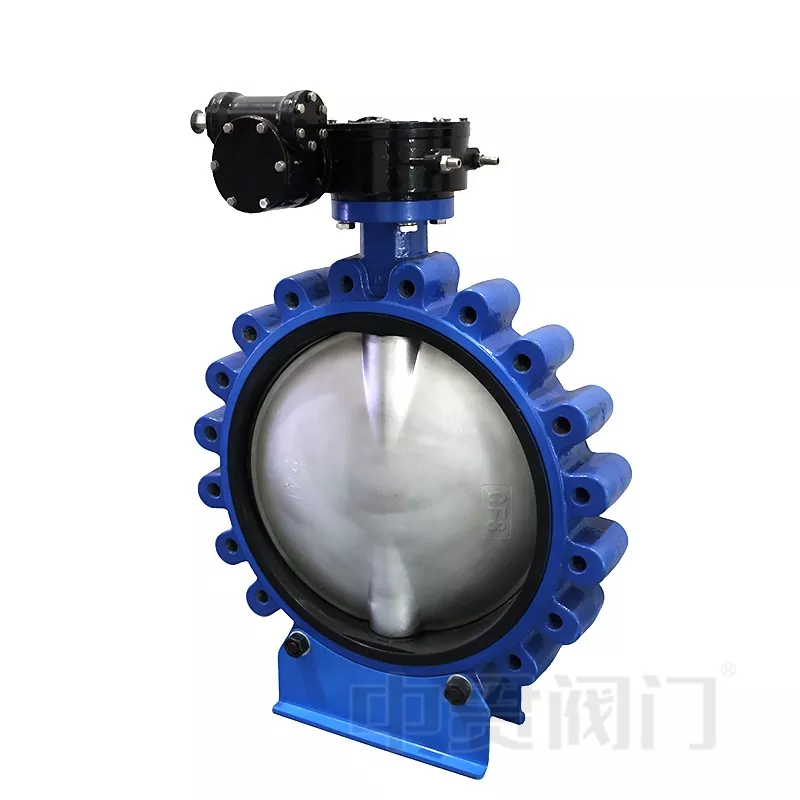
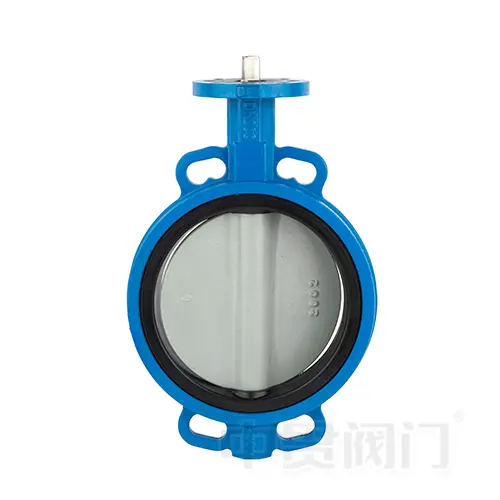
Compared with wafer butterfly valves, the lug connection design uses threaded holes on the valve body to allow independent flange fixation. This structure is especially suitable for end-of-line installation, equipment isolation sections, and pipelines where one side of the connection may need to be removed during maintenance.
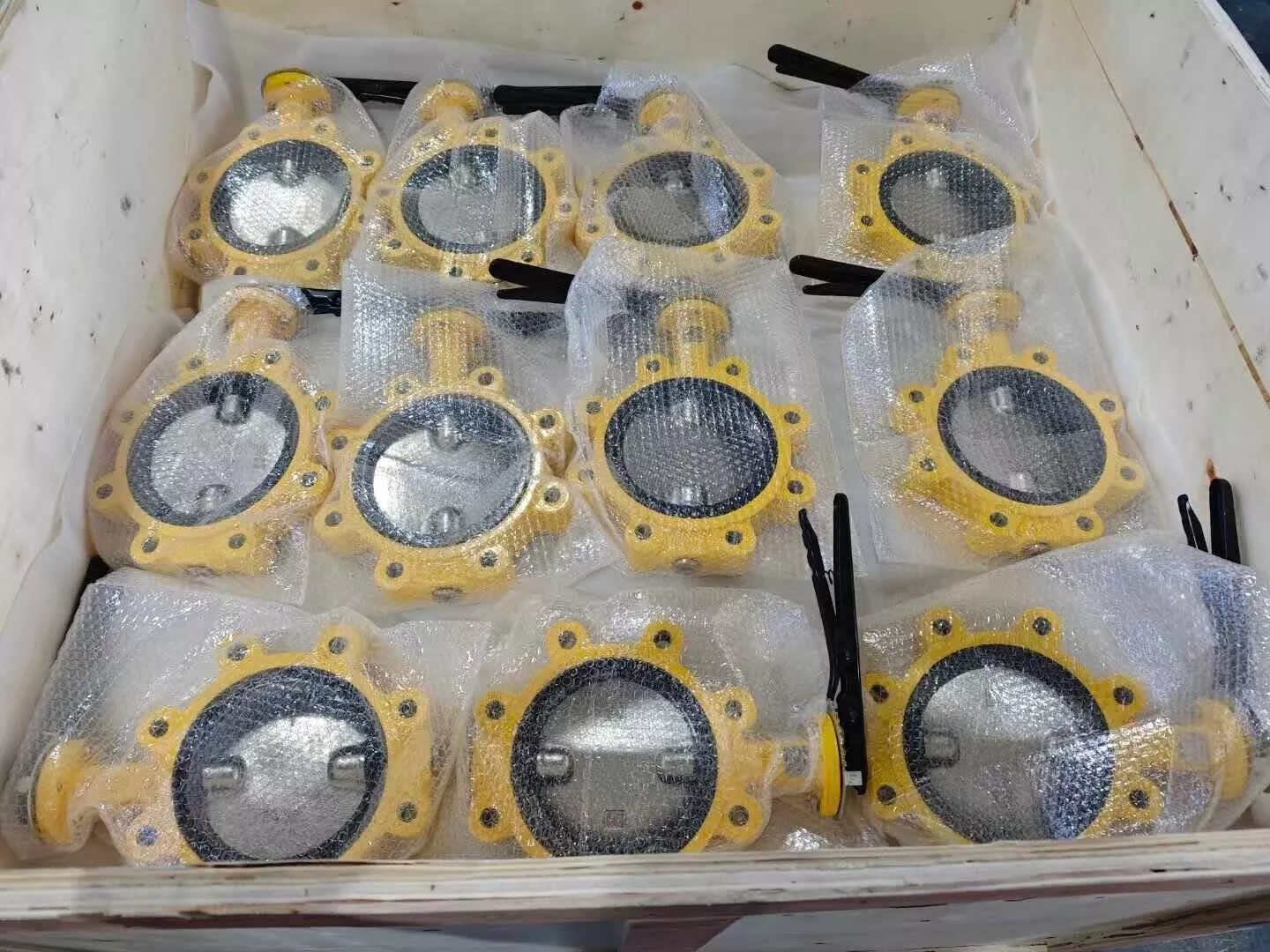
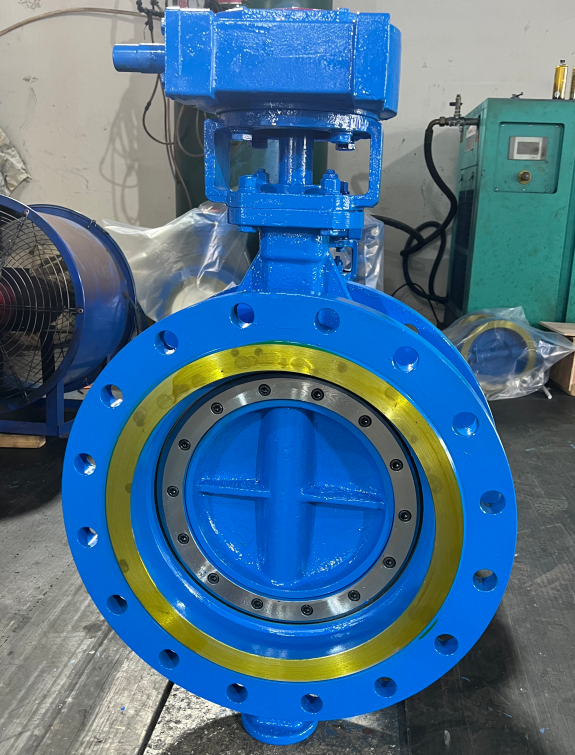
The valve body can be manufactured from ductile iron, GGG50, stainless steel, or carbon steel according to pressure requirements, medium characteristics, and corrosion conditions. The lug structure distributes connection stress through multiple fixing points, improving installation stability in pipelines exposed to vibration or frequent operation.
The disc adopts a compact circular design and rotates approximately 90° between fully open and fully closed positions. Stainless steel discs or other compatible materials can be selected according to the pipeline medium to improve corrosion resistance and service performance.
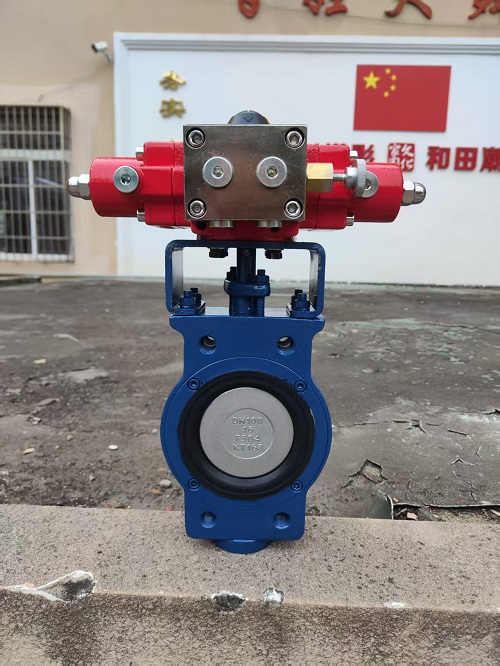
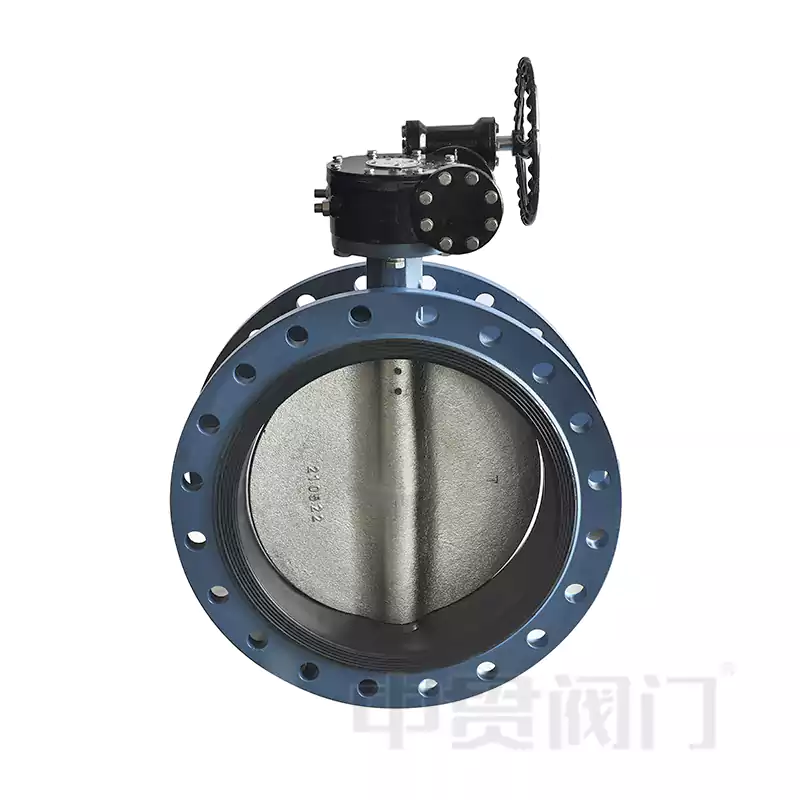
The valve stem transfers operating torque between the actuator and disc. The centered shaft arrangement reduces structural complexity and supports smooth operation with manual, pneumatic, or electric actuation methods.
EPDM, NBR, PTFE, and other sealing materials can be selected according to the medium. EPDM is commonly used for water-based applications, NBR is suitable for oil-related conditions, while PTFE is considered for stronger chemical resistance requirements.
In water supply and wastewater systems, lug butterfly valves are commonly selected because of their compact structure and easy maintenance characteristics. EPDM seat configurations are frequently used for fresh water, sewage, and general water circulation systems where chemical compatibility requirements are moderate.
HVAC and industrial cooling pipelines usually require frequent opening and closing operations. The 90° rotary design, low operating torque, and compact installation length make lug butterfly valves suitable for circulation control systems with limited installation space.
For industrial pipelines containing corrosive or special media, the valve configuration should be selected according to the chemical compatibility between the seat material and the medium. PTFE-based seats can be considered for stronger chemical environments, while NBR and FKM materials are used for oil-related applications.
Marine and energy systems often require valves with corrosion resistance and convenient maintenance access. The lug connection structure allows easier isolation and replacement in pipelines where maintenance space is limited.
During operation, the disc rotates around the valve stem axis. When the valve is fully open, the disc aligns with the pipeline flow direction, reducing resistance and allowing the medium to pass through with minimal obstruction.
When closing, the disc rotates approximately 90° and presses against the sealing seat to stop flow. Depending on the valve design and sealing material, bidirectional shut-off performance can be achieved.
For throttling applications, the disc position can be adjusted between open and closed positions.
| Comparison | Lug Type Butterfly Valve | Wafer Butterfly Valve |
|---|---|---|
| Connection Method | Threaded lug holes allow independent flange fixation | Installed between two flanges using through bolts |
| Maintenance | Suitable for systems requiring easier valve removal or end-line installation | More suitable for standard pipeline installation |
| Installation Space | Compact design with stronger connection flexibility | Lightweight and commonly used where space is limited |
| Typical Applications | Water treatment, HVAC, industrial pipelines, maintenance-sensitive systems | General water and utility pipelines |
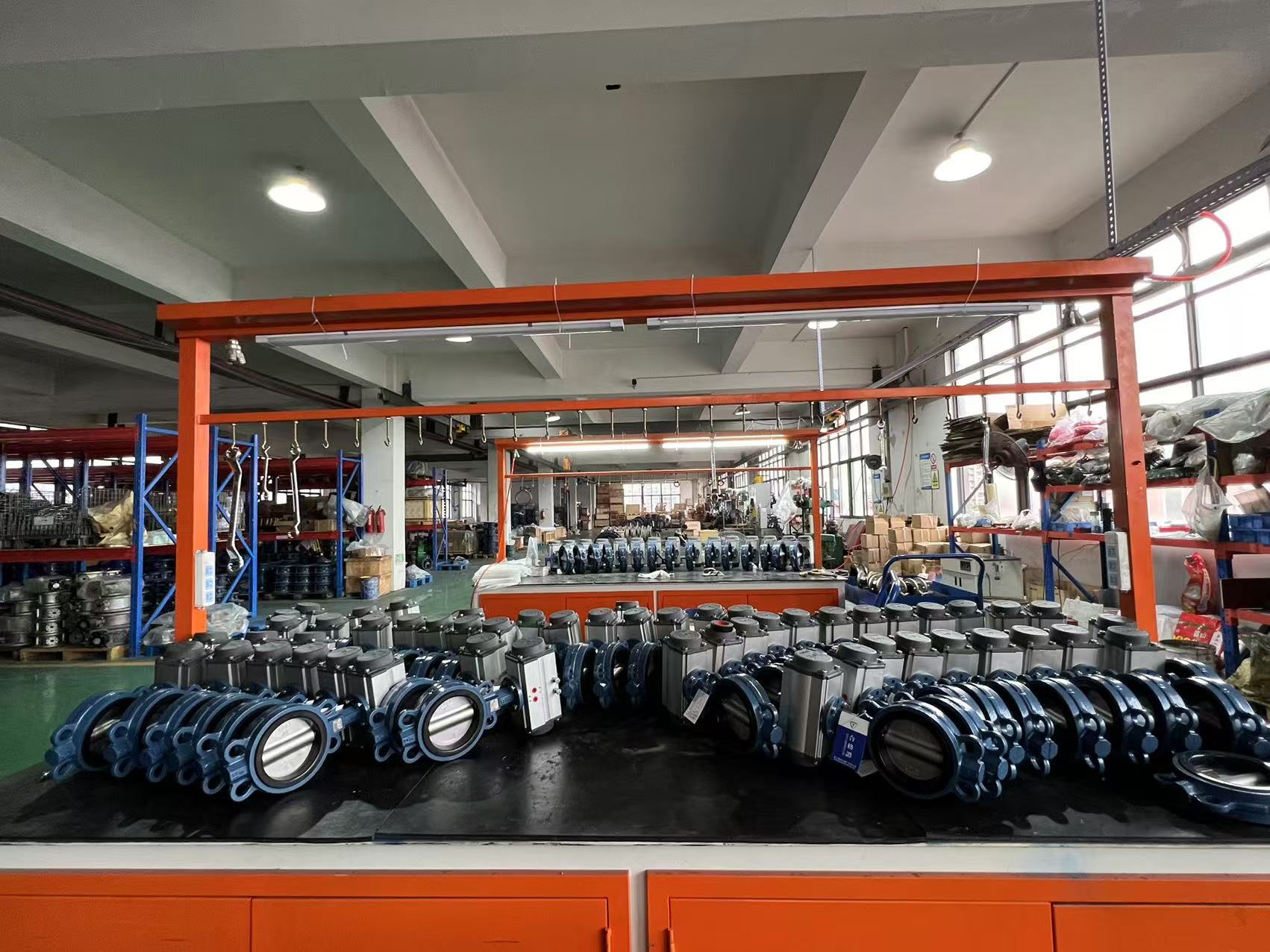
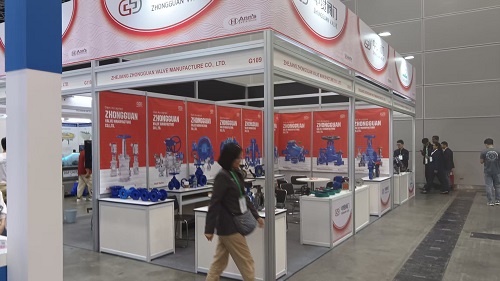
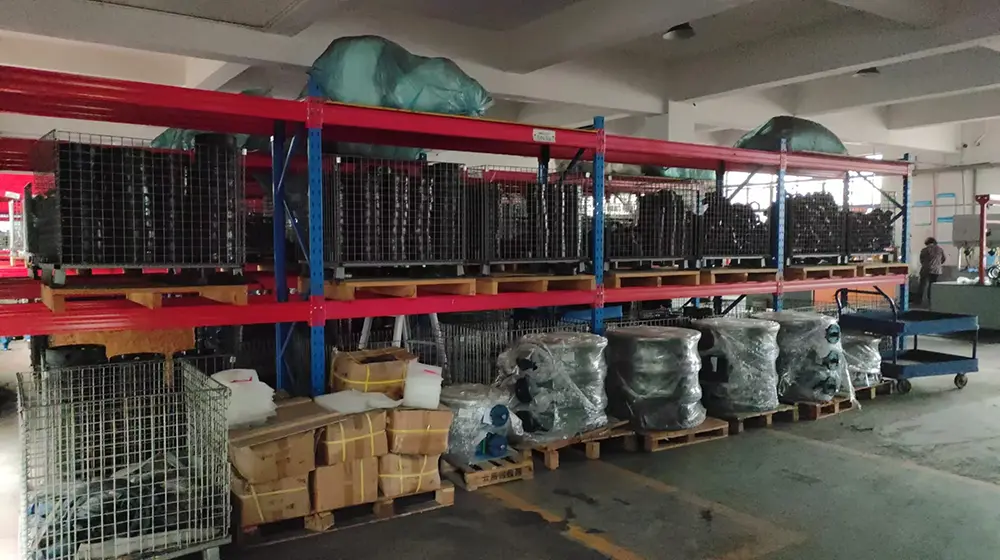
Zhejiang Zhongguan Valve Manufacture Co., Ltd. has focused on valve manufacturing for more than 19 years, with production resources located in Tianjin and Wenzhou, Zhejiang. The company produces butterfly valves including wafer, lug, U-section, and flange types, with main production diameters ranging from DN40 to DN1600.
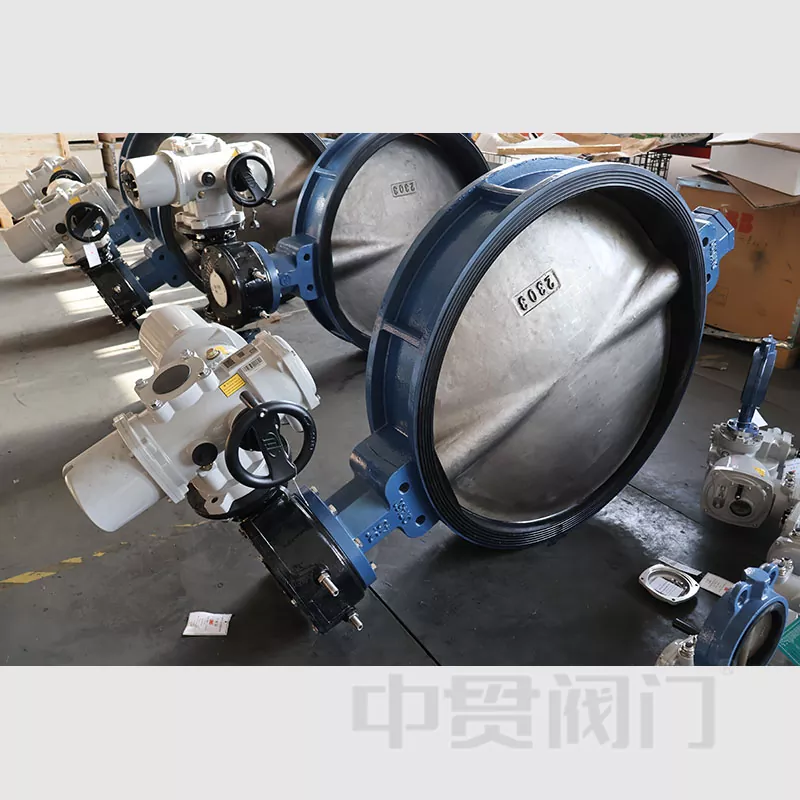
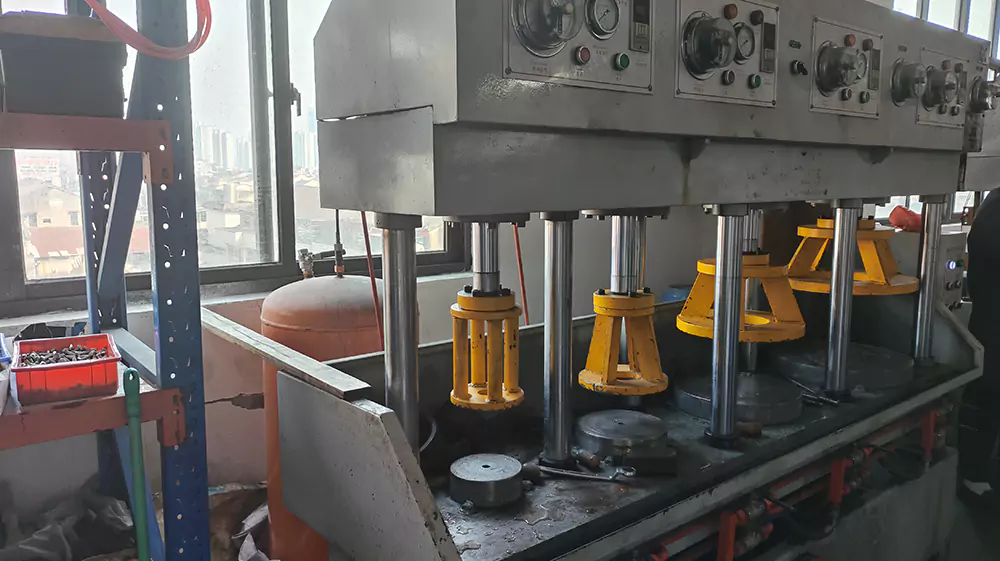
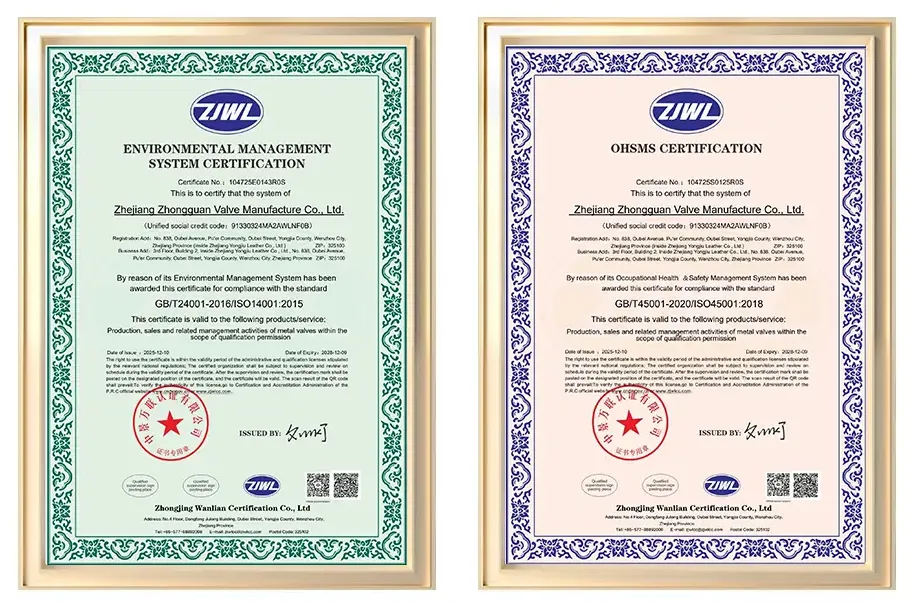
The manufacturing process includes valve assembly, pressure testing, valve seat installation, shaft sleeve installation, and product marking. Zhongguan provides required ISO certificates for produced valves and can provide WRAS-certified valve seats when required.
The service life of a lug butterfly valve is mainly affected by operating conditions, including medium characteristics, temperature, pressure changes, operation frequency, and installation quality. Selecting compatible sealing materials and maintaining proper operating conditions helps reduce premature wear of sealing components.
Yes. Lug Type Butterfly Valves can be operated by manual handles, gear operators, pneumatic actuators, or electric actuators according to pipeline control requirements. The actuator selection should match the valve torque requirement, operating frequency, and automation system.
The required information usually includes valve size, pressure rating, connection standard, pipeline medium, temperature range, seat material requirements, and actuator requirements. These details help determine a suitable valve configuration and avoid incorrect material selection.
Leakage prevention depends on correct valve selection, suitable sealing material, proper installation, and regular inspection. Pipeline alignment, flange connection conditions, and foreign particles around the sealing surface should be checked during installation to maintain sealing performance.
Address
No. 838, Oubei Avenue, Yongjia County, Wenzhou City, Zhejiang Province, China
Tel