Language

Product Overview / Eccentric Series
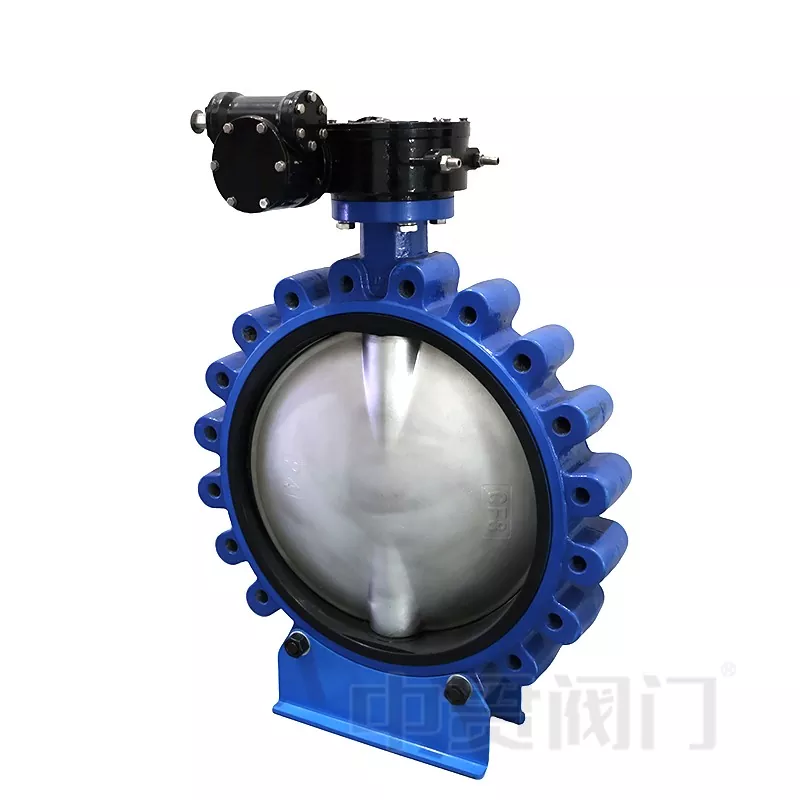
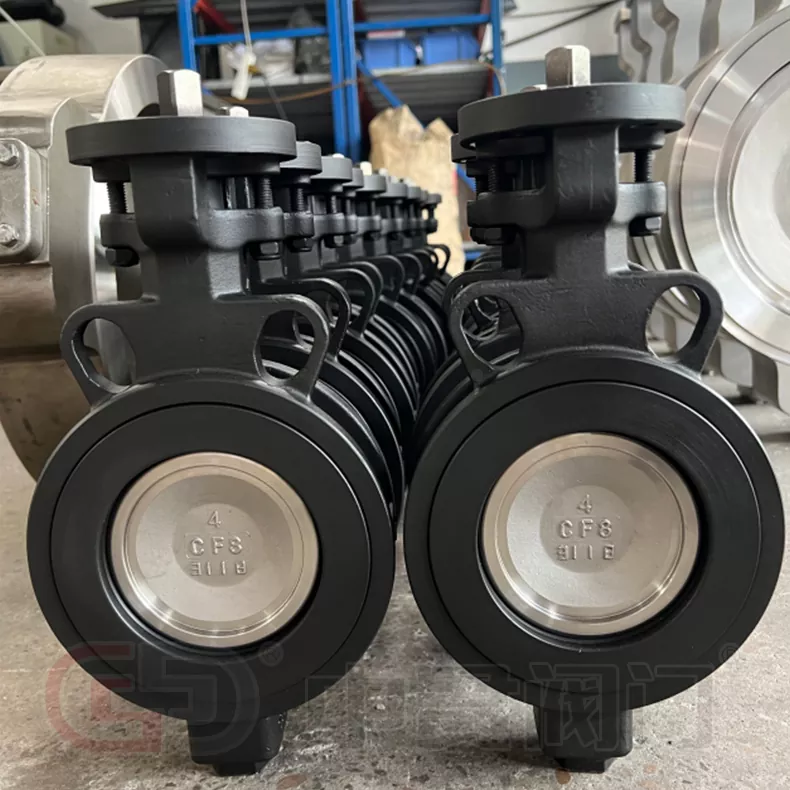
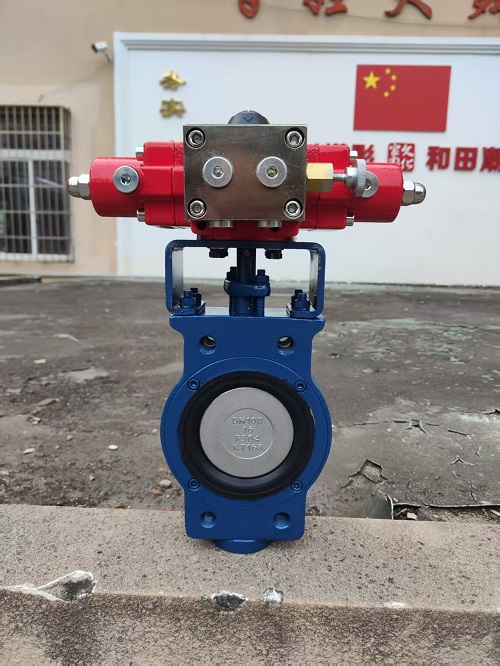
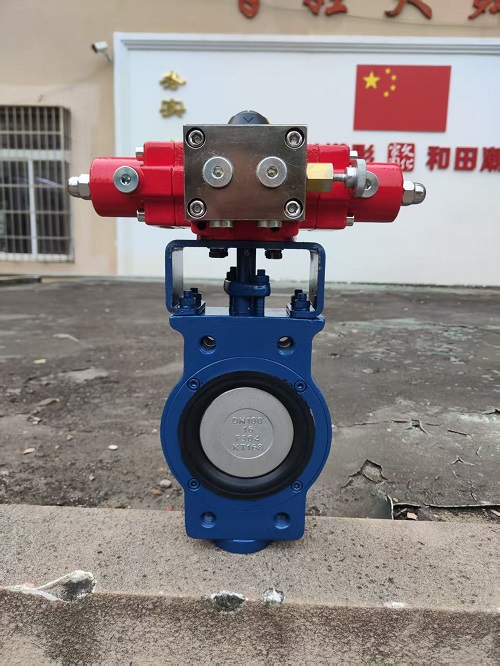
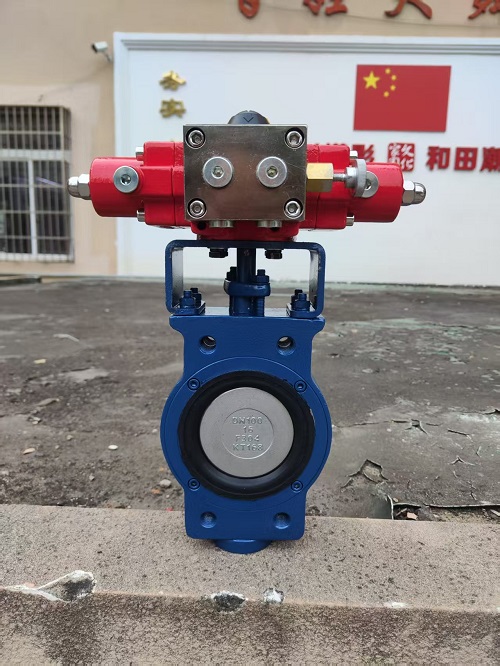
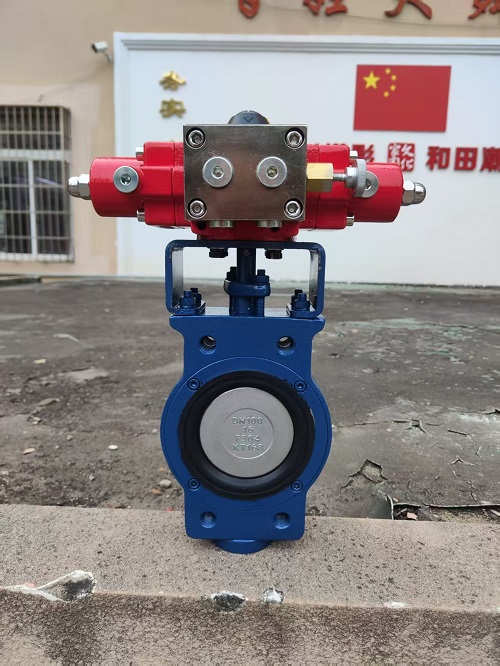
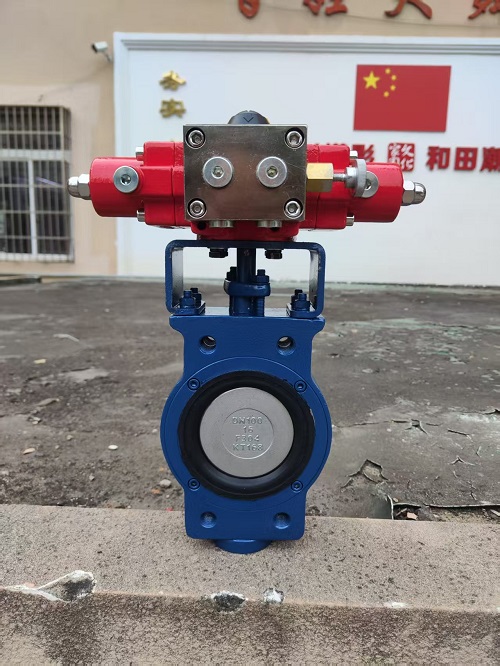
Zhongguan offers the Eccentric Butterfly Valve with Hydraulic Actuator for industrial valve procurement where double-offset disc movement, resilient seat sealing, and hydraulic operation are required. This configuration combines a WCB carbon steel body, a CF8 (304 stainless steel) disc, a semi-lug connection, and a hydraulic actuator. Its selection is particularly relevant to automated water, utility, and industrial process pipelines where valve materials, operating torque, and maintenance access must be considered together.
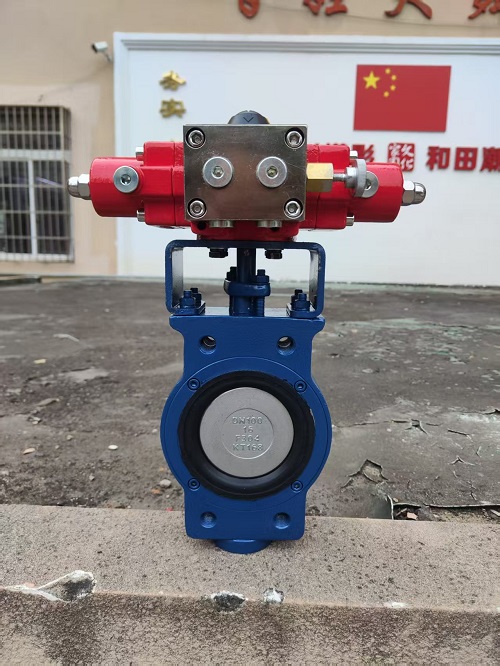
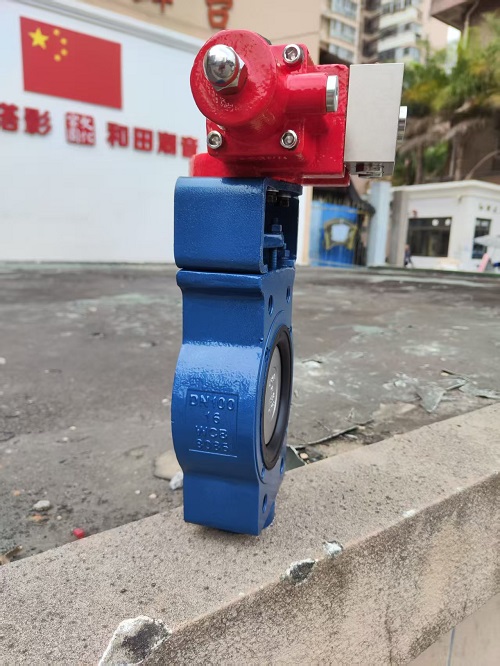
The double-offset structure positions the stem axis away from the disc sealing surface and pipeline centerline. As the valve opens, the disc moves away from the seat, reducing sliding contact during operation.
Less rubbing during disc movement helps limit wear on resilient sealing components.
The offset arrangement supports smoother disc movement and reduces unnecessary contact between the disc and seat.
Seat condition, operating frequency, medium characteristics, and differential pressure all influence service life.
This design is suited to applications requiring frequent flow isolation without relying on a metal-to-metal sealing arrangement.
Available seat materials include EPDM, NBR, and PTFE. Each option has different compatibility characteristics, making material selection an important part of valve specification.
Commonly considered for water-based services, subject to temperature and chemical compatibility.
Often selected for compatible oil and hydrocarbon-related media.
Offers broad chemical resistance, with suitability determined by the specific medium, temperature, and seat construction.
The supplied specification lists ANSI Class VI sealing and bidirectional sealing capability. Actual acceptance criteria should correspond to the applicable test standard and the selected valve configuration. Media compatibility and differential pressure remain important when evaluating shutoff performance.
The WCB body and CF8 disc serve different functions within the valve assembly. WCB carbon steel provides the main pressure-containing structure, while CF8 stainless steel offers corrosion resistance at the disc surface. This combination can be considered where structural requirements and medium exposure call for different material properties.
| Component | Supplied specification | Selection relevance |
|---|---|---|
| Valve type | Double-offset butterfly valve | Reduces disc-seat contact during opening |
| Body | WCB carbon steel | Structural strength for industrial piping |
| Disc | CF8 stainless steel (304) | Corrosion resistance for compatible media |
| Seat | EPDM, NBR, or PTFE | Selected according to medium and temperature |
| Connection | Semi-lug body | Supports flange installation and maintenance access |
| Actuation | Hydraulic actuator | Hydraulic-powered valve operation |
| Flange rating | PN10 / PN16 | Matches the specified pipeline flange rating |
| Temperature range | −20°C to +180°C | Depends on the selected seat material |
| Leakage specification | ANSI Class VI listed | Requires verification against the applicable test criteria |
The stated temperature range is not a universal limit for every seat option. The selected elastomer or PTFE seat, medium composition, and operating conditions determine the usable range. The specification describes the pressure rating as medium to high pressure but does not provide a numerical maximum working pressure.
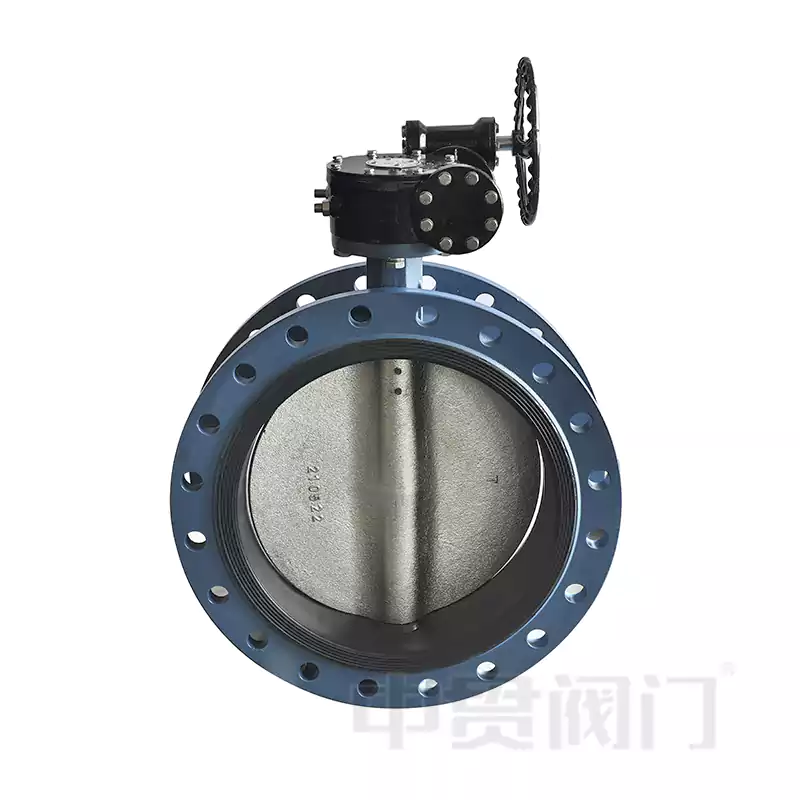
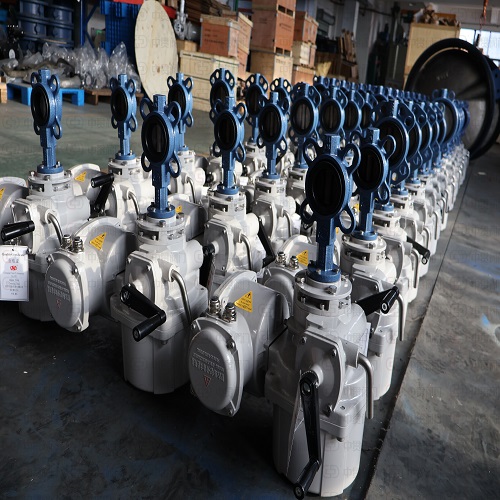
The Eccentric Butterfly Valve with Hydraulic Actuator combines the valve's offset geometry with powered actuation. The hydraulic actuator is intended for applications where hydraulic control is available and the operating requirements call for powered opening and closing.
Actuator sizing should account for valve size, differential pressure, seat friction, and the required operating sequence.
Hydraulic actuation can support controlled or rapid operation when the actuator and hydraulic circuit are designed for the required response.
The actuator can be incorporated into a compatible hydraulic control system.
Hydraulic, electric, and pneumatic actuation should be compared according to available power, control requirements, operating frequency, and installation conditions rather than assuming one method is universally superior.
Hydraulic actuation is therefore most relevant when the pipeline's operating and control arrangements support a hydraulic power source and the required actuator output.
The Eccentric Butterfly Valve with Hydraulic Actuator is intended for industrial isolation and flow-control duties across several sectors. Final suitability depends on the medium, pressure, temperature, seat material, and actuator sizing.
Used in compatible water and wastewater piping for flow isolation and system operation. Seat compatibility and the specified flange rating are central to configuration selection.
The WCB body, CF8 disc, and hydraulic drive provide a material and actuation combination to evaluate for compatible oil and gas services. Medium composition, operating pressure, and sealing requirements must guide the final configuration.
PTFE or another compatible seat may be considered according to the chemical medium and operating temperature. Compatibility should be assessed for the complete wetted assembly, not the disc alone.
The valve can be evaluated for isolation duties in compatible utility-water and HVAC systems. Hydraulic actuation is relevant where the operating arrangement calls for powered valve movement.
Potential use is limited to compatible utility services and the specified material configuration. The listed WCB body and soft-seat design should not be treated as evidence of suitability for every process fluid or hygienic application.
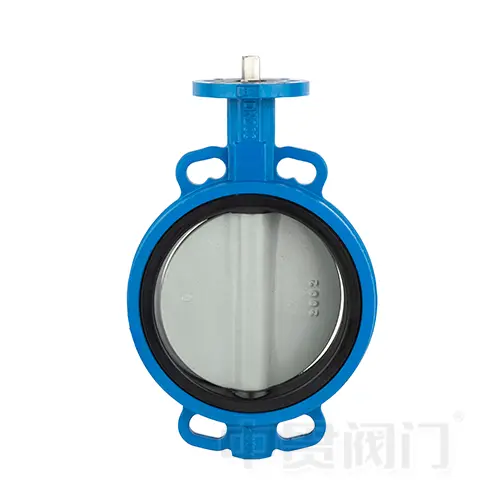
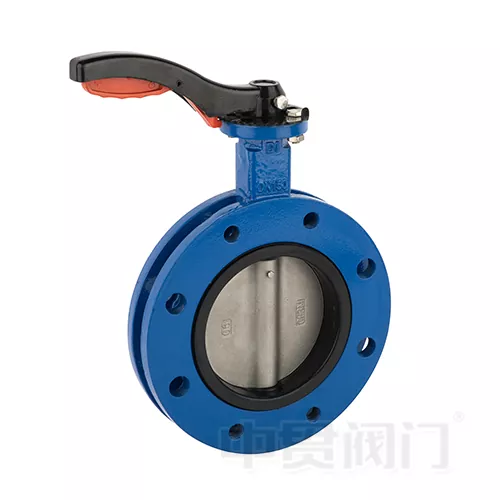
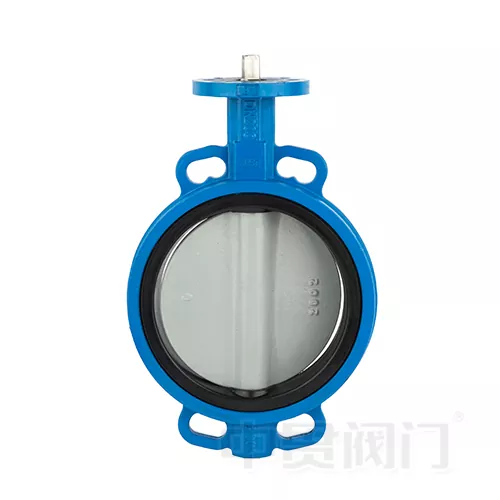
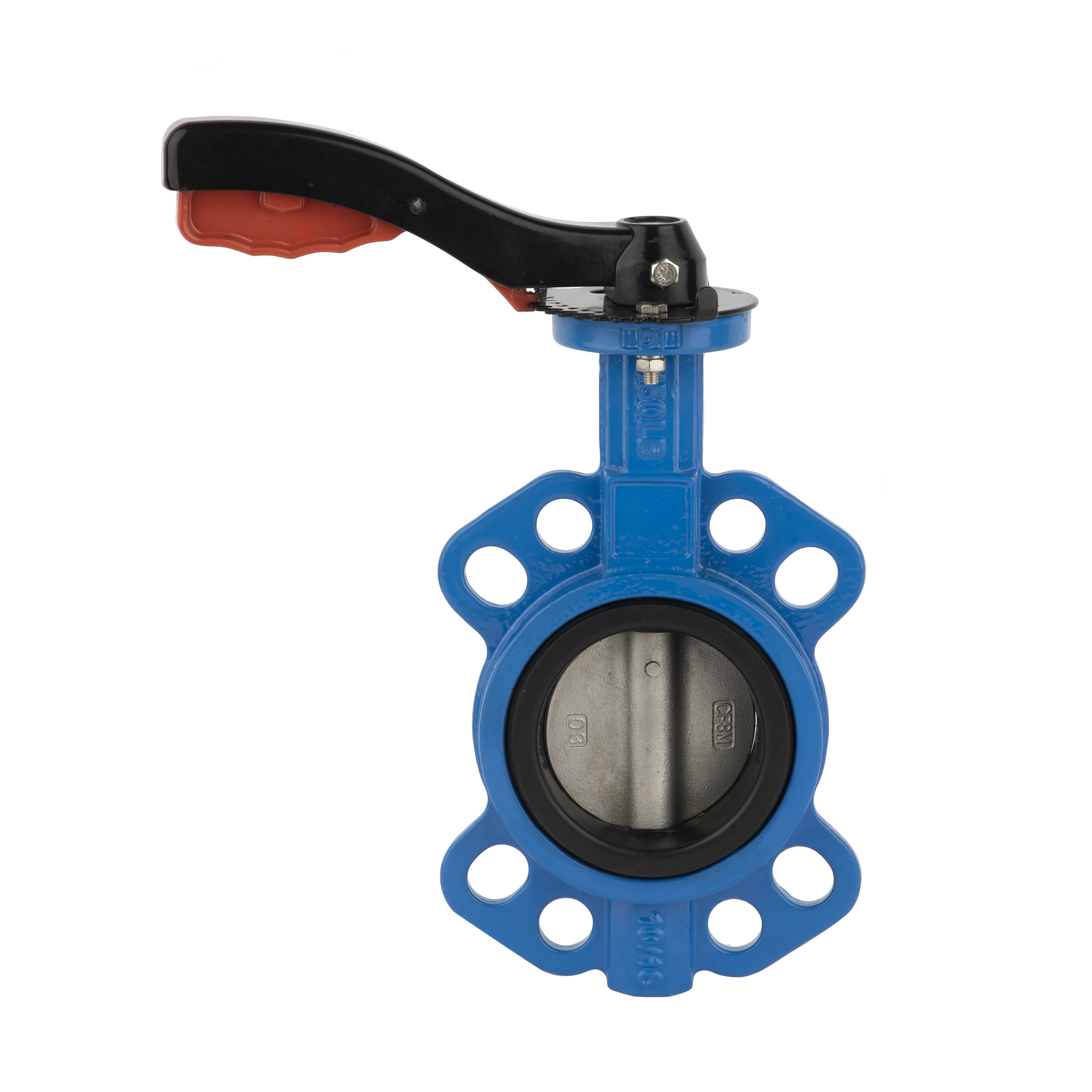
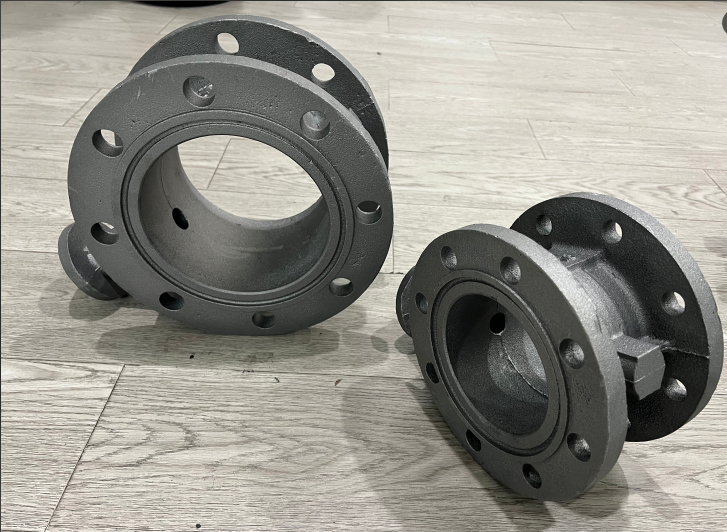
The semi-lug body combines a compact butterfly-valve arrangement with lug-style mounting features. Its tapped holes can support installation with the appropriate bolting arrangement, while the body design may help with maintenance planning where pipeline access is restricted.
Installation interface: Match the valve body and bolting arrangement to the pipeline flange configuration.
Maintenance planning: Consider downstream removal requirements, pipeline support, and the access needed to withdraw the valve.
Operating clearance: Allow sufficient space for the hydraulic actuator and any connected hydraulic lines or control components.
The actual removal procedure depends on the valve design, piping arrangement, and bolting configuration. Semi-lug construction alone does not establish that a valve can be removed safely from every installed pipeline without additional support or isolation.
Zhejiang Zhongguan Valve Manufacture Co., Ltd. has more than 19 years of experience in the valve industry, with production bases in Tianjin and Wenzhou. The company established its Tianjin base in 2016 and founded its Zhejiang company in 2019, combining butterfly valve production with supply-chain resources for cast iron and cast steel valves.
The Wenzhou facility specializes in butterfly valves, including wafer, lug, U-section, and flanged designs, with a general production diameter range of DN40–DN1600. Production equipment includes valve pressure-testing machines, seat-installation tools, shaft-sleeve installation equipment, and marking machines. Pressure testing and production-stage inspections support manufacturing quality control.
Zhongguan holds relevant ISO certificates for its valves and can provide butterfly valves fitted with WRAS-certified seats where applicable. Its broader valve portfolio includes ball, gate, check, foot, strainer, and control valves, serving projects in Southeast Asia and other international markets. Review our certificates for more detail.
When specifying the Eccentric Butterfly Valve with Hydraulic Actuator, the following details help align the valve configuration with the pipeline duty:
Identify the process fluid and select a compatible seat material within the applicable temperature range.
Match the specified operating pressure and PN10 or PN16 flange arrangement to the system requirements.
Define the required operating torque, response, control method, and available hydraulic supply.
Specify the required leakage class and applicable acceptance test.
Assess bolting access, actuator clearance, pipeline support, and the intended removal procedure.
These criteria connect the valve's construction to its actual service conditions rather than relying on nominal material descriptions alone.
Zhongguan combines a WCB carbon steel body, CF8 stainless steel disc, double-offset design, resilient seat options, and hydraulic actuation in a configuration intended for compatible industrial pipeline duties. With valve pressure-testing equipment, butterfly-valve production experience, and access to additional valve supply-chain resources, Zhongguan supports specification-based evaluation for water, utility, and process applications. The Eccentric Butterfly Valve with Hydraulic Actuator is best assessed by matching the seat, pressure class, flange connection, and actuator requirements to the intended operating conditions. Related options in the same butterfly valve family include the Marine Semi Lug Type Butterfly Valve and the Lug type Butterfly Valve.
The required supply pressure, flow rate, and fluid specification depend on the actuator size and valve torque. These values should be confirmed against the actuator datasheet and the hydraulic power unit before commissioning; using an incorrect fluid or pressure can affect response speed and seal life.
Manual operation depends on whether the actuator is supplied with a manual override or emergency hand pump. This option should be specified at the ordering stage; without it, the valve position should be confirmed and the hydraulic system restored before operation resumes.
The open and closed stroke limits should be set according to the valve's 90-degree travel and the actuator adjustment procedure. Over-travel can press the disc too firmly into the soft seat and damage the sealing edge, so limits should be checked during commissioning.
Check whether the actuator reaches the closed limit, whether the line pressure and flow direction match the design, and whether debris is trapped at the seat. The soft seat and disc contact area should be inspected before adjusting the actuator or replacing the seat.
The stated −20°C to +180°C range depends on the selected seat material. EPDM, NBR, and PTFE have different temperature and chemical limits, so the seat should be selected for the actual medium temperature rather than the general range alone.
Confirm the flange standard, bolt hole pattern, bolt grade, and required torque. The semi-lug tapped holes and through-bolts should match the mating flange, and bolt tightening should follow a cross pattern to avoid uneven gasket compression.
Ready to specify an eccentric butterfly valve with hydraulic actuator for your pipeline? Share your medium, DN size, and pressure class.
SEND INQUIRYAddress
No. 838, Oubei Avenue, Yongjia County, Wenzhou City, Zhejiang Province, China
Tel