Language

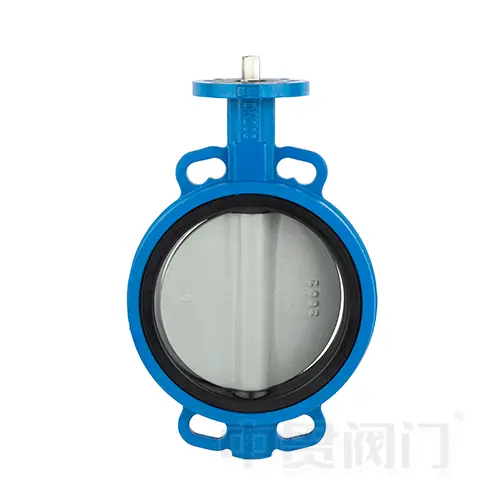
Zhongguan Concentric Butterfly Valve procurement supports water treatment, sewage, seawater, HVAC circulation, and industrial pipeline applications where compact structure, suitable sealing materials, and stable shut-off performance are required. Zhejiang Zhongguan Valve Manufacture Co., Ltd. has focused on valve manufacturing for more than 20 years, with production bases located in Tianjin and Wenzhou, Zhejiang. The company combines butterfly valve production experience with regional valve supply chain resources to provide valve configurations based on different pipeline materials, media characteristics, and operating environments.
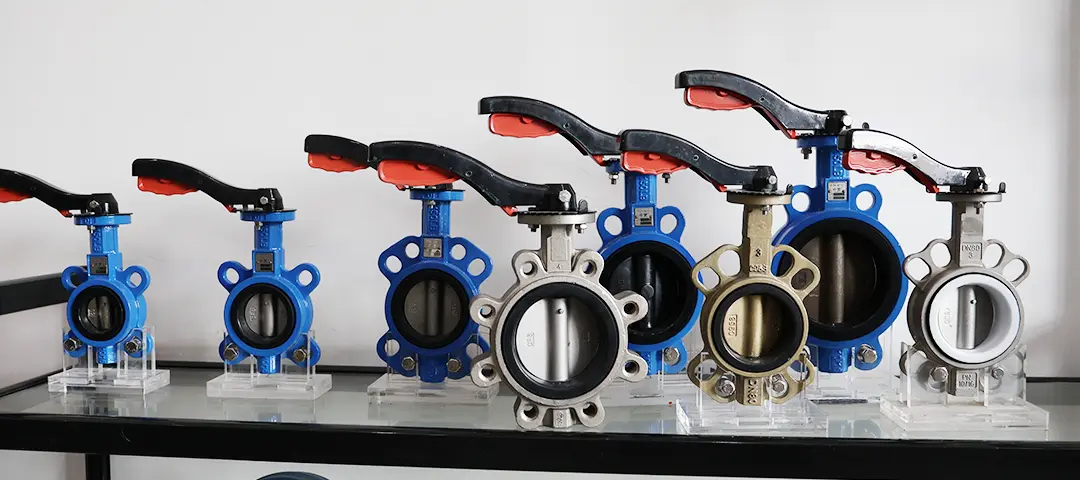
A concentric structure is commonly applied in medium-pressure systems.
Water and sewage pipelines require valves that can maintain sealing performance during long-term operation. The elastic seat structure used in the Concentric Butterfly Valve design is suitable for water-based media because the sealing material can be selected according to the chemical characteristics of the pipeline.
EPDM and HTEPDM seats are commonly selected for fresh water, sewage, and seawater applications because of their resistance to water, weather, and ozone exposure. The simplified internal structure also reduces areas where sediment and particles accumulate.
Seawater systems require attention to corrosion resistance because salt content can accelerate material deterioration. Zhongguan provides material combinations including corrosion-resistant discs and different seat materials according to seawater operating conditions.
The valve body can be protected with approximately 250μm epoxy coating, while the sealing material can be selected according to the actual medium requirements. PTFE-based materials or suitable rubber compounds can be considered when stronger chemical resistance is required.
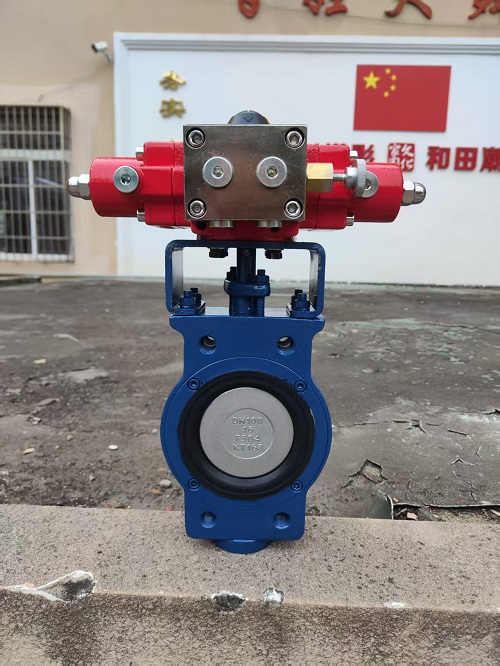
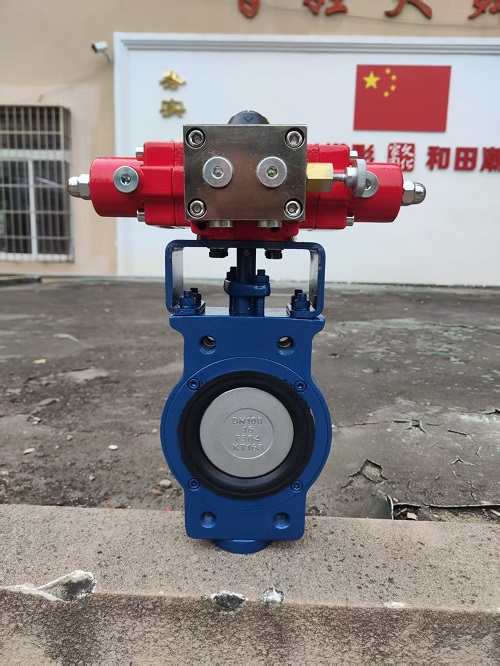
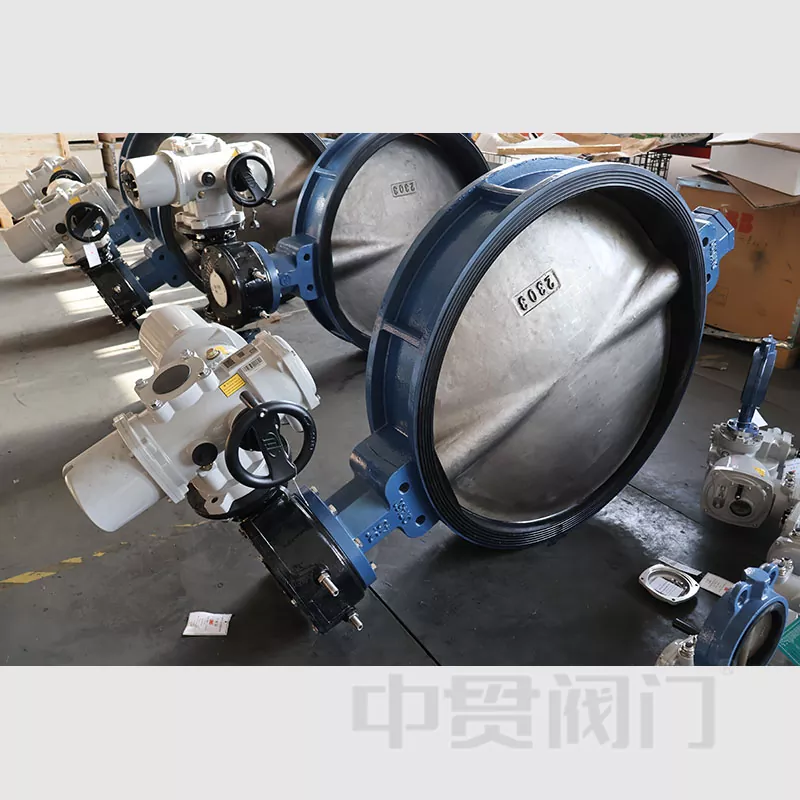
Heating, ventilation, air conditioning, and industrial cooling systems often require frequent opening and closing operations. The concentric design provides low operating torque characteristics and can be combined with different actuator configurations according to control requirements.
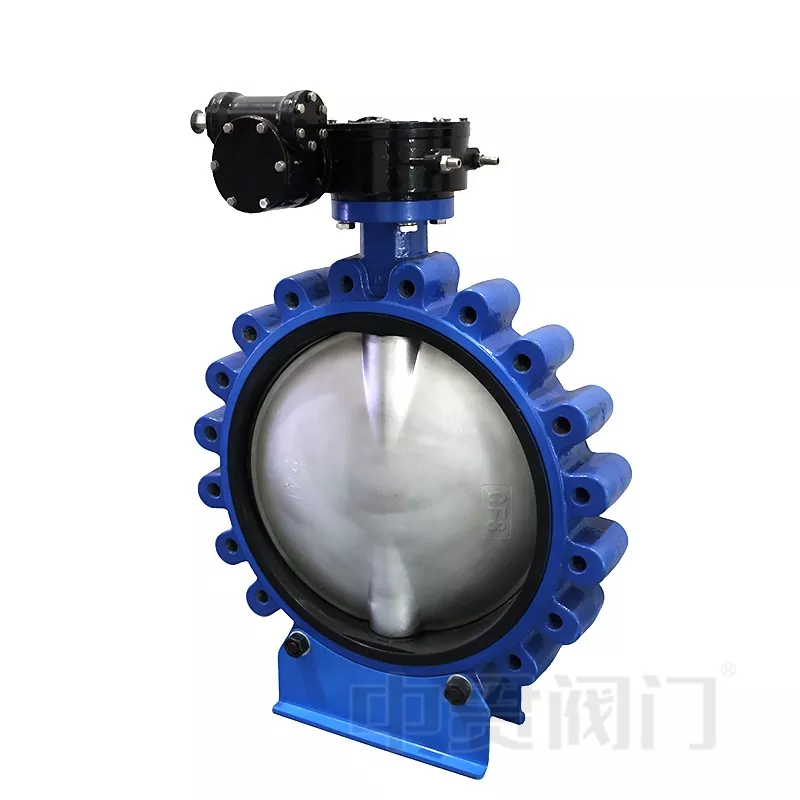
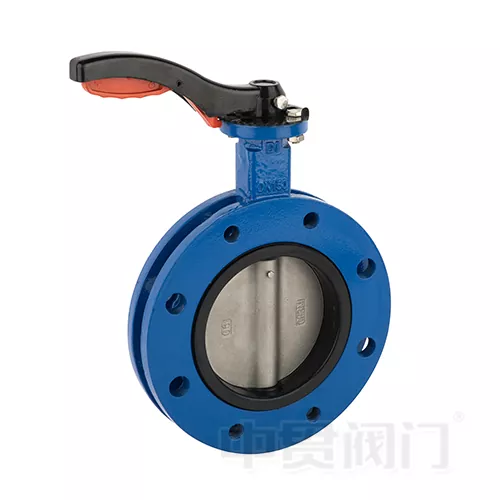
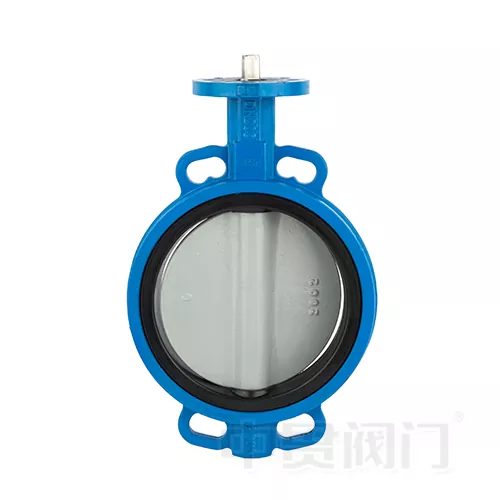
The compact structure makes it suitable for pipeline systems where installation space is limited, while the wafer and lug connection types provide flexibility for different pipeline layouts.
The concentric structure aligns the valve stem, disc center, and body centerline on the same axis. Compared with eccentric butterfly valve structures, this design provides a simpler sealing arrangement and reduces installation direction limitations.
The bidirectional sealing characteristic allows installation without strict flow direction restrictions in many pipeline applications. This reduces the possibility of installation errors caused by incorrect valve orientation, especially in large water supply and circulation systems where multiple valves are installed.
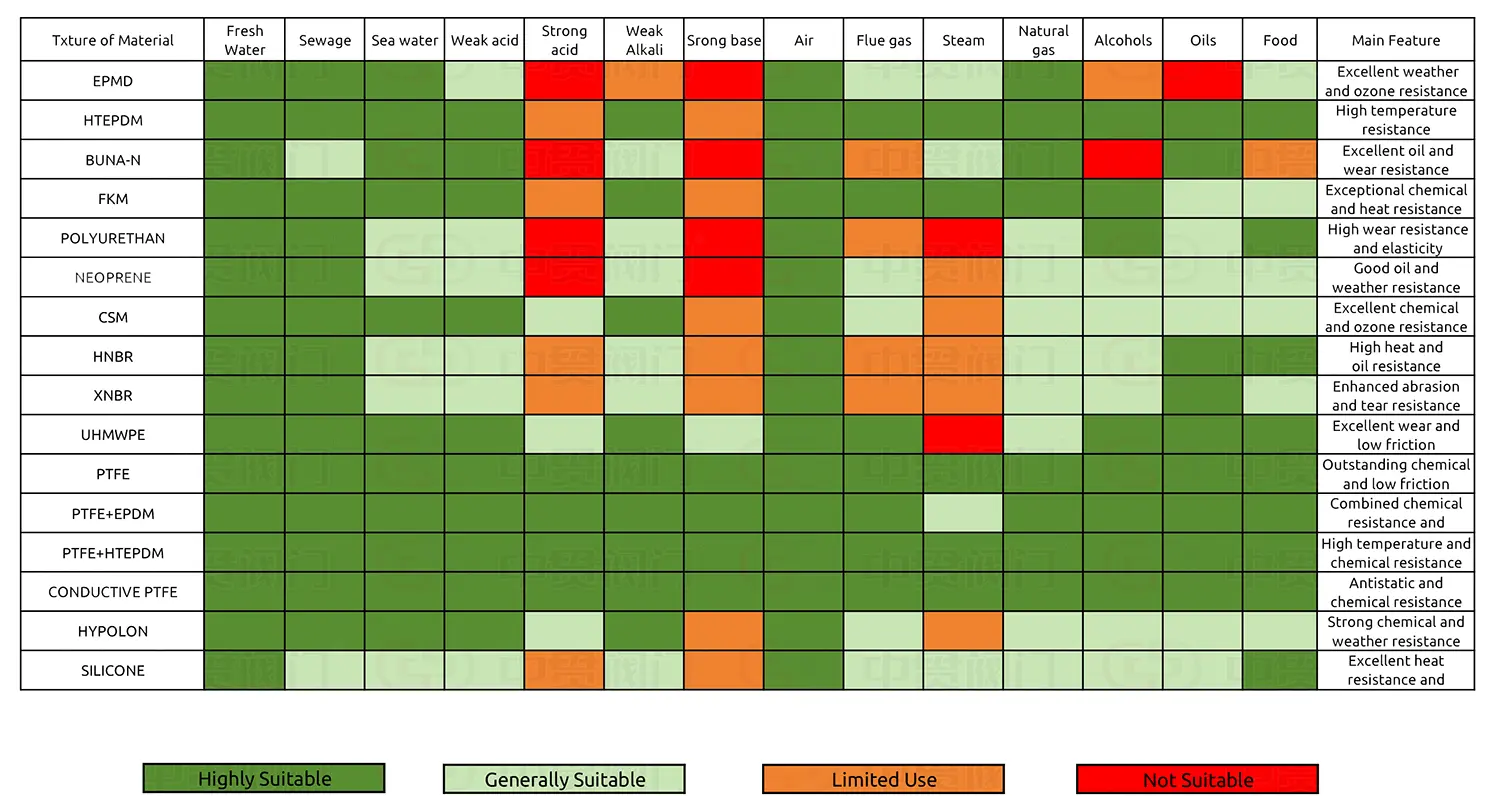
The performance range of a butterfly valve depends largely on seat material selection. Zhongguan Concentric Butterfly Valve can be configured with different sealing materials, allowing the same basic valve structure to adapt to different operating conditions.
EPDM and HTEPDM are mainly suitable for water-related applications, while NBR, HNBR, and XNBR are selected for oil-containing media. PTFE-based materials are used where stronger chemical resistance is required.
This material flexibility reduces the need for completely different valve structures when pipeline conditions change. The valve body design can remain consistent while the sealing system is adjusted according to the medium.
Compared with metal-seated eccentric butterfly valves, concentric butterfly valves generally have a simpler internal structure and lower overall weight.
This provides practical advantages in large pipeline projects because transportation, installation, and maintenance procedures become easier to manage. The elastic seat design also allows maintenance through seat replacement instead of replacing the complete valve assembly in many applications.
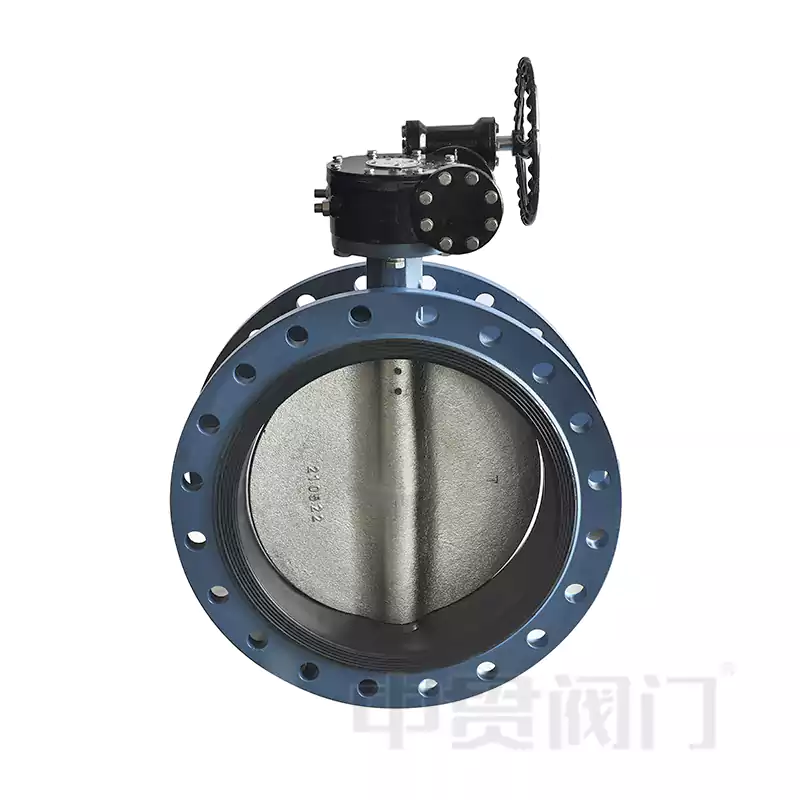
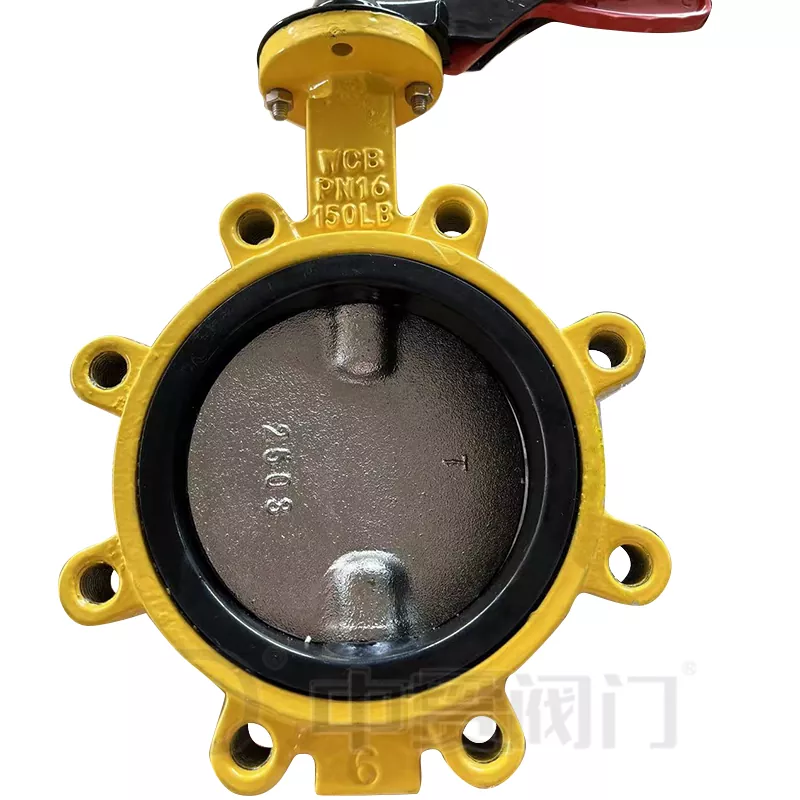
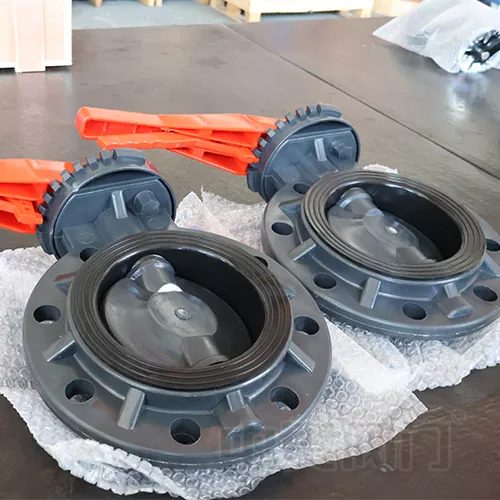
Zhongguan produces butterfly valves mainly covering DN40 to DN1600, including wafer, lug, U-section, and flange types.
Different rubber and polymer materials have different resistance characteristics against water, chemicals, oil, temperature, and special media.
| Seat Material | Suitable Media | Material Characteristics |
| EPDM | Fresh water, sewage, seawater, air, flue gas | Good water compatibility, weather resistance, and ozone resistance; unsuitable for mineral oil |
| HTEPDM | Higher-temperature water, seawater, steam conditions | Improved temperature performance compared with standard EPDM |
| NBR (BUNA-N) | Mineral oil and oil-containing media | Good oil resistance and wear resistance |
| HNBR / XNBR | Industrial oil and wear-related applications | Improved resistance compared with conventional NBR |
| FKM | Chemical media and higher-temperature conditions | Strong chemical and temperature resistance |
| PTFE | Strong acid, strong alkali, corrosive chemical media | Excellent chemical stability and low friction |
| PTFE + EPDM | Water and chemical combination applications | Combines PTFE chemical resistance with rubber elasticity |
| PTFE + HTEPDM | Higher-temperature chemical applications | Suitable for complex chemical environments |
| Conductive PTFE | Anti-static chemical pipelines | Maintains PTFE resistance with conductive properties |
| Silicone | Food and clean high-temperature applications | Heat resistance and clean media compatibility |
For water supply, sewage treatment, and seawater systems, EPDM and HTEPDM are commonly selected because these materials perform well in water-based environments. However, they are not suitable for mineral oil contact.
For oil-related pipelines, NBR, HNBR, XNBR, or FKM materials are more suitable because they provide better resistance against oil swelling and sealing deterioration.
For chemical pipelines containing aggressive media, PTFE and PTFE composite materials provide wider chemical compatibility. Conductive PTFE can also be considered when anti-static requirements exist.
For food processing or clean high-temperature applications, silicone and other suitable food-compatible sealing materials can be selected according to the operating conditions.
Different butterfly valve designs are selected according to operating conditions. The concentric structure is commonly applied in water, utility, and general industrial pipelines, while eccentric structures are often considered for higher-temperature, higher-pressure, or metal-sealing applications.
| Comparison Item | Concentric Butterfly Valve | Double Eccentric Butterfly Valve | Triple Eccentric Butterfly Valve |
| Sealing Design | Elastic seat sealing with centered disc structure | Offset disc and shaft design | Multi-offset structure with metal sealing |
| Installation Requirement | Bidirectional sealing capability | Many designs require flow direction attention | Usually requires correct installation direction |
| Seat Options | EPDM, NBR, FKM, PTFE series, Silicone and other materials | Soft or metal seat depending on design | Mainly metal seat solutions |
| Structural Weight | Lightweight structure | Medium weight | Higher weight due to complex structure |
| Maintenance | Simple seat replacement structure | More complex sealing system | Higher maintenance complexity |
| Typical Applications | Water, sewage, seawater, HVAC, weak chemical media | Medium-temperature industrial applications | High-temperature and high-pressure applications |
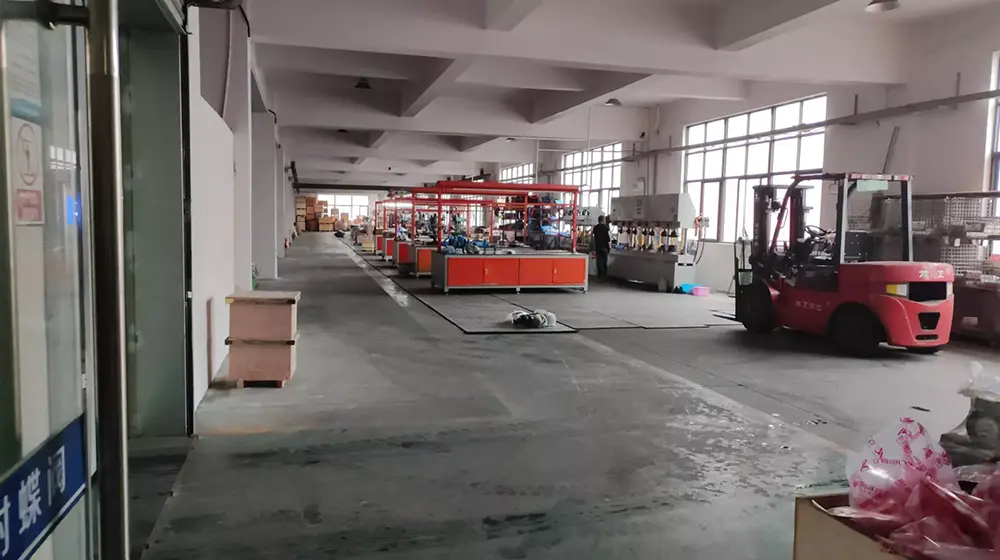
Zhejiang Zhongguan Valve Manufacture Co., Ltd. is located in Oubei, Yongjia, Wenzhou, Zhejiang, an area known for pump and valve manufacturing. The company has more than 20 years of valve industry experience and operates production resources in both Tianjin and Wenzhou.
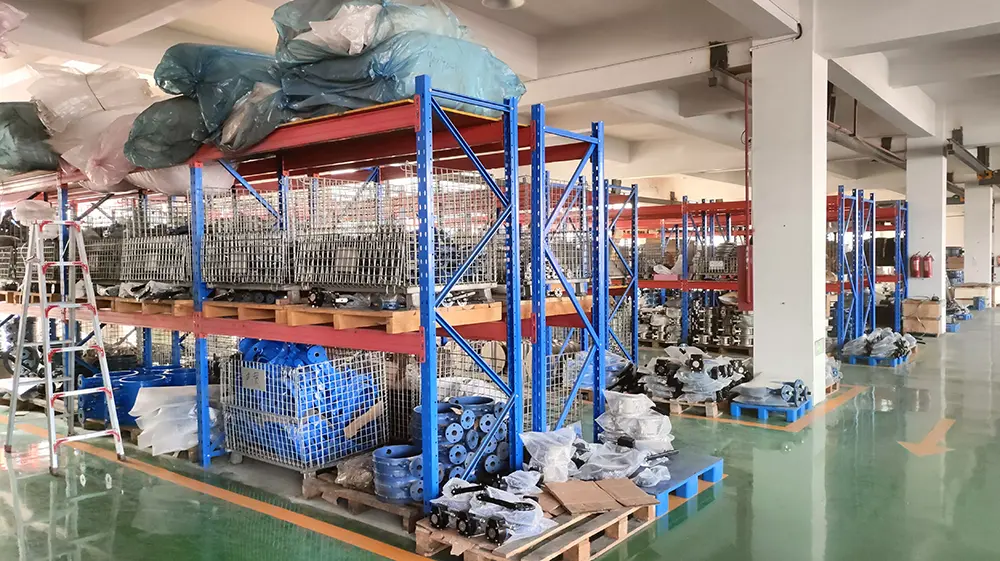
The production system covers butterfly valve manufacturing, assembly, pressure testing, valve seat installation, shaft sleeve installation, and product marking. The main butterfly valve production range includes DN40 to DN1600, covering wafer, lug, U-section, and flange designs.
Zhongguan has required ISO certificates for produced valves and can provide WRAS-certified valve seats when required.
Before installation, the pipeline and valve sealing surfaces should be cleaned to remove dust, sand, and other particles that may affect sealing performance. The flange alignment should be checked carefully because uneven installation stress may influence valve operation.
During installation, the actuator connection should be confirmed to ensure smooth opening and closing movement. The actuator torque should match the valve operating requirement to avoid excessive force or insufficient operation.
During transportation, lifting equipment should be attached around the valve body instead of the actuator or valve stem to protect transmission components.
Regular inspection should include checking valve operation, actuator condition, and lubrication requirements according to the installation environment. Additional protection may be required for actuators installed in outdoor or harsh conditions.
The applicable media depend on the selected seat material. EPDM is commonly used for water and sewage systems, NBR-based materials are suitable for oil-related media, and PTFE materials are used for stronger chemical environments.
The selection should consider medium type, temperature, chemical concentration, and operating frequency. Zhongguan selects suitable sealing materials according to actual pipeline conditions.
Yes. With suitable corrosion-resistant materials, including appropriate seat selection and internal component materials, it can be applied in seawater-related pipelines.
Zhongguan butterfly valves mainly cover PN10-PN16 pressure ratings, which are commonly used in water, utility, and industrial pipeline systems.
Zhongguan Concentric Butterfly Valve combines a compact structure with multiple sealing material options, allowing the valve configuration to match different pipeline media and operating conditions. Through long-term valve manufacturing experience, material selection control, and production inspection processes, Zhongguan provides valve configurations for water treatment, marine systems, HVAC circulation, and industrial pipeline applications.
Address
No. 838, Oubei Avenue, Yongjia County, Wenzhou City, Zhejiang Province, China
Tel