Language

Let's talk about valves. You might not think about them much, but they are all around us. When you turn on the water at your sink, a valve is working. When you flush your toilet, a valve is controlling the water. They are all called valves, but they can be very different depending on where they are used.
First, let's look at home valves. These are the valves you see every day. They need to look nice and work quietly. Your kitchen faucet and the small valves behind your washing machine are good examples. Their job is simple: to turn water on and off, or to mix hot and cold water. They only handle clean water that isn't under too much pressure. The main thing is that they shouldn't leak or make noise. They are usually made from materials like stainless steel or strong plastic so they don't rust. They aren't very expensive, and if one breaks, it's easy to replace.
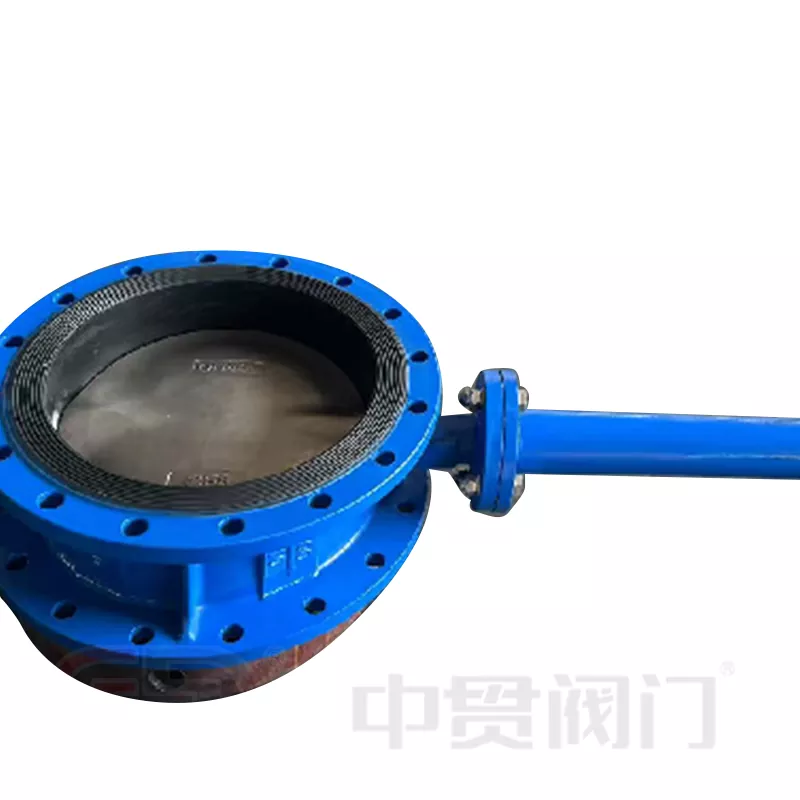
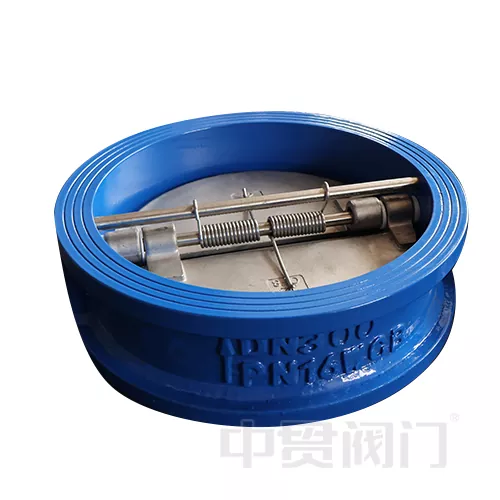
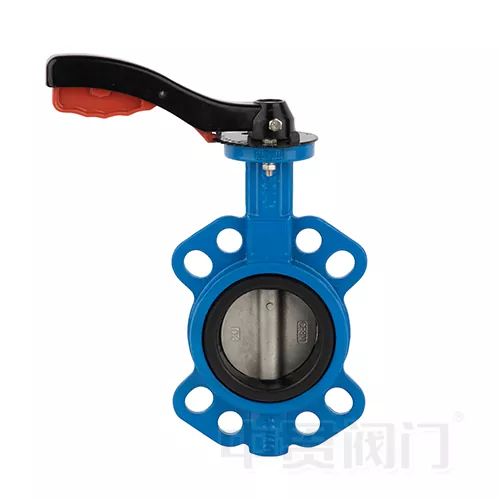
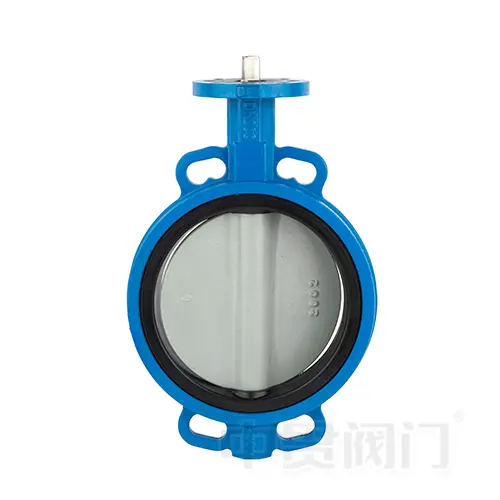
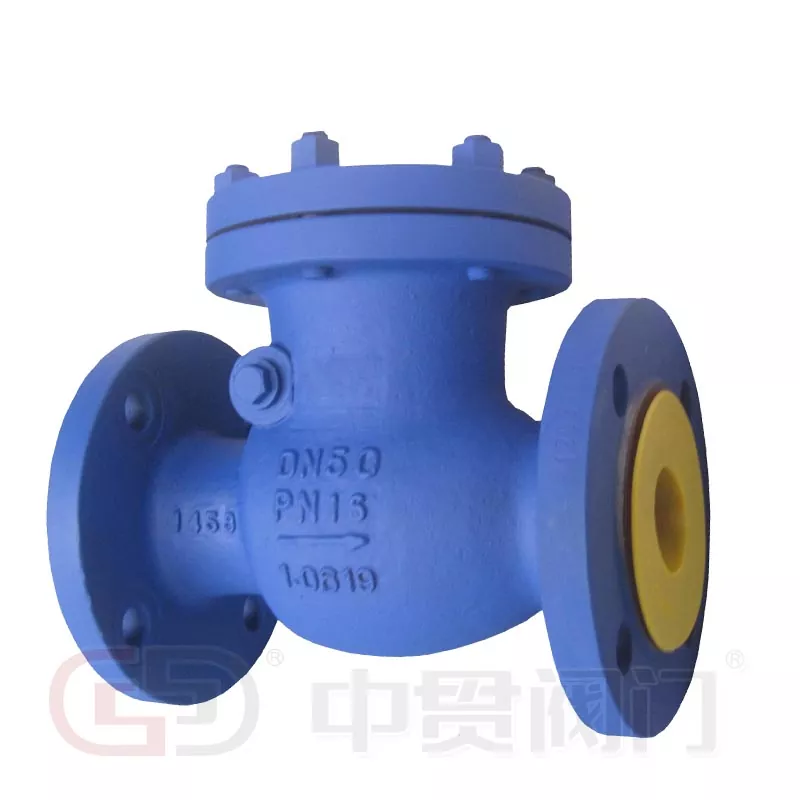
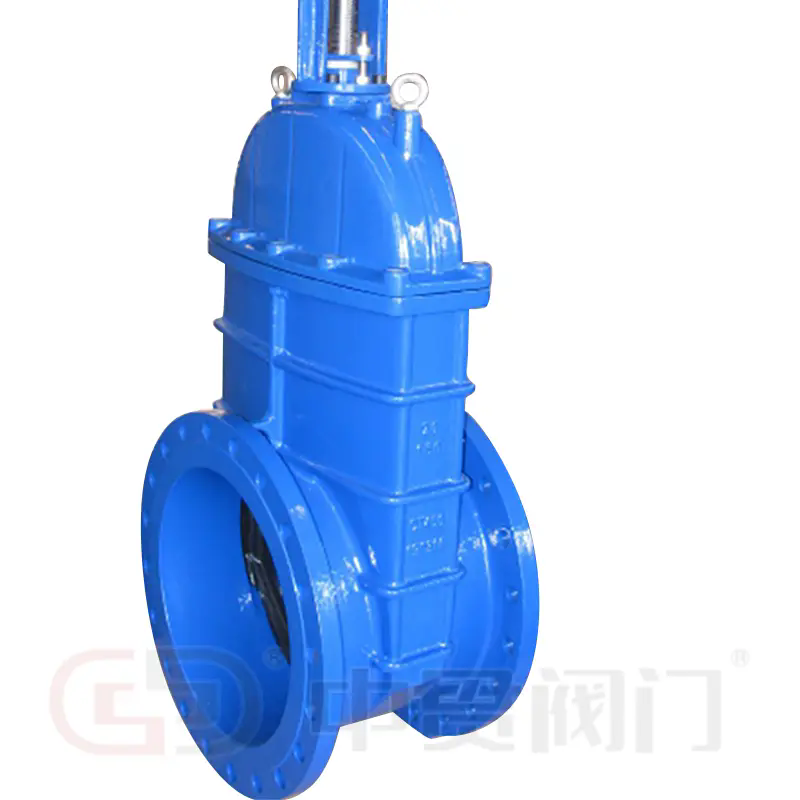
Now, let's think about city valves. These are much bigger and are hidden underground inside special pits. They are the strong, silent types that help manage water and gas for the whole city. For example, if a big water pipe breaks, workers need to close a large valve to stop the water so they can fix it. These valves are built to be very strong and reliable. They might stay in the same place for many years without being used, but when they are needed, they have to work perfectly. Because they sit in wet ground, they are made from heavy-duty iron with special coatings to prevent rust. They cost a lot more than the valves in your home.
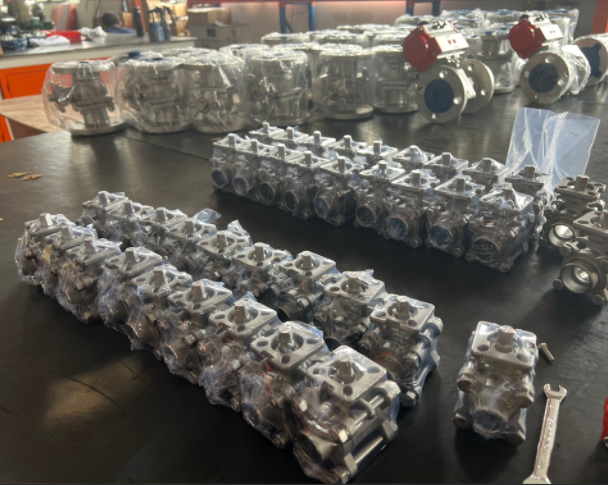
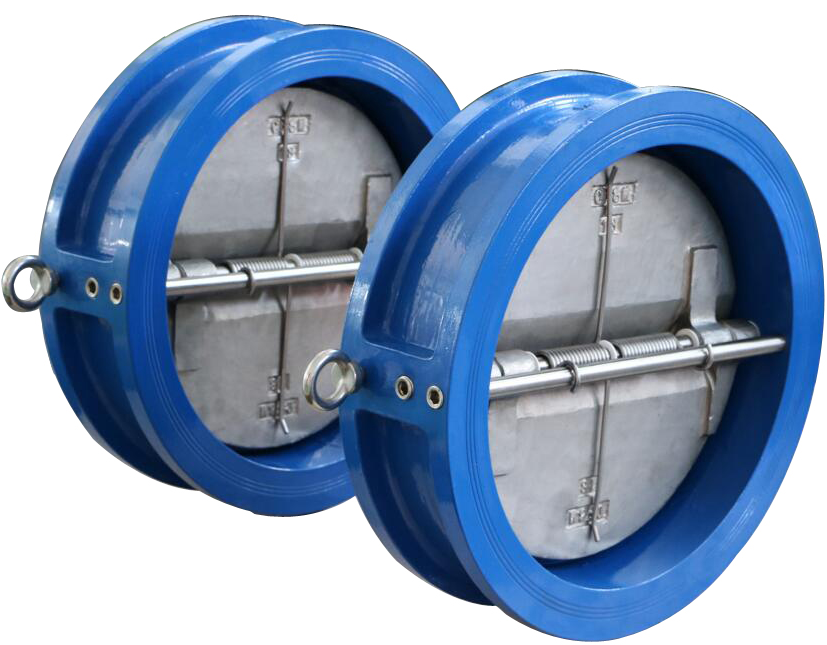
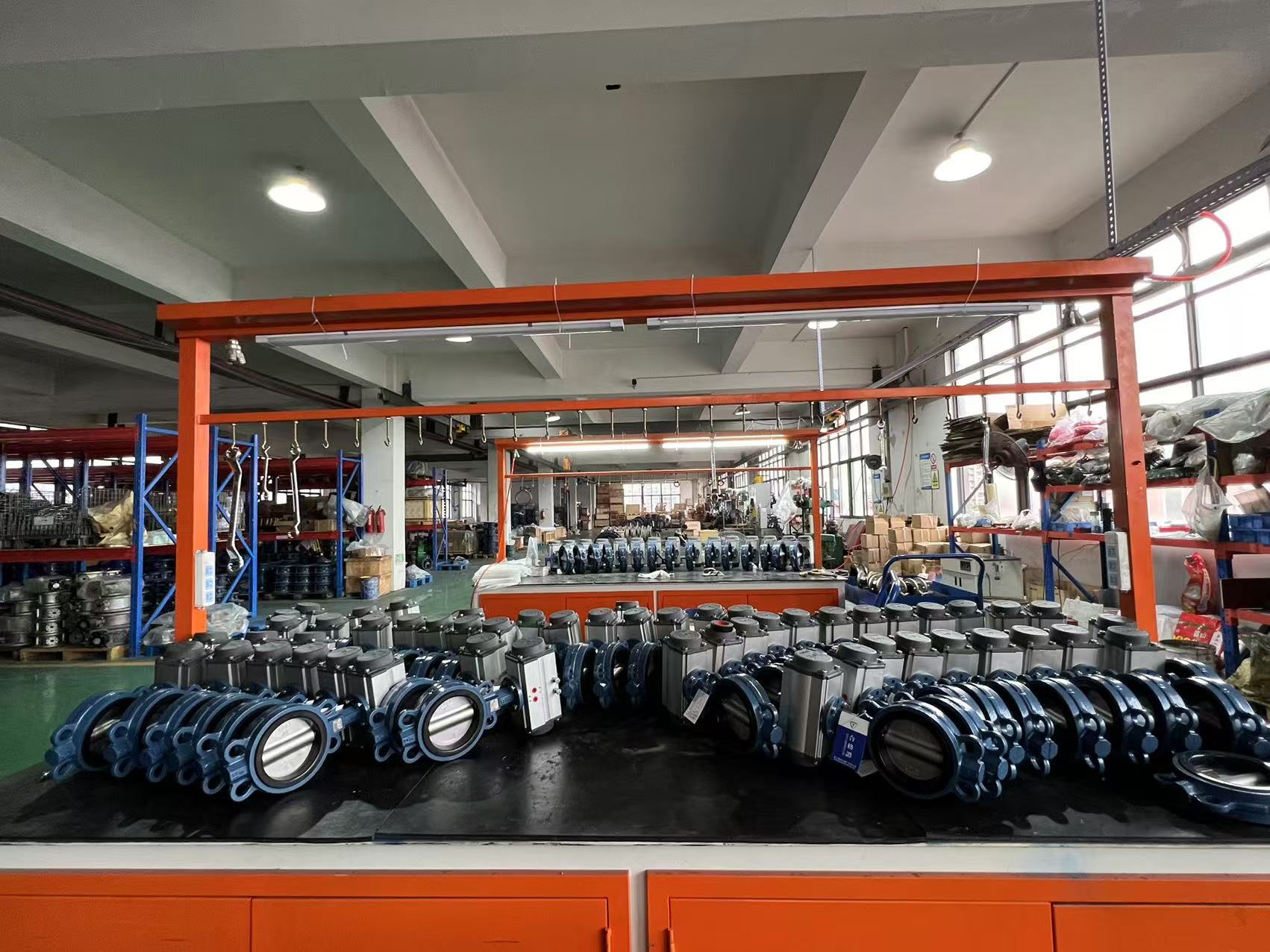
Finally, there are factory valves. These are the tough ones. They work in hard places like chemical plants and power stations. They deal with things like very hot steam, extreme cold, or dangerous chemicals. They come in many strange shapes and sizes. Unlike home valves, there is no single valve that can do every job. Some are for turning flows on and off quickly, others are for controlling the flow very precisely. They are made from special metals and materials to handle these tough conditions. Because of this, they can be very, very expensive.
So, as you can see, valves in your home, under your city, and inside factories are all different. They go from simple and handy, to strong and reliable, to tough and specialized. The next time you turn on your tap, you'll know a little more about the simple valve that makes it work.