Language

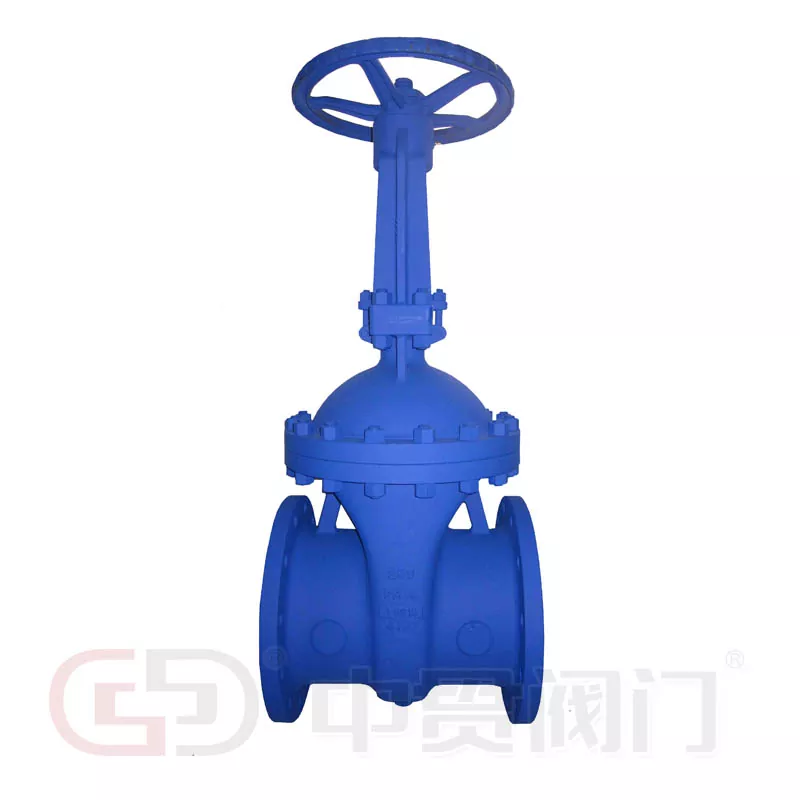
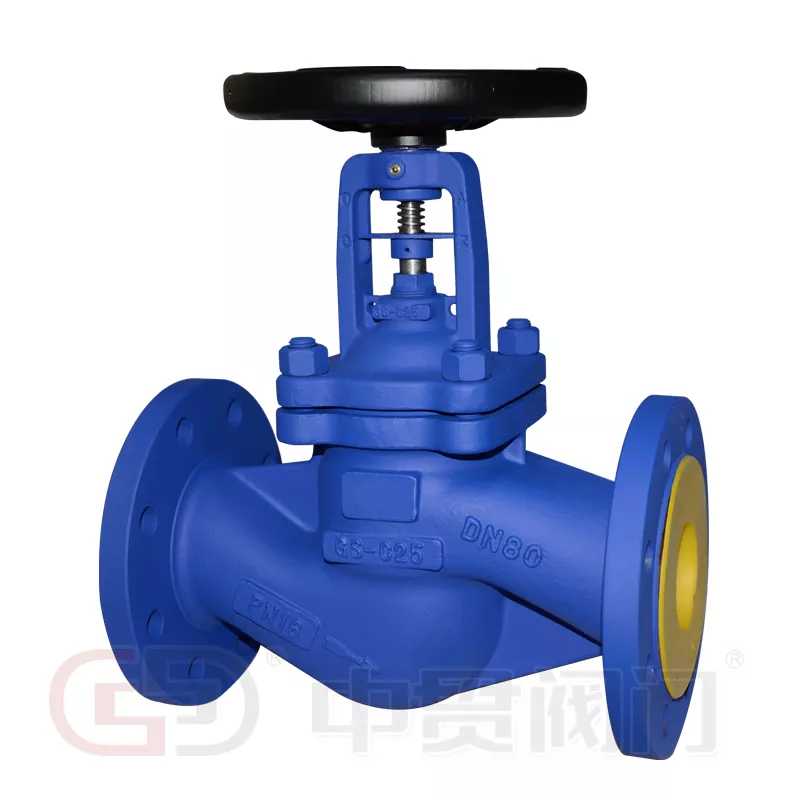
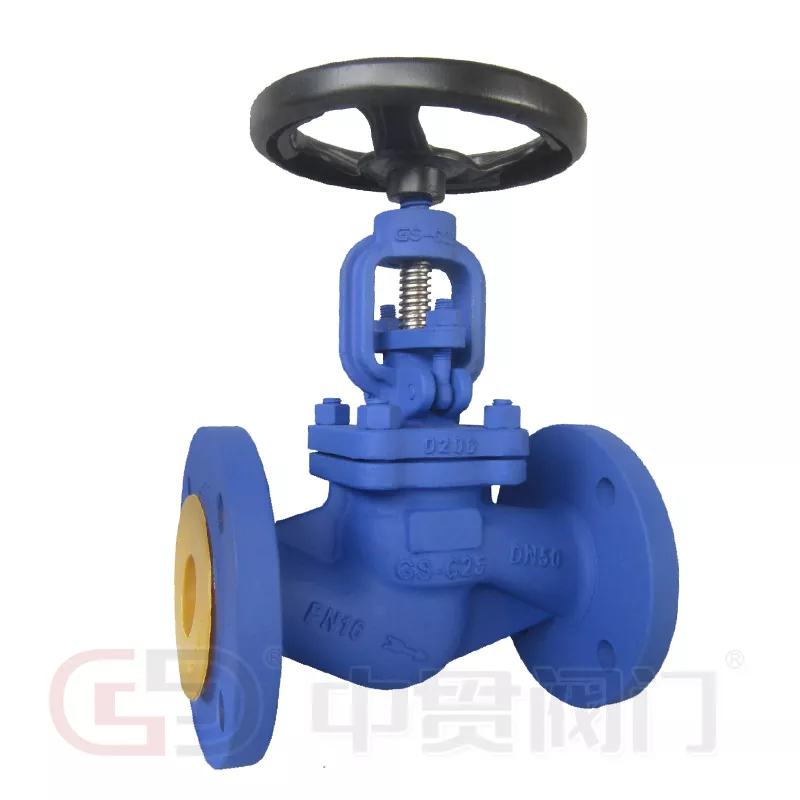
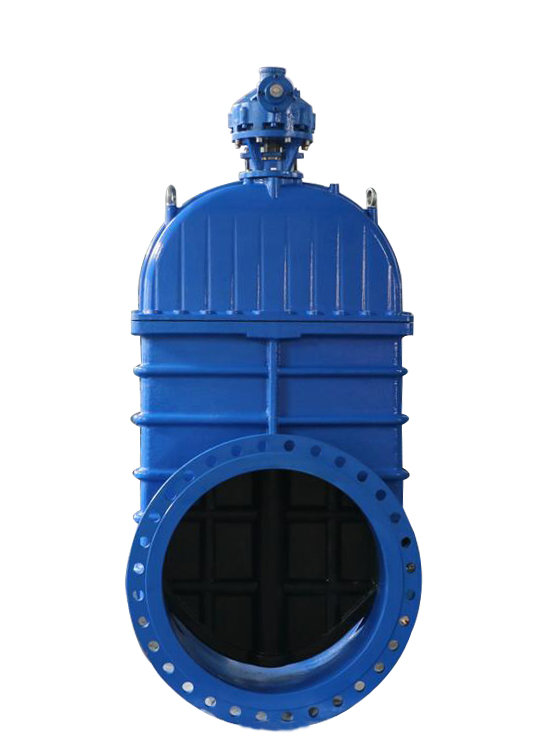
Available in a full range of materials including cast iron, cast steel, stainless steel, and alloy steel, our DIN gate valves feature flexible body-bonnet connections (flanged seal, pressure self-seal, or threaded seal) and both rising stem (OS&Y) and non-rising stem configurations. Whether you need rigid wedge or flexible wedge designs, Zhongguan Valves provides customized solutions to meet your specific project requirements.
With over 100,000 units monthly production capacity, ISO-certified quality control, and fast lead times (5–12 days for standard models), Zhongguan Valves is your trusted partner for reliable, long-lasting, and cost-effective DIN gate valves. Send inquiry now to get the best factory-direct price.
| Parameter | Details |
|---|---|
| Standard | DIN 3352, DIN 3202, DIN 2501, EN 1983, EN12266-1 |
| Size Range | DN50 – DN600 (larger sizes available upon request) |
| Pressure Rating | PN6, PN10, PN16, PN25, PN40 |
| Body Materials | Cast Iron, Cast Steel (WCB), Stainless Steel (CF8, CF8M, CF3M), Alloy Steel |
| Stem Type | Rising Stem (OS&Y) or Non-Rising Stem |
| Wedge Type | Rigid Wedge or Flexible Wedge |
| End Connection | Flanged (DIN 2501), Threaded, or Butt Weld |
| Temperature Range | -40°C to +450°C |
| Leakage Rate | ≤0.01% (tested) |
Zhongguan Valves delivers high-performance DIN Standard Gate Valves designed for demanding industrial applications across Europe, the Middle East, Asia, and beyond.
Why global buyers choose Zhongguan: German standard quality at competitive factory-direct prices, backed by fast delivery and responsive technical support.
Our DIN gate valves are engineered with advanced features that ensure reliable performance, low maintenance, and extended service life.
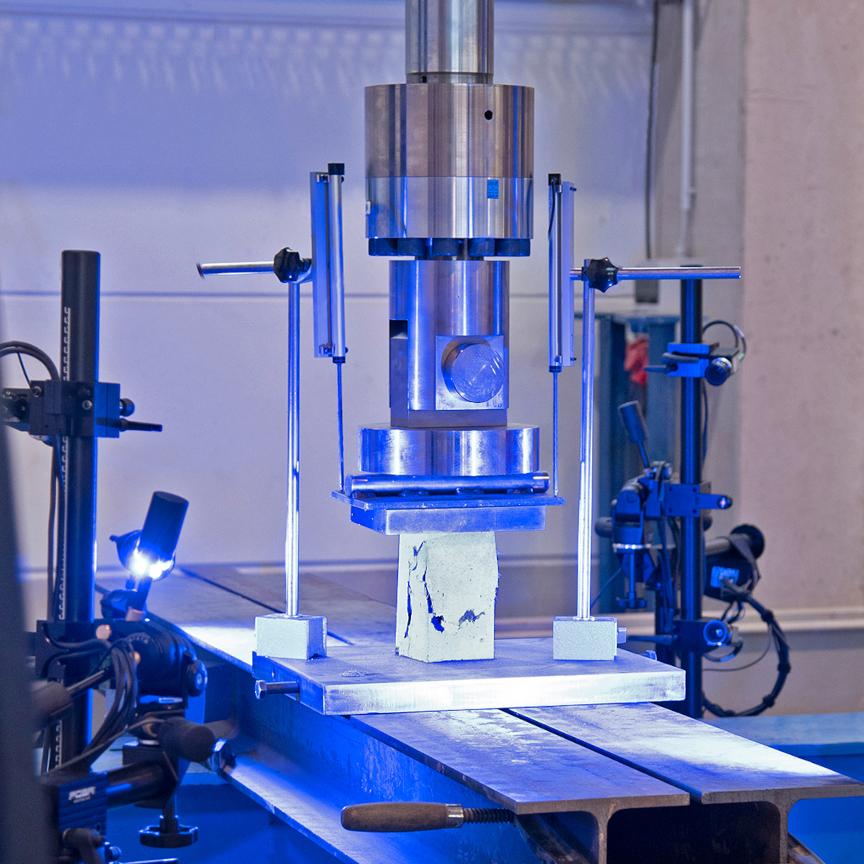
Certified performance: Each valve is hydrostatically tested and nitrogen leak tested before leaving our factory.
Zhongguan Valves operates a rigorous quality management system. Every batch of DIN gate valves undergoes comprehensive testing to ensure full compliance with international standards.
Track record: Third-party sampling inspections over the past five years have maintained a 100% pass rate, demonstrating our manufacturing consistency and quality commitment.
Below is the complete technical data sheet for our DIN Standard Gate Valve series. Engineers and procurement teams can use this table for project specification and cross-referencing.
| Specification | Details |
|---|---|
| Design Standard | DIN 3352, DIN 3202, EN 1983 |
| Face-to-Face Dimension | DIN 3202 (Series F4/F5/F7/F8) |
| Flange Standard | DIN 2501 PN6/PN10/PN16/PN25/PN40 |
| Test Standard | EN12266-1 |
| Size Range | DN50, DN65, DN80, DN100, DN125, DN150, DN200, DN250, DN300, DN350, DN400, DN450, DN500, DN600 |
| Nominal Pressure | PN6, PN10, PN16, PN25, PN40 |
| Body Material | Cast Iron (GG25), Ductile Iron (GGG40), Cast Steel (WCB), Stainless Steel (CF8/CF8M/CF3M), Alloy Steel (WC6/WC9) |
| Wedge Material | Same as body or with Stellite overlay |
| Stem Material | 2Cr13, SS304, SS316, Monel |
| Seat Ring Material | F304, F316, 410, Stellite 6, Bronze |
| Gasket Material | Graphite, PTFE, Spiral Wound |
| Bonnet Connection | Bolted Flanged, Pressure Self-Seal, Threaded |
| Stem Type | Rising Stem (OS&Y) / Non-Rising Stem |
| Wedge Type | Rigid Wedge / Flexible Wedge |
| Operation | Handwheel, Gear Operator, Electric Actuator, Pneumatic Actuator |
| Temperature Range | -40°C to +450°C |
| Leakage Rate (Seal Test) | ≤0.01% of rated capacity |
| Minimum Service Life | 5–10 years under normal operating conditions |
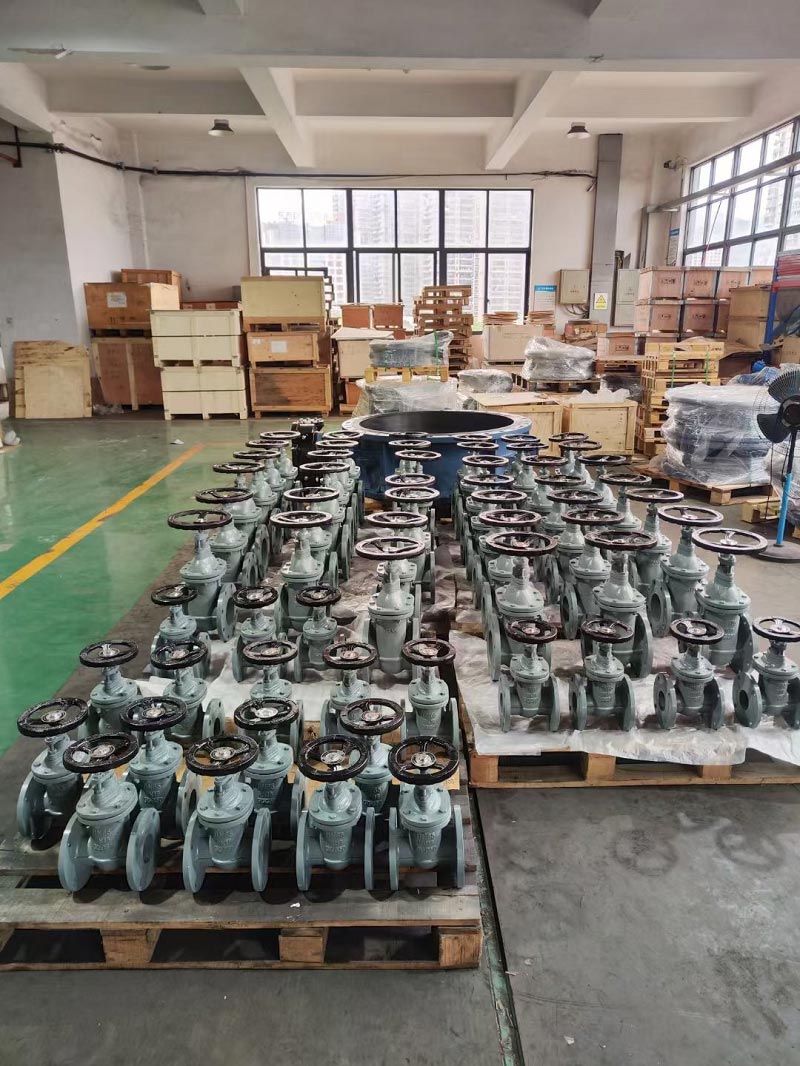
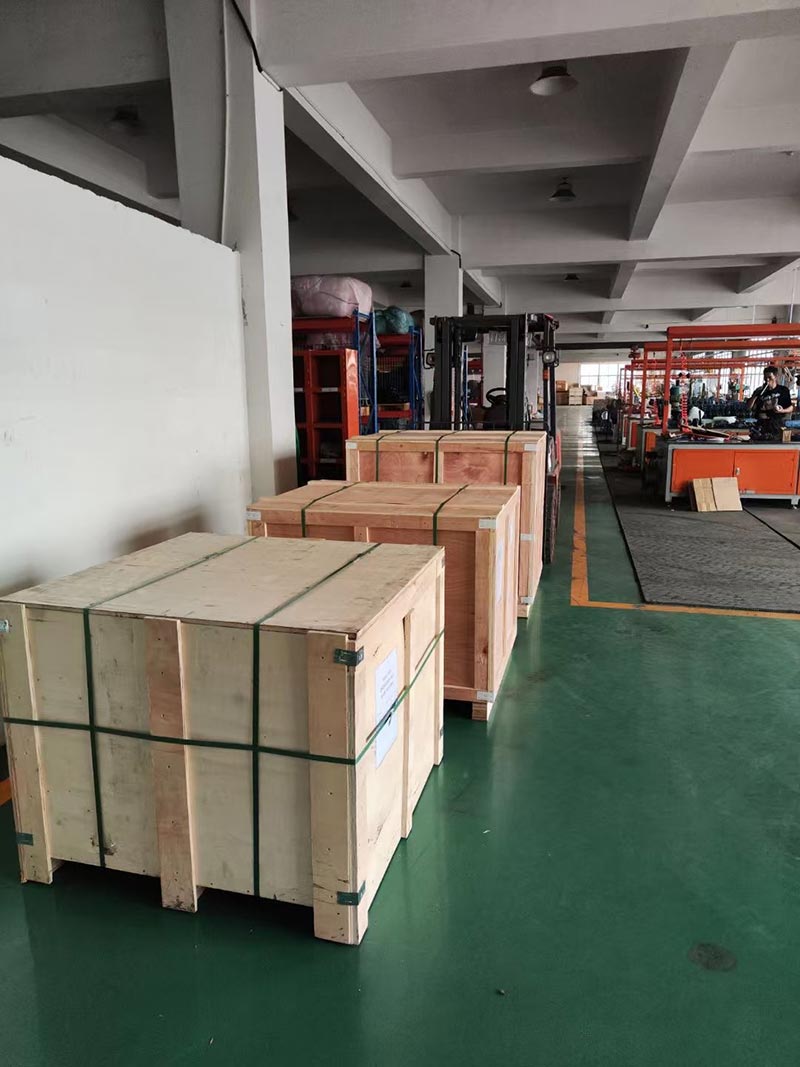
Zhongguan Valves operates two major production bases in Tianjin and Wenzhou, equipped with advanced CNC machining centers, automated assembly lines, and precision testing equipment.
Flexible payment terms: T/T, L/C, or Western Union accepted. Long-term supply agreements available for OEM/ODM partners.
Not all pipelines are the same. That's why Zhongguan Valves offers extensive customization options for our DIN gate valves.
OEM/ODM welcome: We can produce valves with your brand name, custom tags, and special packaging.
Zhongguan Valves' DIN Standard Gate Valves have been successfully deployed in thousands of projects across five continents.
Case studies available: Contact us for project references in your industry.
Across Europe, the Middle East, Southeast Asia, and Africa, engineers and procurement teams consistently specify DIN Standard Gate Valves for critical infrastructure projects. Here's why:
Zhongguan advantage: We provide genuine DIN-compliant gate valves at competitive prices, backed by full documentation (material certificates, test reports, and origin declarations).
1. For which working conditions are DIN standard gate valves applicable? Why do engineering projects all require DIN?
The DIN standard gate valves are mainly used for:
Municipal water supply and pipeline systems
Building fire protection systems
Industrial circulating water
Hot and cold water systems
Some steam and light chemical media
The reason why many European and Middle Eastern projects specify the DIN standard is as follows:
The flange dimensions are uniform and easy to install.
The sealing requirements are strict.
The product has a longer lifespan.
The maintenance cost is low.
The DIN gate valves we provide to customers have undergone strict pressure tests and are reliable for long-term operation. This is why many projects are willing to purchase them repeatedly.
2. What is the maximum range of your DN? And how long is the delivery time?
We routinely produce DIN standard gate valves ranging from DN50 to DN600. Among them, the sizes of DN80 to DN300 have the largest inventory.
For larger diameters, we can customize according to orders.
Regarding the delivery time:
For regular models, it takes 5 to 12 days.
For special materials or sizes, it takes 15 to 28 days.
We have production bases in both Tianjin and Wenzhou, which enables us to flexibly adjust production capacity and ensure the delivery time of projects.
3. Will the gate valve leak? How do you ensure a reliable seal?
The most crucial aspect of a gate valve is its sealing performance. Therefore, we have very strict requirements for the sealing part.
Each valve undergoes 100% shell and seal tests before leaving the factory.
The sealing material can be replaced according to the medium (EPDM, NBR or heat-resistant material)
The valve plate guide rails have been precisely machined, making the opening and closing process smoother and preventing any jamming.
The valve stem is made of stainless steel, which is corrosion-resistant and does not tend to bend.
There are numerous cases where customers have reported zero leakage after using the product for a long period of 2 to 5 years.
4. How do you ensure the lifespan of the gate valve?
The lifespan is not only determined by the material, but also by the craftsmanship. We mainly ensure the lifespan through the following aspects:
The valve body has sufficient wall thickness and excellent pressure resistance.
The valve stem is made of corrosion-resistant stainless steel.
The valve plate is evenly coated with rubber, ensuring the longevity of the seal.
The inner cavity coating thickness meets the standard and has higher corrosion resistance.
Precision processing equipment maintains structural stability.
Therefore, our DIN gate valves have consistently performed well in municipal pipelines and building systems over an extended period of time.
Ready to order DIN Standard Gate Valves from a trusted manufacturer? Contact Zhongguan Valves for a competitive quote, technical datasheet, or free sample evaluation.
Email: sales@zhongguanvalves.com (or use the inquiry form below)
Response Time: Within 24 hours
Minimum Order Quantity (MOQ): 1 piece for sample order; 10 pieces for bulk orders
Factory Location: Tianjin & Wenzhou, China – plant visits welcome by appointment
Send inquiry now – including your DN size, pressure rating, material preference, and quantity – and we will reply with our best factory-direct price within one business day.
Address
No. 838, Oubei Avenue, Yongjia County, Wenzhou City, Zhejiang Province, China
Tel