Language

1. Four Key Factors in Selection
Material is the foundation
Carbon steel (WCB): Suitable for working conditions with temperatures ≤ 425°C (such as superheated steam), with high cost-effectiveness.
Chromium-molybdenum steel (WC6/WC9): Suitable for harsh working conditions with temperatures ranging from 425°C to 600°C (such as power plants, petrochemical industries). It exhibits excellent high-temperature strength and anti-hydrogen corrosion properties, and is the most commonly used option.
Internal materials: The valve core and valve seat are recommended to be made of Stellite (STL) hard alloy to withstand wear and erosion under high temperatures.

Type determination function
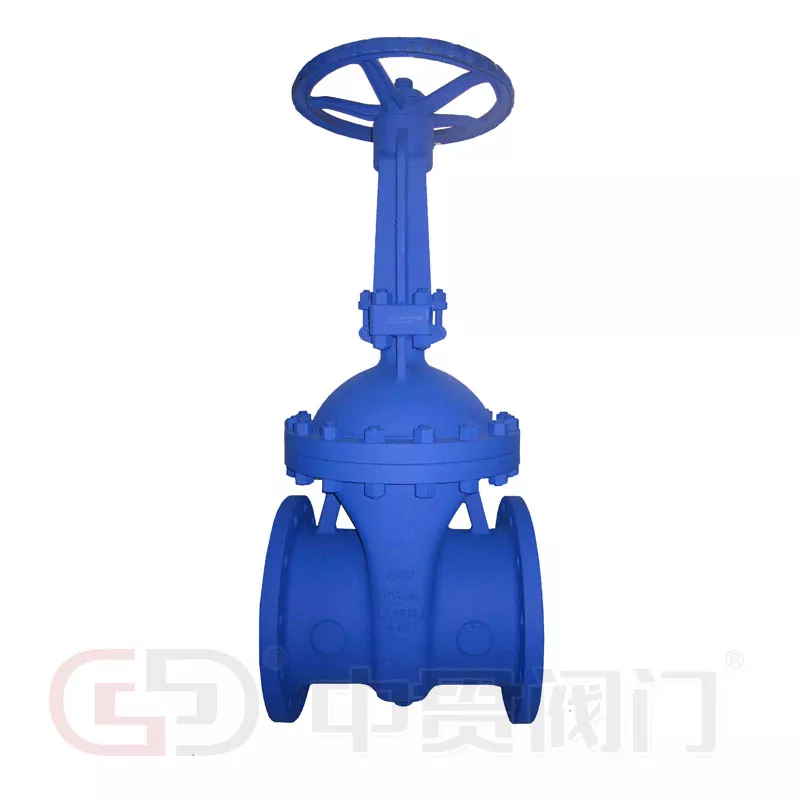
Gate valve: Low flow resistance, suitable for pipelines transporting clean media that require full opening and full closing.
Stop valve: Excellent sealing performance, suitable for applications where some degree of regulation or frequent opening and closing is required.
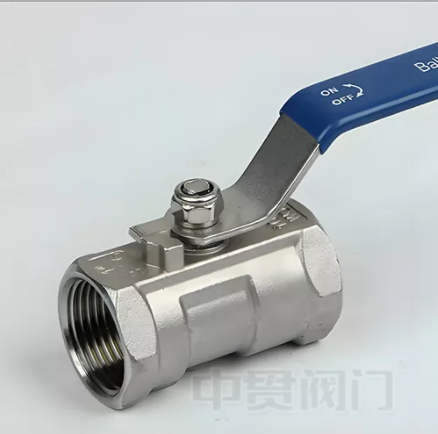
Metal hard-sealed ball valve: Quick opening and closing, low flow resistance, it is the preferred choice for high-performance shut-off.
Connection security seal
Welding (BW): It is the preferred choice for high temperatures and high pressures, offering the highest strength, the best sealing performance, and no risk of leakage.
Flange (RF): It is necessary to ensure that the pressure-temperature rating and material of the flange are fully compatible with the valve.
Sealed to prevent leakage
Enhanced graphite filler: Capable of meeting most high-temperature sealing requirements.
Bellows Seal: This design provides ultimate sealing protection for highly toxic and flammable/explosive media, ensuring zero external leakage.
II. Simple Selection Process
Determine parameters: Specify the maximum operating temperature, maximum working pressure, and medium characteristics.
Matching materials: Based on temperature and pressure, determine the valve body material grade (such as WC6) and the hardness of the internal components (such as STL) in accordance with the standards (such as ASME B16.34).
Selection type: Choose the valve structure based on the function (cutting / regulating) (such as globe valve / ball valve).
Confirm details: Determine the connection method (welding/flange) and the sealing level (whether a bellows is required).