Language

As water infrastructure continues to evolve, Extended Stem Butterfly Valves are receiving more attention in projects where underground installation, easier operation, and long-term maintenance planning are becoming important considerations. Modern water systems are not only focused on expanding capacity but also improving reliability throughout the entire service life of pipelines.
Across many regions, aging water networks have become a major infrastructure challenge. Existing pipelines often require upgrades, replacement, or improved maintenance strategies to ensure stable operation. Industry reports in 2026 continue to highlight aging infrastructure, operational pressure, and long-term system reliability as key concerns for water utilities.
This changing environment is influencing how engineers approach valve selection. Instead of considering valves as simple flow control components, modern projects increasingly evaluate how equipment performs during installation, inspection, adjustment, and future maintenance.
Water distribution networks are among the most important underground systems in modern cities. They support residential supply, industrial activities, fire protection, and environmental management. However, many pipeline systems were built under conditions that differ significantly from today’s requirements.
Urban expansion, increasing water demand, and limited construction space have created new challenges. In many cases, pipelines and valves must be installed beneath roads, public areas, or industrial sites where direct access is difficult.
A valve that works effectively after installation must also consider future operational needs. Maintenance teams may need to inspect equipment, adjust flow control, or isolate sections of a pipeline without creating unnecessary disruption.
This has increased interest in designs that improve accessibility while maintaining the advantages of underground installation.
| Traditional Underground Challenge | Modern Infrastructure Consideration |
|---|---|
| Valve located below ground level | Easier access for operation and inspection |
| Limited maintenance space | Reduced complexity during servicing |
| Expanding urban areas | Less disruption to surrounding environments |
| Aging pipeline systems | Better lifecycle planning |
An Extended Stem Butterfly Valve is designed with an extended operating shaft that allows the valve mechanism to be controlled from a more accessible position while the valve body remains installed underground.
This design concept addresses a common issue in buried pipeline systems: the equipment is protected underground, but operators still require practical access when adjustments are needed.
In water networks, valves may be placed at different depths depending on pipeline layout, road conditions, climate requirements, and construction standards. Extended stem structures provide additional flexibility when the operating point cannot be positioned directly above the valve body.
Rather than changing the basic function of a butterfly valve, the extended stem approach focuses on improving the relationship between installation conditions and operational requirements.
Water systems are designed for long-term operation, often lasting several decades. During this period, maintenance requirements can change because of environmental conditions, population growth, or increased system demand.
For this reason, infrastructure planners are paying more attention to lifecycle management. A pipeline component that is easier to access may help reduce future maintenance difficulties.
For example, when a buried valve requires inspection, accessibility can influence the amount of preparation work needed. In areas with heavy traffic or dense urban development, minimizing excavation activities can be an important factor in maintaining public services.
The growing focus on maintenance does not mean every pipeline requires the same valve configuration. Instead, it reflects a broader movement toward selecting equipment based on actual operating environments.
The concept of smart water infrastructure is often associated with sensors, data platforms, and automated monitoring. However, physical equipment remains a fundamental part of these systems.
Digital tools can provide information about pressure changes, flow conditions, or possible issues, but valves still perform the essential mechanical task of controlling water movement.
Modern water projects increasingly combine traditional valve technology with improved monitoring and management methods. This creates a more complete approach where both digital information and mechanical reliability contribute to system performance.
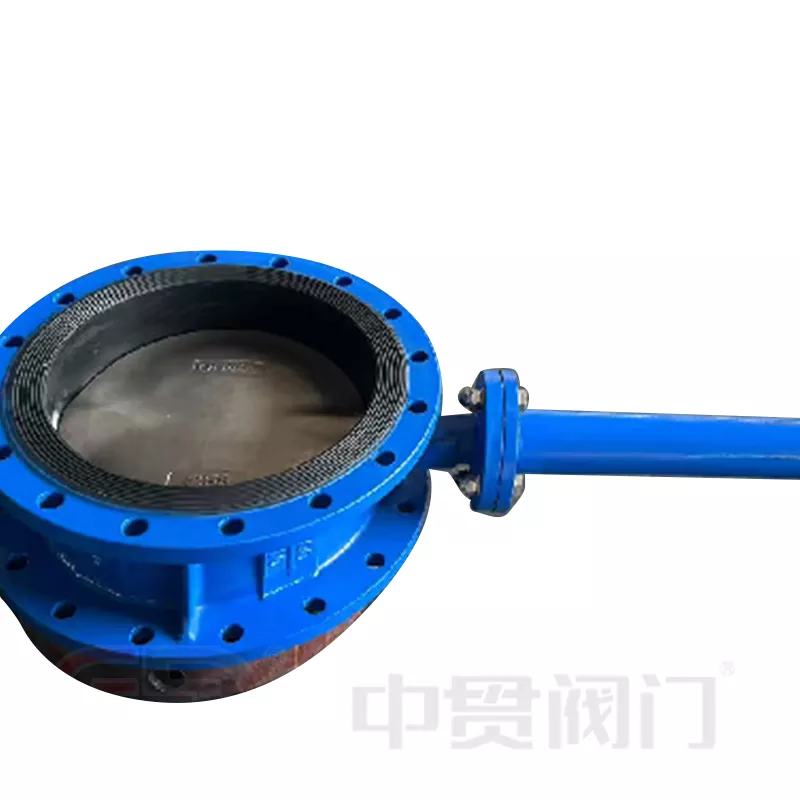
Butterfly valves continue to be widely used in water applications because of their compact structure and suitability for larger pipeline diameters. Industry analysis also shows that water and wastewater applications remain an important area for butterfly valve development as infrastructure modernization continues.
Selecting a valve for a water infrastructure project involves multiple considerations. The operating environment, pipeline characteristics, and maintenance expectations all influence the final design.
| Selection Factor | Why It Matters |
|---|---|
| Pipeline diameter | Determines suitable valve size and flow requirements |
| Installation depth | Influences operating structure design |
| Water conditions | Affects material and sealing considerations |
| Maintenance frequency | Determines accessibility requirements |
| Project environment | Impacts installation and operation planning |
These factors show that valve selection is becoming more connected with the overall pipeline system rather than being treated as an isolated component decision.
Companies involved in valve production have also seen changes in application requirements. Zhejiang Zhongguan Valve Manufacture Co., Ltd., located in Yongjia, Wenzhou, Zhejiang, has been involved in butterfly valve production and related valve applications for many years.
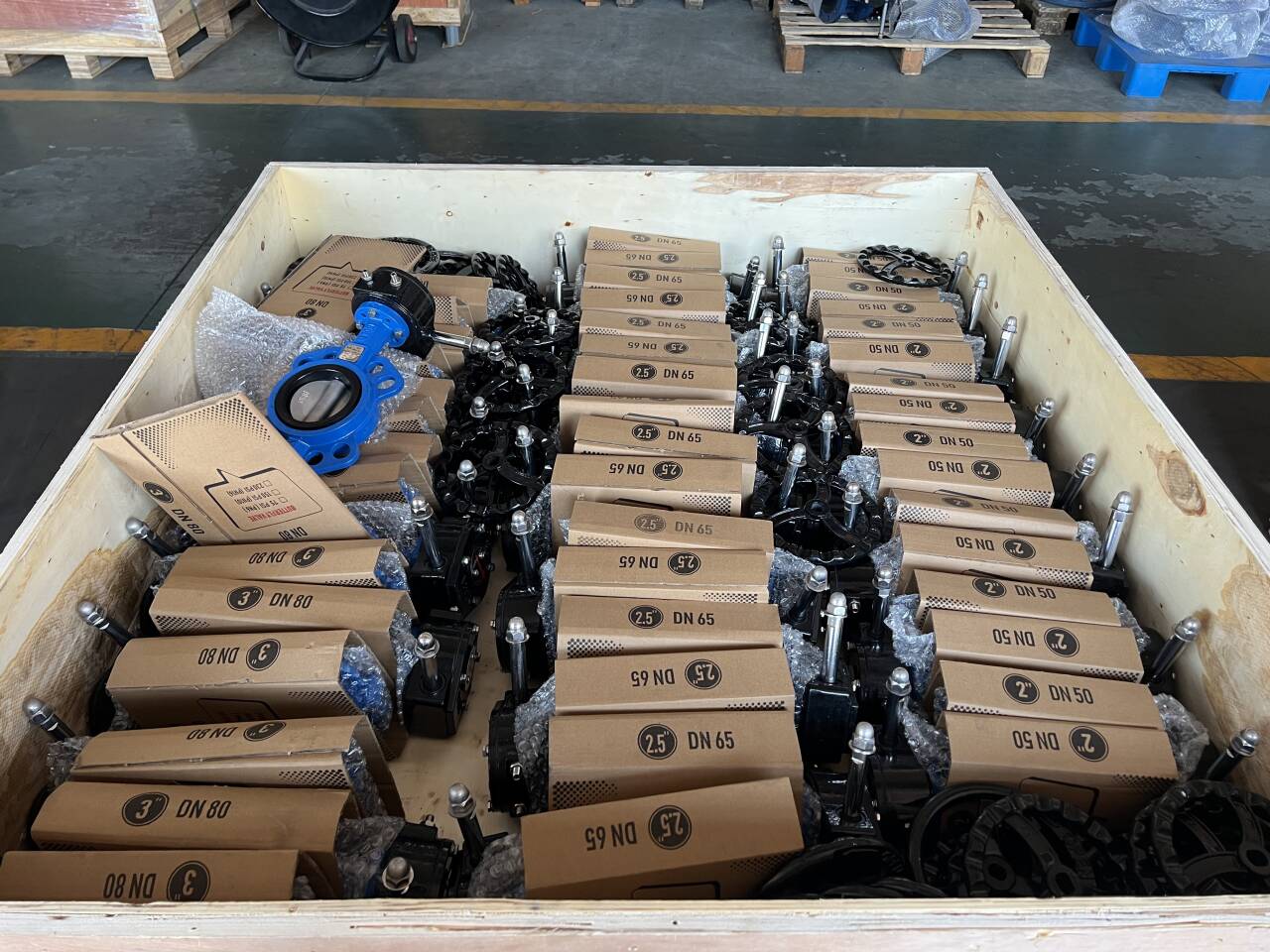
The company’s product range includes wafer, lug, U-section, and flange butterfly valve structures, with production sizes mainly covering DN40 to DN1600. Its production processes include CNC machining, assembly, valve marking, and pressure testing, reflecting common quality control practices within the valve industry.
The development of valve structures such as extended stem designs reflects a wider industry movement: adapting established mechanical products to changing infrastructure conditions.
As cities continue upgrading water networks, infrastructure projects are expected to place greater emphasis on durability, accessibility, and long-term operation. The future of pipeline management will likely involve closer integration between digital monitoring systems and practical mechanical designs.
The increasing discussion around Extended Stem Butterfly Valves shows how traditional valve structures are evolving to meet new challenges in underground water systems. Their relevance comes not from a single feature, but from their connection with broader infrastructure goals: improving accessibility, supporting maintenance planning, and helping modern water networks operate more effectively.
As water infrastructure enters a new stage of modernization, valve technologies represented by Extended Stem Butterfly Valve designs and companies such as Zhejiang Zhongguan Valve continue to reflect the changing relationship between equipment design and long-term system management.