Language

Article Summary: The stainless steel V-port ball valve is a highly efficient and precise flow control solution widely used in industrial systems. This comprehensive guide explores its structure, working principle, advantages, applications, and how to choose the right valve. Whether you are in oil & gas, water treatment, or manufacturing, understanding this valve can significantly improve operational efficiency and system reliability.
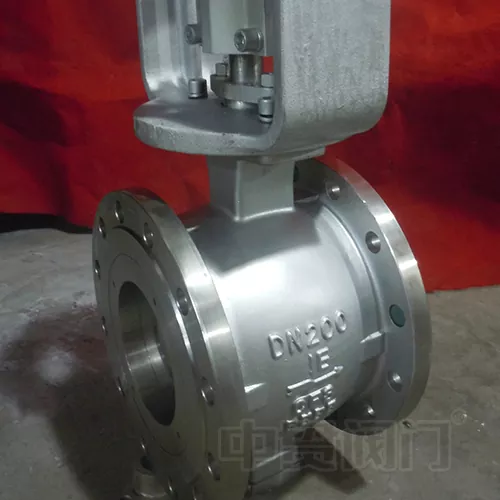
A stainless steel V-port ball valve is a type of control valve designed with a uniquely shaped “V” notch in the ball. This design allows for precise flow regulation, making it ideal for applications where accurate control of fluid flow is essential.
Unlike traditional ball valves that are primarily used for on/off control, V-port ball valves provide throttling capabilities. The V-shaped opening ensures a more linear flow characteristic, which enhances control accuracy.
The operation of a V-port ball valve is based on the rotation of a ball with a V-shaped notch. As the valve handle or actuator rotates the ball, the size of the opening changes gradually, allowing controlled flow.
This design provides:
The precision of the V-notch enables operators to fine-tune flow rates, making it especially valuable in automated systems.
| Feature | Description |
|---|---|
| V-Port Design | Provides precise flow modulation |
| Stainless Steel Construction | Ensures corrosion resistance and durability |
| High Pressure Resistance | Suitable for demanding industrial environments |
| Low Maintenance | Long service life with minimal upkeep |
Advantages include:
| Aspect | V-Port Ball Valve | Standard Ball Valve |
|---|---|---|
| Function | Flow control and throttling | On/Off control |
| Flow Precision | High | Low |
| Design | V-shaped notch | Full bore |
| Applications | Process control systems | Basic shutoff systems |
The V-port ball valve clearly stands out when precise control is required, especially in automated or sensitive systems.
Due to its superior control capabilities, the stainless steel V-port ball valve is widely used in various industries:
Manufacturers like Zhongguan have developed advanced solutions tailored to these industries, ensuring reliability and efficiency.
Stainless steel is the preferred material for V-port ball valves due to its outstanding properties:
These characteristics make stainless steel valves ideal for demanding environments and long-term use.
When selecting a stainless steel V-port ball valve, consider the following factors:
Proper installation and maintenance are essential for optimal performance:
Routine maintenance can significantly extend the lifespan of the valve and prevent costly downtime.
The main advantage is its ability to provide precise flow control, unlike standard ball valves that are mainly used for on/off operations.
Stainless steel offers excellent corrosion resistance, durability, and suitability for high-temperature and high-pressure environments.
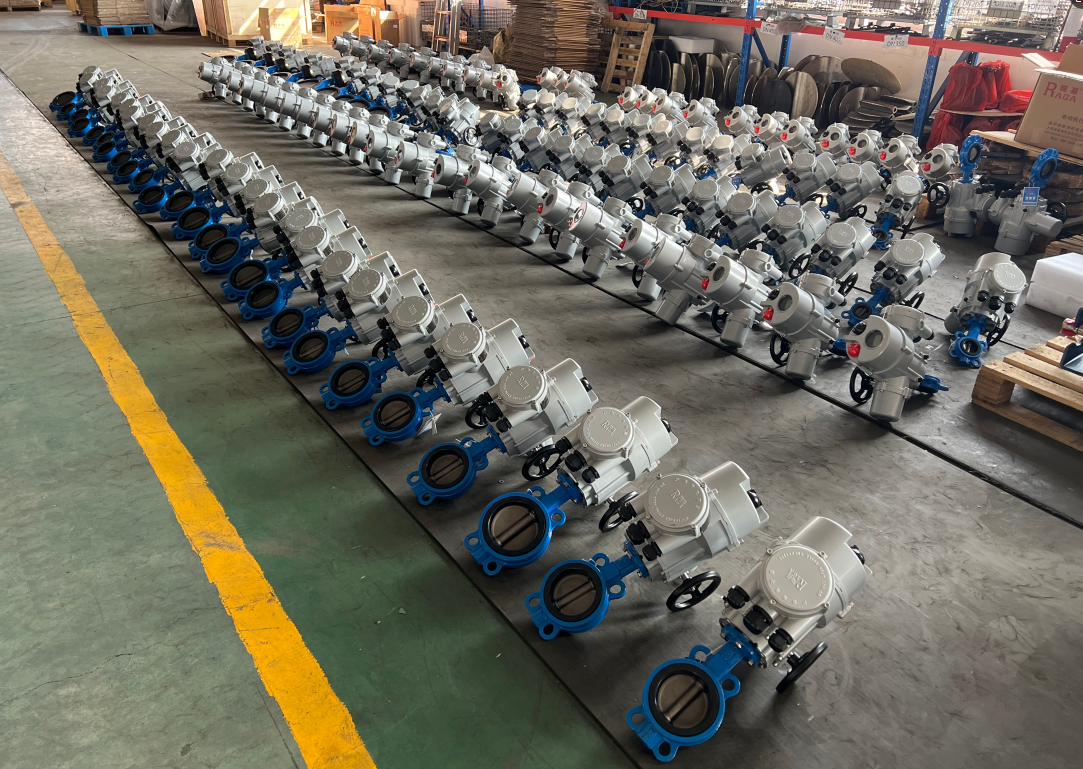
Yes, they can be equipped with electric or pneumatic actuators for automated control systems.
Absolutely. Stainless steel construction makes them ideal for handling corrosive substances.
Regular inspections are recommended, depending on usage conditions, to ensure optimal performance.
The stainless steel V-port ball valve is an essential component for industries that require precise and reliable flow control. Its unique design, combined with the durability of stainless steel, makes it a superior choice over traditional valves.
With trusted manufacturers like Zhongguan delivering high-quality solutions, businesses can achieve improved efficiency, safety, and performance in their operations.
If you are looking for a reliable and high-performance valve solution, don’t hesitate to contact us today to explore how our products can meet your specific needs.