Language

Underground water networks are facing renewed attention as aging pipes, urban redevelopment, and maintenance requirements reshape infrastructure planning. These changes are bringing valve accessibility into focus, particularly where operating equipment is installed below ground.
Many municipal water networks were built to serve communities for decades. As these systems age, rehabilitation projects must address more than damaged pipes. Valves, joints, access chambers, and other components also need inspection and, where necessary, replacement.
A valve may operate correctly for years but become difficult to reach when buried beneath roads, sidewalks, or landscaped areas. If maintenance requires extensive excavation, the work can disrupt traffic, affect nearby services, and increase project complexity.
This is one reason infrastructure planners increasingly consider access arrangements during pipeline upgrades rather than treating them as a secondary installation detail. The objective is not simply to replace aging equipment, but to make future inspection and operation more manageable.
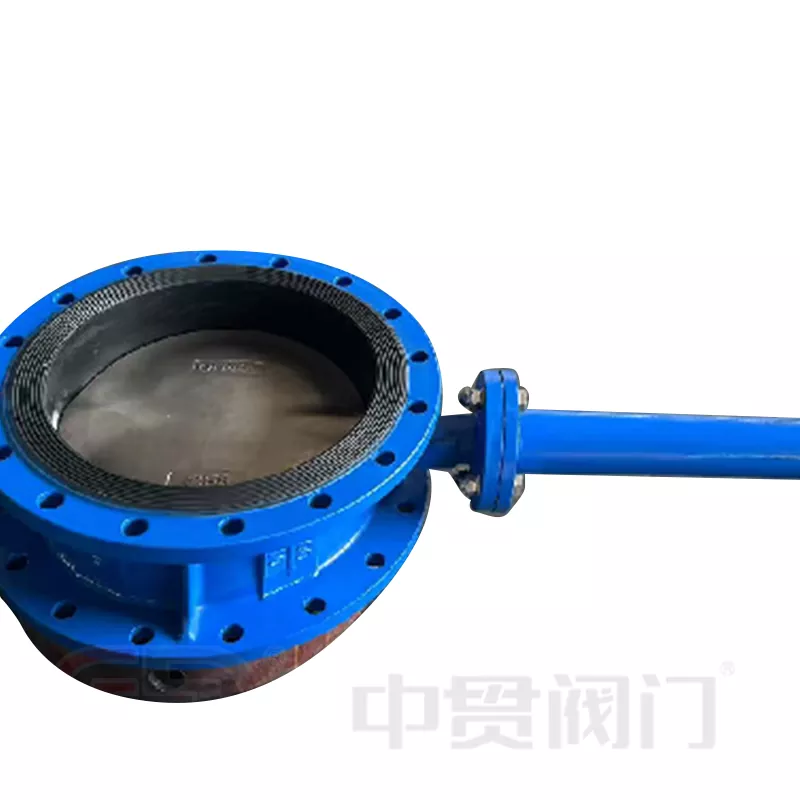
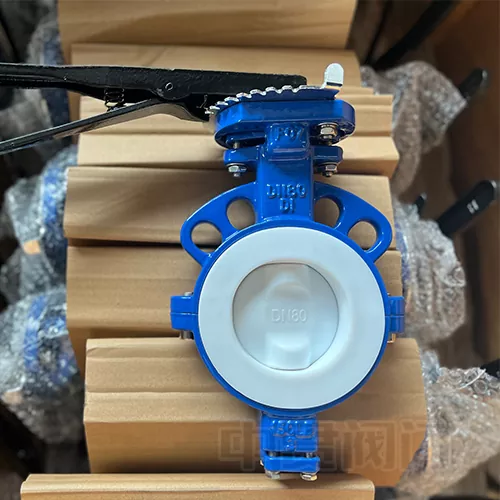
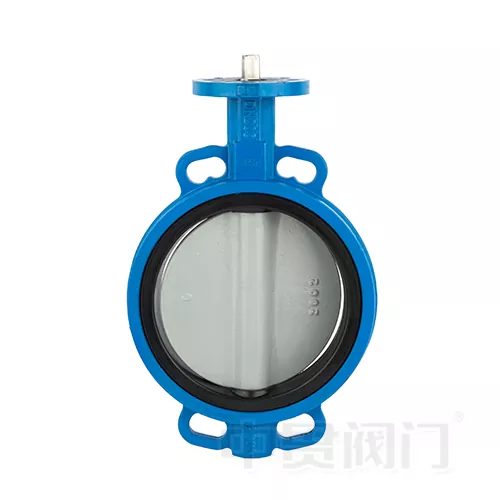
A butterfly valve regulates flow through a rotating disc inside the pipe. Its relatively compact structure makes it suitable for many water distribution and industrial applications, including larger pipeline diameters.
An Extended Stem Butterfly Valve uses an extended shaft arrangement to connect a buried valve with an operating point located higher up. Depending on the installation, the operating mechanism may be positioned within an access chamber or another designated location that is easier to reach.
This arrangement can reduce the need to access the valve body directly whenever operation is required. However, the benefits depend on the installation depth, stem configuration, operating method, and protection provided against environmental exposure.
The design does not eliminate every maintenance requirement. The valve, shaft, operating mechanism, and surrounding access structure still need to be selected and installed according to the conditions of the pipeline.
Underground valve accessibility is relevant to several types of infrastructure projects.
| Application | Main Consideration |
|---|---|
| Municipal water distribution | Access for routine isolation and flow control |
| Water treatment facilities | Coordination between valve locations and maintenance routes |
| Industrial utility networks | Safe operation within restricted installation areas |
| Urban pipeline rehabilitation | Limiting unnecessary excavation and surface disruption |
In a densely developed urban area, for example, a valve may sit beneath a paved surface where frequent excavation would be inconvenient. Planning an accessible operating position during the original installation or a scheduled upgrade can help simplify later maintenance arrangements.
The appropriate configuration still depends on the network layout. Not every buried valve requires an extended stem, and alternative valve designs may be more suitable where space, pressure conditions, or operating requirements differ.
Choosing a valve for an underground project involves more than determining its nominal diameter. The operating environment and the expected maintenance process both affect the final configuration.
Installation depth and alignment are important because the stem must connect the valve to its operating point without creating unsuitable mechanical loading. The extension length should match the site layout, and the surrounding structure should provide sufficient clearance for operation.
Material and sealing compatibility also require attention. Water composition, temperature, pressure, and potential exposure to soil moisture can influence material selection and sealing requirements. The specified valve must be appropriate for the actual service conditions.
Access chamber design is another consideration. A convenient operating point offers limited benefit if the chamber is difficult to enter, prone to flooding, or obstructed by other utilities. Drainage, surface loading, and access arrangements should therefore be assessed as part of the wider installation.
Finally, commissioning and maintenance plans should identify how the valve will be operated, inspected, and tested after installation. Clear documentation can help maintenance teams understand the equipment configuration without relying on excavation or assumptions.
Digital monitoring is becoming an important part of water network management, but smart infrastructure does not depend on software alone. Sensors and control platforms can provide information about network conditions, while valves perform the physical task of regulating or isolating flow.
An Extended Stem Butterfly Valve can form part of this broader infrastructure arrangement when its mechanical configuration suits the site. Where automated operation is required, the operating mechanism and control system must be assessed for compatibility rather than assuming that an extended stem automatically provides remote control.
The distinction matters because accessibility, automation, and monitoring are separate functions. A valve may be accessible for manual operation without being electronically controlled, while an automated valve requires additional equipment and appropriate control arrangements.
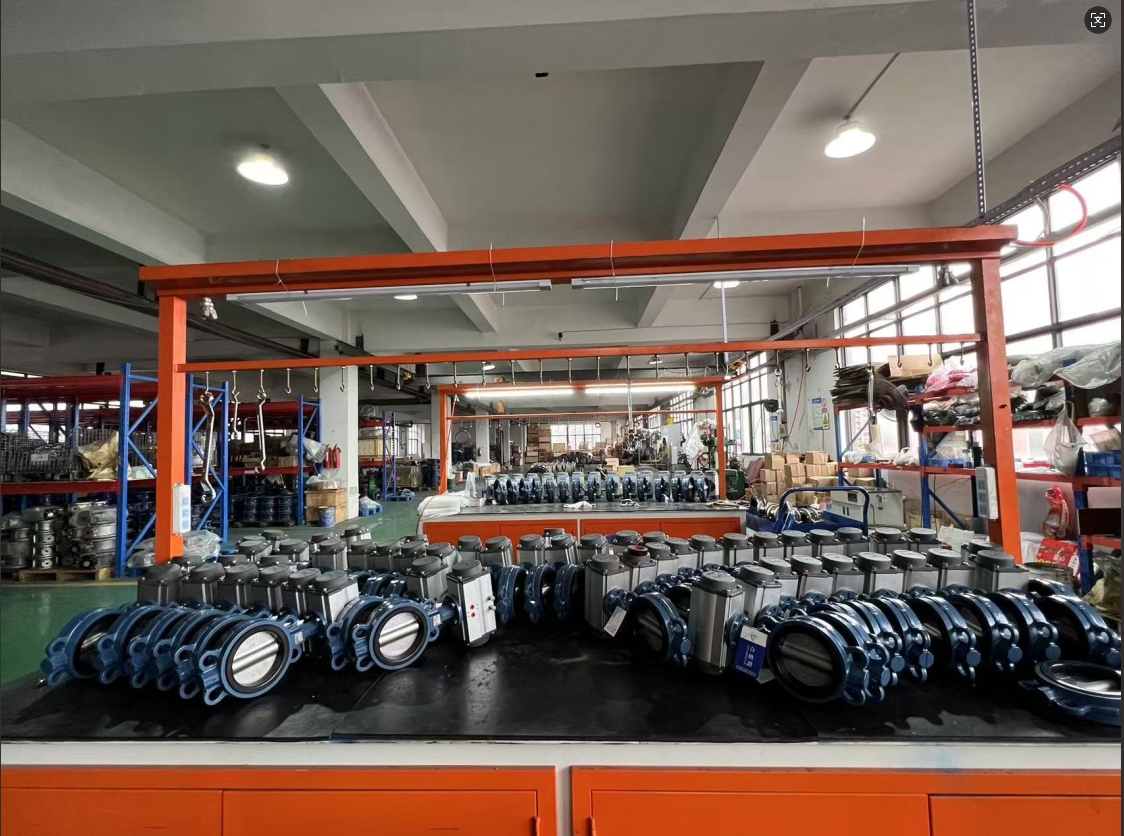
Valve production involves several processes that influence the final component, including machining, assembly, marking, and pressure testing. Consistent control of these stages is important because dimensional accuracy, sealing performance, and correct assembly affect how a valve functions in service.
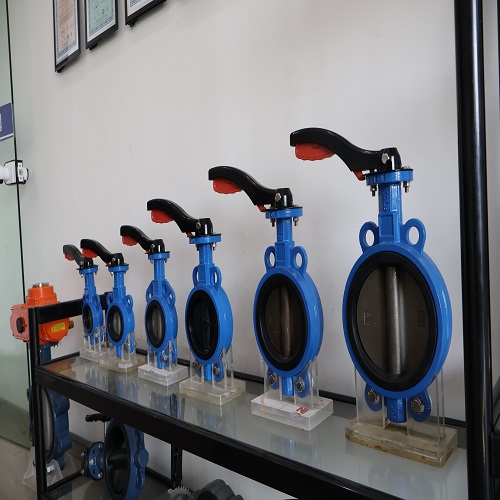
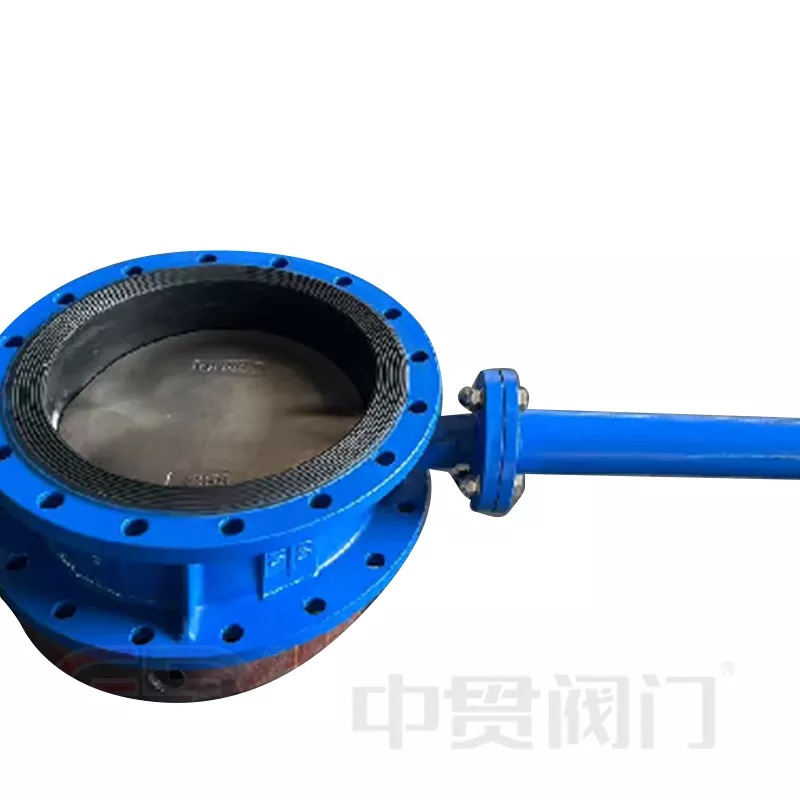
Zhejiang Zhongguan Valve Manufacture Co., Ltd., based in Yongjia, Wenzhou, Zhejiang, has experience in butterfly valve production. Its stated product range includes wafer, lug, U-section, and flange configurations, with common production sizes ranging from DN40 to DN1600. Its production processes include CNC machining, assembly, valve marking, and pressure testing.
These details provide industry context for understanding how valve components are produced and checked. Specific performance in an underground pipeline, however, must be established through the relevant product specifications, installation requirements, and applicable test results.
Pipeline rehabilitation is increasingly concerned with what happens after construction is complete. Equipment must remain accessible, compatible with operating conditions, and manageable throughout its service life.
Extended stem arrangements offer one way to address the gap between a buried valve body and an accessible operating position. Their suitability depends on site conditions, maintenance needs, and the design of the complete pipeline system.
As underground networks continue to undergo repair and renewal, the Extended Stem Butterfly Valve remains a relevant option for projects where operating access is a key engineering consideration. The broader direction is clear: effective pipeline modernization requires attention not only to the pipes themselves, but also to the practical details that shape safe operation and long-term maintenance.