
As underground infrastructure becomes more complex, Zhejiang Zhongguan Valve has observed growing attention toward Extended Stem Butterfly Valves in pipeline systems where accessibility, maintenance planning, and long-term operation are becoming increasingly important.
Across cities, industrial zones, and water management networks, underground pipelines are expanding to meet new demands. However, many existing systems were designed decades ago, when maintenance accessibility was often a secondary consideration. Today, engineers are paying more attention to how valves and other components can be operated, inspected, and maintained throughout the entire service life of a pipeline.
The shift does not simply involve adding digital monitoring systems or automation equipment. It also requires improvements in the basic mechanical structures that control the movement of fluids underground.
Underground Pipeline Challenges in Modern Infrastructure
Buried pipelines provide important advantages, including protection from external damage and better land utilization. However, underground installation also creates challenges when equipment requires inspection or adjustment.
A valve located deep below ground may require additional access structures, temporary site preparation, or more complex maintenance procedures. In areas such as urban roads, industrial facilities, and water distribution networks, reducing unnecessary disruption has become an important part of infrastructure planning.
Several factors are influencing new pipeline design considerations:
| Infrastructure Challenge | Impact on Pipeline Operation |
|---|---|
| Limited underground access | Maintenance activities become more complicated |
| Aging pipeline networks | More frequent inspection may be required |
| Urban development | Excavation work can affect surrounding areas |
| Larger pipeline systems | Equipment accessibility becomes increasingly important |
These challenges have encouraged the development of valve structures that consider not only flow control but also future maintenance conditions.
The Changing Role of Valve Design in Pipeline Systems
Butterfly valves have long been used in water supply, industrial processes, and other pipeline applications because of their compact structure and suitability for larger pipe diameters. As underground systems continue to evolve, valve design is also adapting to different installation environments.
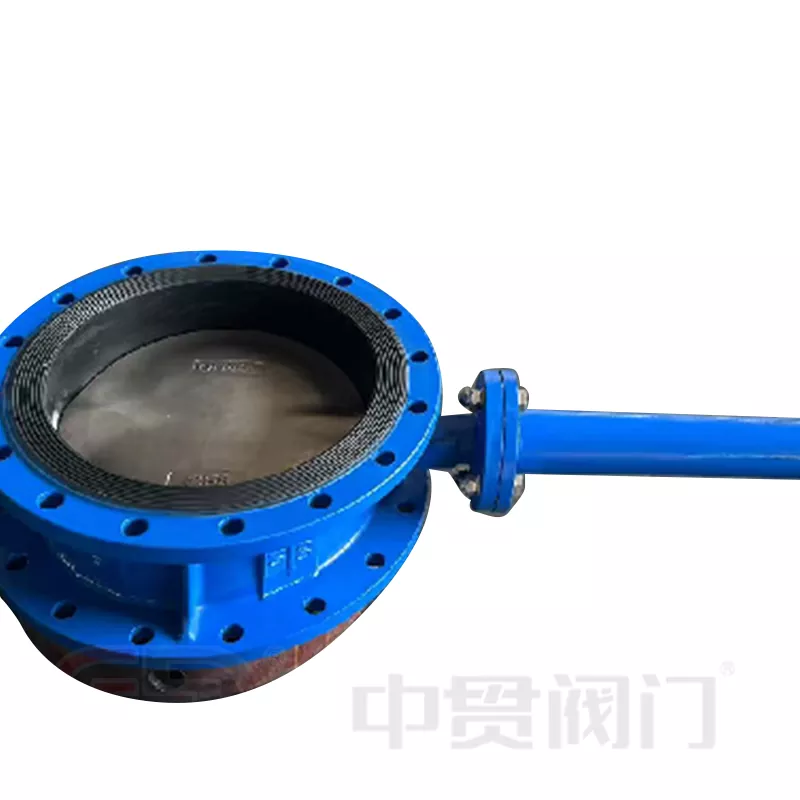
An Extended Stem Butterfly Valve uses an extended shaft structure that allows the operating position to be placed at a more accessible location while the valve body remains installed underground. This design approach can help address situations where direct access to the valve body is difficult.
The concept reflects a broader trend in infrastructure: equipment selection is increasingly connected with lifecycle management. A component that is easier to operate and inspect may reduce complexity during future maintenance activities.
Why Accessibility Matters in Long-Term Pipeline Management
Pipeline systems are typically designed for many years of operation. During this period, conditions may change due to population growth, industrial expansion, environmental factors, or updated maintenance requirements.
Accessibility has become an important consideration because small adjustments can sometimes prevent larger operational issues. For example, water networks may require periodic flow regulation, while industrial pipelines may need inspection after extended operation.
The following elements are often considered when planning underground valve installations:
| Consideration | Related Design Factor |
|---|---|
| Installation depth | Determines operating structure requirements |
| Pipeline location | Influences access planning |
| Operating frequency | Affects maintenance arrangements |
| Environmental conditions | Influences material and sealing selection |
Rather than focusing only on initial installation, modern infrastructure planning increasingly considers how equipment performs throughout its operational period.
Industry Development Toward More Practical Infrastructure
The valve industry is also changing alongside broader infrastructure trends. According to Zhejiang Zhongguan Valve’s experience in butterfly valve production and related applications, pipeline projects are placing more attention on combining traditional mechanical reliability with improved installation flexibility.
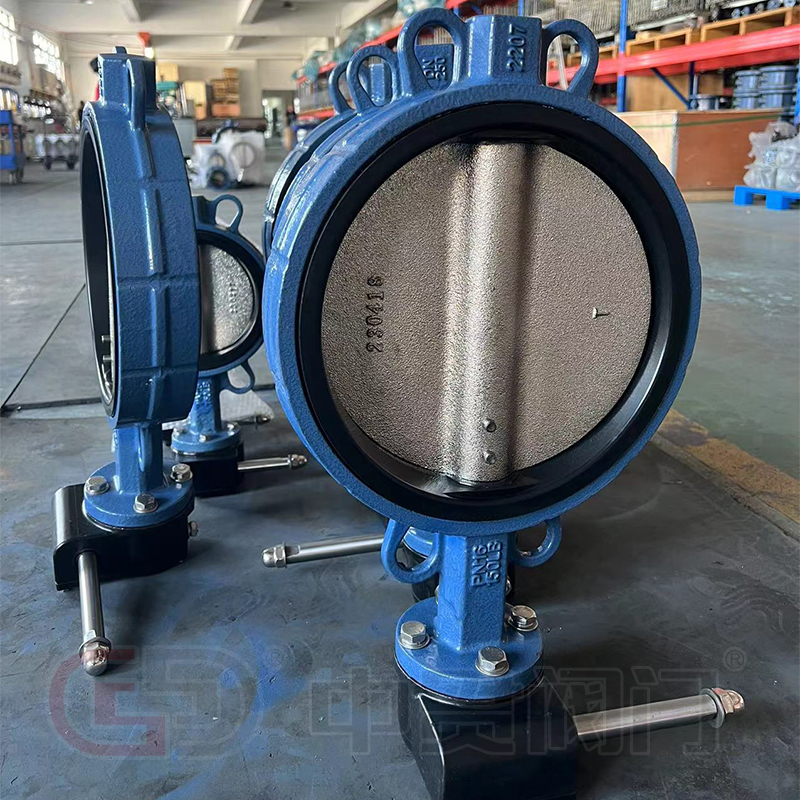
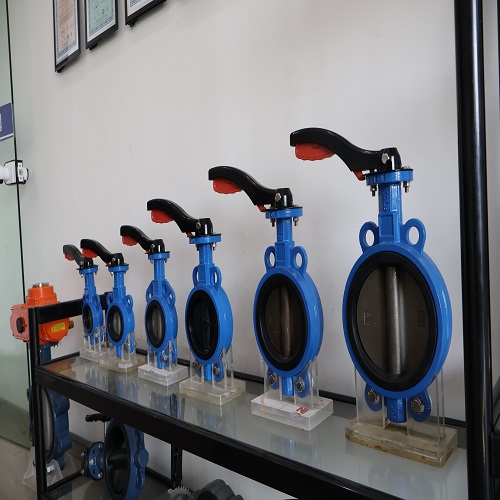
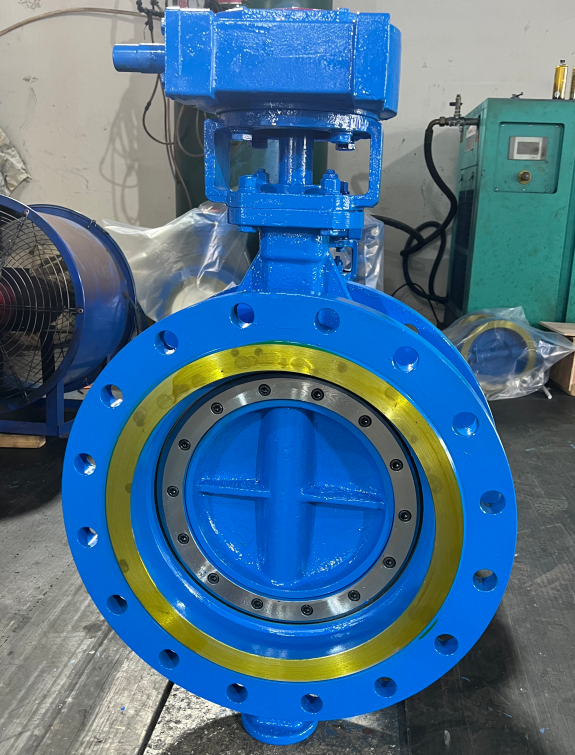
Located in Yongjia, Wenzhou, Zhejiang, an area known for pump and valve production, Zhejiang Zhongguan Valve has been involved in butterfly valve-related production for many years. Its product range covers wafer, lug, U-section, and flange butterfly valve structures, with sizes mainly ranging from DN40 to DN1600.
At the same time, production processes such as CNC machining, assembly, marking, and pressure testing reflect the importance of consistency and quality control in modern valve applications.
Future Direction of Underground Pipeline Technology
The development of smarter infrastructure does not mean replacing mechanical equipment with digital systems. Instead, future pipeline networks are expected to combine monitoring technologies with reliable physical components.
For underground pipelines, valves remain a key connection point between operation and maintenance. Designs that consider accessibility, installation conditions, and long-term usability are becoming more relevant as infrastructure systems become larger and more complex.
In 2026, the discussion around pipeline modernization is moving from individual components toward complete system performance. Extended Stem Butterfly Valve applications represent one example of how traditional valve structures are adapting to new requirements in underground infrastructure management.
As cities and industries continue upgrading their pipeline networks, Zhejiang Zhongguan Valve and similar valve producers are contributing to the ongoing development of practical solutions for modern flow control systems.