Language

Gate valves are widely used flow control components in industrial pipeline systems where reliable shut-off, minimal pressure loss, and long service life are required. This article explains how gate valves operate, how their structural design affects performance, and how technical parameters influence selection decisions. It also addresses common questions raised by engineers and procurement professionals, providing a structured, practical reference aligned with real-world industrial usage and search behavior.
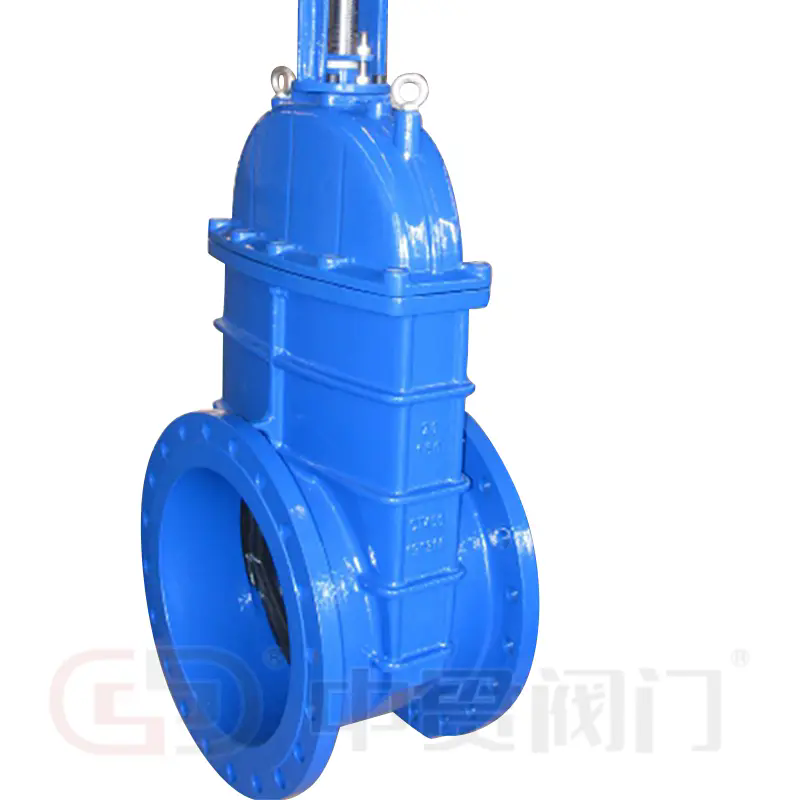
A gate valve is a linear-motion valve designed primarily for on/off service rather than flow regulation. The core mechanism consists of a flat or wedge-shaped gate that moves vertically between two valve seats. When fully opened, the gate is completely withdrawn from the flow path, allowing fluid to pass through with minimal resistance. When closed, the gate descends to form a tight seal against the seats, effectively stopping flow.
This design principle makes gate valves particularly suitable for applications requiring full-bore flow and infrequent operation. Unlike throttling valves, gate valves minimize turbulence and erosion when fully open, which contributes to longer system life and lower energy losses.
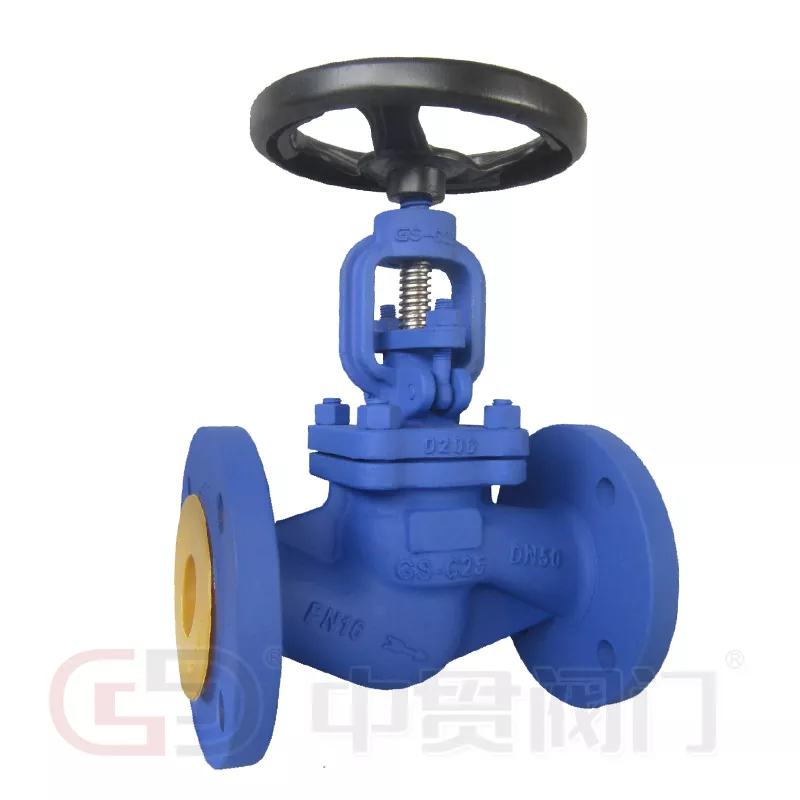
From a structural perspective, common gate valve configurations include rising stem and non-rising stem designs. Rising stem gate valves provide visual confirmation of valve position, while non-rising stem designs are preferred in installations with limited vertical clearance. Internally, gate valves may use solid wedges, flexible wedges, or parallel slide gates, each selected based on pressure, temperature, and media characteristics.
Understanding technical parameters is essential for evaluating gate valve suitability in a given system. These parameters directly influence sealing reliability, operational safety, and long-term durability.
| Parameter | Description | Industrial Significance |
|---|---|---|
| Nominal Diameter (DN) | Internal passage size of the valve | Ensures compatibility with pipeline dimensions and flow requirements |
| Pressure Rating (PN/Class) | Maximum allowable working pressure | Determines safe operation under system pressure conditions |
| Body Material | Commonly cast iron, carbon steel, stainless steel, alloy steel | Defines corrosion resistance, strength, and temperature tolerance |
| Seat Material | Metal-to-metal or soft-seated designs | Affects sealing performance and wear resistance |
| Operating Temperature | Minimum and maximum allowable temperatures | Ensures valve integrity in high-temperature or cryogenic systems |
| End Connection | Flanged, threaded, welded | Impacts installation method and maintenance accessibility |
Precise alignment of these parameters with system design conditions reduces failure risk and optimizes lifecycle cost. In high-pressure or high-temperature environments, material selection and seat design become especially critical.
Gate valves are used across a wide range of industries due to their simple structure and dependable shut-off capability. In water treatment and municipal supply systems, gate valves are commonly installed in main distribution lines where full flow capacity and low head loss are required.
In the oil and gas sector, gate valves are applied in upstream, midstream, and downstream operations. Their ability to handle high pressures and temperatures makes them suitable for crude oil pipelines, refining units, and storage facilities. Industrial standards such as API and ASME often govern their design and testing in these environments.
Power generation facilities rely on gate valves in boiler feedwater systems, steam lines, and cooling circuits. Here, metal-seated gate valves are preferred for their ability to withstand thermal cycling and abrasive media. Chemical processing plants also utilize gate valves where chemical compatibility and tight shut-off are required.
Across these industries, the consistent requirement is reliable isolation rather than flow modulation, reinforcing the importance of correct valve positioning and operation practices.
Selecting a gate valve begins with a clear understanding of operating conditions, including pressure, temperature, media type, and actuation frequency. Overspecification increases cost without added benefit, while underspecification introduces operational risk.
Maintenance practices focus on periodic inspection of stem threads, packing integrity, and seat condition. Because gate valves are not designed for throttling, partial opening during service should be avoided to prevent vibration and seat damage.
Performance evaluation often includes hydrostatic testing, seat leakage testing, and dimensional inspection during commissioning. Over the service life, monitoring torque requirements and sealing performance provides early indication of wear or misalignment.
Q: How does a gate valve differ from a ball valve in flow control?
A: A gate valve uses linear motion to raise or lower a gate, providing full-bore flow when open and minimal pressure loss. A ball valve uses rotational motion and is better suited for quick operation, but may introduce higher flow resistance depending on design.
Q: How should a gate valve be installed to ensure long-term reliability?
A: Gate valves should be installed fully open or fully closed during system operation, aligned with pipeline centerlines, and supported to avoid external stress. Proper orientation of the stem and adherence to torque specifications are essential.
Q: How often should gate valves be maintained in industrial systems?
A: Maintenance frequency depends on operating conditions, but periodic inspection is recommended, especially in high-temperature or corrosive environments. Routine cycling helps prevent stem seizure and packing degradation.
Gate valves remain a fundamental component in industrial fluid control due to their structural simplicity, full-flow capability, and reliable shut-off performance. When technical parameters, application conditions, and maintenance practices are properly aligned, gate valves deliver long service life and predictable operation.
As manufacturing standards evolve and material technologies advance, gate valves continue to adapt to increasingly demanding operating environments. Zhongguan Valve focuses on delivering gate valve solutions engineered to meet international standards while addressing practical industry requirements.
For additional technical details, application guidance, or project-specific support, contact us to discuss how Zhongguan Valve products can be integrated into your pipeline system with confidence and efficiency.