Language

In modern industrial systems, efficiency, safety, and automation are no longer optional—they are essential. One component that plays a critical role in achieving these goals is the Pneumatic Actuated Butterfly Valve. Widely used in water treatment, chemical processing, power generation, food & beverage, and HVAC systems, this valve type combines simple mechanical design with reliable pneumatic automation. Its fast response, compact structure, and low maintenance requirements make it a preferred choice for both on–off control and throttling applications.
This article provides a professional, in-depth overview of the Pneumatic Actuated Butterfly Valve, including how it works, key advantages, technical parameters, selection guidance, and common questions buyers ask before making a decision.
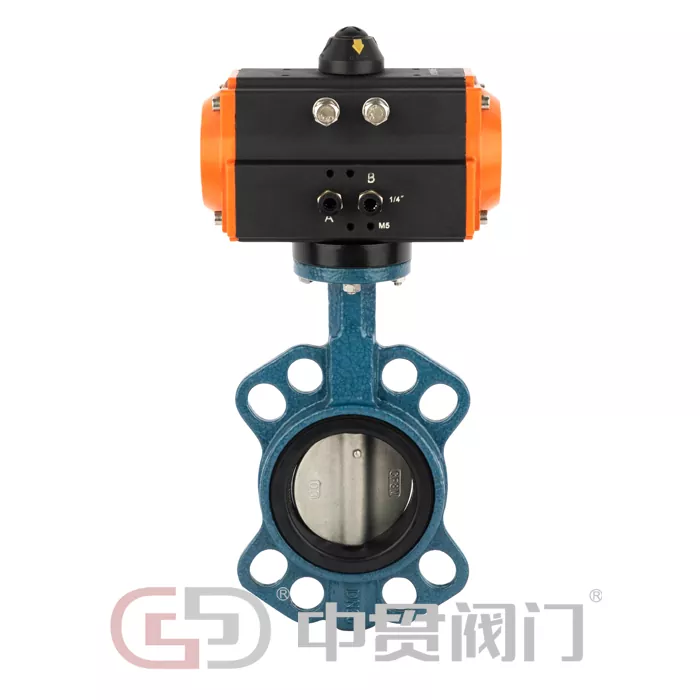
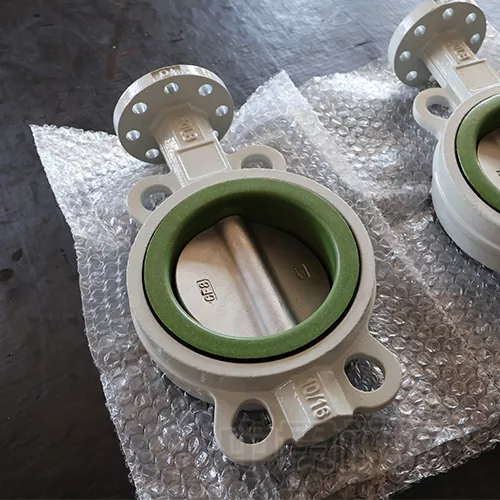
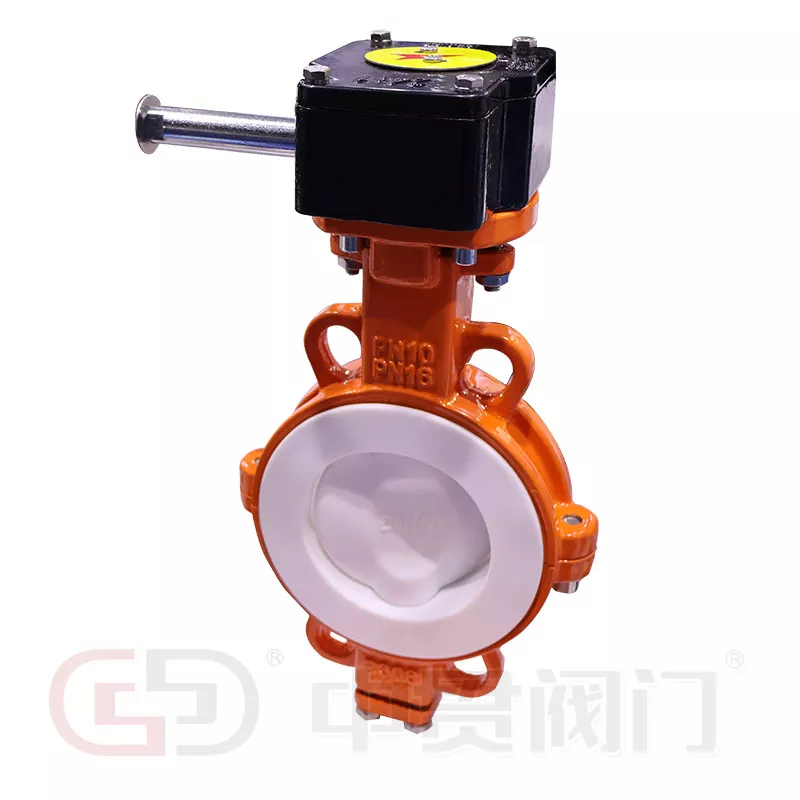
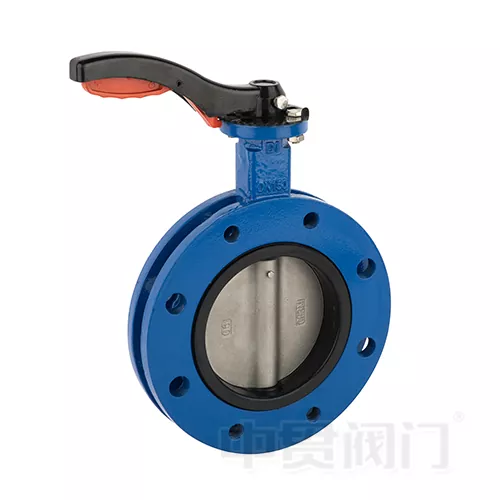
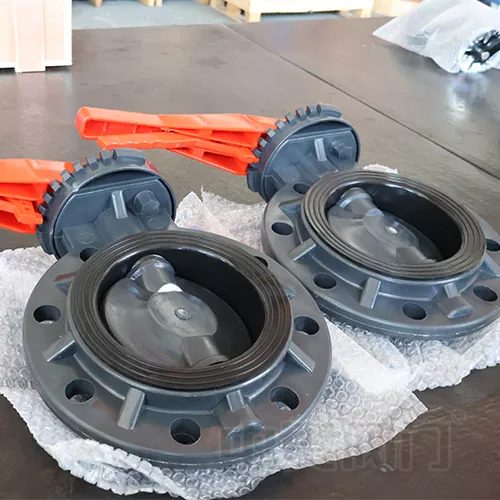
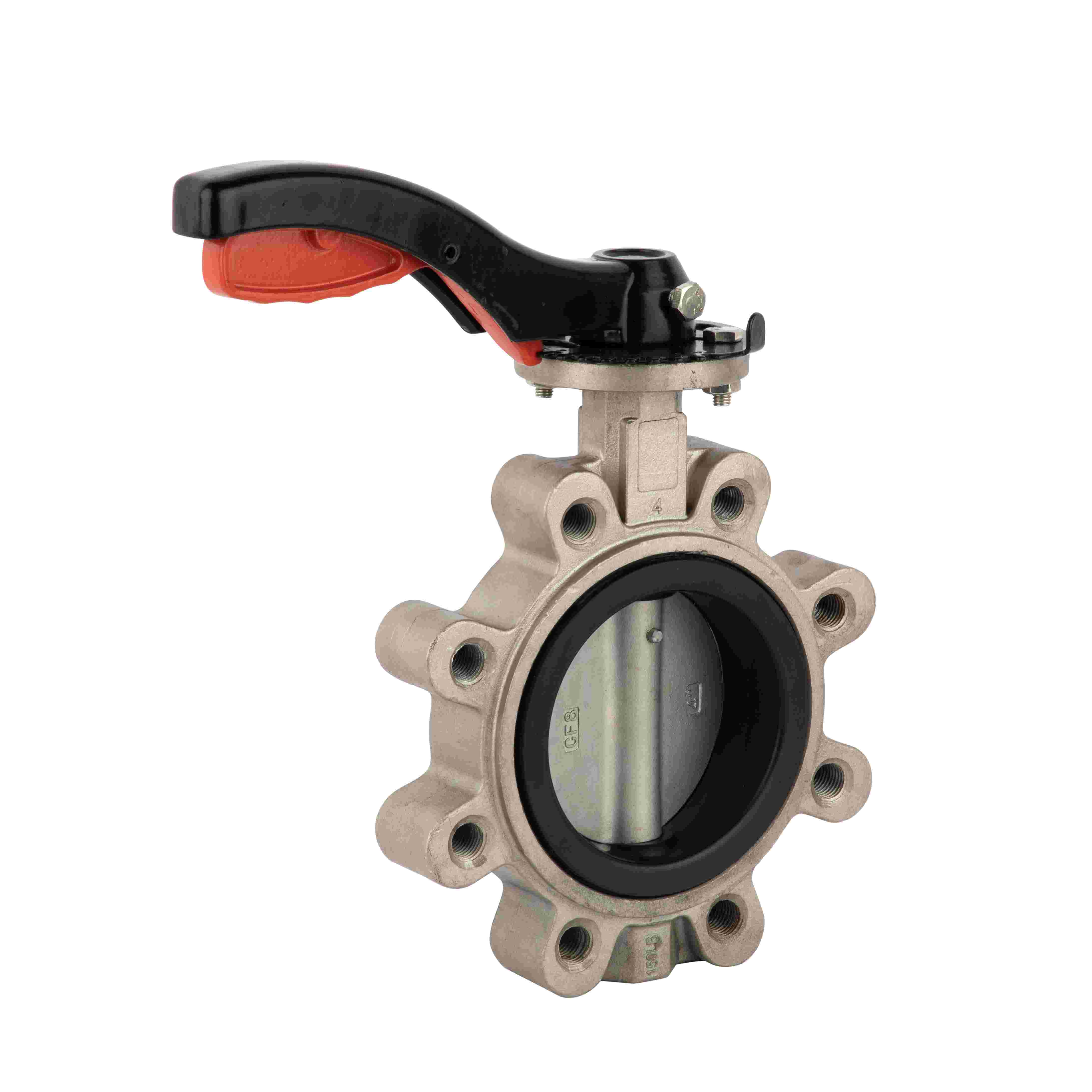
A Pneumatic Actuated Butterfly Valve consists of two main parts: a butterfly valve body and a pneumatic actuator. The valve body contains a disc mounted on a rotating shaft. When compressed air is supplied to the actuator, it converts air pressure into mechanical motion, rotating the disc by 90 degrees to open or close the valve.
Open position: The disc aligns with the flow direction, allowing media to pass through with minimal resistance.
Closed position: The disc rotates perpendicular to the flow, creating a tight seal against the valve seat.
Depending on system requirements, the actuator can be configured as double-acting (air to open and close) or single-acting/spring return (air to open, spring to close or vice versa), ensuring safety during air supply failure.
Manual valves require human operation, which limits speed, accuracy, and integration with automated systems. A Pneumatic Actuated Butterfly Valve offers several clear advantages:
Fast response time for automated process control
Reduced labor costs and human error
Improved safety, especially in hazardous or high-temperature environments
Easy integration with PLC, DCS, and remote control systems
For facilities aiming to upgrade to automated or semi-automated production lines, pneumatic actuation is often the most cost-effective solution.
Our Pneumatic Actuated Butterfly Valve is designed with durability, precision, and international standards in mind. Each unit is tested to ensure reliable performance under demanding operating conditions.
Compact and lightweight structure
ISO 5211 mounting pad for easy actuator installation
Low torque requirement, reducing actuator size and air consumption
Excellent sealing performance with replaceable valve seats
Suitable for both liquid and gas media
Below is a simplified technical parameter table to help engineers and buyers quickly understand product capabilities.
| Parameter | Specification |
|---|---|
| Valve Size Range | DN50 – DN600 |
| Pressure Rating | PN10 / PN16 |
| Body Material | Ductile Iron, Carbon Steel, Stainless Steel |
| Disc Material | Stainless Steel, Ductile Iron (Coated) |
| Seat Material | EPDM, NBR, PTFE |
| Actuator Type | Double-Acting / Single-Acting (Spring Return) |
| Operating Pressure | 0.4 – 0.7 MPa |
| Operating Temperature | -20°C to +180°C |
| Connection Standard | Wafer / Lug / Flanged |
| Control Mode | On-Off / Modulating (with Positioner) |
This configuration allows the Pneumatic Actuated Butterfly Valve to adapt to various industrial environments while maintaining stable and repeatable performance.
Thanks to their versatility, Pneumatic Actuated Butterfly Valves are widely applied across multiple industries:
Water and wastewater treatment for flow isolation and regulation
Chemical and petrochemical plants handling corrosive or hazardous media
Food and beverage processing where hygiene and fast operation are required
HVAC systems for chilled and hot water control
Power plants for cooling water and auxiliary systems
Their simple design also makes them suitable for large-diameter pipelines where other valve types may be too bulky or expensive.
Choosing the correct Pneumatic Actuated Butterfly Valve requires evaluating several key factors:
Media type: Water, gas, oil, or corrosive chemicals
Temperature and pressure range: Match seat and body materials accordingly
Valve size and connection type: Wafer, lug, or flanged installation
Control requirement: On-off control or modulating flow regulation
Fail-safe function: Determine whether spring return is necessary
By matching these parameters to your system requirements, you can ensure long-term reliability and optimal performance.
One of the biggest advantages of a Pneumatic Actuated Butterfly Valve is its low maintenance demand. Routine inspection typically includes:
Checking air supply pressure and air quality
Inspecting seals and seats for wear
Verifying actuator response and stroke accuracy
Ensuring mounting bolts remain secure
With proper installation and periodic checks, the service life of the valve can be significantly extended.
Q: What is a Pneumatic Actuated Butterfly Valve used for?
A: A Pneumatic Actuated Butterfly Valve is used to control or isolate the flow of liquids and gases in automated industrial pipelines, offering fast response and reliable sealing.
Q: How does a Pneumatic Actuated Butterfly Valve differ from an electric butterfly valve?
A: A Pneumatic Actuated Butterfly Valve uses compressed air for operation, providing faster actuation and better suitability for hazardous environments, while electric valves rely on motors and electrical power.
Q: Can a Pneumatic Actuated Butterfly Valve handle corrosive media?
A: Yes, by selecting appropriate body, disc, and seat materials such as stainless steel and PTFE, a Pneumatic Actuated Butterfly Valve can safely handle corrosive fluids.
Q: Is a Pneumatic Actuated Butterfly Valve suitable for flow regulation?
A: Yes, when equipped with a positioner, a Pneumatic Actuated Butterfly Valve can perform accurate modulating control in addition to simple on–off operation.
Zhejiang Zhongguan Valve Manufacture Co., Ltd. specializes in the design and production of high-quality industrial valves, including the Pneumatic Actuated Butterfly Valve. With strict quality control, advanced manufacturing processes, and a strong focus on customer requirements, we provide reliable valve solutions for global industries.
For detailed specifications, customized solutions, or technical support, please feel free to contact Zhejiang Zhongguan Valve Manufacture Co., Ltd. Our experienced team is ready to help you select the right valve for your application and ensure long-term operational success.