Language

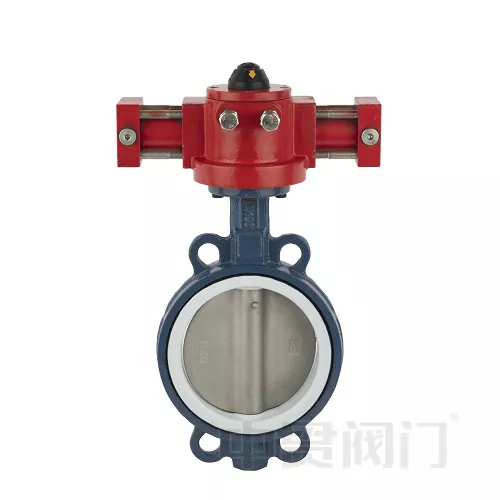
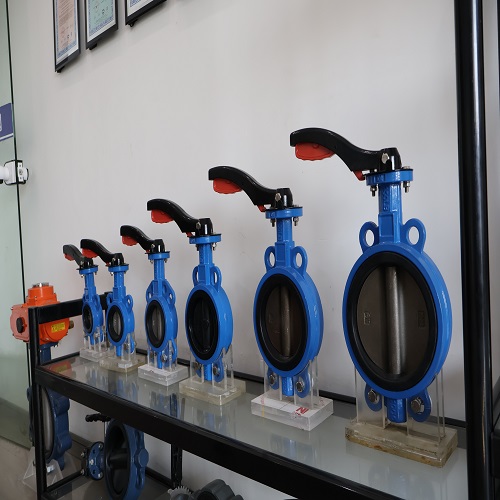
Low-temperature steel butterfly valves are special types of shut-off or regulating valves specifically designed for extreme low-temperature medium conditions (typically referring to working temperatures below -46℃). Their core design concept aims to solve a series of technical problems such as material brittleness, sealing failure, and operation mechanism blockage in deep cold environments for ordinary valves.
In terms of structural design, the most representative feature of the low-temperature steel butterfly valve is the use of an extended valve cover (also known as an extended stem cover or long-neck valve cover). This design is not simply an extension of size; its engineering purpose is: First, significantly increase the length of the valve stem to place the packing gland away from the low-temperature flow channel, forming a temperature gradient transition zone, ensuring that the temperature of the packing gland can remain above 0 degrees Celsius, preventing commonly used packing materials such as polytetrafluoroethylene (PTFE) or flexible graphite from hardening and contracting due to low temperatures, which could lead to a decrease in sealing performance or external leakage; Second, effectively prevent the valve stem bearing area from freezing or condensation, ensuring that the valve can still open and close flexibly in a low-temperature environment and will not experience jamming.
Furthermore, its sealing system has also been specially optimized for low-temperature conditions. The valve seat seal may adopt a combination of metal seals (such as stainless steel) and elastic materials (such as reinforced PTFE, graphite composite materials), or use special flexible graphite wrapped gaskets. These materials have low shrinkage rates at low temperatures and can maintain good elastic deformation capabilities, thus ensuring that the valve can achieve reliable two-way sealing during cooling and normal temperature cycling operations.

Due to its outstanding low-temperature performance, the low-temperature steel butterfly valve has become a key equipment for transporting media such as liquid oxygen, liquid nitrogen, liquid argon, and liquefied hydrocarbons in liquefied natural gas (LNG) receiving stations, liquefaction facilities, storage tanks, tanker loading and unloading systems, air separation equipment, and petrochemical ethylene plants. Its selection and manufacturing must follow a series of strict international standards (such as API 609, BS 6364, etc.), and undergo strict low-temperature impact tests, pressure tests, and non-destructive inspections. It is one of the core components that ensure the safety, stability, and long-term operation of modern low-temperature industrial facilities.