Language

Abstract: PVC Material Ball Valves are widely utilized in industrial, residential, and commercial fluid control systems due to their durability, chemical resistance, and cost-effectiveness. This article provides a detailed guide on PVC Material Ball Valves, including specifications, applications, installation, maintenance, and answers to common user questions.
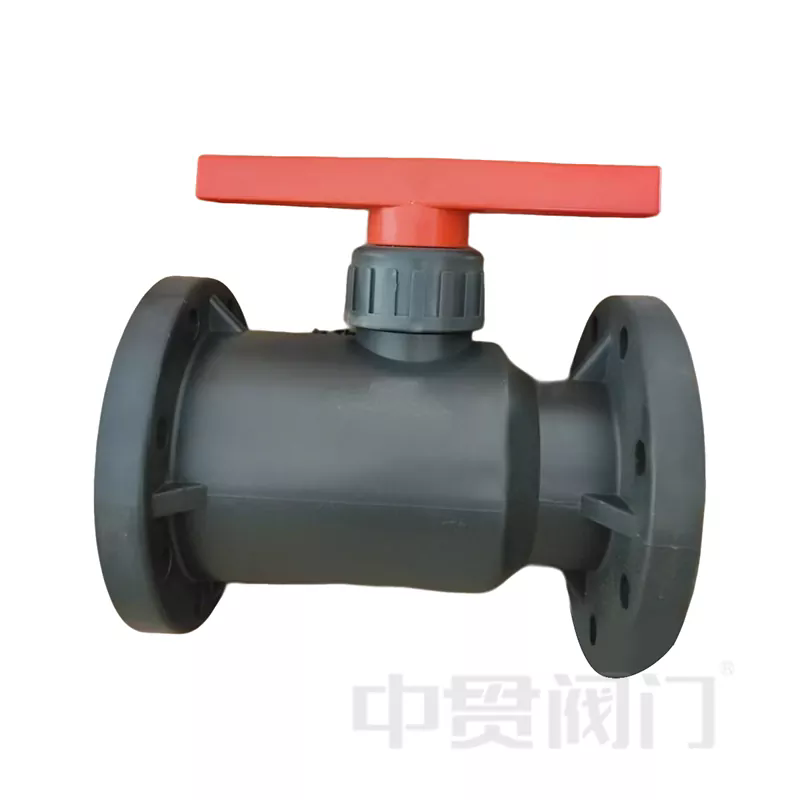
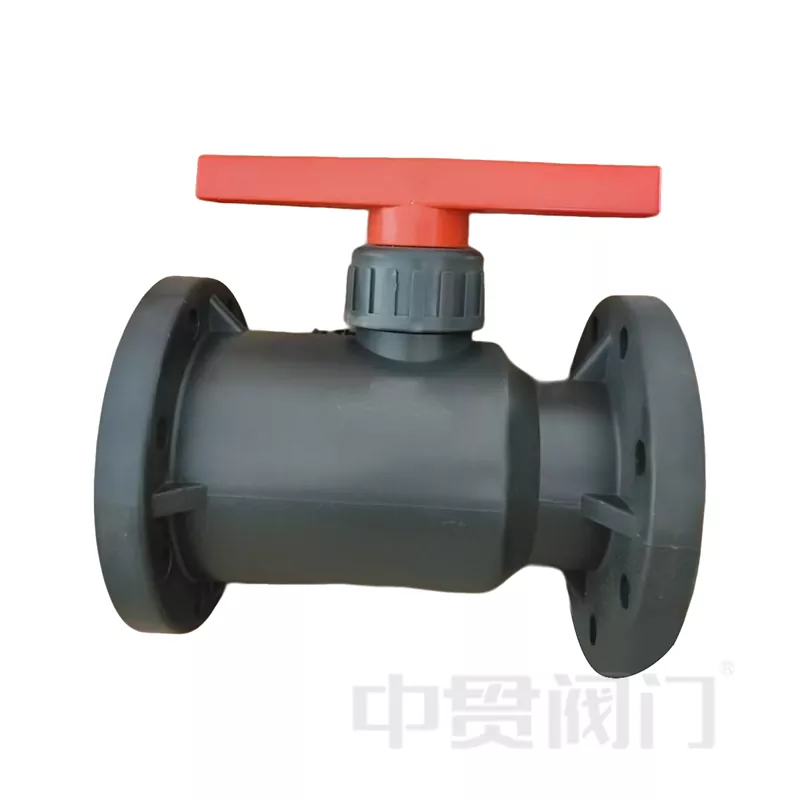
PVC Material Ball Valves are precision-engineered components designed to regulate the flow of liquids and gases in pipelines. Manufactured using high-quality polyvinyl chloride (PVC), these valves offer excellent corrosion resistance, lightweight construction, and reliable sealing performance. The primary purpose of this guide is to provide a comprehensive understanding of PVC Material Ball Valves, including their technical specifications, practical applications, and proper handling techniques.
By mastering the key aspects of PVC Material Ball Valve usage, users can optimize operational efficiency, reduce maintenance costs, and ensure long-term system reliability. This article is structured into four core sections, providing a step-by-step guide to selecting, installing, and maintaining these valves effectively.
Understanding the specifications of PVC Material Ball Valves is critical for proper selection and application. Below is a detailed table summarizing the key technical parameters:
| Parameter | Description |
|---|---|
| Material | High-quality PVC (Polyvinyl Chloride) |
| Pressure Rating | PN10 to PN16, suitable for water, air, and non-corrosive fluids |
| Temperature Range | 0°C to 60°C (32°F to 140°F) |
| Connection Type | Socket, Threaded, or Flanged |
| Operation | Manual lever or automated actuator |
| Sizes | DN15 to DN200 (1/2" to 8") |
| End Cap Design | Full-bore or reduced-bore options |
| Sealing Type | EPDM, PTFE, or Viton |
| Certifications | ISO 9001, CE, ASTM D2467 |
PVC Material Ball Valves are versatile and widely applied across various sectors:
Proper installation and regular maintenance of PVC Material Ball Valves are crucial for long-term performance and leak-free operation.
Q1: How do PVC Material Ball Valves compare with metal ball valves in terms of durability?
A1: PVC Material Ball Valves are resistant to corrosion, chemical exposure, and UV degradation, making them suitable for applications involving non-abrasive fluids and corrosive environments. While metal valves may handle higher pressures and temperatures, PVC valves are lightweight, cost-effective, and require less maintenance, which is advantageous in many residential, agricultural, and industrial settings.
Q2: How can one ensure leak-free operation of a PVC ball valve?
A2: To ensure leak-free performance, it is critical to match the valve with the correct pipeline diameter, use appropriate solvent cement or thread sealant, and perform pressure testing after installation. Regular inspection of the sealing surfaces and replacement of EPDM or PTFE seals when worn also ensures long-term reliability.
Q3: How should PVC Material Ball Valves be maintained in chemical processing systems?
A3: Maintenance involves periodic inspection for chemical degradation, cleaning of internal components, and verifying that the seals are intact. Avoid exposing PVC valves to solvents that can damage the body, and ensure operation within the recommended pressure and temperature limits. Routine lubrication of the ball and stem can extend service life without compromising chemical compatibility.
PVC Material Ball Valves offer a practical solution for fluid control systems across multiple industries due to their lightweight construction, chemical resistance, and ease of operation. By understanding the specifications, applications, installation steps, and maintenance requirements outlined above, users can significantly enhance the efficiency and longevity of their systems.
Zhongguan is committed to providing high-quality PVC Material Ball Valves that meet international standards and cater to diverse industrial and commercial needs. For further inquiries, product specifications, or custom solutions, contact us directly for professional support.