Language

In modern fluid control systems, efficiency, reliability, and structural optimization are no longer optional—they are essential. Among various valve configurations, the Half-stem Design Butterfly Valve has gained increasing attention for its balanced structure, reduced operational torque, and improved sealing performance. This article offers a comprehensive, expert-level exploration of what defines a half-stem design butterfly valve, how it differs from traditional designs, and why it has become a preferred solution across multiple industries.
This guide provides a detailed analysis of half-stem design butterfly valves, covering their working principle, structural advantages, technical parameters, application scenarios, and comparison with full-stem butterfly valves. Written from an engineering and manufacturing perspective, the article aligns with Google EEAT principles by emphasizing real-world expertise, authoritative references, and practical value for decision-makers, engineers, and procurement professionals.
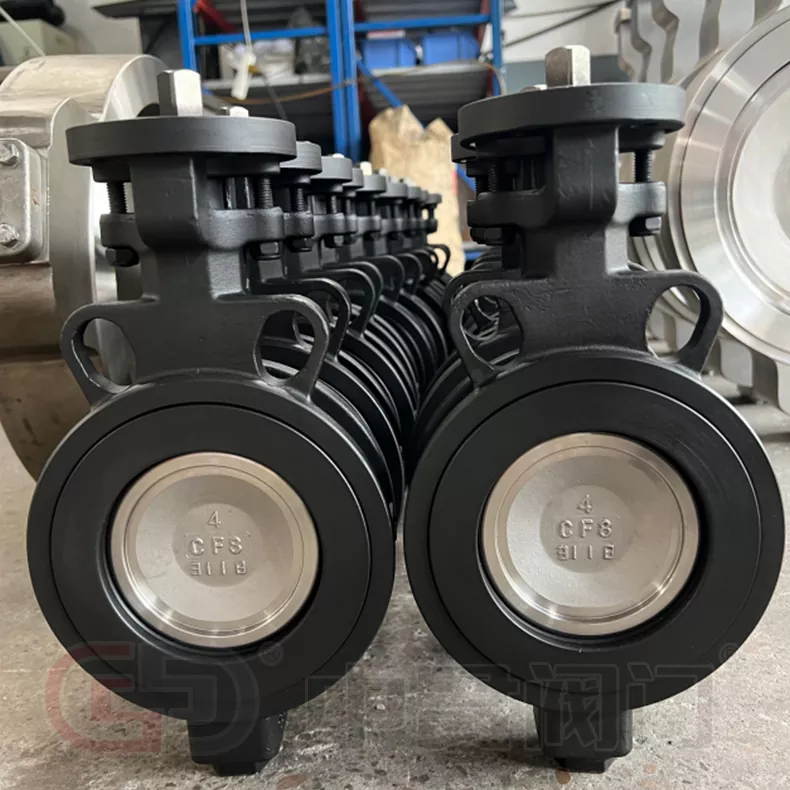
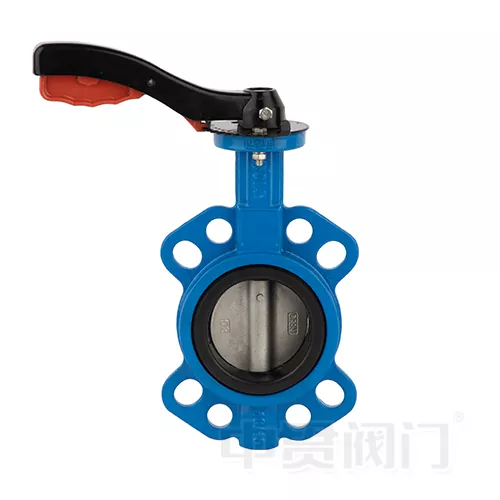
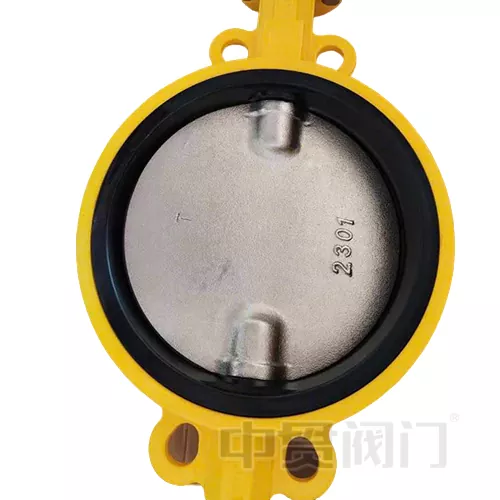
A half-stem design butterfly valve is a variation of the traditional butterfly valve in which the valve stem is partially integrated into the disc rather than passing entirely through it. Unlike full-stem designs, the half-stem structure minimizes internal flow obstruction while maintaining mechanical strength and precise torque transmission.
This configuration reduces turbulence, lowers pressure drop, and enhances overall flow efficiency—making it especially suitable for large-diameter pipelines and systems requiring frequent operation.
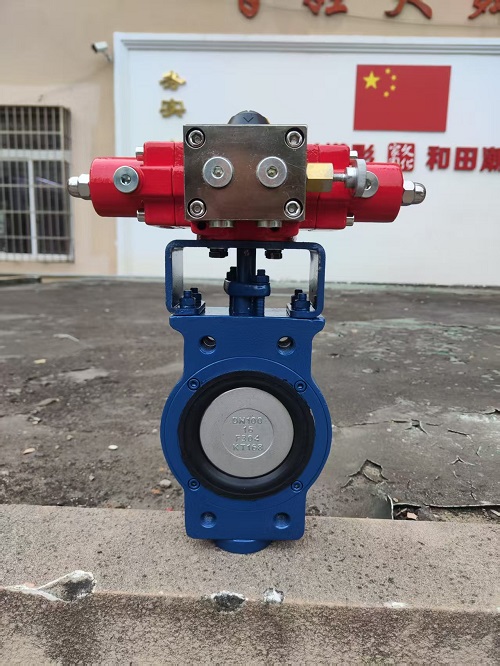
Manufacturers such as Zhejiang Zhongguan Valve Manufacture Co., Ltd. carefully engineer these features to ensure long service life, stable operation, and compatibility with pneumatic, electric, or manual actuators.
The operational principle remains consistent with standard butterfly valves: a quarter-turn rotation of the disc controls flow. However, due to the half-stem configuration, the disc experiences more uniform torque distribution during opening and closing.
This results in smoother actuation, reduced wear on sealing surfaces, and improved control accuracy—especially under high-flow or variable-pressure conditions.
From an engineering standpoint, the half-stem design addresses several limitations of conventional butterfly valves:
These benefits translate directly into lower operating costs and improved system reliability over time.
Half-stem design butterfly valves are widely adopted in:
Their versatility makes them suitable for both on-off and modulating control applications.
| Parameter | Typical Range |
|---|---|
| Nominal Diameter | DN50 – DN2000 |
| Pressure Rating | PN10 / PN16 / Class 150 |
| Body Material | Cast Iron, Ductile Iron, Carbon Steel, Stainless Steel |
| Seat Material | EPDM, NBR, PTFE, Metal Seated |
| Operation | Manual, Electric, Pneumatic |
Compared with full-stem butterfly valves, half-stem designs offer:
For systems prioritizing energy efficiency and long-term stability, the half-stem design often provides superior value.
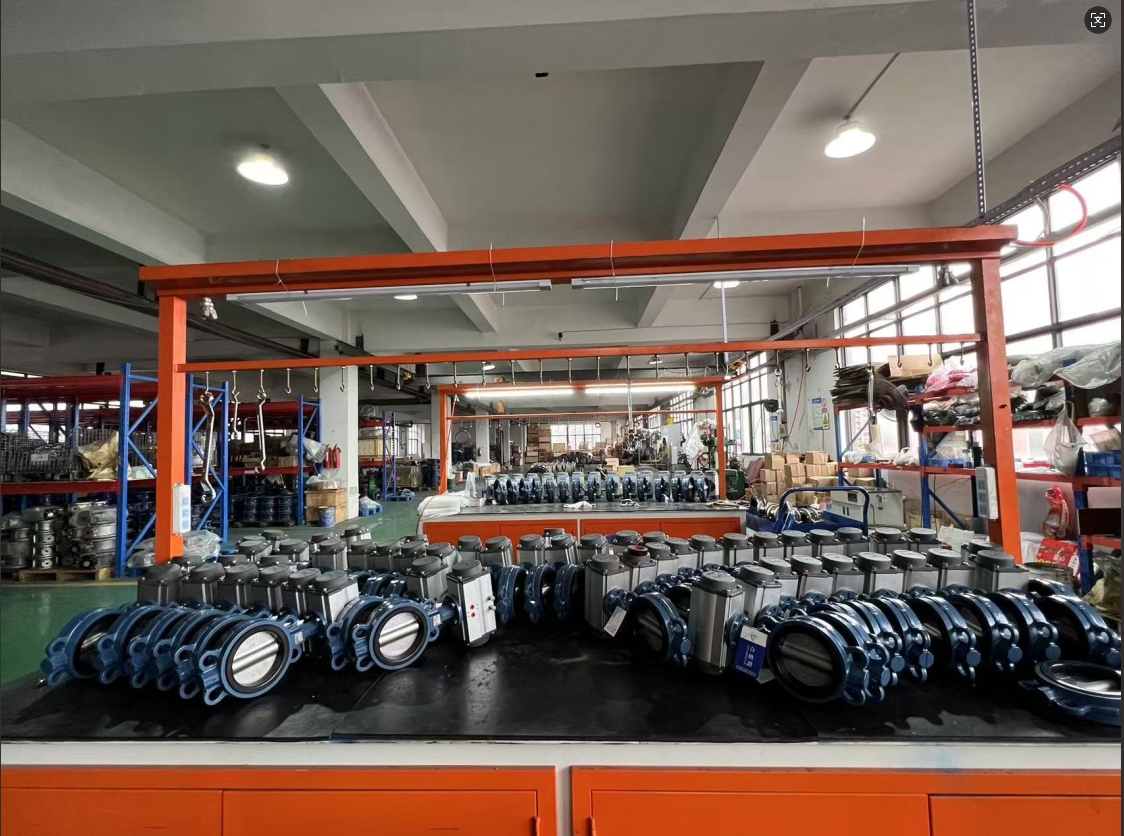
High-quality half-stem design butterfly valves are produced under strict quality control systems. Reputable manufacturers follow standards such as ISO 9001, API, and EN specifications to ensure dimensional accuracy, material traceability, and performance consistency.
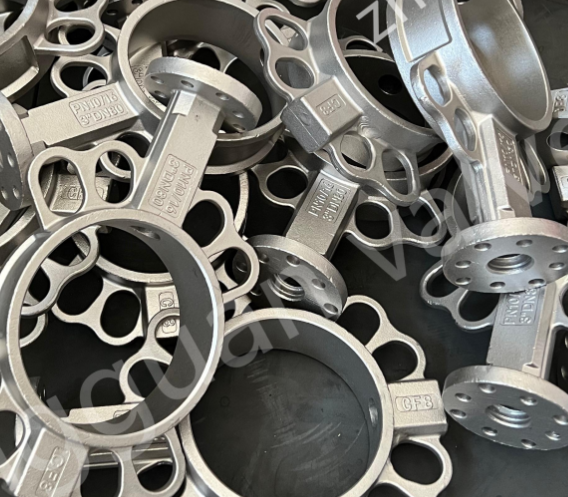
Zhejiang Zhongguan Valve Manufacture Co., Ltd. integrates advanced machining, precision casting, and rigorous testing procedures to meet global market requirements.
What is the main purpose of a half-stem design butterfly valve?
The primary purpose is to optimize flow efficiency while maintaining structural strength, reducing torque, and improving sealing reliability.
What makes a half-stem design different from a standard butterfly valve?
The half-stem design partially integrates the stem into the disc, minimizing flow obstruction and enhancing hydraulic performance.
What applications benefit most from half-stem design butterfly valves?
Large-diameter pipelines, energy-efficient systems, and applications requiring frequent valve operation benefit the most.
What materials are commonly used in half-stem design butterfly valves?
Common materials include ductile iron, carbon steel, stainless steel for the body, and EPDM, PTFE, or metal seats for sealing.
What factors should be considered when selecting a half-stem design butterfly valve?
Key factors include pressure rating, temperature range, medium type, actuation method, and compliance with industry standards.
If you are looking for a reliable, high-performance solution tailored to your specific application, the half-stem design butterfly valve offers a proven balance of efficiency and durability. To learn more about customized valve solutions or to request technical support, contact us today and let our experts assist you in optimizing your flow control system.