Language

Extended Stem Butterfly Valve design is gaining relevance as pipeline systems evolve toward easier maintenance, more flexible installation, and better integration with modern infrastructure management. As water networks and industrial pipelines expand or undergo renovation, equipment accessibility is becoming an important part of long-term system planning.
Traditional pipeline design often focuses on pressure ratings, flow requirements, materials, and installation costs. While these factors remain essential, infrastructure operators are increasingly considering how equipment can be accessed and maintained after construction.
Underground pipelines present a particular challenge. Valves may be located beneath roads, landscaped areas, or restricted-access sites. When a valve needs inspection or operation, its location can affect the time, labor, and site preparation required.
These issues have encouraged greater attention to valve configurations that accommodate different installation depths without making routine operation unnecessarily difficult.
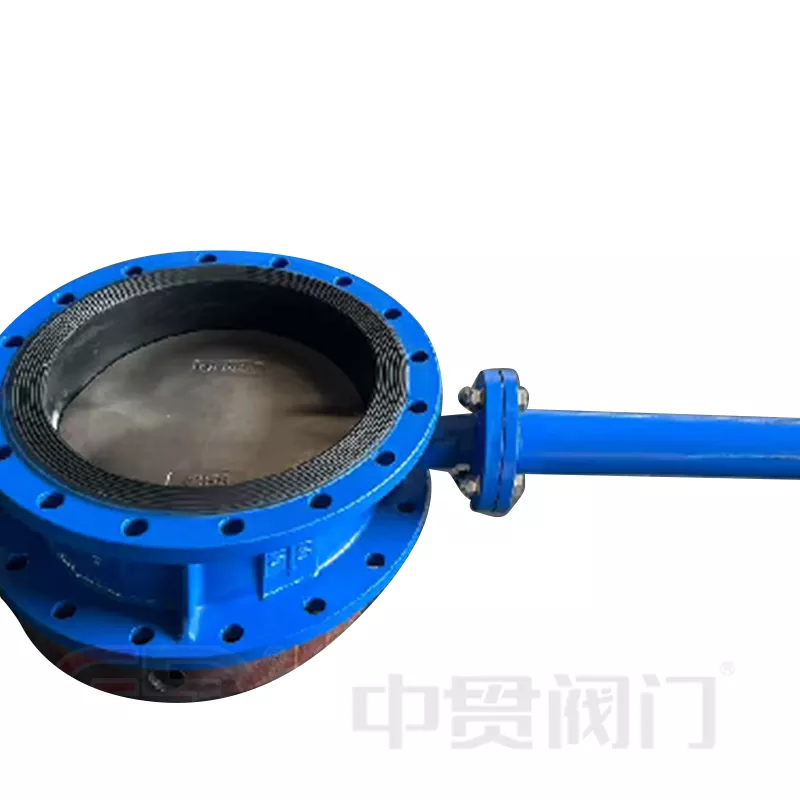
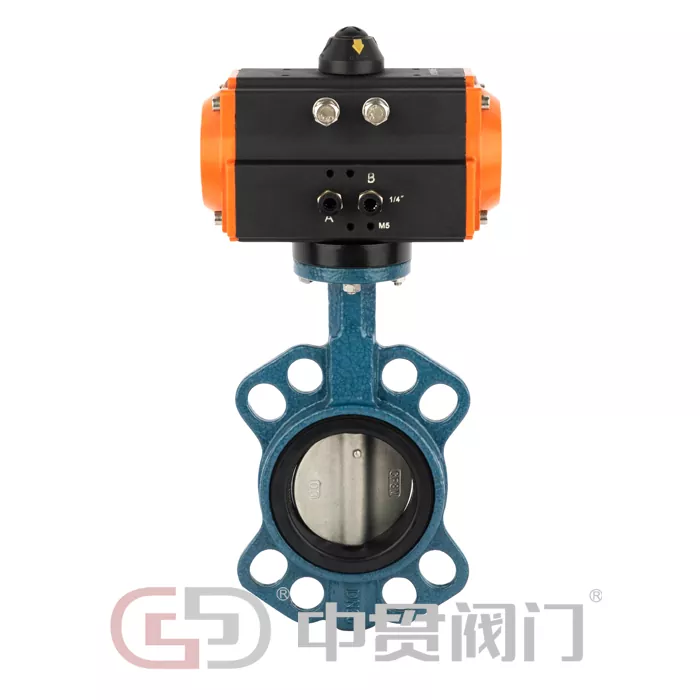
A butterfly valve controls flow through a rotating disc positioned inside the pipeline. The disc turns to regulate or stop the movement of a medium, while the operating mechanism transfers movement through a shaft.
An extended stem increases the distance between the valve body and its operating point. This allows the valve body to remain in a buried or otherwise difficult-to-reach location while the operating mechanism is positioned where access is more practical.
For underground water distribution, drainage networks, and certain industrial pipelines, this arrangement can simplify access to valves installed below ground level. The actual configuration depends on pipeline depth, available space, operating requirements, and the type of actuator or manual mechanism used.
The need for accessible valve operation varies across pipeline environments. In municipal water networks, Extended Stem Butterfly Valves are used to isolate sections during repairs or maintenance. In water treatment facilities, their locations must fit the layout of equipment, pipework, and access routes. Industrial utility systems may also require valves to be installed in compact spaces or areas with restricted access.
| Application | Main Design Consideration |
|---|---|
| Municipal water networks | Accessibility for isolation and maintenance |
| Water treatment plants | Coordination with pipework and access structures |
| Industrial pipelines | Installation space and operating conditions |
| Infrastructure renovation | Compatibility with existing pipelines and site layouts |
An extended stem is not automatically the best option for every installation. Where a valve is already accessible, a standard configuration may be sufficient. The decision should reflect the actual operating environment rather than the assumption that a more complex structure is always preferable.
The transition toward more adaptable pipeline systems does not remove the need for conventional engineering checks. Valve size, pressure rating, body material, disc material, and seat design must remain suitable for the medium and operating conditions.
Stem length and alignment are especially important in extended configurations. An unsuitable arrangement can make operation difficult or introduce additional mechanical stress. The operating mechanism must also provide sufficient torque for the valve under its intended service conditions.
Environmental exposure is another consideration. Underground installations may experience moisture, soil contact, flooding, or limited ventilation. The materials and protective measures should reflect the conditions at the installation site.
Maintenance planning should also account for the surrounding access chamber, clearance for operating equipment, and the method used to inspect or test the valve after installation.
Next-generation pipeline systems increasingly combine physical equipment with digital monitoring. Sensors can track parameters such as pressure and flow, while supervisory systems help operators identify unusual operating conditions and coordinate maintenance activities.
However, monitoring and valve operation are separate functions. An extended stem improves the position from which a valve can be operated, but it does not inherently provide remote control or automated monitoring. Those functions require compatible actuators, control equipment, and system integration.
This distinction is important when planning infrastructure upgrades. Mechanical accessibility, automation capability, and data monitoring should be evaluated as related but separate elements of the overall design.
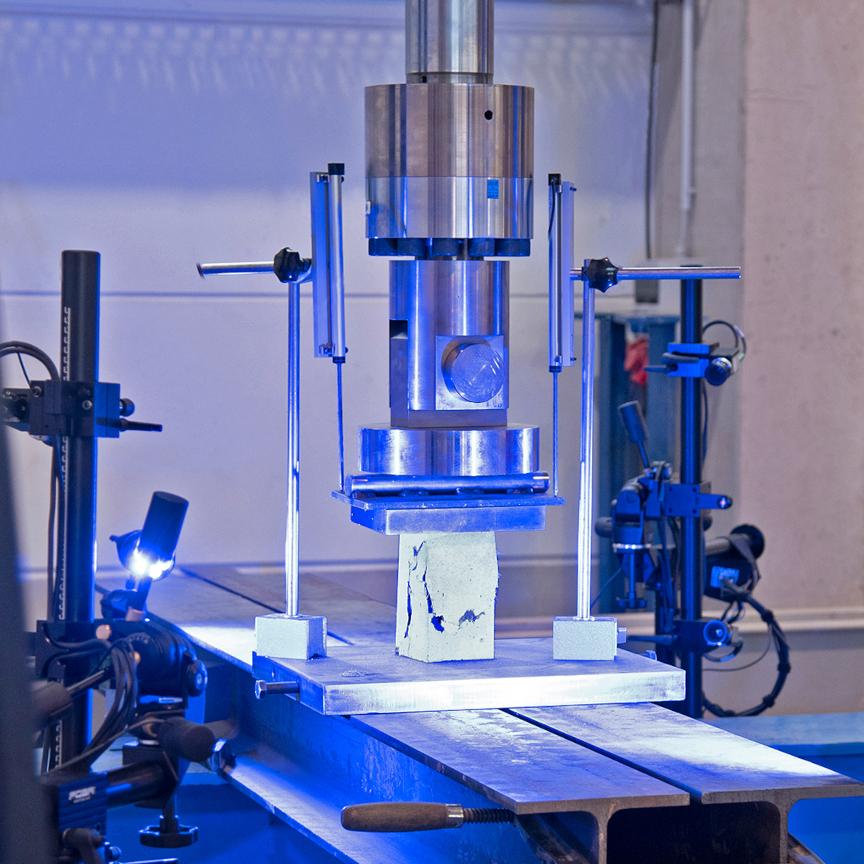
Valve performance also depends on the quality of machining, assembly, and testing. Dimensional accuracy affects how components fit together, while seat installation and pressure testing help assess sealing performance under specified test conditions.
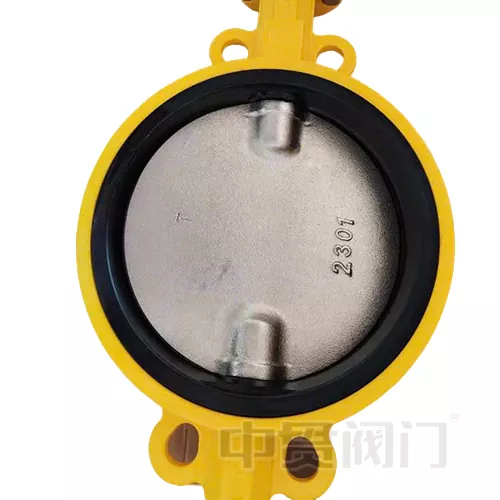
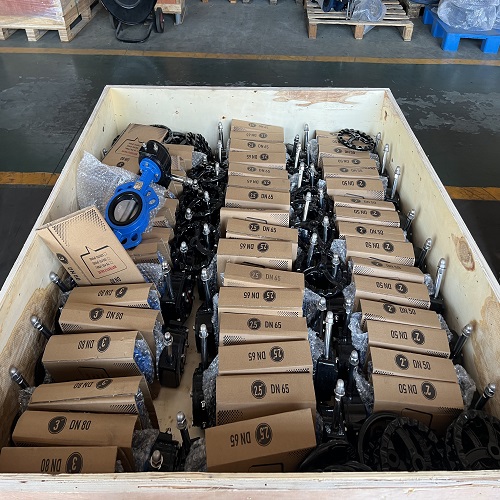
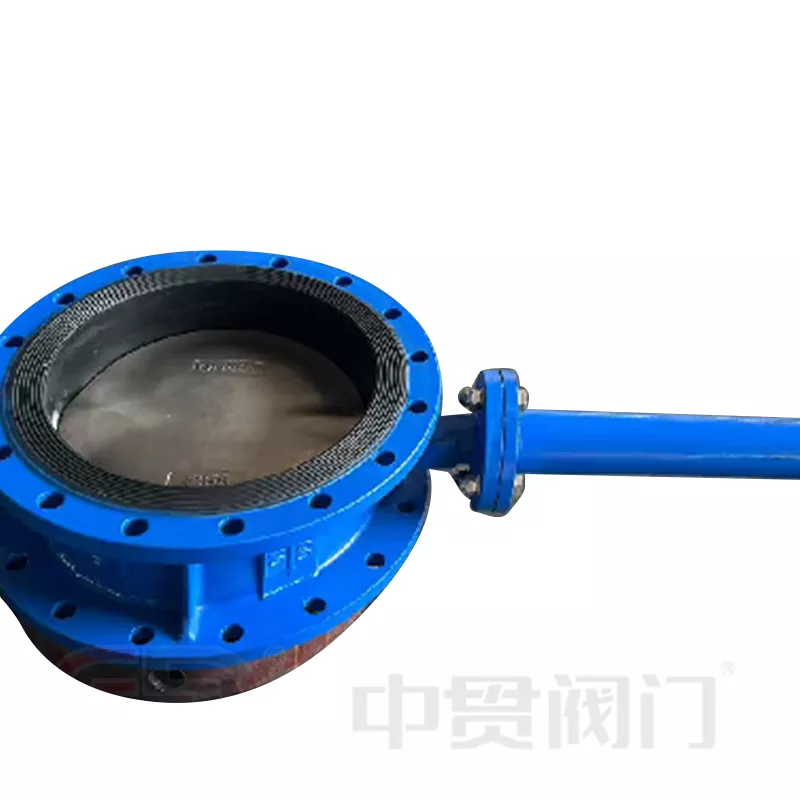
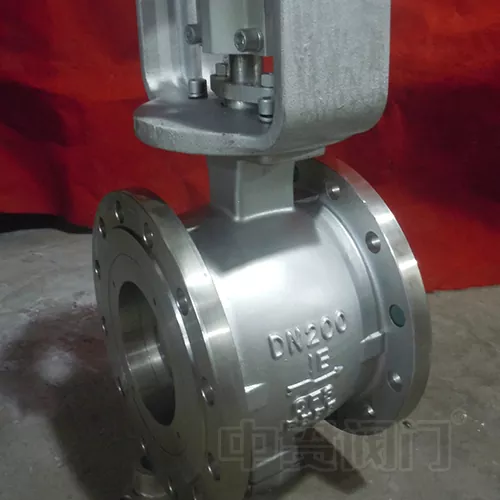
Zhejiang Zhongguan Valve Manufacture Co., Ltd., based in Yongjia, Wenzhou, Zhejiang, has experience in butterfly valve production. Its stated product range includes wafer, lug, U-section, and flange configurations, with common production sizes from DN40 to DN1600. Its production processes include CNC machining, assembly, valve marking, and pressure testing.
These processes illustrate the manufacturing stages involved in producing industrial valves. For any pipeline project, the relevant specifications and test records provide the basis for assessing whether a particular valve is suitable for its intended service.
The next stage of pipeline development is not defined by a single valve design or digital technology. It depends on how effectively individual components fit the operating conditions of the complete network.
As infrastructure owners address aging pipelines, urban development, and maintenance demands, valve accessibility is likely to remain an important planning consideration. Extended stem arrangements offer a practical option where the valve body and operating point need to be separated by installation depth.
Ultimately, the value of an Extended Stem Butterfly Valve lies in its suitability for the application, including accessibility, mechanical compatibility, and maintenance requirements. Its role in next-generation pipeline systems is part of a broader shift toward infrastructure designed not only for installation, but also for practical operation throughout its service life.
-