Language

Hard seal and soft seal are the two most fundamental sealing methods for valves. Their fundamental difference lies in the material of the sealing pair (the contacting parts when the valve is closed).
Simply put: A soft seal is like a "rubber gasket"—it has good elasticity, can achieve zero leakage, but cannot withstand high temperatures or high pressures. A hard seal is like "metal-to-metal"—it is stronger, more durable, suitable for harsh conditions, but its sealing performance is slightly inferior.
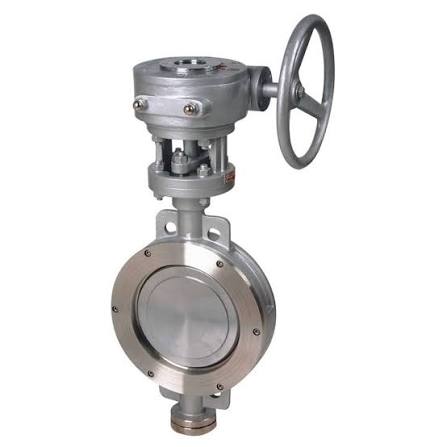
Below is a more detailed and specific comparison:
|
Comparison Aspect |
Soft-Seal Valves |
Hard-Seal Valves |
|
Sealing Pair Material |
Metal + Non-metal. The non-metal is typically rubber (NBR, EPDM, etc.) or plastic (PTFE, Nylon, etc.). |
Metal + Metal. Commonly stainless steel, copper alloys, cemented carbides (e.g., Stellite), or metal + ceramic. |
|
Sealing Performance |
Excellent. The elastic deformation of soft materials can fill microscopic gaps, typically achieving zero leakage. |
Good. However, a perfect metal-to-metal seal is difficult to achieve; minor leakage may exist. Some high-end products can claim "zero leakage." |
|
Temperature Tolerance |
Not heat-resistant. Suitable for normal ambient temperatures, generally ≤80°C or ≤250°C (depending on the material). High temperatures can cause deformation and aging of non-metallic materials, leading to leaks. |
Wide temperature range. Can withstand high temperatures (typically ≥250°C) and low temperatures, with stable material properties and resistance to aging. |
|
Pressure Tolerance |
Primarily used in medium-to-low pressure applications. Soft materials can be extruded or damaged under high pressure. |
Can handle medium-to-high pressure, even ultra-high pressure (e.g., ≥35 MPa), due to high metal strength. |
|
Wear Resistance |
Poor. Easily scratched by solid particles (sand, weld slag, rust) in the media, leading to seal failure. |
Excellent. Metal sealing surfaces are wear-resistant and suitable for media containing solids or with erosive properties. |
|
Manufacturing Process |
Relatively simple. Soft materials have some elasticity, requiring lower machining precision, hence lower cost. |
Complex. Requires precision machining, lapping, and surface hardening treatments, leading to longer production cycles and higher cost. |
|
Service Life |
Sealing components have a shorter lifespan, prone to aging and wear, requiring periodic replacement. |
Metal sealing surfaces have a long lifespan, being robust and durable. |
|
Typical Applications |
Clean media, low pressure, normal temperature: e.g., tap water, air, oil, water treatment. |
High temperature, high pressure, particulate-laden, corrosive media: e.g., steam, thermal oil, heating gas, coal gas, oil, acids/alkalis. |
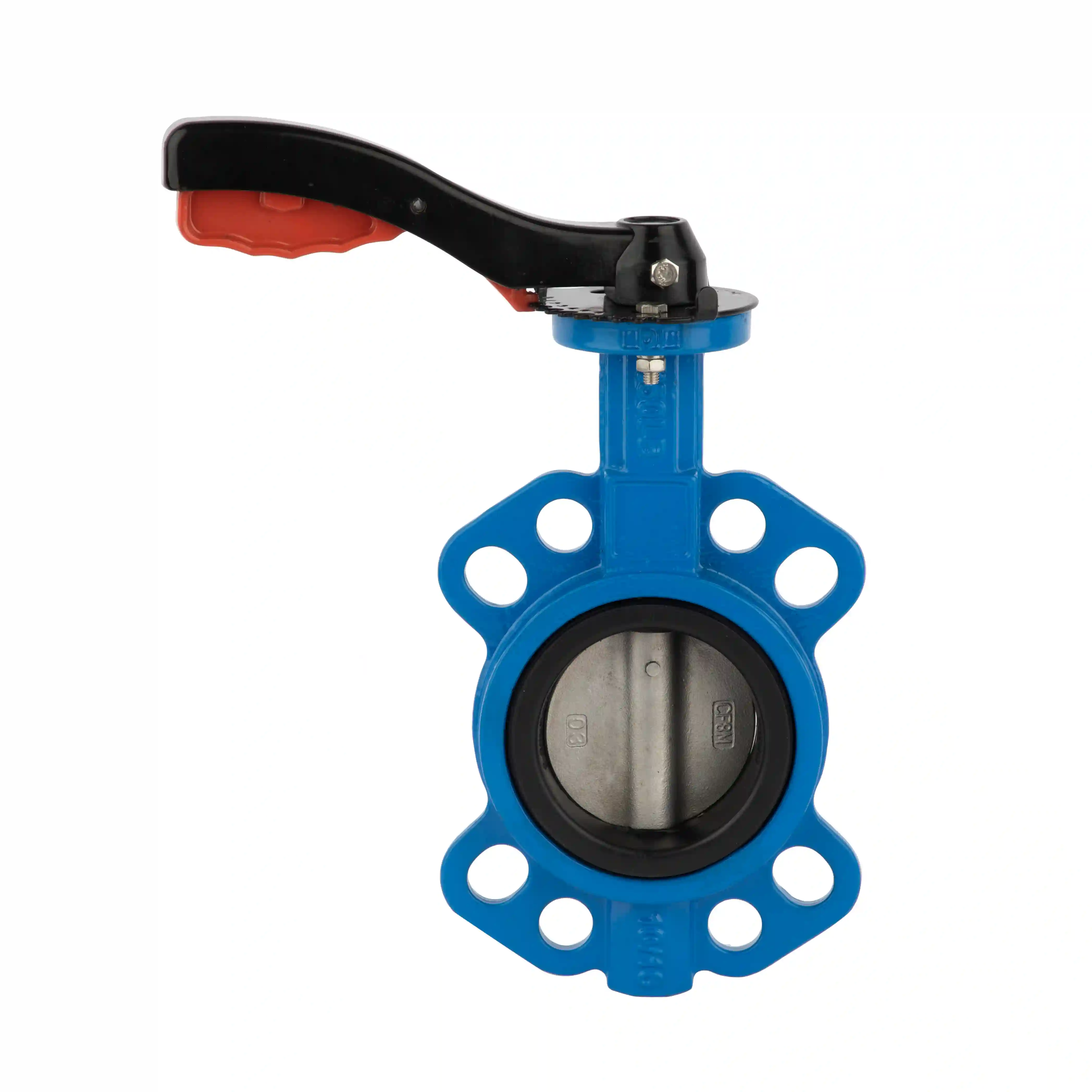
1.Consider the Media and Temperature: If the media is clean water or air at normal temperature, a soft seal is a good choice to easily achieve zero leakage. However, if it is high-temperature steam, thermal oil, or corrosive chemicals, a hard seal is mandatory, as soft sealing materials will rapidly degrade in such environments.
2.Consider Media Cleanliness: If the pipeline may contain solid particles like weld slag, rust, or sand (common in new installations or old piping networks), prioritize a hard seal to prevent scratches on soft sealing surfaces.
3.Consider the Pressure Rating: For conventional medium-to-low pressure pipelines, either type can be used. However, for high-pressure or ultra-high-pressure applications, a hard seal is the inevitable choice.