Language

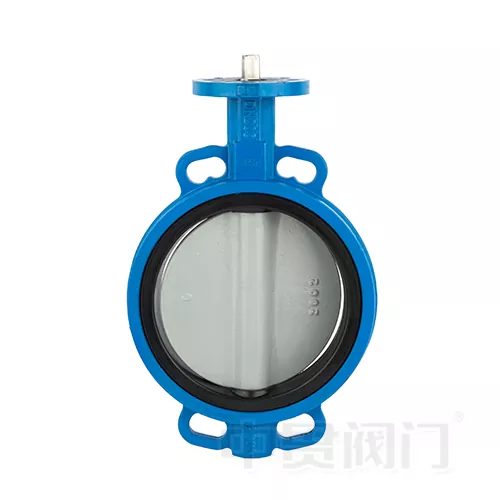
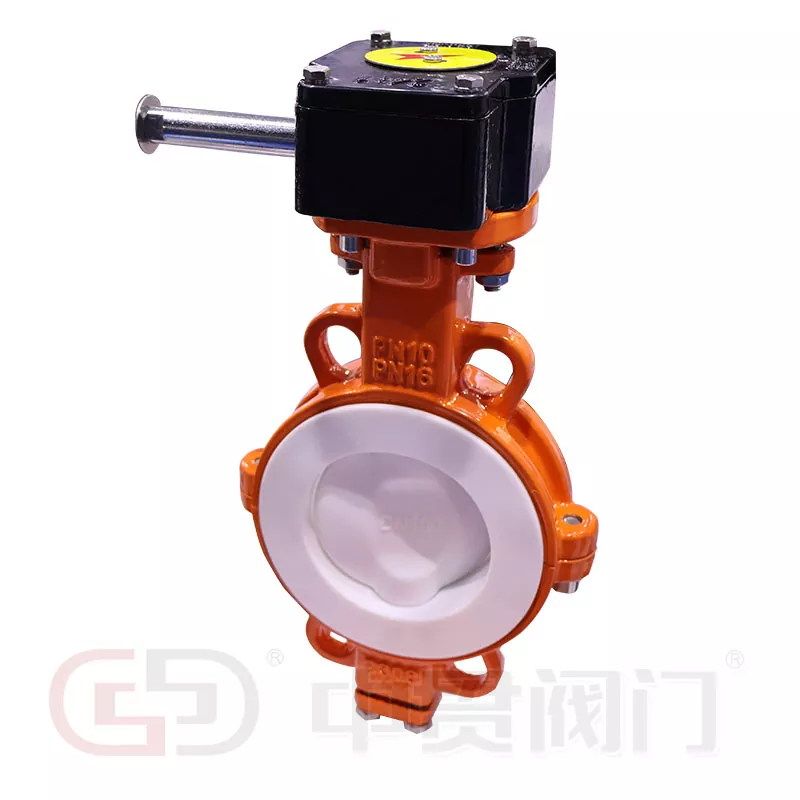
Wafer-type connection is a method of fastening valves (especially butterfly valves, check valves, etc.) between pipe flanges using long bolts. Its defining characteristic is: the valve does not have its own integral flanges; instead, long bolts pass through the flanges of the two pipes to secure the valve in the middle.
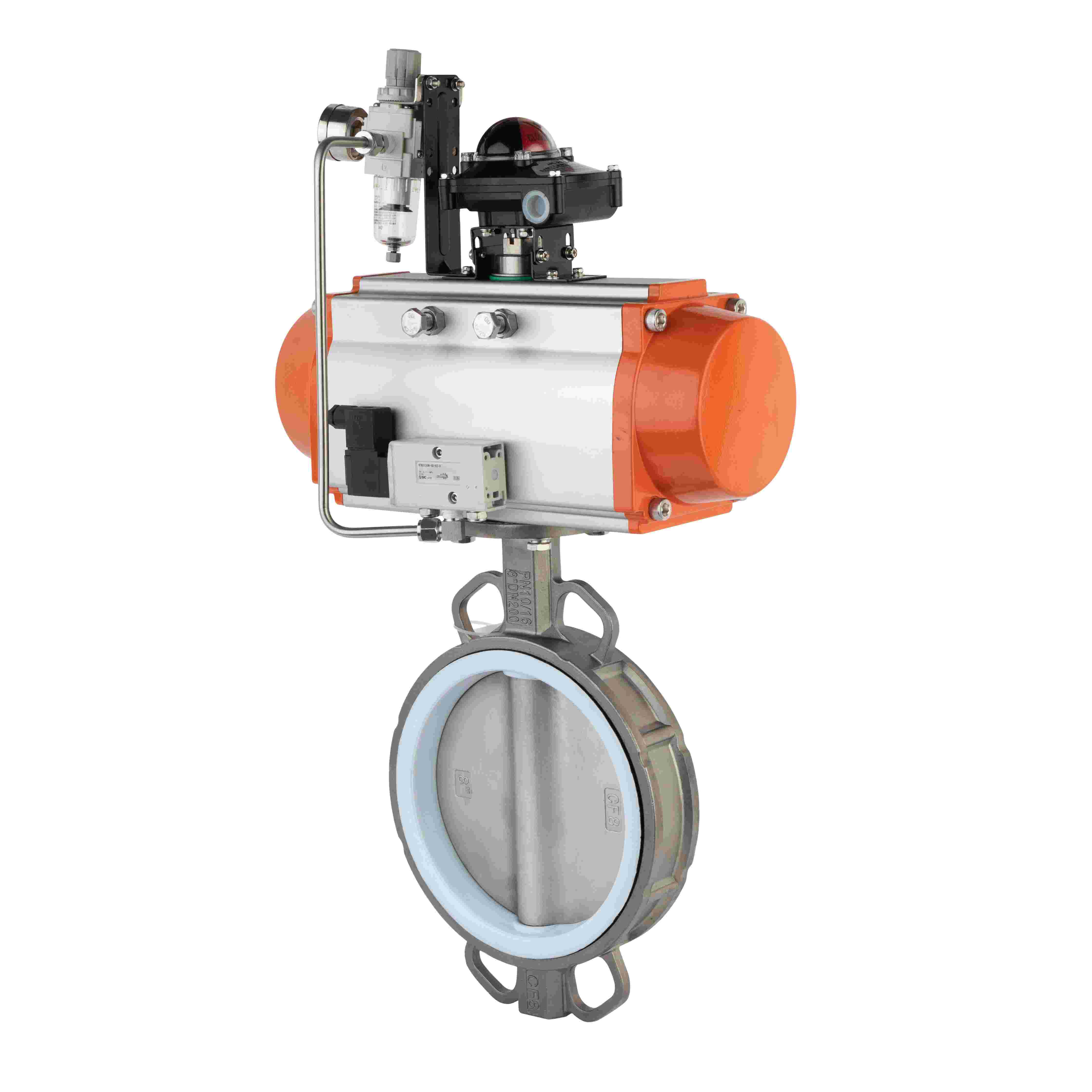
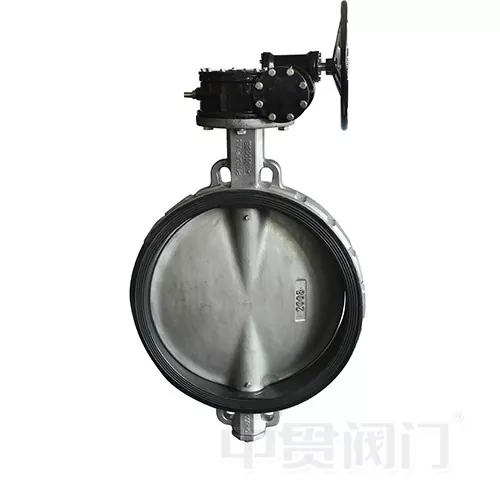
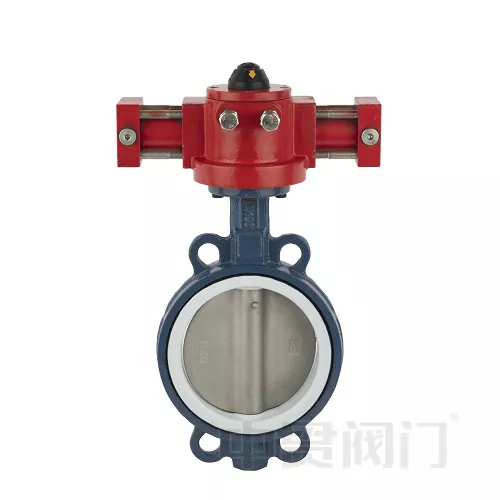
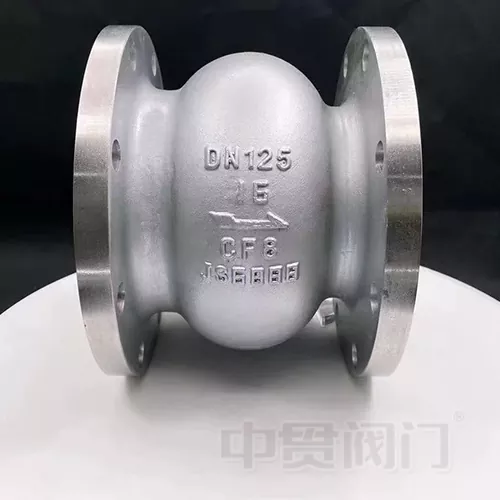
Valve: The valve body has no flange bolt holes, only a smooth locating face. Common examples: wafer butterfly valves, wafer check valves.
Bolts: Typically stud bolts or through bolts, long enough to pass through the bolt holes of both pipe flanges.
Pipe Flanges: The pipe ends must be equipped with standard flanges.
Nuts: Used for tightening.
Place the wafer valve between the flanges of the two pipes.
Insert long bolts through the bolt holes of one pipe flange → through the calibration holes in the wafer valve body → through the bolt holes of the reverse pipe flange.
Fasten the nuts on both ends. As the nuts are tightened, the two pipe flanges are pulled together.
This clamping force seals the valve between the flanges, with gaskets (or the valve's built-in resilient seal) forming the sealing interface.
|
Feature |
Wafer-Type |
Flanged (Traditional) |
|
Bolts |
Long bolts; same number as flange holes |
Two sets of bolts/nuts (one per flange) |
|
Valve Construction |
Light, thin, compact |
Heavy, long, with integral flanges |
|
Installation/Removal |
Requires disconnecting both sides to remove valve |
Can remove valve by unbolting one flange |
|
Cost |
Lower valve cost; pipe flanges still required |
Higher valve + flange cost |
|
Weight |
Light; ideal for large diameters |
Heavy |
|
Leak Paths |
Fewer (two sealing faces: valve-to-flange each side) |
More (four faces: two flange gaskets plus two flange-to-valve) |