Language

What is a Flange Connection?
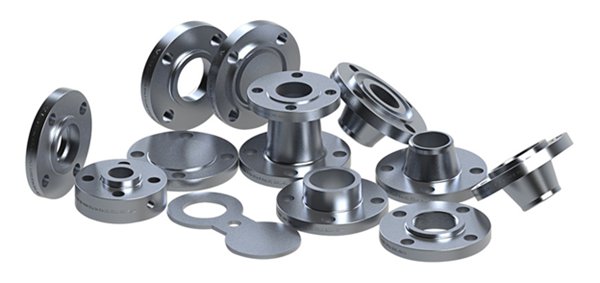
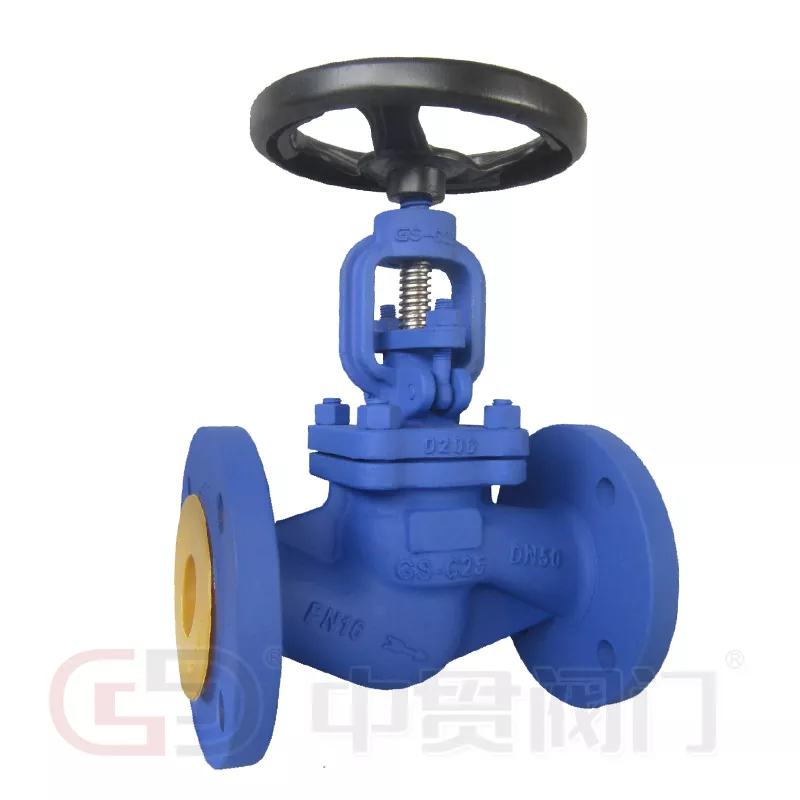
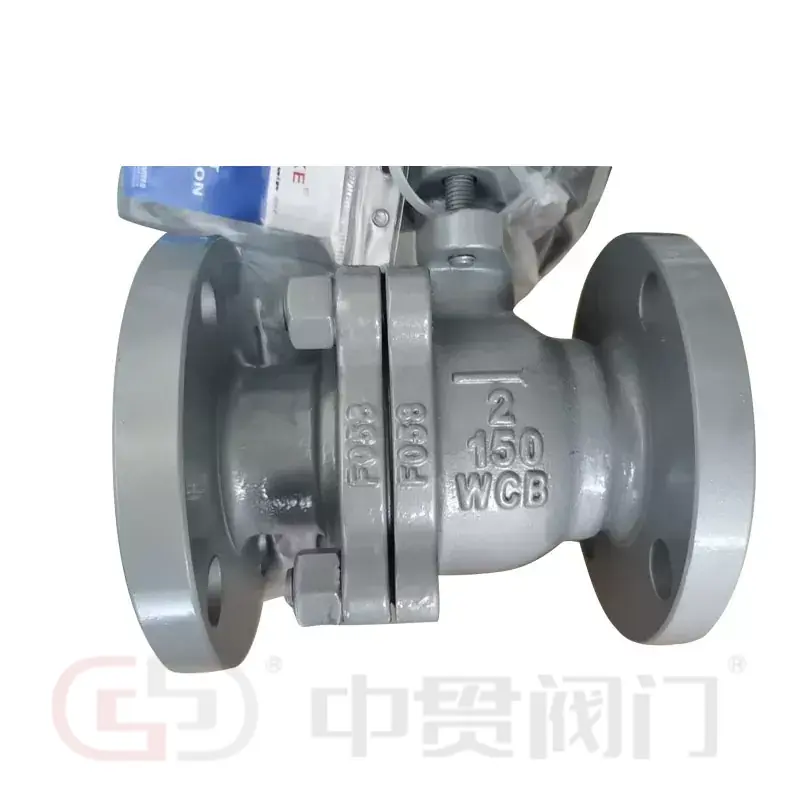
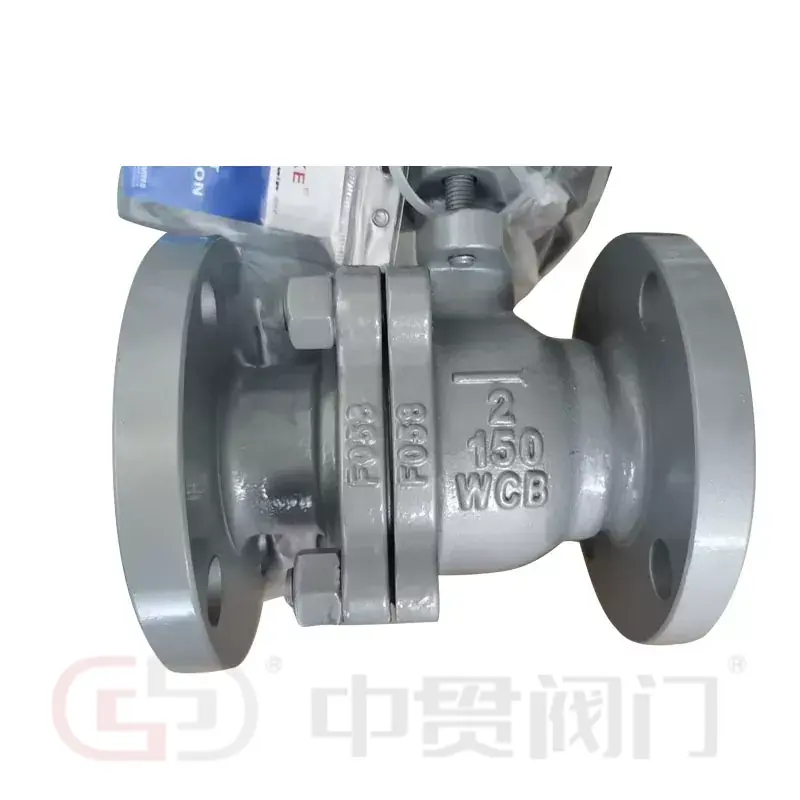
A flange connection is a connection method that widely used detachable mechanical. It often uses a pair of flanges, a sealing gasket, and bolts and nuts to connect pipes, valves, or equipment together tightly .
Its key principle is: using the tightening force of bolts to compress the sealing gasket between the flanges, so protecting the fluid (liquid or gas) from leaking.
A typical flange connection including the following four main parts:
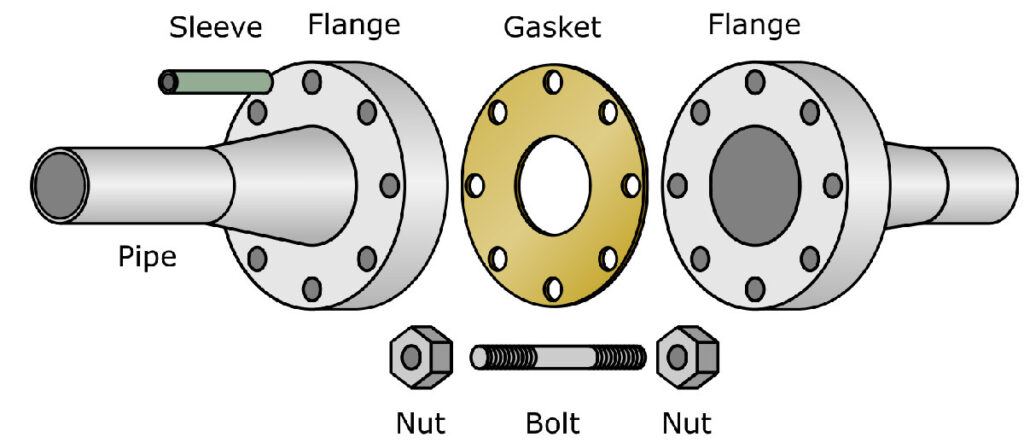
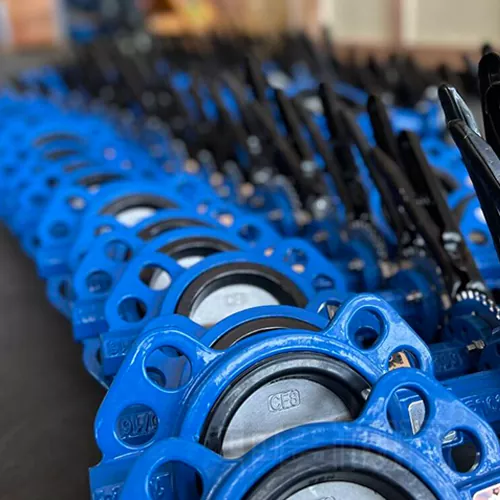
Flange: A disc-shaped part fastened to the end of a pipe or equipment port, typically with bolt holes.
Sealing Gasket: Put between the sealing faces of two flanges, it is pressed to render sealing.
Bolts and Nuts: Go through the bolt holes on the flanges to supply the gripping force.
Sealing Face: The surface of the flange that approach the gasket; it comes in distinct types (e.g., raised face, male/female face, etc.).
Main Advantages:
High advantage and sturdy sealing: Qualified of handling high pressure, high temperature, or erosive media.
Easy dismantling and maintenance: The connection can be easily opened for pipe cleaning, equipment inspection, or part substitute.
Good substitutability: Flanges abide by national standards (e.g., GB), chemical industry standards (e.g., HG), mechanical industry standards (e.g., JB), and international standards (e.g., ANSI/ASME, DIN). Products from different manufacturers can be alternated on condition that they adhere to the same standard.
General Applications:
Pipeline engineering: Linking pipes to pipes, pipes to valves, and pipes to pumps.
Pressure container: Attachments for manholes and handholes on reaction vessels and receptacles.
Connection point: Inlet and outlet connections of pressurizers, and connections between the channel shell and shell of heat interchangers.
Manufacturing systems and public utilities: Oil, chemical, natural gas, water treatment, heating systems, and so on.
Simple Comparison with Other Connection Ways:
Compared to welding: Flange connections are removable, but they are more costly and can introduce extra possible leak points.
Compared to threaded connections: Flange connections can endure higher pressures and adapt to larger pipe diameters, but they are more complicated to install and call for more space.
Simple Summary: When there is a requirement to resist high pressure, deal with large pipe diameters, or demand frequent disassembly for servicing, the flange connection is normally the favourite method. The most common examples are the couplings on firefighting water pipes or factory steam pipelines that highlight "raised discs" and are fixed with a circle of bolts.