Language

Butt welding is a welding method where the ends of two workpieces are placed facing each other, heated simultaneously across the entire end surface, and pressure is practical to reach atomic bonding between the two workpieces in the solid state, therefore joining them into one piece.
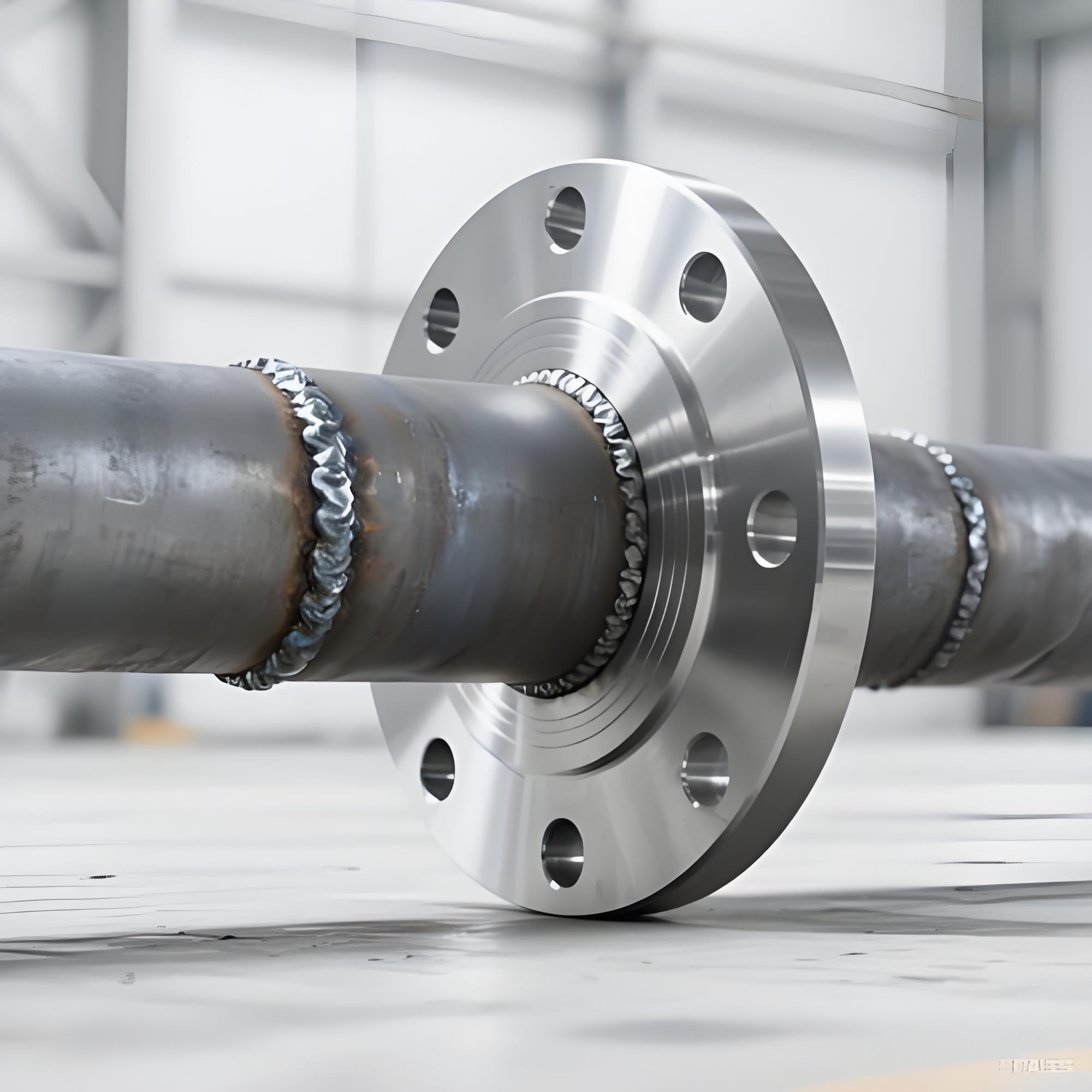
To help you understand more impressively, a comparison is furnished from many perspectives:
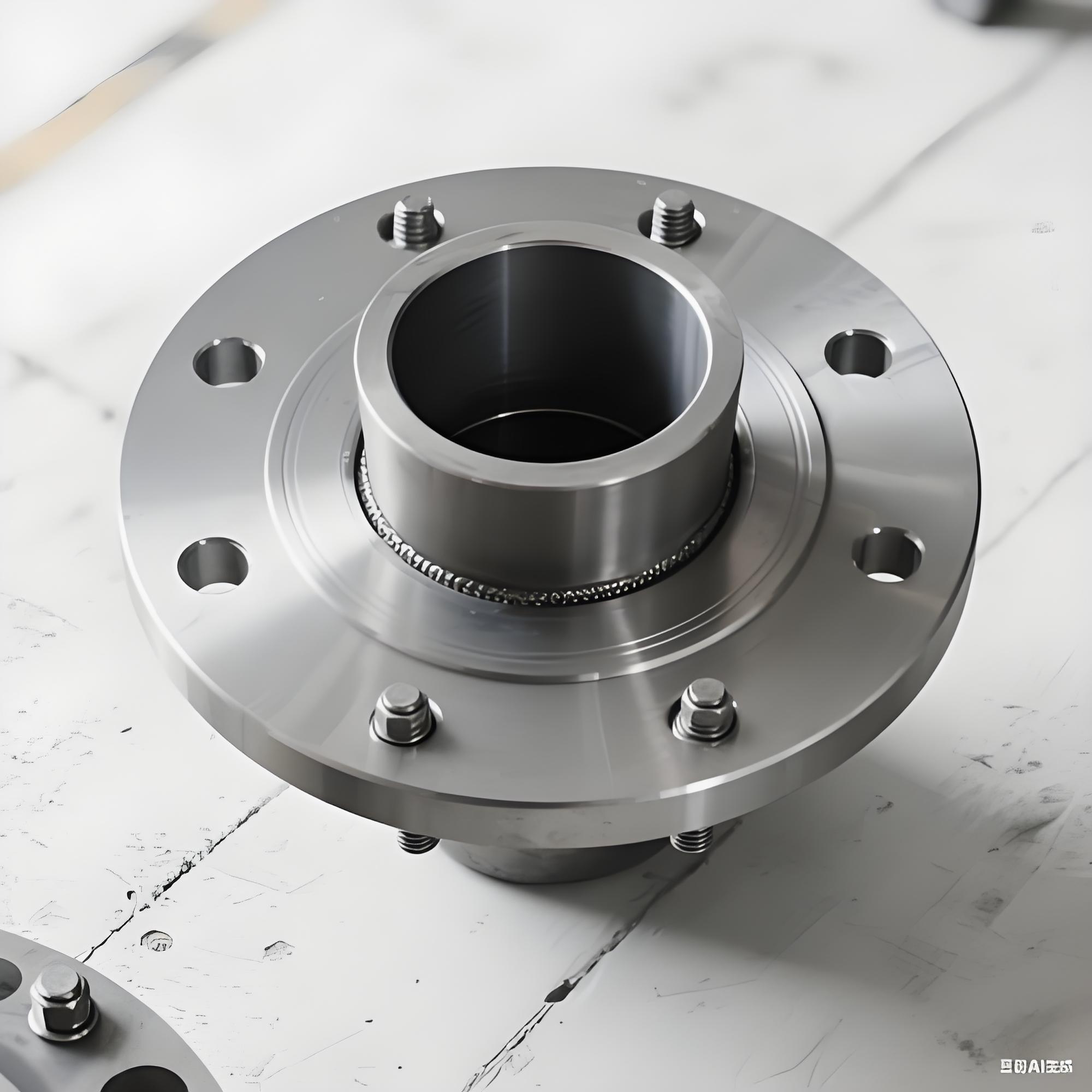
|
Comparison Item |
Butt Welding |
Socket Welding |
|
Connection Method |
Ends are lined up flush and welded directly |
One end is inserted into the other and fillet welded on the outside |
|
Pipe Size Range |
Typically used for DN50 and above |
Typically used for DN50 and smaller |
|
Weld Type |
Butt weld, full penetration |
Fillet weld, not fully penetrated |
|
Internal Gap |
No step, smooth inner wall |
Gap exists, which may accumulate media or cause corrosion |
|
Inspection Method |
Can be radiographed (RT), high reliability |
Difficult to radiograph (RT), mostly MT or PT |
|
Strength Capability |
Capable of withstanding higher pressure, temperature, and fatigue loads |
Suitable for low pressure and static conditions |
|
Comparison Item |
Butt Welding |
Flanged Connection |
|
Connection Nature |
Permanent, non-removable |
Removable, easy to maintain and replace |
|
Sealing Point |
No gasket seal; the weld itself is the seal |
Relies on gaskets and bolts; potential leak points exist |
|
Service Conditions |
High temperature, high pressure, severe temperature cycling |
Conventional conditions, can be upgraded with different gasket ratings |
|
Installation & Maintenance |
Requires skilled welder; difficult to modify after welding |
Quick assembly with bolt tightening; convenient for inspection |
|
Weight & Space |
Compact structure, no flanges, saves space and material |
Flanges occupy more space, add weight and cost |
|
Typical Applications |
Main steam lines, hydrogen service lines, high-temperature high-pressure valve connections |
Equipment interfaces, valves or pipe sections requiring regular disassembly |
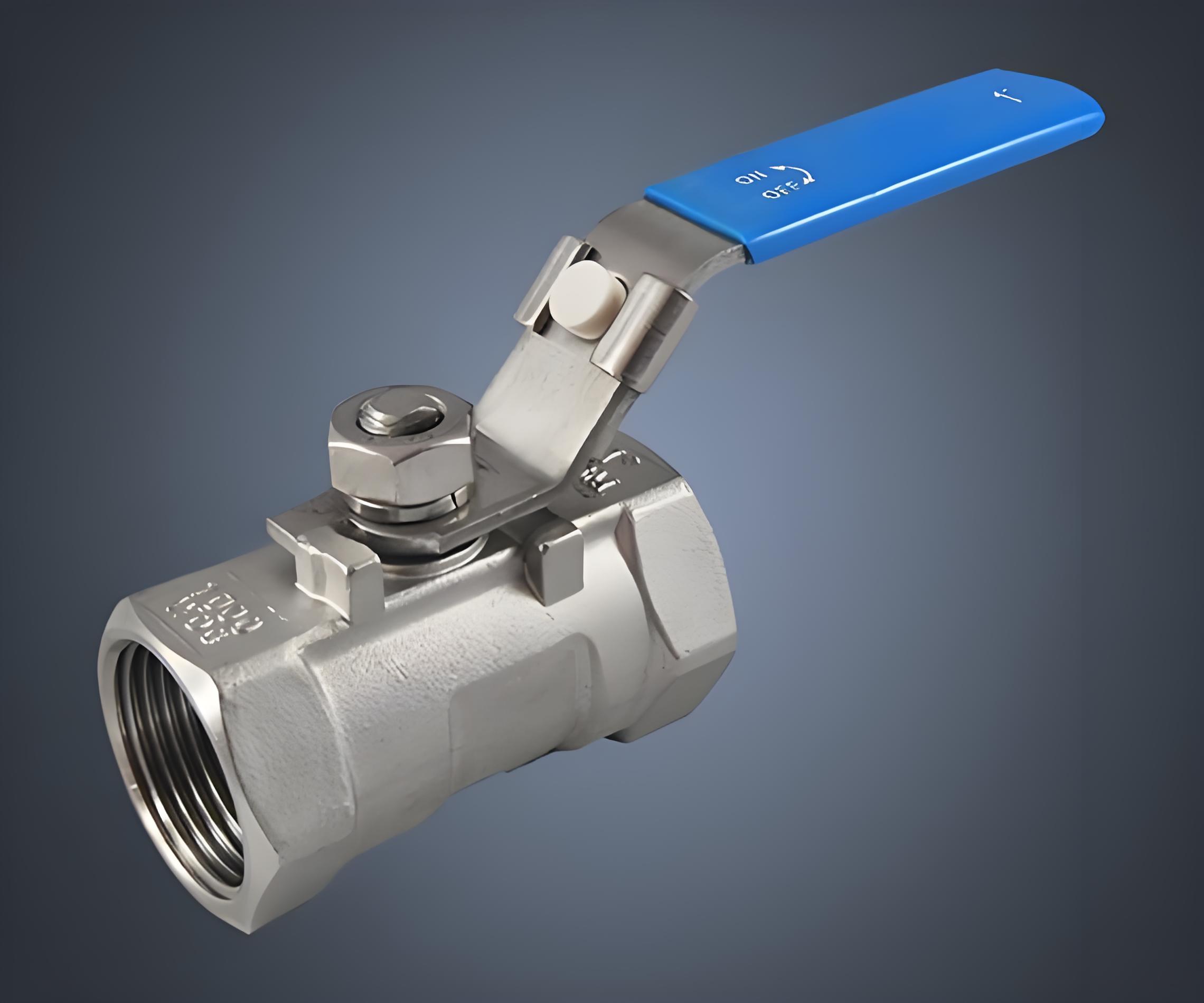
|
Comparison Item |
Butt Welding |
Threaded Connection |
|
Sealing Reliability |
Extremely high, no leakage (if weld is sound) |
Low, relies on sealant or PTFE tape; can loosen under vibration |
|
Pressure/Temperature Limit |
Can be used for ultra-high pressure and ultra-high temperature |
Limited to medium/low pressure and normal or moderate temperature |
|
Connection Strength |
Fused integrally, strength close to base metal |
Stress concentration at thread root |
|
Installation Difficulty |
Requires welding equipment and skilled welder |
Only needs hand tools; can be assembled quickly on site |
|
Leakage Risk |
Almost no leakage if weld is sound |
Leakage may gradually occur with temperature cycling or vibration |
In one sentence: Butt welding is the strongest, most reliable, and non-removable connection method, suitable for large-bore, high-temperature, high-pressure, no-leakage severe service conditions.