Language

In the field of valves, X5 and X6 mean with two different sealing materials.
What is X5?
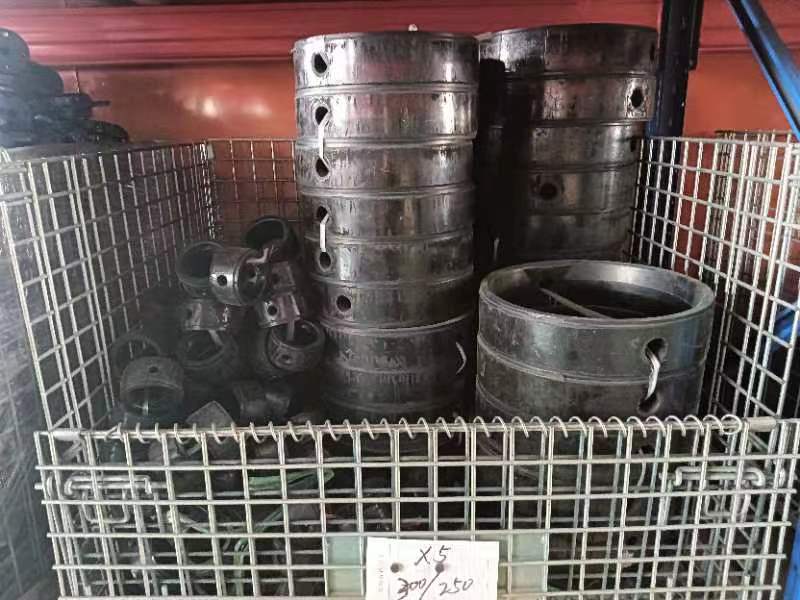
X5 is a specific material code representing Nitrile Rubber. It is a synthetic rubber and is a mainstream choice in industrial applications, especially for valve seals involving oil-based media.
Its major characteristics can be summarized as follows:
Superior Advantage - Excellent Oil Resistance: It is the most prominent feature of X5 material. It is especially resistant to petroleum-based oils such as engine oil, lubricating oil, hydraulic oil, and fuel oil, making it universally used in manufacturing sealing materials for hydraulic butterfly valves.
Operating Temperature: Appropriate for temperature ranging from -12°C to +82°C, and can endure temperatures up to 93°C for short periods.
Suitable Media: In addition to various oils, it can also be involved in non-polar medias such as water, seawater, alcohol, and natural gas.
Unaccommodated Occasion: It is not suitable for solvents with high aromatic hydrocarbon content, for example, gasoline and benzene, as these chemicals can result in swelling excessively or failing to use.
Simply put, if you see X5 in a valve model (e.g., D71X5-16) or on a material data sheet, you can certainly judge it uses an oil-resistant Nitrile Rubber seal.
What is X6?
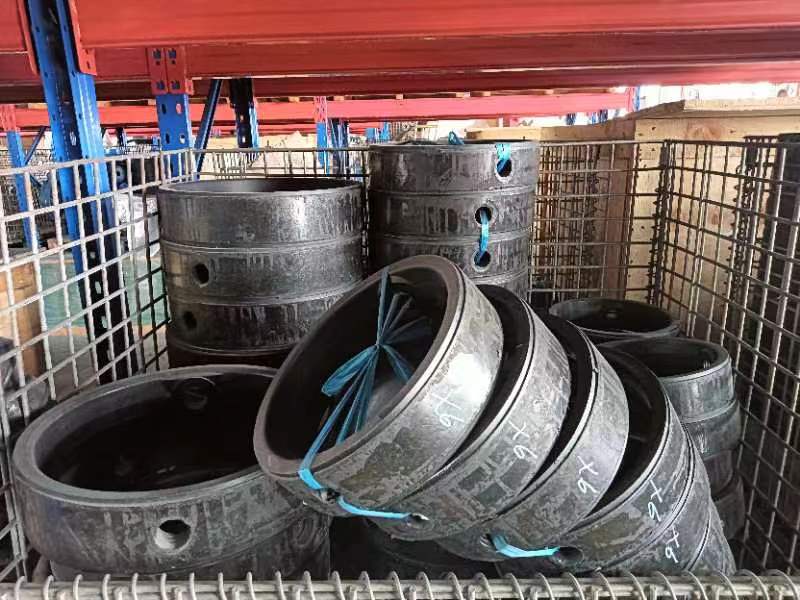
X6 is a specific material code representing Abrasion-Resistant Rubber. It is specifically designed to deal with wear patterns caused by media containing solid particles.
Unlike oil-resistant X5 (Nitrile Rubber), X6's most important mission is "abrasion resistance." Its pivotal characteristics are:
Core Advantage - Extremely High Abrasion Resistance: This is the most prominent feature of X6 material. It is specifically designed for transporting medias with solid particles, providing excellent erosion and wear resistance.
Operating Temperature: -10°C to +50°C. Its temperature resistance range is relatively narrow and it doesn’t apply to high-temperature environments.
Suitable Media: Specifically designed for "slurry" type media, for instance, mud slurry, coal slurry, cement powder, pulverized coal, and other fluids containing solid particles.
Unsuitable Applications: Not suitable for clean fluids (like water, oil) and cannot work for a long time in high temperatures or environments surpassing 50°C.
In short, if you see X6 in a valve model (e.g., D671X6-10) or on a material data sheet, it indicates a valve designed for abrasive conditions like mine slurry, dust, or sewage, with a seal made of Abrasion-Resistant Rubber.
The central distinction between X5 (Nitrile Rubber) and X6 (Abrasion-Resistant Rubber) is that one is designed for "oil proof," and the other is for "wear-resisting."