Language

Article Summary
Extended stem butterfly valves are widely used in modern industrial piping systems where standard valves cannot provide sufficient accessibility or operational convenience. These valves feature an elongated stem that allows operators to control flow from above insulated pipelines, underground installations, or difficult-to-reach locations. This article explains how extended stem butterfly valves work, their structural components, advantages, common applications, and key factors to consider when selecting the right valve for industrial use. Clear tables, structured sections, and practical guidance help engineers, procurement teams, and maintenance professionals understand how these valves solve real-world operational challenges.
In industrial piping systems, valves play a crucial role in regulating, isolating, and directing fluid flow. Among the many types available, butterfly valves are valued for their compact design, quick operation, and cost efficiency.
However, in some installations, a standard butterfly valve cannot be easily operated due to insulation layers, underground pipe placement, or elevated pipelines. In such cases, an Extended Stem Butterfly Valve becomes the preferred solution.
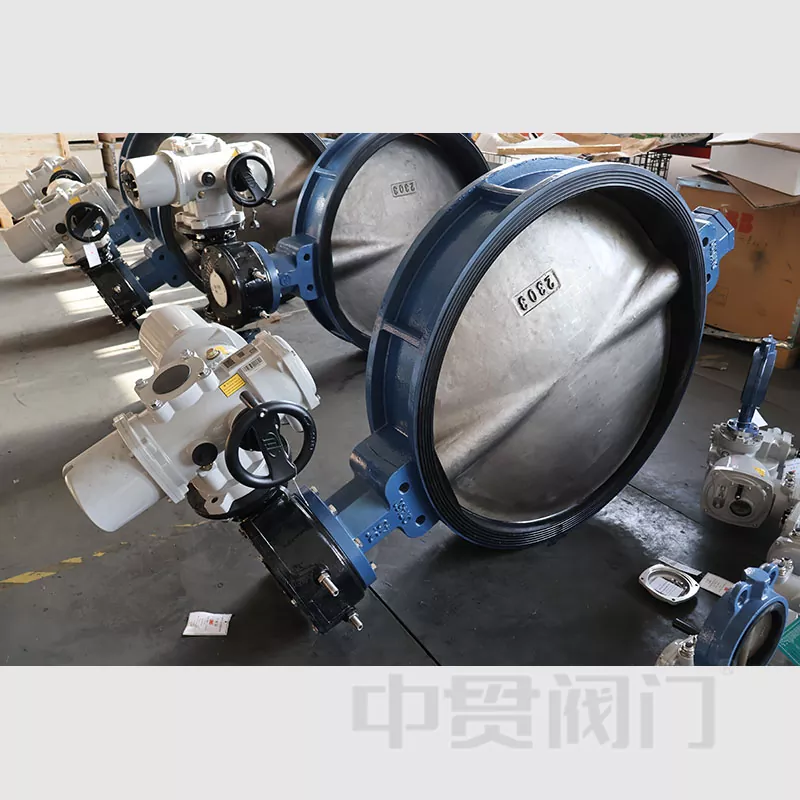
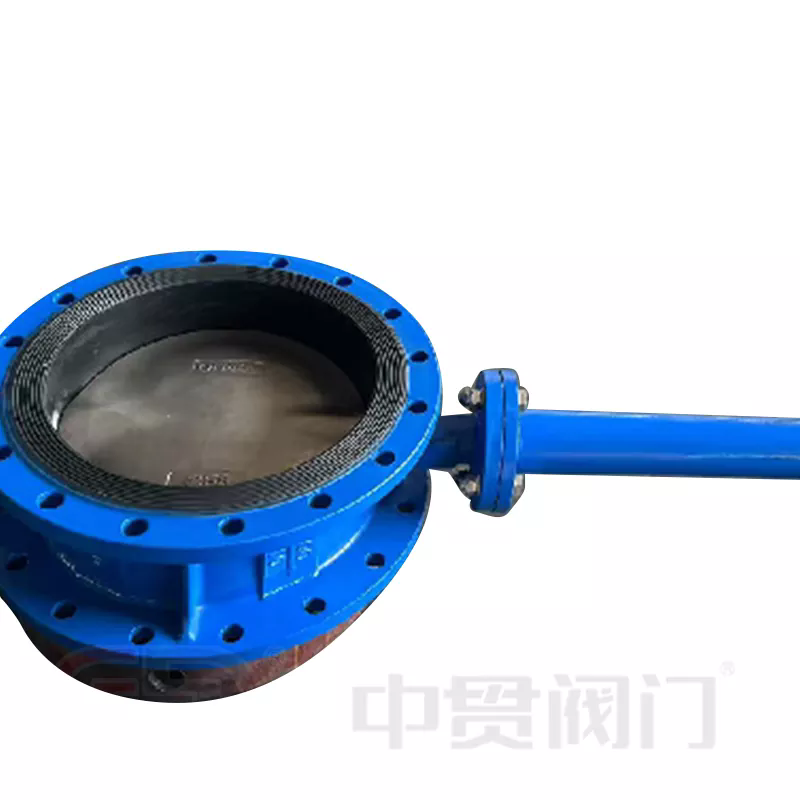
This specialized valve features a longer stem that extends beyond the valve body. The extended stem allows the actuator or handle to remain accessible even when the valve itself is installed in difficult locations. As a result, maintenance and operation become significantly safer and more convenient.
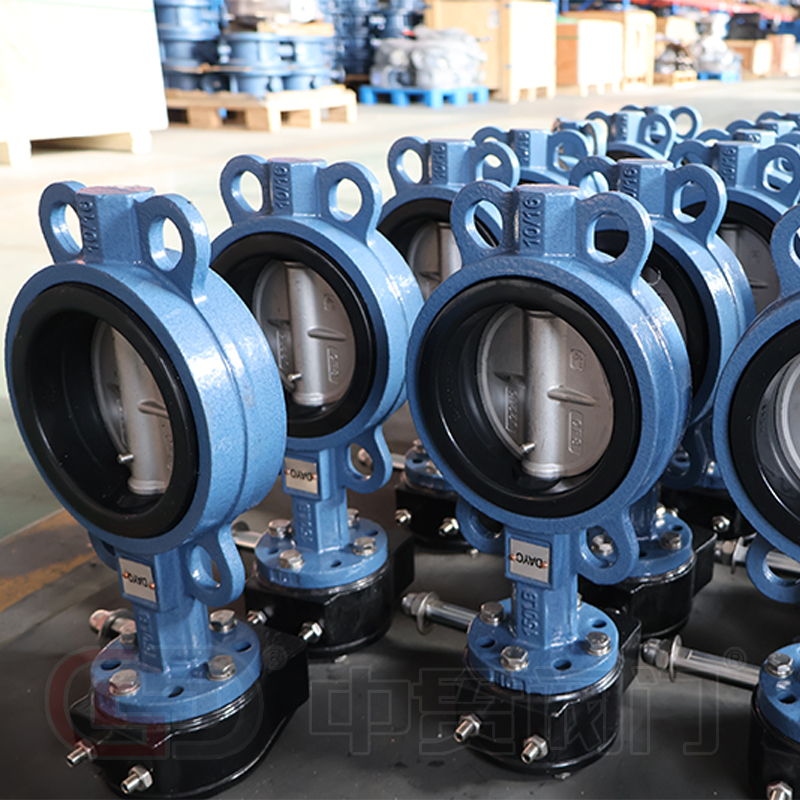
Manufacturers such as Zhongguan provide engineered extended stem butterfly valves designed to meet the demanding requirements of industrial pipelines, including chemical plants, water treatment facilities, and energy infrastructure.
The working principle of an extended stem butterfly valve is similar to that of a conventional butterfly valve. The primary difference lies in the length of the valve stem.
Inside the valve body, a circular disc rotates around a central shaft. When the stem is turned, the disc rotates to either allow or restrict fluid flow through the pipeline.
The operational process typically includes the following steps:
When the disc is aligned parallel to the pipeline, fluid flows freely. When rotated perpendicular to the pipeline, the disc blocks the flow completely. This quarter-turn operation allows for quick and efficient flow control.
The extended stem ensures that the actuator remains above insulation layers or ground level, allowing operators to access the control mechanism without removing insulation or excavating pipelines.
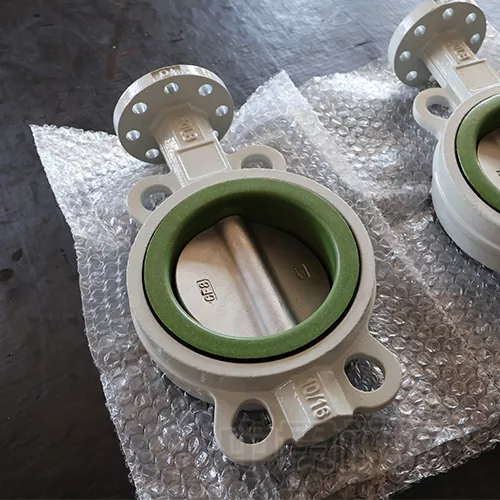
An extended stem butterfly valve consists of several key components that work together to ensure reliable performance.
| Component | Description |
| Valve Body | The main housing that connects to the pipeline and contains internal components. |
| Disc | The rotating element that controls the flow of fluid through the valve. |
| Extended Stem | A lengthened shaft that allows the actuator to be positioned away from the valve body. |
| Seat | Provides sealing between the disc and valve body to prevent leakage. |
| Actuator or Handle | The external mechanism used to operate the valve. |
| Bearings | Support smooth rotation of the stem and reduce friction. |
The extended stem is carefully designed to maintain mechanical strength and ensure accurate torque transmission during operation.
Extended stem butterfly valves offer several practical benefits compared with standard butterfly valves.
These advantages make extended stem butterfly valves particularly useful in large industrial systems where accessibility and reliability are critical.
Extended stem butterfly valves are widely used across many industries where pipeline accessibility is limited.
For example, in district heating systems, pipelines are often covered with thick insulation to minimize heat loss. A standard valve would become buried beneath insulation layers, making operation difficult. An extended stem solves this problem by bringing the control mechanism above the insulation.
The following table summarizes common technical parameters associated with extended stem butterfly valves used in industrial systems.
| Parameter | Typical Range |
| Nominal Diameter | DN50 – DN1200 |
| Pressure Rating | PN10 – PN25 |
| Body Material | Ductile iron, carbon steel, stainless steel |
| Disc Material | Stainless steel, bronze, or coated alloy |
| Seat Material | EPDM, PTFE, NBR |
| Stem Extension Length | Customized according to installation depth |
| Operating Type | Manual, electric actuator, pneumatic actuator |
These parameters can vary depending on project requirements and operating conditions.
Selecting the appropriate valve requires evaluating several technical factors to ensure reliable performance.
Working with experienced manufacturers such as Zhongguan can help ensure that the valve configuration matches the specific engineering requirements of the pipeline system.
Although butterfly valves are known for their low maintenance requirements, regular inspection helps extend service life.
Proper installation and routine maintenance greatly improve valve reliability and reduce long-term operating costs.
1. Why is an extended stem necessary for some butterfly valves?
An extended stem allows the valve actuator to remain accessible when the valve body is installed underground, inside insulation layers, or in hard-to-reach areas.
2. Can the stem extension length be customized?
Yes. Most manufacturers provide customized stem lengths based on pipeline depth, insulation thickness, and operational requirements.
3. Are extended stem butterfly valves suitable for high-temperature systems?
Yes, provided that appropriate materials and sealing components are selected to withstand the operating temperature.
4. What is the difference between a standard butterfly valve and an extended stem version?
The main difference is the longer stem that connects the valve disc to the actuator, enabling operation from a remote or elevated position.
Extended stem butterfly valves provide an effective solution for industrial pipelines where standard valves cannot be easily accessed. By extending the stem above insulation layers or underground installations, these valves simplify operation, enhance safety, and reduce maintenance complexity.
With their compact structure, efficient flow control, and flexible installation options, extended stem butterfly valves continue to play an important role in modern pipeline engineering. High-quality products manufactured by companies such as Zhongguan help ensure reliable performance across a wide range of demanding industrial environments.
If you are looking for a dependable solution for insulated pipelines, underground installations, or specialized flow control systems, our engineering team is ready to assist. Contact us today to learn more about customized Extended Stem Butterfly Valve solutions and discover how Zhongguan can support your project.