Language

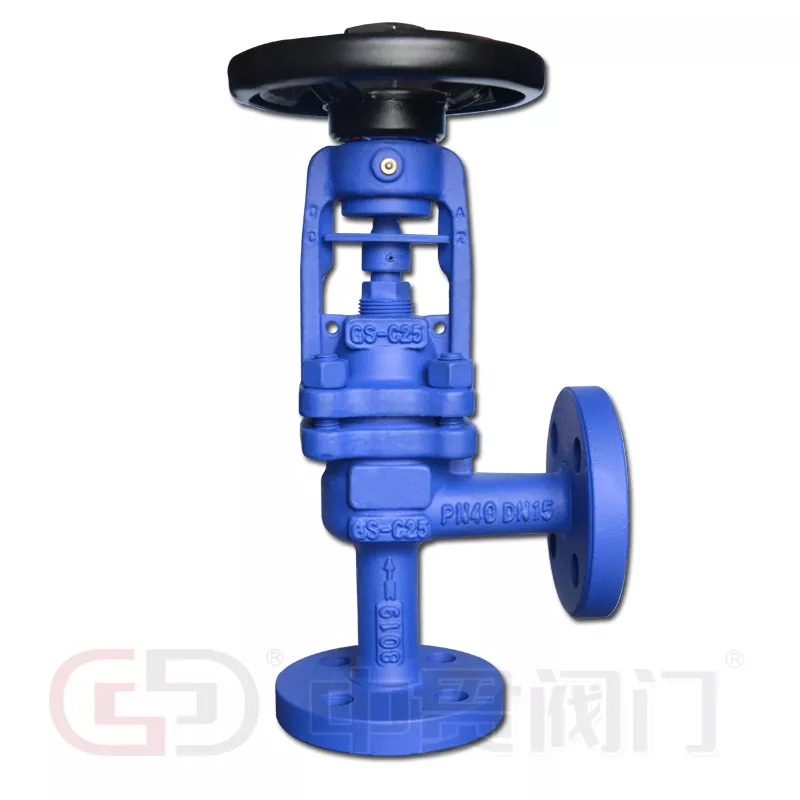
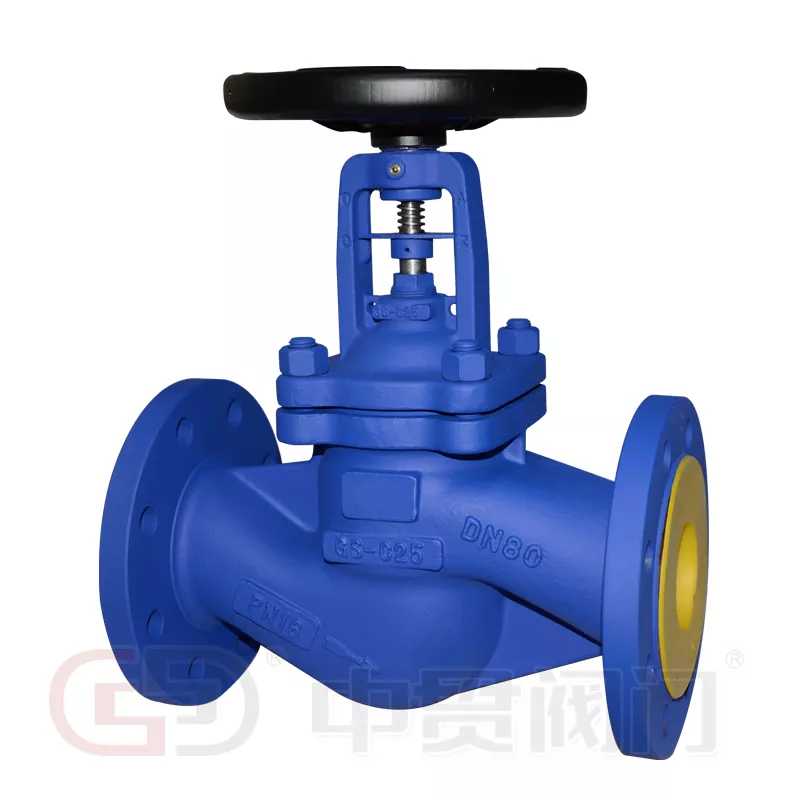
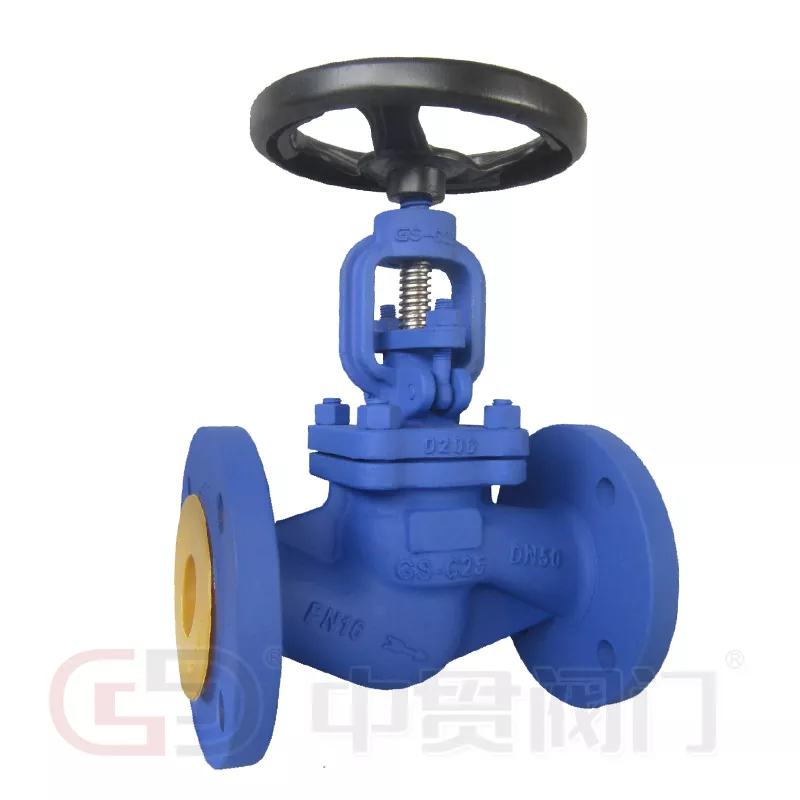
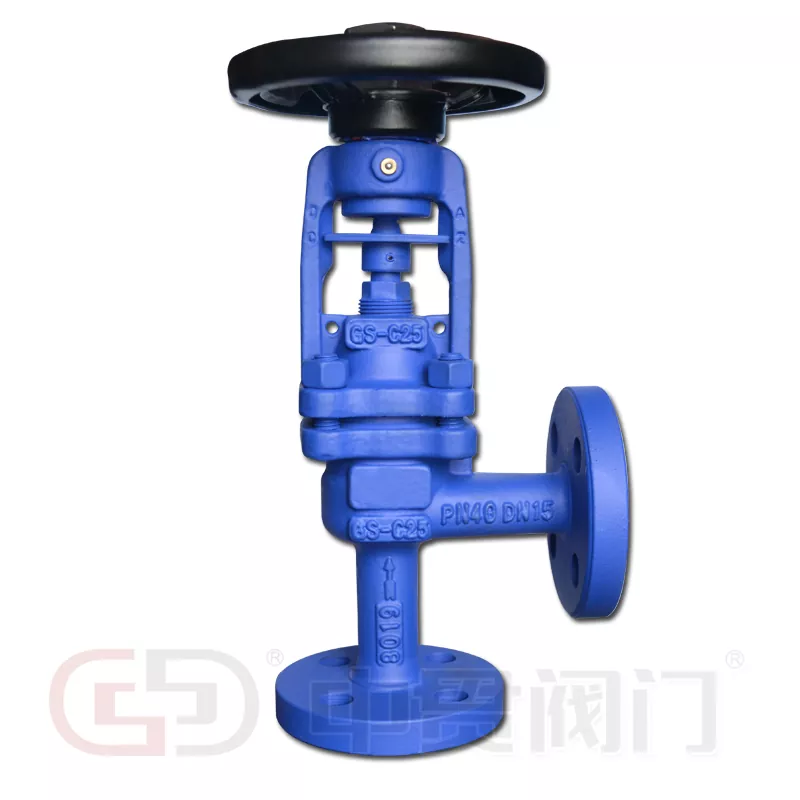
Zhongguan supports industrial valve procurement with the Bellows Sealed Globe Valve for Steam Service, designed for steam pipelines where stem sealing, temperature changes, and shut-off performance influence valve selection. Its metallic bellows provides the primary stem-sealing barrier, while secondary packing adds another layer of containment. The product range covers DN15–DN400 and PN16–PN40, with a listed maximum operating temperature of 600°C.
Steam systems expose valve stem seals to elevated temperatures, pressure changes, and repeated heating and cooling cycles. Conventional packing can experience wear and require periodic adjustment. A bellows-sealed design uses a flexible metallic element between the valve stem and bonnet assembly to separate the moving stem area from the process medium.
The lower end of the bellows is welded to the stem, while the upper end is secured within the bonnet and body assembly. This arrangement limits direct contact between the process medium and the stem packing area, making the design suitable for steam distribution, boiler auxiliary lines, industrial heating equipment, and heat-exchanger piping.
The Bellows Sealed Globe Valve for Steam Service is particularly relevant where external stem leakage control is an important part of the piping design. Bellows material selection influences resistance to temperature, corrosion, and cyclic movement, while valve body and trim materials determine compatibility with the process environment.
The valve uses two distinct stem-sealing elements. The metallic bellows forms the primary barrier, and secondary packing provides additional containment if the primary seal is compromised.
Bellows integrity is influenced by material compatibility, pressure and temperature conditions, corrosion exposure, and the frequency of stem movement. Repeated movement can contribute to fatigue, while unsuitable media can accelerate material degradation. The secondary packing provides additional containment but does not restore the structural integrity of a damaged bellows.
This sealing arrangement is relevant to steam installations where reducing routine stem-packing leakage is a priority. The overall valve performance also depends on internal sealing surfaces, stem movement, and the selected materials.
For isolation duties, the disc and seat must provide effective shut-off under the specified operating conditions. Seat and disc material selection affects resistance to wear and surface damage, while optional Stellite hardfacing can be considered where the specified service conditions call for a harder sealing surface.
Typical applications include steam distribution branches, boiler auxiliary piping, heating circuits, and heat-exchanger connections. Valve size and pressure class should correspond to the pipeline design and operating conditions.
Globe valves can regulate flow through changes in disc position. Continuous throttling, however, exposes the disc and seat to fluid velocity, pressure drop, and potential erosion. Steam containing condensate can create additional wear risks in some operating conditions.
For frequent regulation, selection should account for the expected flow range, pressure differential, operating frequency, and trim design. Where the primary duty is full open or full closed isolation, the selection priorities may differ from those for sustained throttling.
The Bellows Sealed Globe Valve for Steam Service is available with several body, bellows, and packing materials. These options support different combinations of temperature resistance, corrosion compatibility, mechanical requirements, and maintenance considerations.
Carbon steel and cast iron body options serve different mechanical and operating requirements from stainless steel bodies. For bellows selection, SS304, SS316, SS316L, SS310S, and Hastelloy C offer different material characteristics for thermal and chemical exposure. PTFE and graphite packing provide alternative secondary sealing materials for different service conditions.
These standards provide reference points for valve design, dimensional compatibility, flange connections, and testing. They help establish the technical basis for integrating the valve into an existing steam pipeline.
The stated product range covers DN15–DN400, pressure classes PN16–PN40, and a maximum listed operating temperature of 600°C.
Selection should begin with the operating pressure and temperature, followed by the steam conditions, expected cycling frequency, required shut-off performance, and pipeline connection dimensions. Body material and pressure class establish the main mechanical parameters, while bellows alloy and secondary packing address stem-sealing requirements.
For high-temperature steam service, material compatibility and the pressure-temperature relationship are central to configuration selection. Where the valve will operate frequently, the expected number of movement cycles and the nature of the regulating duty also influence bellows and trim requirements.
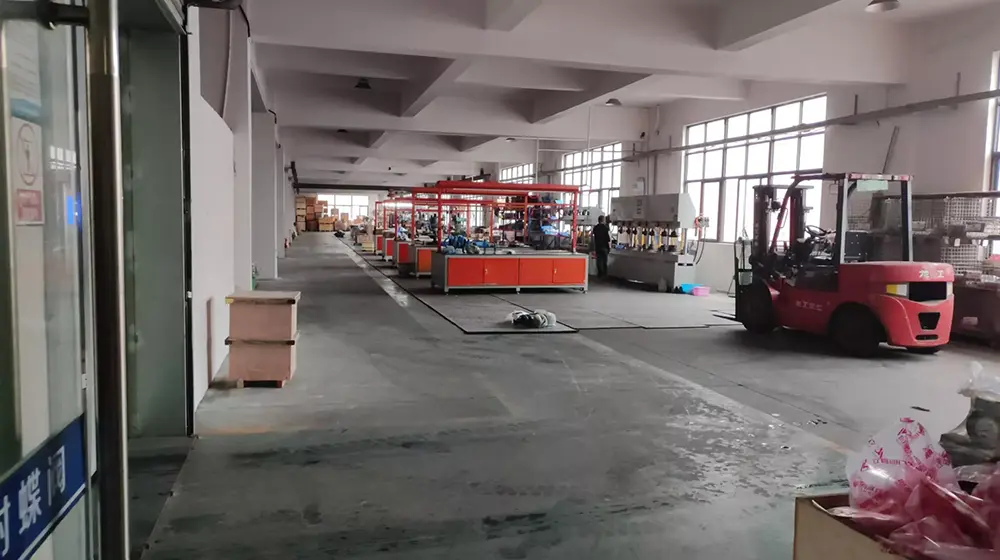
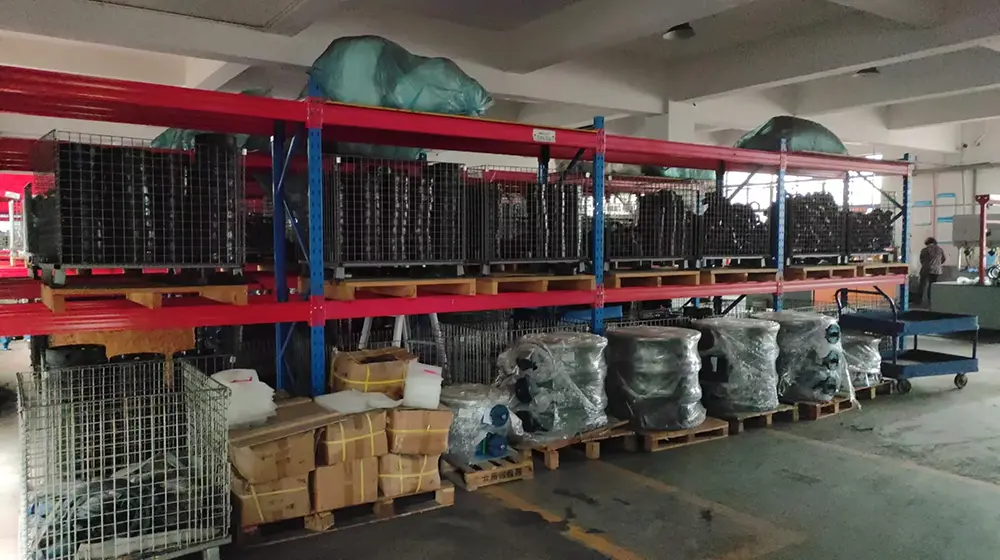
Zhongguan has built its production around steam-service valves for nearly two decades. The Tianjin plant and the Wenzhou Oubei facility work in tandem — one handling heavy cast and steel bodies, the other focusing on assembly and precision trim work. For this bellows-sealed steam valve, that split matters: body castings arrive at the assembly line already dimensionally verified, and each bellows unit is welded, leak-checked, and matched to a specific stem before it enters the bonnet.
Every finished valve passes a pressure test before packing, and the test data is tied to the unit's serial number. Sealing surfaces are inspected after testing, not just before, because the pressure cycle itself can reveal issues that static inspection misses. Seat and disc assemblies with optional Stellite hardfacing are handled on a separate line to avoid cross-contamination with standard trim.
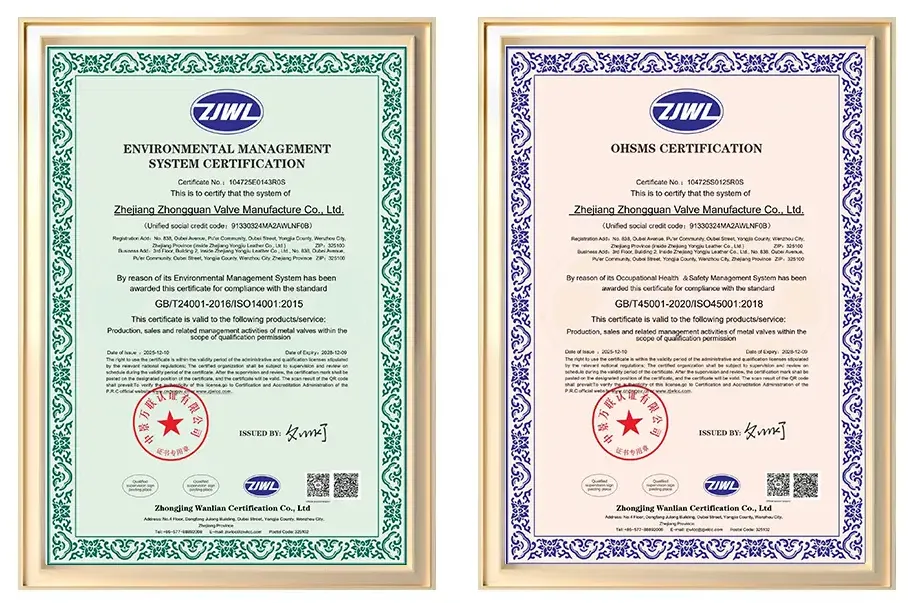
On the technical side, selection support is organised around the steam parameters you actually operate at — pressure, temperature, cycling frequency, and condensate behaviour. The one-year warranty covers confirmed quality-related issues, and replacement bellows, seat, and packing components remain available after delivery. Certificates and past project cases are available on request if you need them for a tender package.
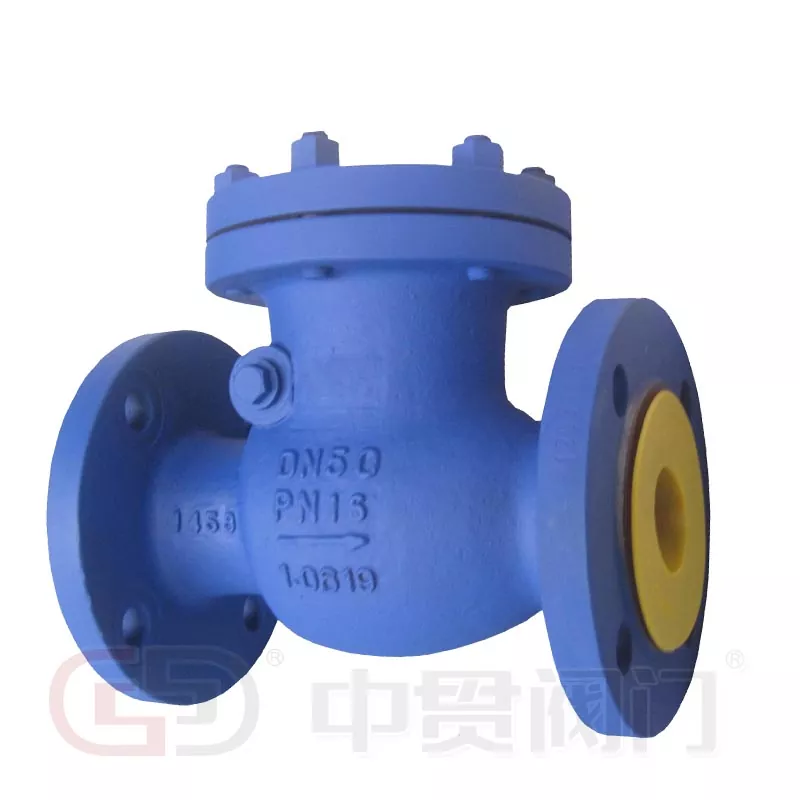
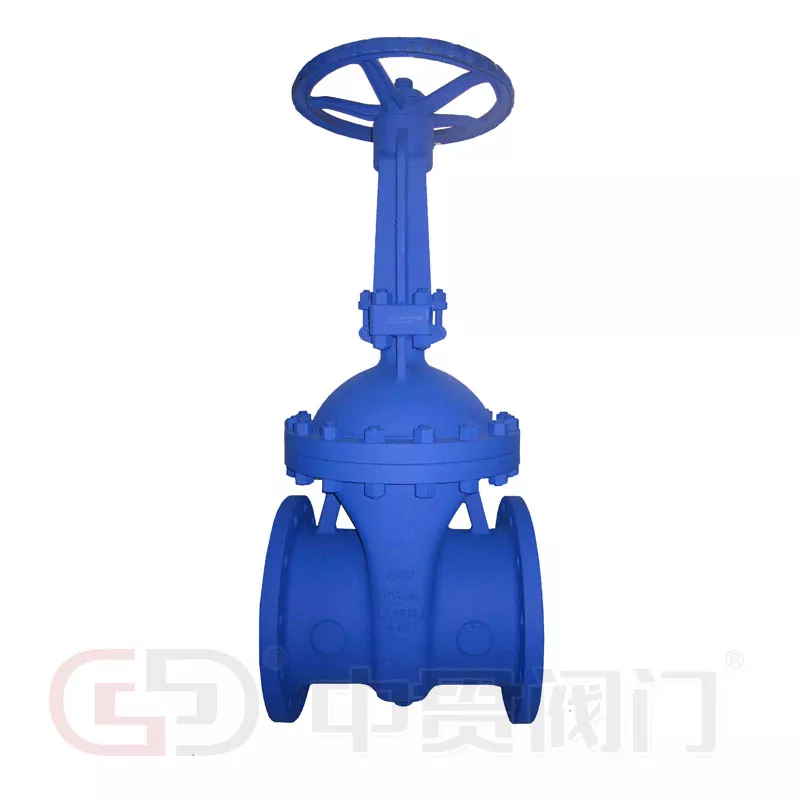
For steam distribution and industrial heating, this Bellows Sealed Globe Valve for Steam Service pairs a metallic bellows primary seal with secondary packing, in DN15–DN400 and PN16–PN40. Related options in the same DIN Standard Industrial Valve family include the DIN Standard Bellows Sealed Globe Valve, the straight-pattern DIN Standard Globe Valve, the DIN Standard Check Valve, and the DIN Standard Gate Valve.
Need a bellows-sealed globe valve for your steam line? Share your operating pressure, temperature, and DN size.
Send InquiryAddress
No. 838, Oubei Avenue, Yongjia County, Wenzhou City, Zhejiang Province, China
Tel