Language

Butterfly valves are widely used in industrial pipeline systems due to their compact structure, fast operation, and cost efficiency. However, selecting the wrong butterfly valve can lead to leakage, premature failure, flow control issues, and increased maintenance costs. This article provides a structured and practical guide to understanding butterfly valve types, materials, sealing methods, and application scenarios. It aims to help engineers, procurement managers, and system designers make informed decisions based on real operating conditions.
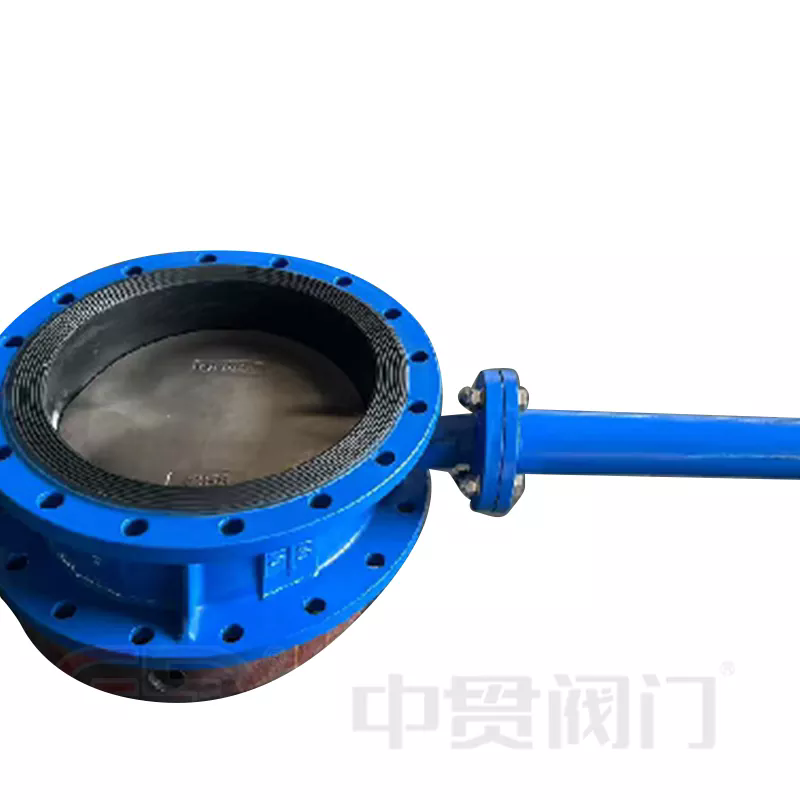
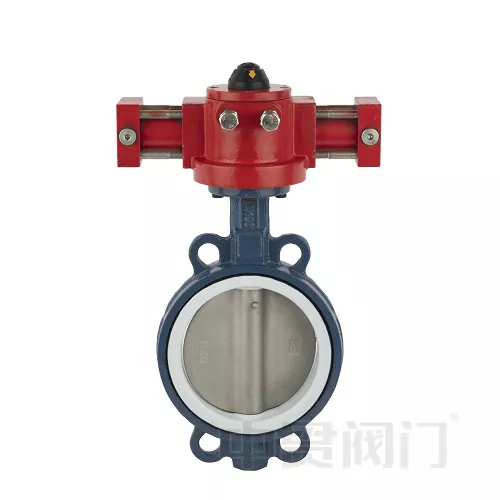
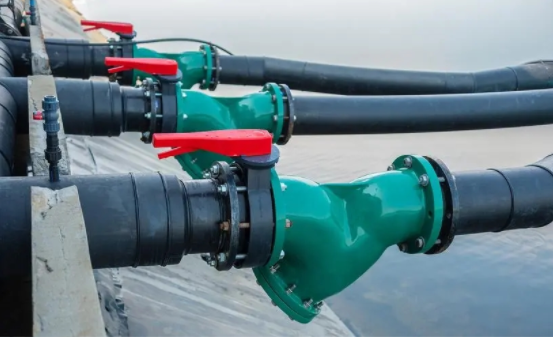
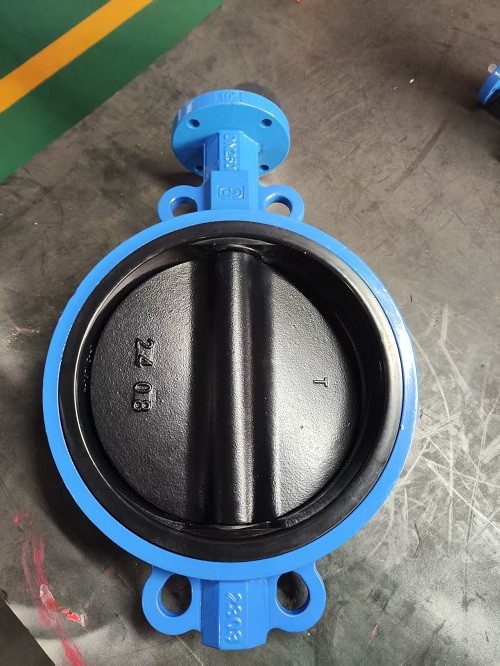
A butterfly valve is a quarter-turn rotary valve that uses a circular disc mounted on a shaft to regulate or isolate fluid flow. When the disc rotates parallel to the flow, the valve is fully open; when perpendicular, the valve is closed. This simple mechanism allows for fast operation and compact installation, making butterfly valves suitable for large-diameter pipelines.
Compared with gate or globe valves, butterfly valves require less space, weigh less, and generally offer lower installation and maintenance costs. These advantages make them a preferred choice in water treatment, HVAC, chemical processing, power generation, and marine systems.
Most of these issues are not caused by manufacturing defects but by incorrect valve selection at the design or procurement stage.
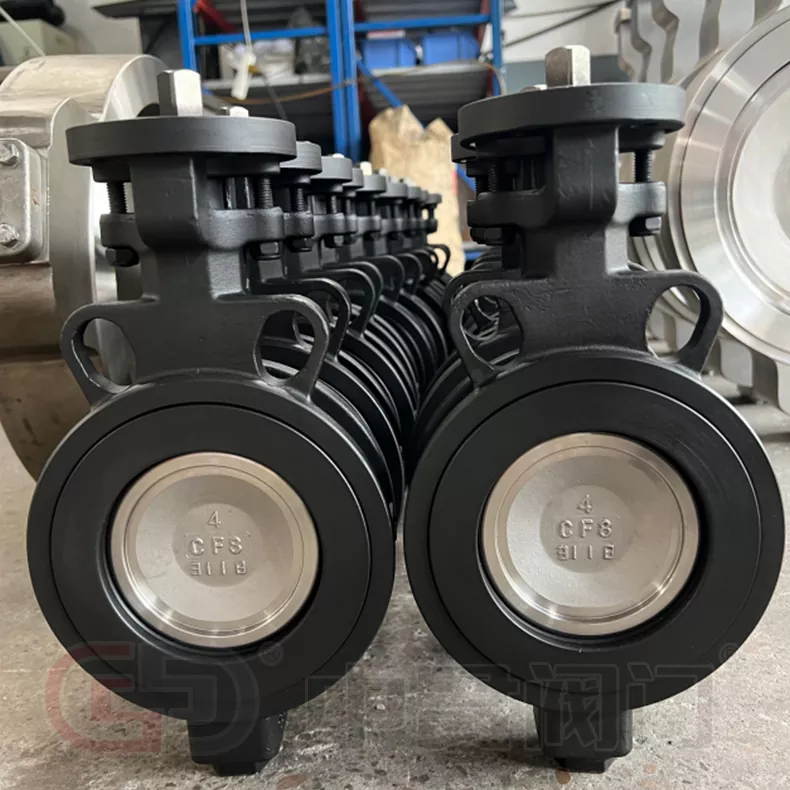
Butterfly valves can be classified based on their structural design and sealing mechanism:
Material selection directly affects valve durability and compatibility with the working medium.
| Component | Common Materials | Typical Applications |
|---|---|---|
| Valve Body | Cast Iron, Ductile Iron, Carbon Steel, Stainless Steel | Water, oil, gas, chemical fluids |
| Disc | Stainless Steel, Bronze, Alloy Steel | Corrosive or abrasive media |
| Seat | EPDM, NBR, PTFE, Metal Seal | Temperature and chemical resistance |
Soft-seated butterfly valves offer excellent sealing at low pressure, while metal-seated designs are better suited for extreme temperatures and demanding operating conditions.
Ignoring any of these parameters may compromise system safety and efficiency.
Butterfly valves are commonly applied in:
Each industry places different demands on sealing performance, hygiene standards, and operational reliability.
A practical selection process includes:
This structured approach minimizes operational risks and ensures stable system performance.
Q1: Are butterfly valves suitable for throttling applications?
Yes, butterfly valves can be used for throttling, especially in systems where moderate flow control accuracy is acceptable. Double offset and triple offset designs provide better control performance.
Q2: What is the main difference between soft-seated and metal-seated butterfly valves?
Soft-seated valves provide tighter sealing at low pressure, while metal-seated valves are designed for high temperature, high pressure, and abrasive conditions.
Q3: How often should butterfly valves be maintained?
Maintenance frequency depends on operating conditions. In clean water systems, inspection may be infrequent, while chemical or high-temperature systems require regular checks.
Choosing the right butterfly valve is a critical step in ensuring pipeline safety, efficiency, and long-term reliability. By understanding valve structures, materials, and application requirements, decision-makers can significantly reduce operational risks and maintenance costs.
Zhongguan has extensive experience in providing reliable butterfly valve solutions for a wide range of industries. For technical consultation, customized solutions, or detailed product information, contact us today to discuss how the right butterfly valve can optimize your system performance.