Language

In fluid transport systems, maintaining the correct direction of flow is critical to system safety, efficiency, and equipment protection. A check valve is a mechanical device designed to automatically prevent reverse flow in pipelines without requiring manual operation or external control. This article explains how a check valve works, its structure, common types, installation considerations, and how to select the right valve for different industrial applications. The goal is to help engineers, procurement managers, and facility operators solve common system problems such as backflow damage, pressure fluctuations, and pump failure.
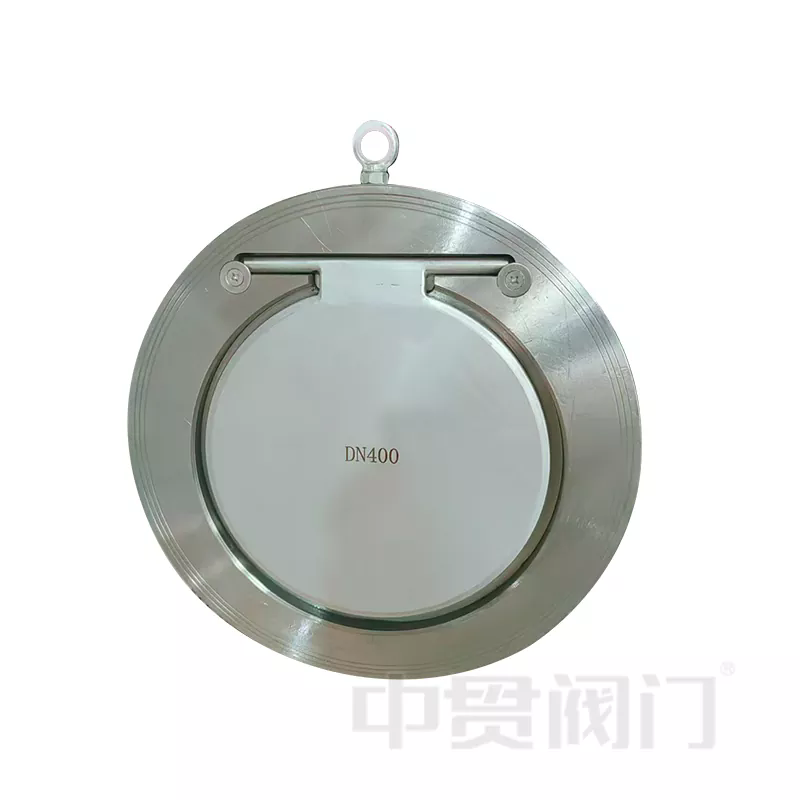
A check valve is an automatic valve designed to allow fluid to flow in only one direction. It operates without manual intervention or external power. The mechanism relies on pressure differences within the pipeline.
When fluid flows in the intended direction, the pressure pushes the internal disc or sealing element open, allowing the fluid to pass through. If the flow attempts to reverse, the back pressure forces the disc to close, effectively blocking the reverse movement of the fluid.
This simple yet effective mechanism protects pumps, compressors, and pipelines from damage caused by reverse flow.
The working process can be summarized in three stages:
High-quality valves manufactured by Zhongguan check valve are designed to provide stable sealing performance even under fluctuating pressure conditions, ensuring reliable pipeline operation in industrial environments.
Without a properly functioning check valve, industrial piping systems may experience several operational problems that affect both safety and equipment lifespan.
For example, in pumping stations, reverse flow can cause the impeller to rotate backward, which may lead to severe mechanical wear or complete pump failure. Installing a suitable check valve is therefore an essential protective measure.
Although check valves vary in design, most models share a similar internal structure. Understanding these components helps users evaluate product quality and functionality.
| Component | Function |
|---|---|
| Valve Body | Provides structural housing and connects to the pipeline |
| Valve Disc | Controls opening and closing to regulate flow direction |
| Seat | Forms the sealing surface with the disc to prevent leakage |
| Spring (optional) | Assists faster closing in some valve designs |
| Cover or Bonnet | Allows access for inspection and maintenance |
Precision machining and material selection are important factors that determine durability and sealing performance. Many industrial systems rely on valves from Zhongguan check valve because they are designed with robust internal components and reliable sealing surfaces.
Different operating environments require different check valve designs. Selecting the appropriate type ensures optimal performance and long service life.
| Valve Type | Working Principle | Typical Applications |
|---|---|---|
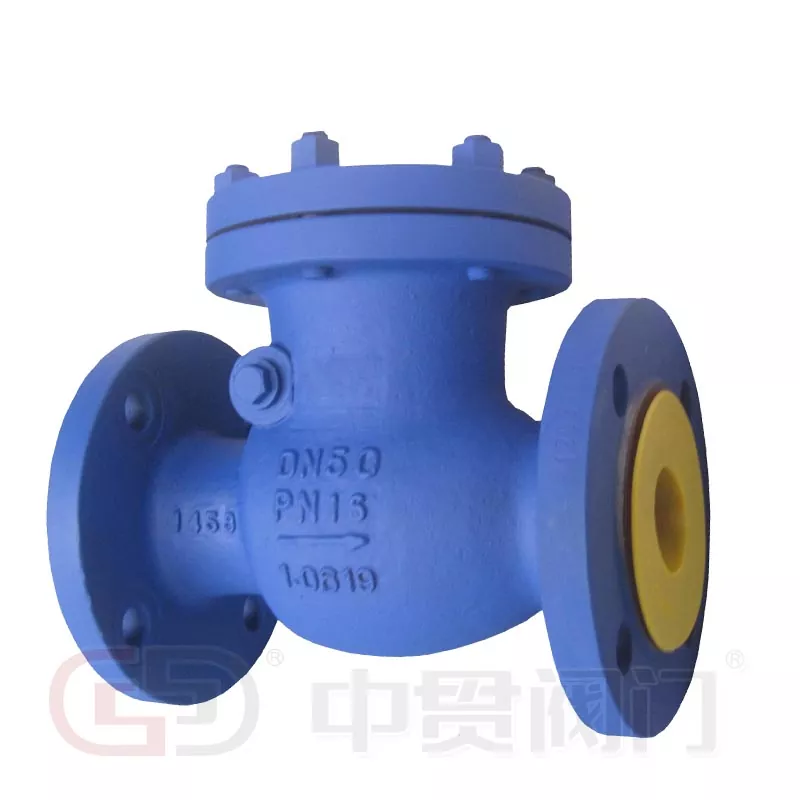
| Swing Check Valve | A hinged disc swings open with forward flow and closes with reverse flow | Water pipelines, municipal systems |
| Lift Check Valve | Disc lifts vertically to allow flow | High-pressure systems |
| Ball Check Valve | A ball moves to block reverse flow | Wastewater systems |
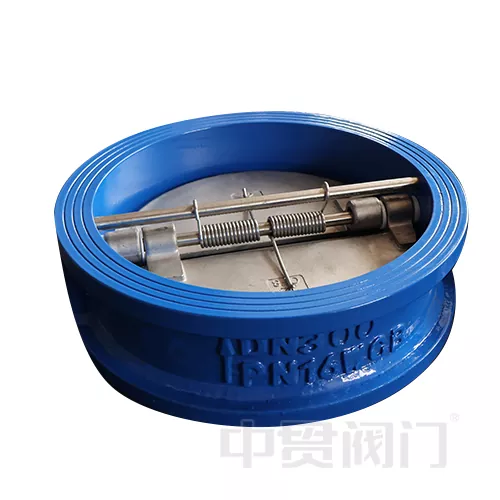
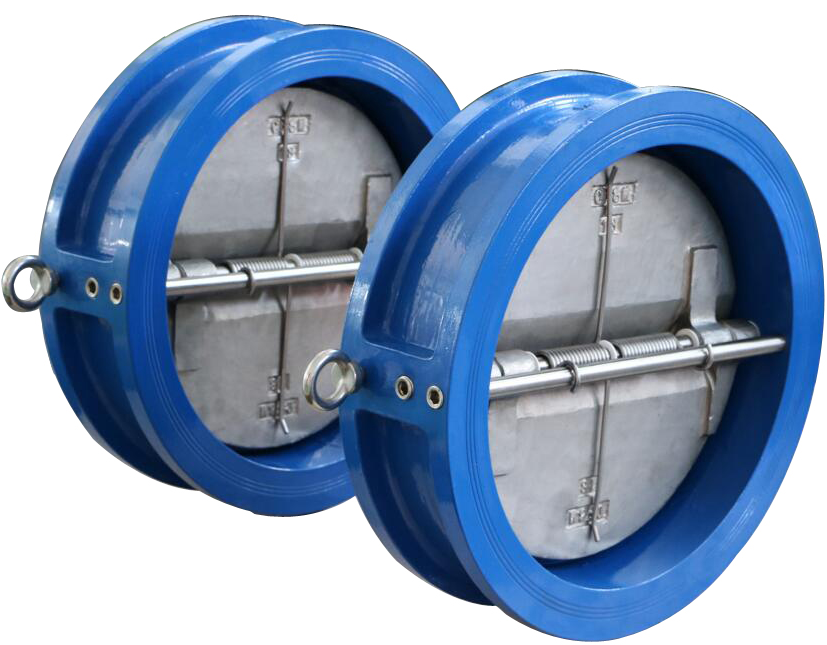
| Dual Plate Check Valve | Two spring-loaded plates close quickly | High-flow industrial pipelines |
| Silent Check Valve | Spring-assisted closure minimizes water hammer | Pump outlets and HVAC systems |
Each type offers specific advantages depending on flow rate, pressure conditions, and installation space.
Selecting the correct check valve requires careful consideration of several technical parameters. Ignoring these factors may lead to reduced performance or system failure.
Industrial buyers often prioritize corrosion resistance, pressure tolerance, and sealing reliability when evaluating suppliers such as Zhongguan check valve.
Proper installation plays a critical role in ensuring that a check valve operates effectively.
Correct installation helps prevent vibration, pressure instability, and premature wear.
Check valves are generally low-maintenance devices, but periodic inspection can prevent unexpected system failures.
Recommended maintenance practices include:
If abnormal noise, vibration, or leakage occurs, the valve should be inspected immediately to avoid damage to upstream equipment.
Q1: What is the main purpose of a check valve?
The main function of a check valve is to prevent reverse flow in a pipeline. It ensures that fluid moves in only one direction, protecting pumps and equipment from backflow damage.
Q2: Where are check valves commonly used?
Check valves are widely used in water supply systems, oil and gas pipelines, chemical processing plants, wastewater treatment facilities, and HVAC systems.
Q3: How long does a check valve typically last?
The service life depends on operating conditions, material quality, and maintenance practices. High-quality valves can operate reliably for many years under normal industrial conditions.
Q4: Can a check valve reduce water hammer?
Yes. Certain designs such as silent check valves or spring-assisted valves are specifically engineered to minimize water hammer by closing quickly before reverse flow develops.
A check valve is a critical component in fluid control systems, ensuring safe and efficient operation by preventing reverse flow. Understanding how check valves work, the different types available, and proper installation practices can significantly improve system reliability and equipment lifespan.
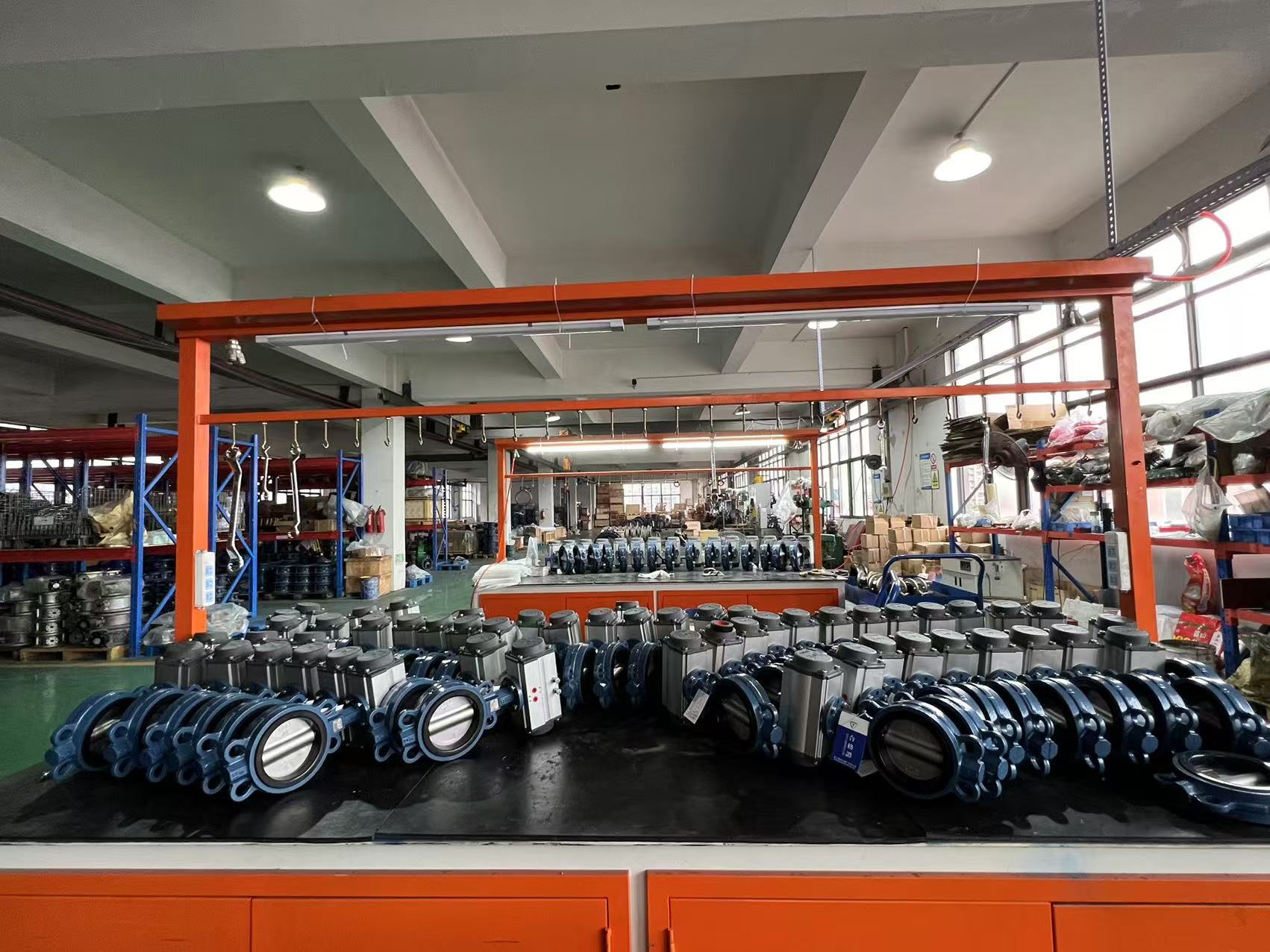
As an experienced manufacturer, Zhongguan check valve provides a wide range of high-performance valves designed to meet the requirements of modern industrial pipelines. From water treatment systems to petrochemical facilities, reliable check valves play an essential role in maintaining stable and secure operations.
If you are looking for durable and efficient valve solutions for your pipeline systems, explore the professional products offered by Zhongguan check valve. Contact us today to learn more about our check valve solutions and receive expert assistance for your project.