1. Ensure precise matching of dimensions and interfaces (the most crucial aspect)
This is the most direct and important function of the drawings. Valves need to be installed in the piping system, and their dimensions and interfaces must be completely compatible with the existing pipes.
Connection method: The drawings will clearly indicate whether it is a flange connection, butt welding connection, threaded connection or clamp connection.
Structural length: The drawings will precisely indicate the distance between the end faces of the valves, ensuring that they can be installed into the reserved pipeline space.
Flange standards and specifications: If it is a flange connection, the drawing will indicate the flange standard (such as national standard GB, American standard ANSI, German standard DIN, Japanese standard JIS), pressure rating (such as PN16, Class150), sealing surface type (such as RF raised face, FF flat face), bolt hole center distance and hole diameter, etc. Any mismatch in any detail will prevent installation.
Port dimensions: Clearly indicate the nominal diameter (DN) or nominal pipe size (NPS) of the valve.
If there are no drawings: The purchased valves may not align with the pipe flanges, the bolt holes may not match, or the valve length may be too long/short, resulting in inability to install. This requires re-purchasing or modifying the pipeline, causing huge waste of manpower, material resources and time.
2. Clearly define the pressure level and material requirements
The valve needs to operate safely under specific pressure and medium conditions.
Pressure Rating: The drawings will indicate the design pressure, working pressure and corresponding pressure class (such as PN40, Class300) of the valve. This directly affects the shell thickness, sealing performance and safety factor of the valve. It is extremely dangerous to purchase valves with a low pressure rating for high-pressure applications.
Valve body material: The drawings will specify the valve body, valve cover, valve disc, valve stem, sealing material, etc. (such as WCB carbon steel, CF8M (316 stainless steel), duplex steel, Monel alloy, etc.). Incorrect material selection may cause the valve to be rapidly damaged in corrosive media, leading to leakage or accidents.
3. Determine the type and operation mode of the valve
The drawings clearly define the type of the valve and how to operate it.
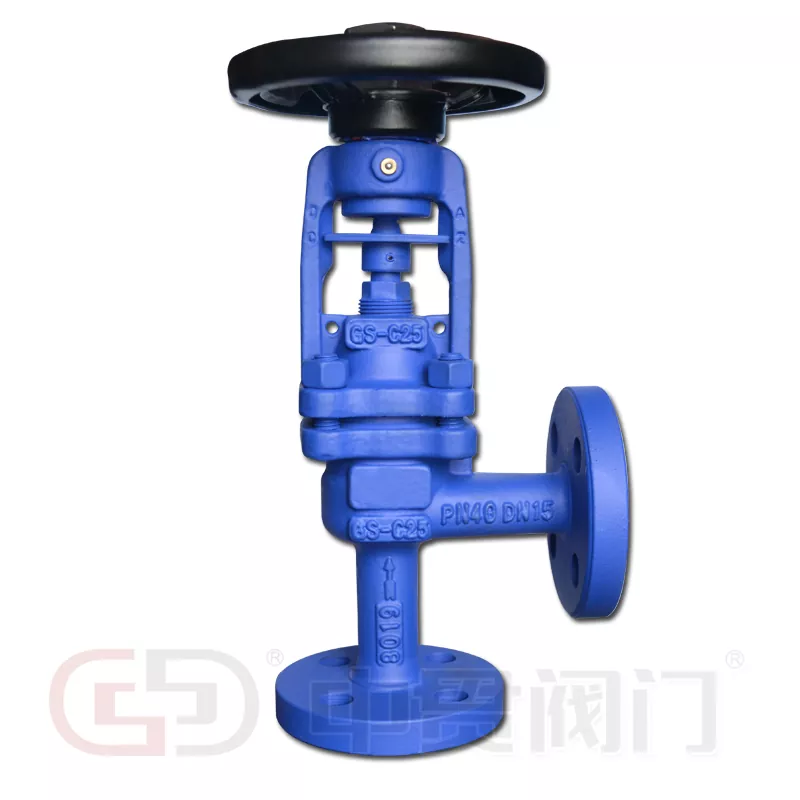
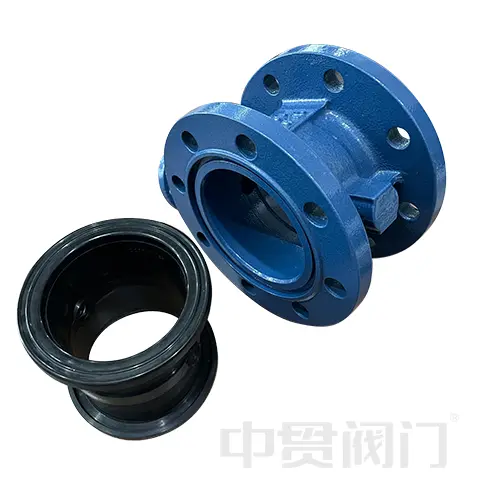
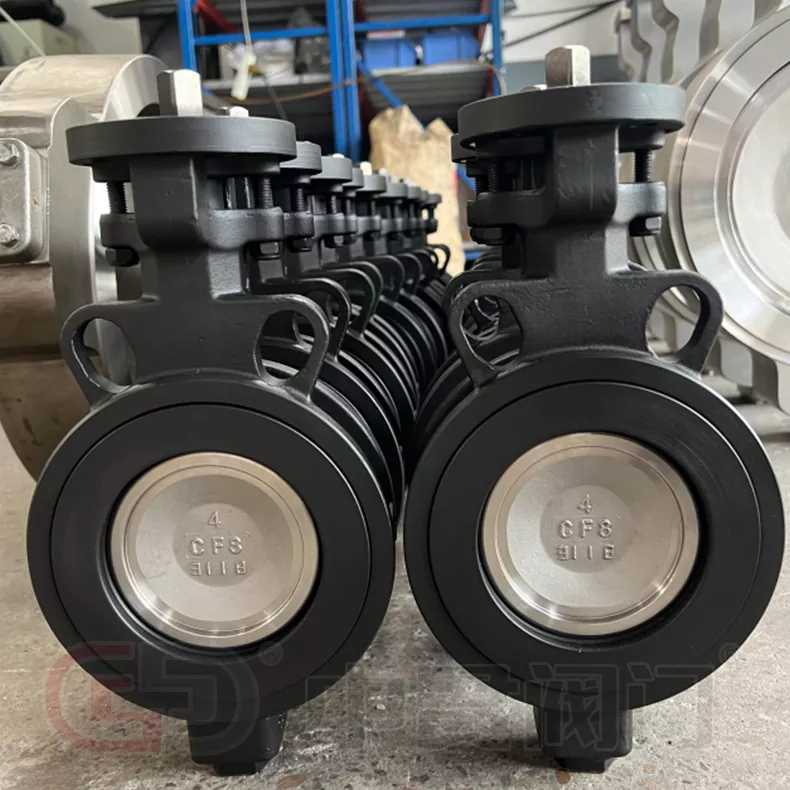
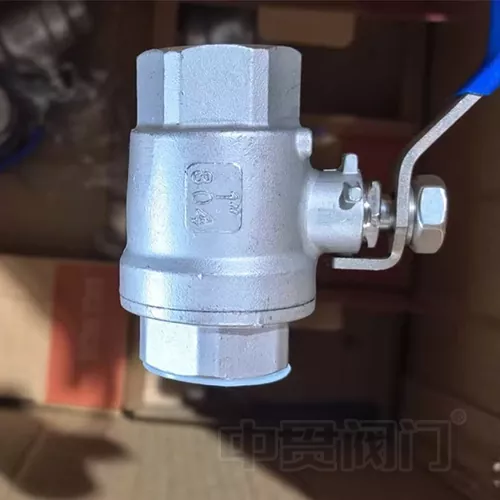
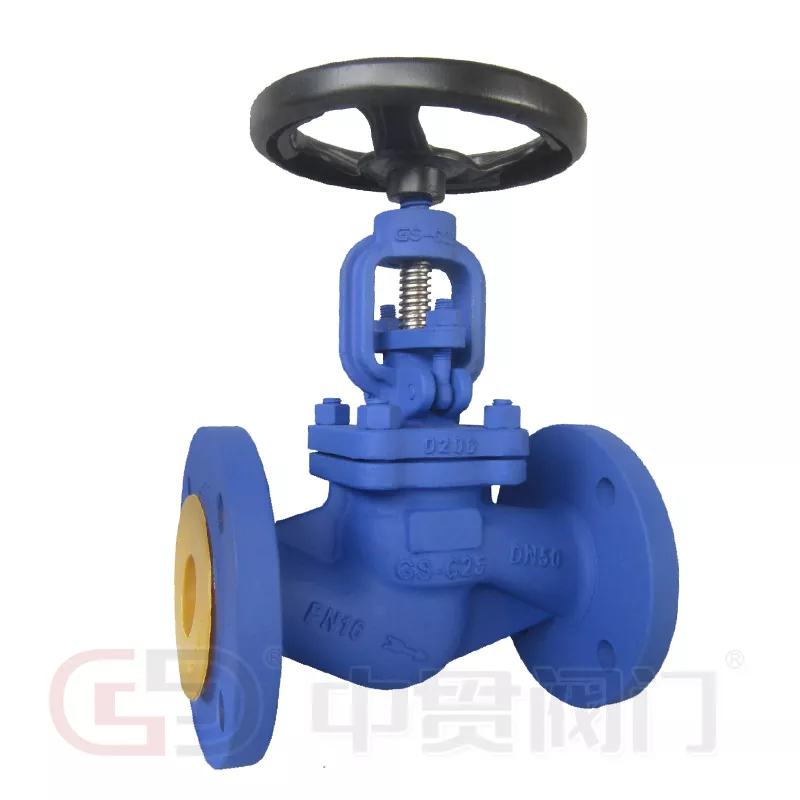
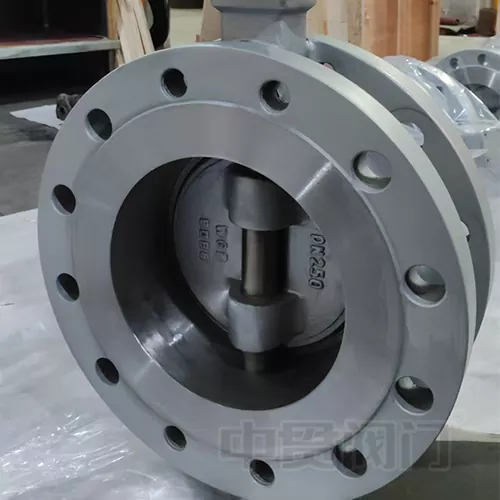
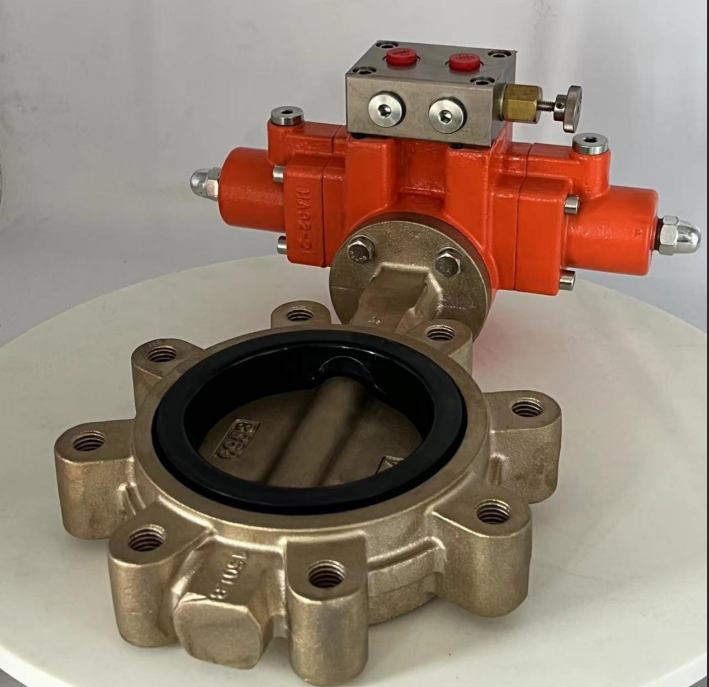
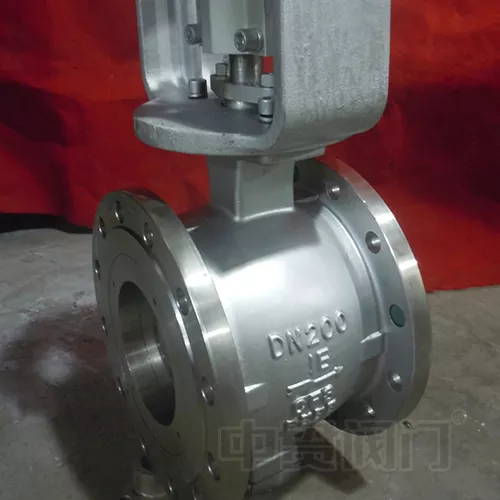
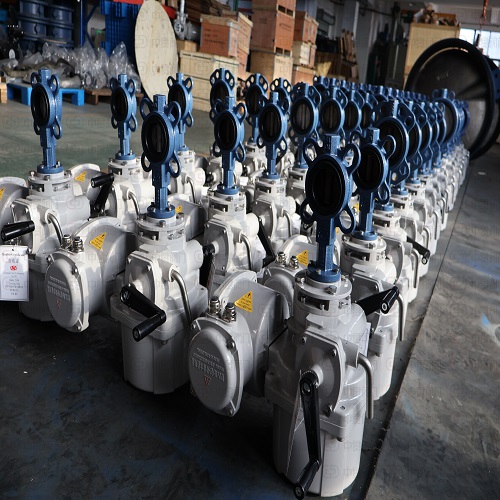
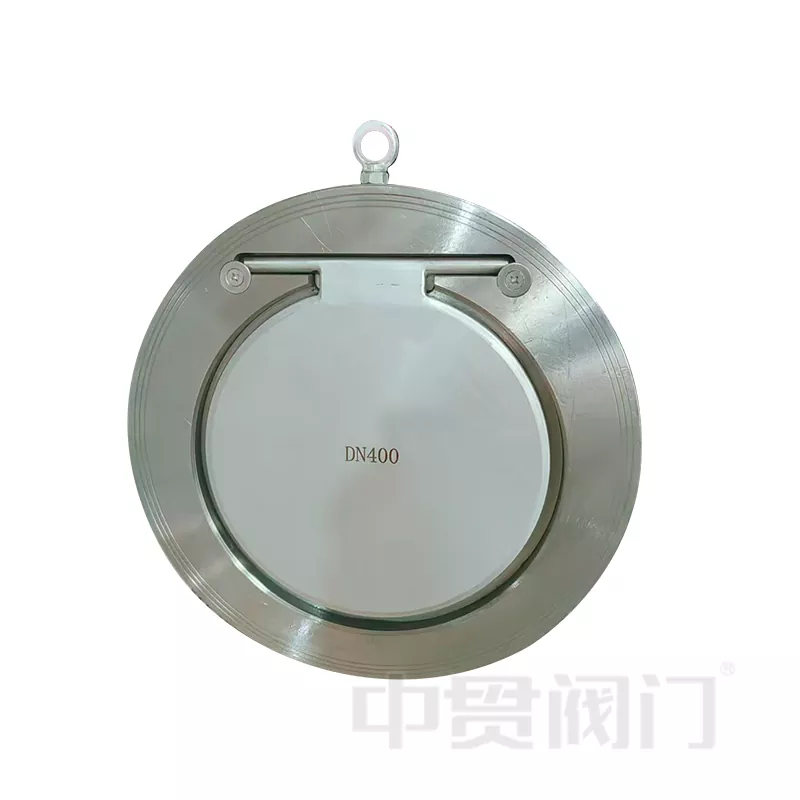
Valve type: Is it a gate valve, a globe valve, a ball valve, a butterfly valve or a check valve? The drawing clearly shows its unique structural sectional view, making it easy to understand.
Operating method: Is it handwheel operation, gearbox operation, electric actuator, pneumatic actuator or hydraulic actuator? The drawing will indicate the interface dimensions and model requirements of the drive device (for the drive valve).
4. Confirm internal structure and standards
Structural details: The drawings (especially the sectional views) show the form of the flow channels, the design of the valve seats and seals, which directly affect the flow characteristics (Cv value), resistance loss and sealing effect of the valve.
Manufacturing and Inspection Standards: The drawings usually indicate the standards that the valves are designed, manufactured and inspected according to (such as API 600, API 6D, GB/T 12234, etc.). These standards are the basis for ensuring the quality and performance of the valves.
5. As the basis for acceptance and dispute resolution
Acceptance criteria: The quality inspection department of the purchasing department needs to verify and accept the purchased valves based on all the parameters specified in the drawings, ensuring that the physical items are completely consistent with the design requirements.
Has legal effect: The drawings are part of the technical annex of the contract. If the goods provided by the supplier do not conform to the drawings, the drawings will be the most powerful evidence for claiming compensation and resolving disputes.
Summary and Recommendations
The valve drawings serve as the "technical language" and "unified standard" that connects the design, procurement, installation, and acceptance processes.
Advice for Purchasing Staff:
It is necessary to request the drawings: Before making inquiries with the supplier and placing an order, be sure to obtain the latest and clear valve drawings from the design department or the client (usually in PDF format or in paper form).
Careful verification: Cross-check the key information on the drawings (such as model, diameter, pressure rating, material, connection standard) with the purchase order and technical agreement.
Pass on to the suppliers: Provide the complete drawings to the potential suppliers and require them to provide a written confirmation that they fully understand and can produce according to the drawings.
Conduct acceptance inspection according to the drawings: After the goods arrive, it is necessary to jointly cooperate with the quality inspection department and conduct a strict acceptance inspection based on the drawings.
Ignoring the significance of valve drawings and making purchases based solely on a verbal description or a simple model can easily lead to disastrous consequences. The final cost is much higher than the investment made in carefully verifying the drawings before the purchase.
We use cookies to offer you a better browsing experience, analyze site traffic and personalize content. By using this site, you agree to our use of cookies. Privacy Policy