Language

Let's start with “origin”: What exactly are they made of?
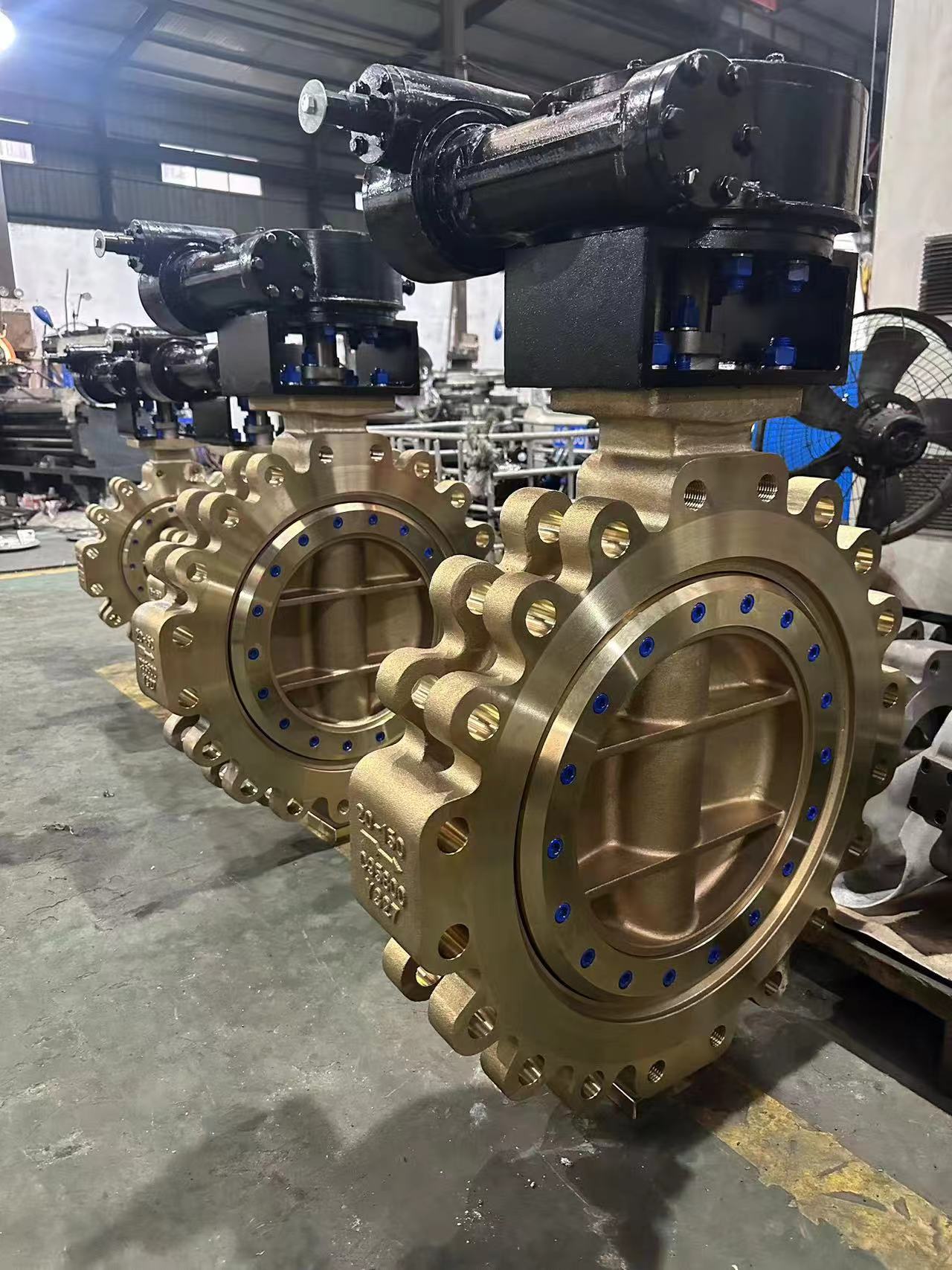
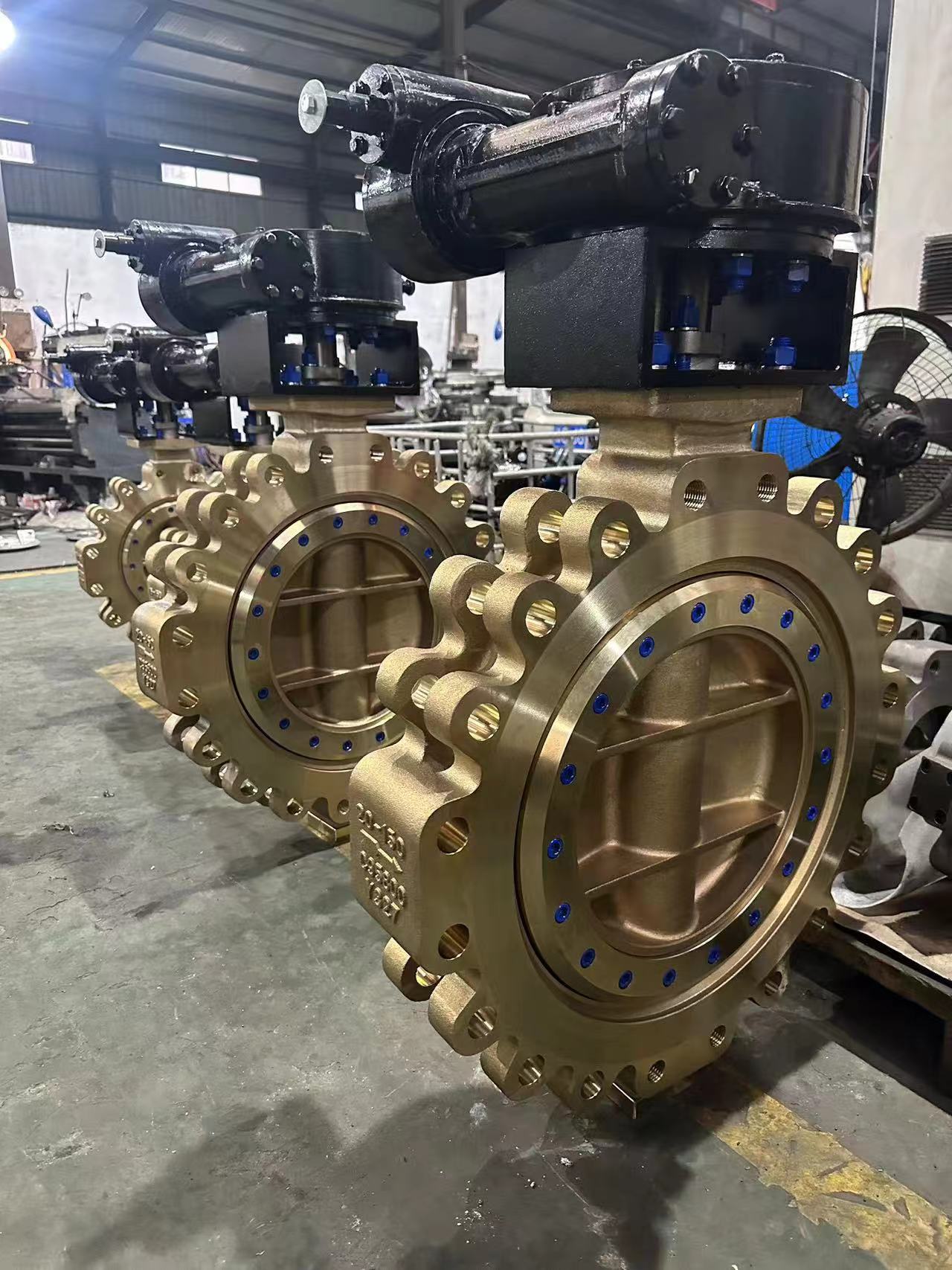
Aluminum bronze valve: Its main material is copper, combined with alloys formed by melting aluminum, iron, and other elements. Therefore, it has a kind of rustic brass color. Because it contains copper, it inherently possesses some of the properties of copper, such as corrosion resistance and good toughness.
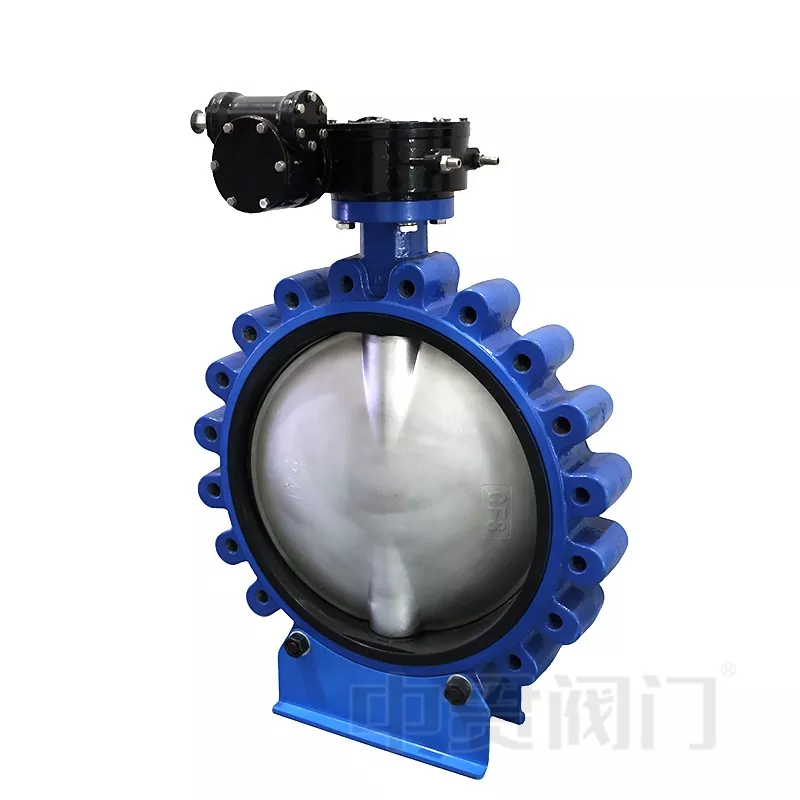
Stainless steel butterfly valve: Its main material is iron, combined with elements such as chromium and nickel to form an alloy. The shiny, silver-white “stainless steel” cups and kitchen countertops that we see in our daily lives are made of it. Its characteristics are hardness, brightness, and a smooth surface.
For instance, this is like a knife. Aluminum bronze is a meticulously crafted ancient bronze sword, while stainless steel is a modern steel military knife produced by advanced technology. The material fundamentally determines their performance and application.
Let's look at their “special skills”: What makes them successful in their respective fields?
The aluminum bronze valves have two remarkable abilities that are difficult for stainless steel to replace.
The king of the “seafood market” — extremely resistant to seawater corrosion
Seawater is highly corrosive because it contains salt (chloride). The copper element in aluminum bronze has an inherent strong resistance to chloride ions, just like wearing an anti-corrosion suit. Even if it is soaked in seawater for several decades, it can still remain firm and functional. This is its core skill.
“Security Guardian” — explosion-proof feature without sparking
This is a very crucial safety feature. When metal tools or valves accidentally collide or rub against each other, tiny sparks are likely to be generated. In places such as oil, gas, coal mines, and chemical workshops, even a small spark can trigger a huge explosion accident. Aluminum bronze material is particularly special. It is extremely difficult to generate sparks when it is impacted. This feature makes it the “security pass” for these dangerous areas.
The stainless steel valve, on the other hand, is more comprehensive and can be described as a “model student.”
“All-round performer” — extensive resistance to chemical corrosion
Stainless steel (especially the 316L type) is not only immune to water but also has excellent resistance to various acids, bases, chemical liquids, and food media. Its application range is much broader than that of aluminum bronze, and there is almost nothing it cannot handle.
“Sturdy” — high strength and hardness
Stainless steel is harder and stronger than aluminum bronze and can withstand higher pressure and physical wear. In places where there is a need to endure huge pipeline pressure, stainless steel valves are usually a more reliable choice.
“White Angel” — cleanliness and hygiene
The stainless steel surface is extremely smooth, making it difficult for bacteria to attach. It is very easy to clean and disinfect. This characteristic makes it a mandatory standard in all industries with extremely high hygiene requirements, such as food, medicine, brewing, and milk production.
Finally, let's look at “job positions”: Where do they work?
Based on the above abilities, the locations of their jobs are clearly defined.
The “office” of aluminum bronze butterfly valve:
All marine projects are its main battlefield. Whether it’s huge cargo ships, luxurious yachts, naval warships, or offshore drilling platforms, as long as it’s a pipeline that flows through seawater (such as engine cooling, ballast tanks, and fire protection systems), almost all of them use aluminum bronze valves.
It is also widely used in areas prone to sparks — sensitive zones in oil refineries and chemical plants, underground areas of coal mines, and gas stations. To prevent explosions, such “spark-free” safety valves must be used.
The “office” of the stainless steel butterfly valve:
They are the vital components of our cities: water treatment plants, sewage treatment plants, municipal water supply networks, and HVAC systems in buildings. The water in these places is fresh and does not require explosion protection, so stainless steel valves are cost-effective and the best choice.
They also serve in the “Factory of the Tongue” — all food and beverage factories (yogurt, beer, soy sauce), pharmaceutical factories, and biological laboratories. Hygiene is the top priority here; only stainless steel valves that are as shiny as new and can be repeatedly disinfected must be used.
In ordinary chemical plants, pipelines for transporting various chemical solutions rely on stainless steel valves, which possess comprehensive corrosion resistance, to undertake most of the tasks.
Summary and How to Choose
Now you should be very clear. There is no need to hesitate when choosing one. Just ask yourself two questions.
1. What is flowing in my pipe?
If it is seawater, the choice is basically limited to aluminum bronze.
If it is ordinary water, air, oil, food, or chemicals, stainless steel is the mainstream choice.
2. Is the environment around me dangerous?
If there are flammable or explosive gases or dust (such as oil and gas, coal mine, or chemical vapors), for safety reasons, aluminum bronze must be used.
If it is an ordinary environment, using stainless steel will be sufficient.
So, the next time you hear these two terms, you can understand them like this: Aluminum bronze is a special material specifically designed for “ocean” and “dangerous” scenarios, while stainless steel is the all-round champion that has conquered almost all ordinary industrial fields. There is no one being better; it’s just a matter of which one is more suitable.