Language

Core Guide for Selection of Butterfly Valve Connection Methods
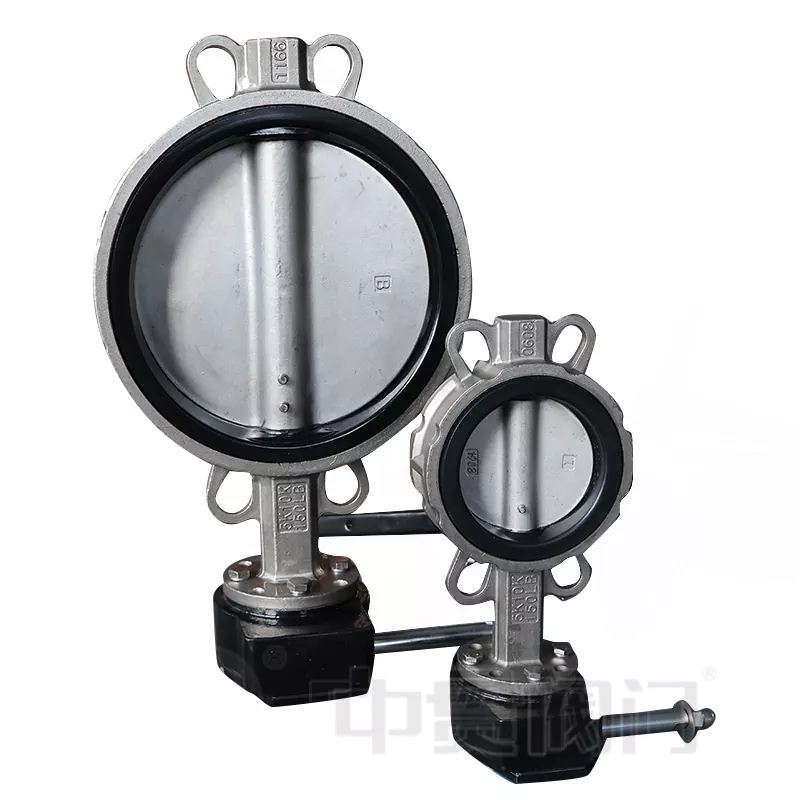
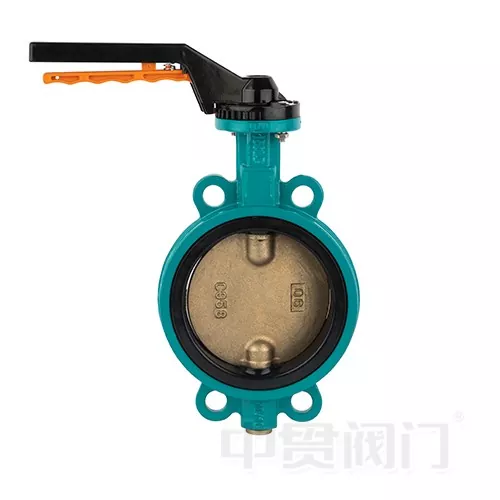
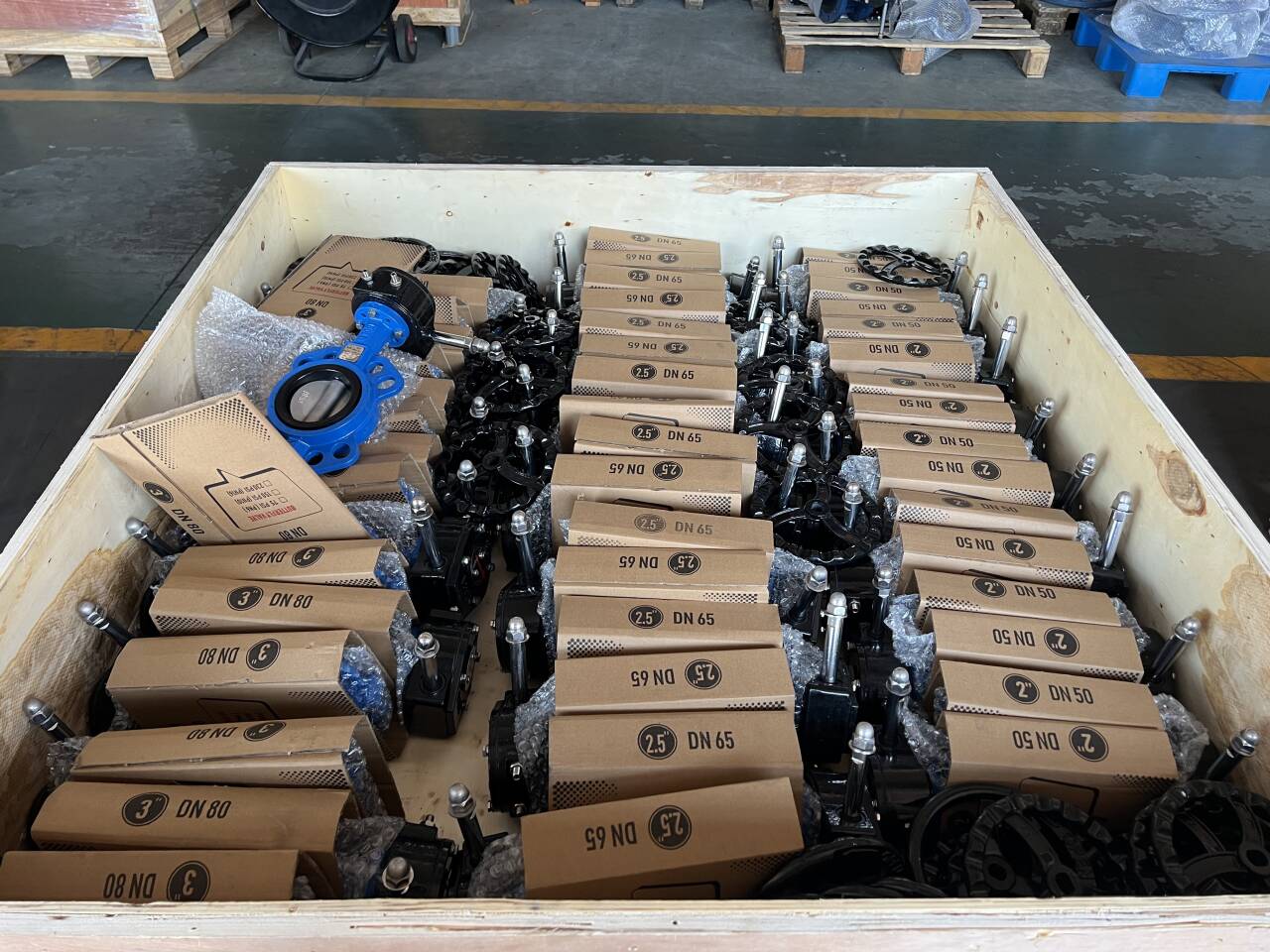
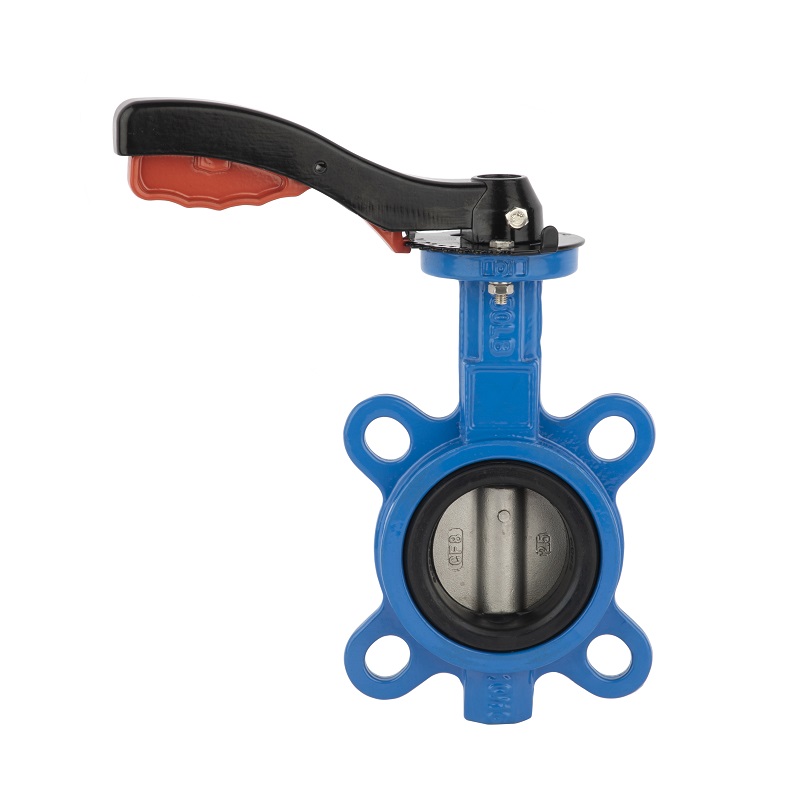
1. Wafer
Core advantages: thin structure (30%~50% thinner than flange type) and with lightweight (weight reduction of 20%~40%)
Necessary scenarios: it usually be used in space-constrained pipelines (equipment interlayer/renovation projects).
Typical applications: central air-conditioning circulating water pipes, and fire sprinkler main pipes (PN10~16)
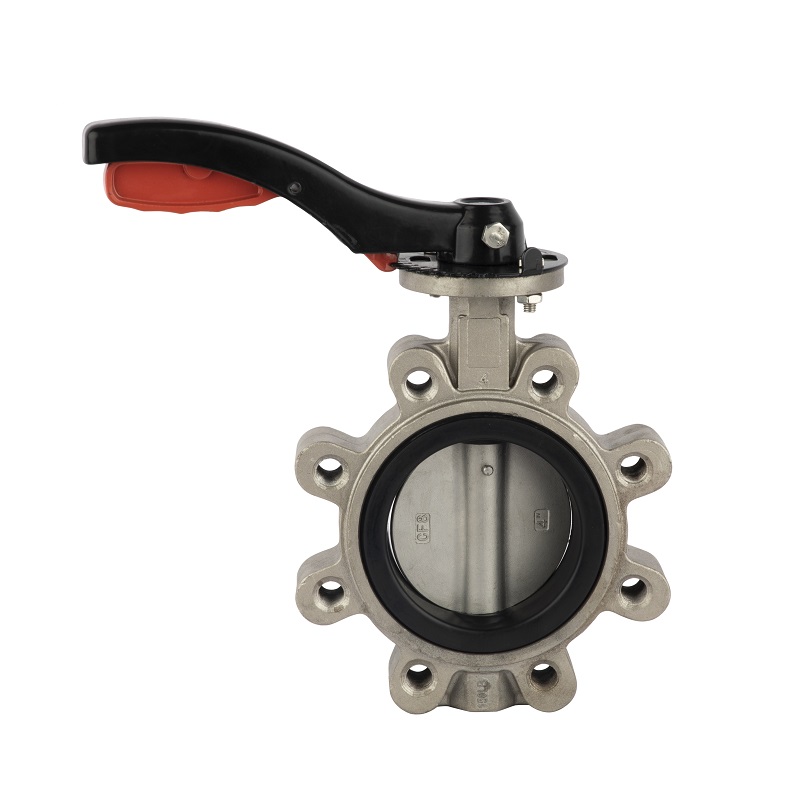
2. Lug
Core advantages: single-end pressure isolation, removable single-side bolts
Necessary scenarios: segmented pressure test/maintenance (zoned water supply), vertical pipeline installation
Typical applications: secondary water supply pump room outlet valve, cooling water system segmented valve (PN10)
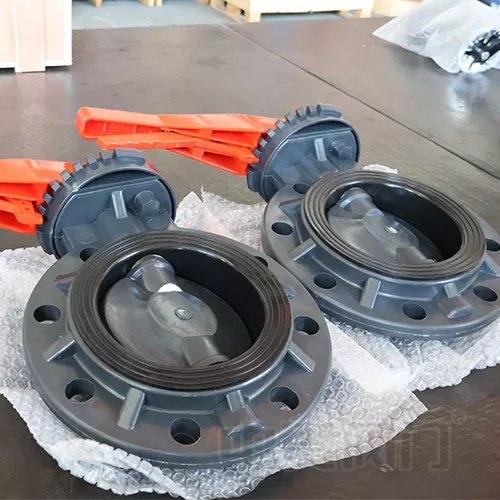
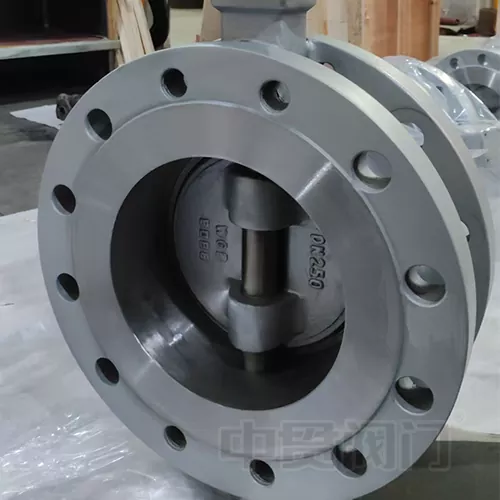
3. Flanged
Core advantages: Highest sealing reliability, resistance to pipeline stress and deformation
Necessary scenarios: Frequent disassembly and cleaning (filter tank backwash valve), high leakage requirements (food factory process water pipe)
Typical applications: sewage treatment dosing pipe, pharmaceutical pure water delivery pipe (PN6~16)
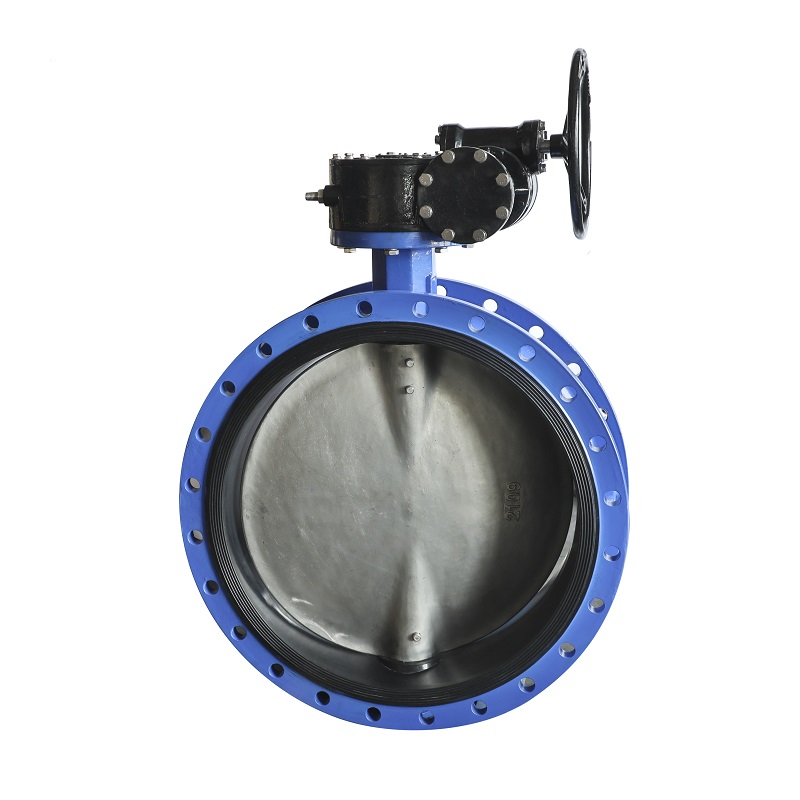
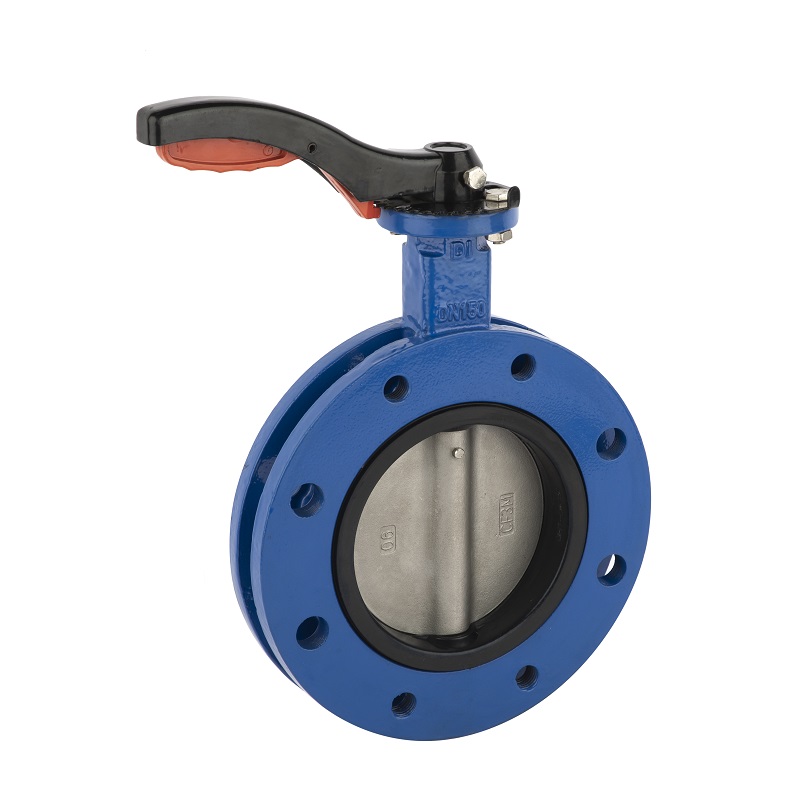
4. U-Section
Core advantages:
▶️ Protect soft seal ring (prevent extrusion failure)
▶️ Retain the lightweight advantage of the clamp type (30%~50% lower cost)
Necessary scenarios:
▶️ EPDM/PTFE soft seal valve
▶️ Frequent disassembly and cleaning of pipelines (CIP cleaning)
▶️ Uneven flange installation surface
Typical applications: Food and pharmaceutical CIP pipelines, DN300+ valves in water treatment plants
Selection tips: Choose U-flange for priority sealing protection, choose clamp type for space cost sensitivity, choose lug type for end point isolation, and use flange type for high-frequency maintenance scenarios.