Language

Abstract: PVC Material Ball Valves have become essential components in modern fluid handling systems due to their durability, chemical resistance, and ease of maintenance. This article provides a comprehensive overview of PVC ball valves, detailing their technical specifications, addressing common usage questions, and exploring their practical applications across various industries. By the end, readers will gain a clear understanding of how these valves contribute to efficient pipeline management and operational reliability.
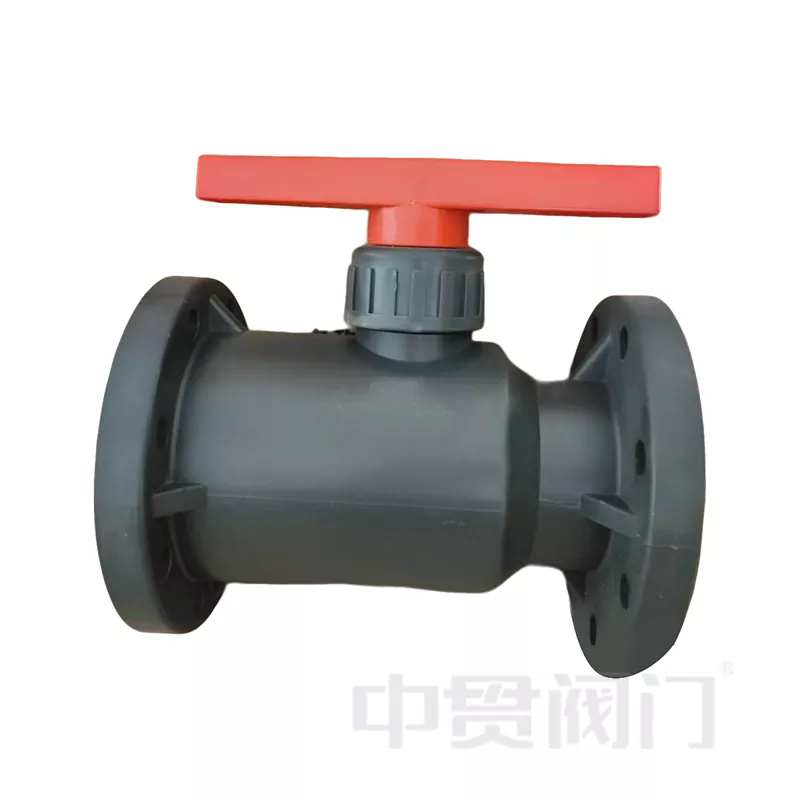
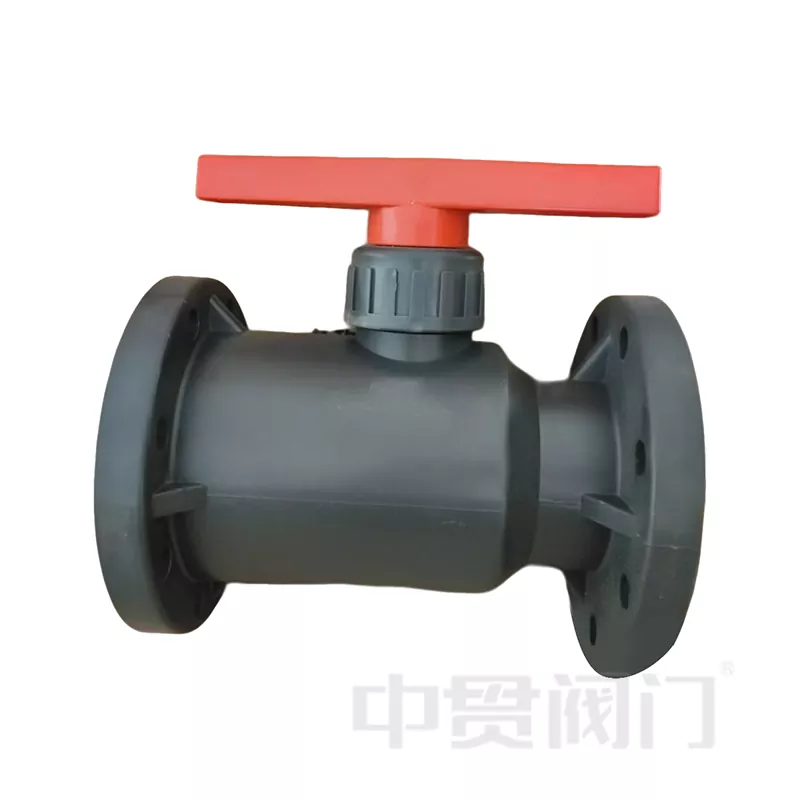
PVC Material Ball Valves are engineered to control the flow of liquids in pipelines with high precision and minimal leakage. Constructed primarily from polyvinyl chloride (PVC), these valves are lightweight yet robust, making them suitable for a wide range of industrial and commercial applications. Their design typically includes a spherical ball with a central port that aligns with the flow when opened and blocks the flow when closed, ensuring reliable operation and long service life.
The focus of this article is to explore the design features, operational parameters, and common concerns regarding PVC Material Ball Valves. It aims to provide detailed guidance for engineers, procurement managers, and industry professionals seeking effective pipeline solutions.
Understanding the technical parameters of PVC Material Ball Valves is crucial for selecting the right valve for specific applications. Below is a detailed table summarizing the most relevant specifications:
| Parameter | Description |
|---|---|
| Material | High-quality PVC, UV resistant, chemical corrosion resistant |
| Size Range | DN15 to DN200 (1/2" to 8") |
| Pressure Rating | PN10-PN16, depending on size and manufacturer standards |
| Temperature Range | 0°C to 60°C (32°F to 140°F) |
| Connection Type | Socket, Threaded, Flanged |
| Operation | Manual lever, gear-operated, electric actuator optional |
| Sealing | EPDM or PTFE seats for leak-proof operation |
| Standards | ISO 9001 certified, ASTM D1784 compliance |
A1: Choosing the right valve size depends on the pipeline diameter, desired flow rate, and pressure requirements. For optimal performance, the valve's nominal diameter (DN) should match the pipeline to avoid flow restriction or excessive pressure drop. Additionally, consider the valve's pressure rating relative to the system's maximum operating pressure to ensure safety and durability.
A2: Regular maintenance involves periodic inspection for leaks, cleaning the valve body and ball surface, and checking the sealing seat integrity. Lubricating the ball and stem with compatible PVC-safe lubricants can reduce friction and wear. Avoid exposure to extreme temperatures or aggressive chemicals that exceed the valve’s rated specifications.
A3: Common issues include leakage, difficulty in operation, and noise during flow. Leakage can result from damaged seats or improper installation. Difficulty in operation may indicate debris in the valve or misalignment. Noise is often caused by turbulent flow at high velocities. Solutions include seat replacement, proper installation, and adjusting flow rates within recommended limits.
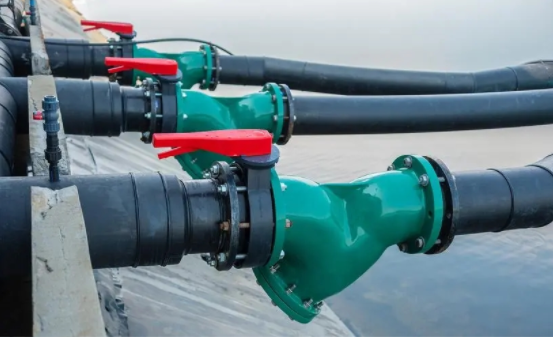
PVC Material Ball Valves are widely used in:
Best practices for maintenance include:
Additionally, understanding the valve’s chemical compatibility is essential to avoid premature degradation. PVC ball valves should not be used with strong solvents or high-temperature fluids beyond rated limits.
In summary, PVC Material Ball Valves offer reliable performance, low maintenance, and versatile applications across various industries. Proper selection, installation, and routine maintenance ensure extended service life and operational efficiency. For high-quality PVC Material Ball Valves, Zhongguan Valve provides a range of products engineered to meet industry standards and customer requirements.
For inquiries, detailed specifications, or personalized advice, contact us today to explore solutions tailored to your pipeline system needs.