Language

A check valve is like a one-way door for a pipe. It lets liquid or gas flow in one direction but closes automatically to stop anything from flowing backward. This helps protect equipment and keeps the system working properly.
Here are the most common types of check valves, explained in plain English:
1. Swing Type (The Swinging Door)
This valve has a disc that works like a door on a hinge. When liquid flows forward, it pushes the door open. When the flow stops or tries to go backward, the door swings shut. It's simple and reliable, but it can make a "clunk" noise when it closes.
2. Lift Type (The Lift-Up Plug)
This valve uses a plug that moves up and down. When pressure builds up, the plug lifts to let liquid through. When pressure drops, the plug falls back down to block the flow. It seals well but needs to be installed horizontally.
3. Ball Type (The Rolling Ball)
This valve contains a free-moving ball. When liquid flows forward, it pushes the ball away from the opening. When the flow stops, the ball rolls back to seal the pipe. It's great for thick liquids or water with small particles because the ball won't get stuck easily.
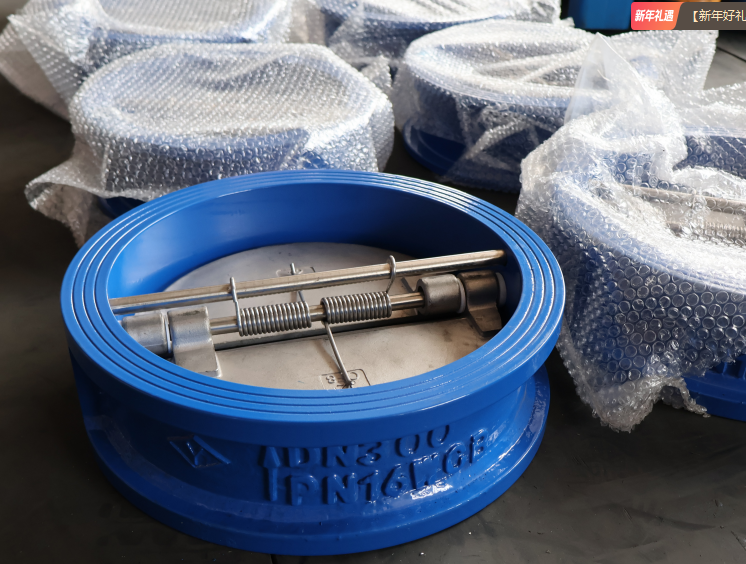
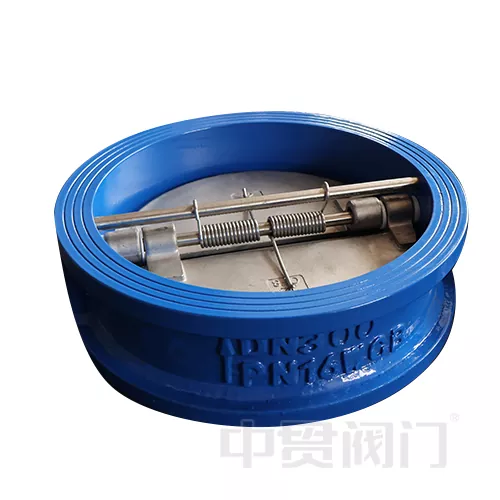
4. Dual-Plate Type (The Spring-Loaded Flaps)
This compact valve has two hinged plates with springs. Flow pressure pushes the plates open, and the springs snap them shut as soon as the flow weakens. It's thin, lightweight, and closes quickly, making it ideal for tight spaces.
5. Stop-Check Type (The Manual + Automatic Combo)
This valve works automatically like a standard check valve but also lets you manually open, close, or partially block the flow. It's like having a regular valve and a check valve in one. It's more complex and used in systems that need extra control.
6. Silent Type (The Smooth Operator)
This advanced valve is designed like a straight tunnel with a piston and spring. Liquid flows straight through with minimal resistance, and the spring closes the piston softly and quietly. It's perfect for systems where noise and pressure loss are big concerns.
How to Choose the Right One?
l Need something simple for a big pipe? Use the Swing Type.
l Dealing with thick or dirty liquid? Try the Ball Type.
l Working in a tight space? Go for the Dual-Plate Type.
l Want something quiet and efficient? Choose the Silent Type.
l Need manual control? Consider the Stop-Check Type.
Remember, the right check valve depends on your specific needs, like pipe size, liquid type, and space available.