Language

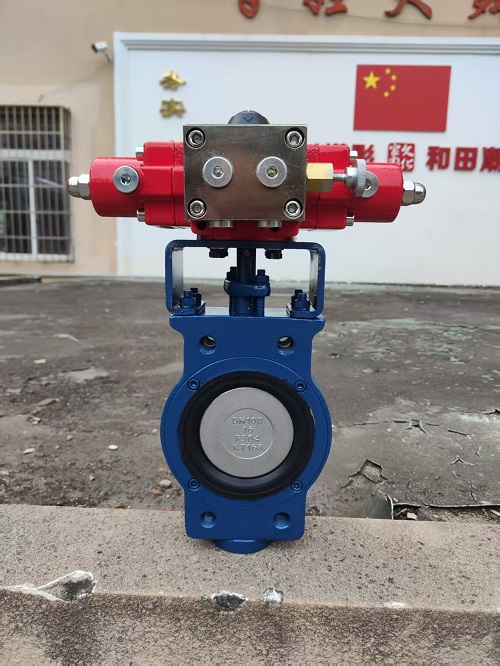
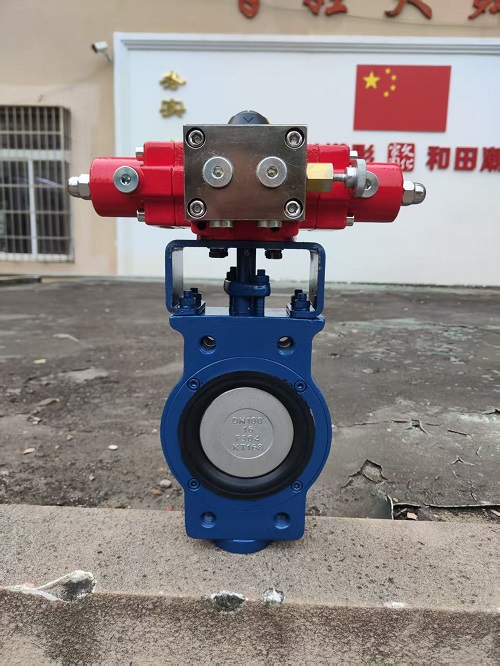
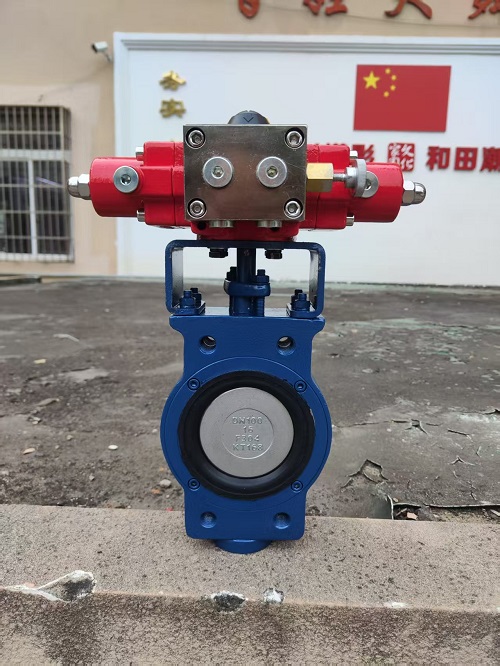
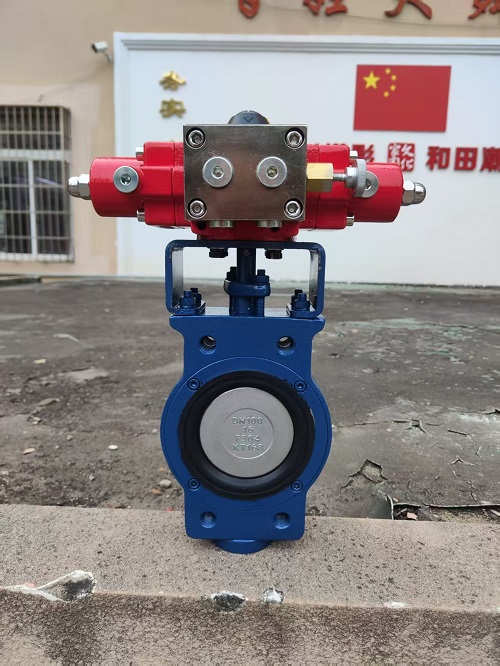
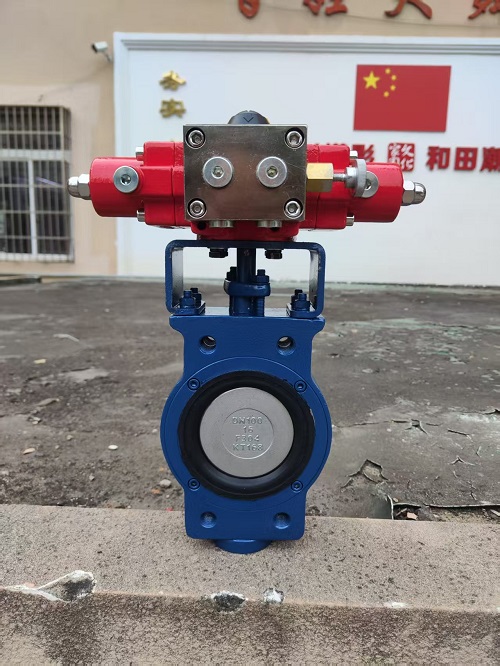
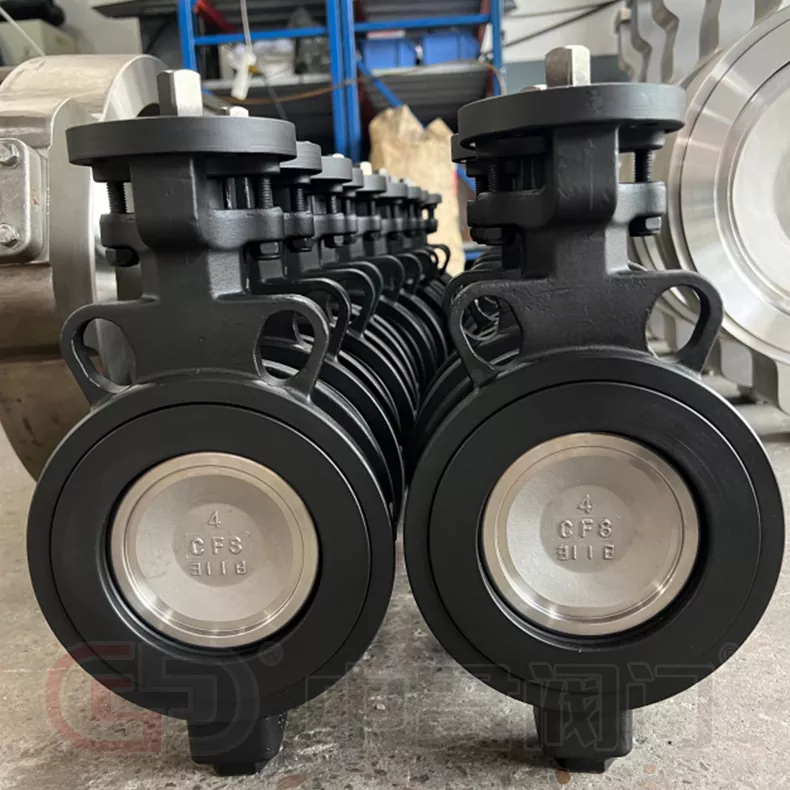
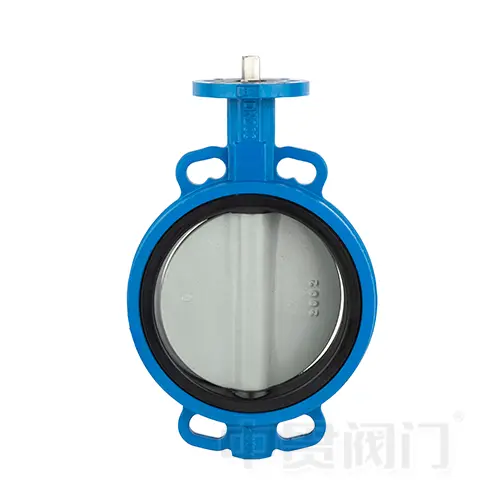
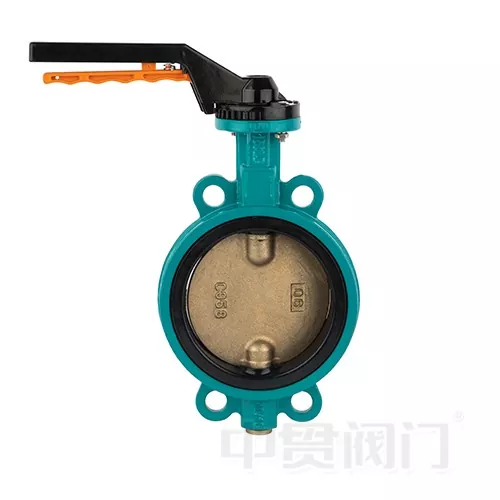
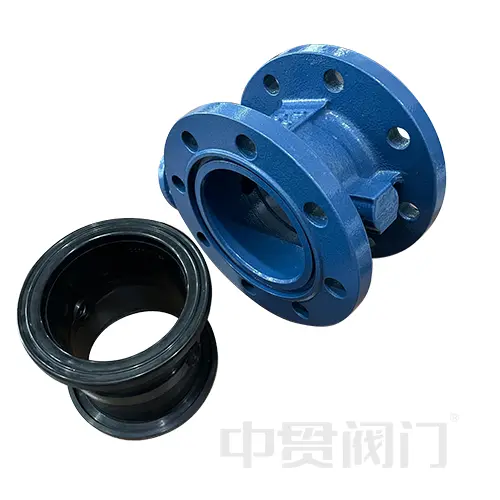
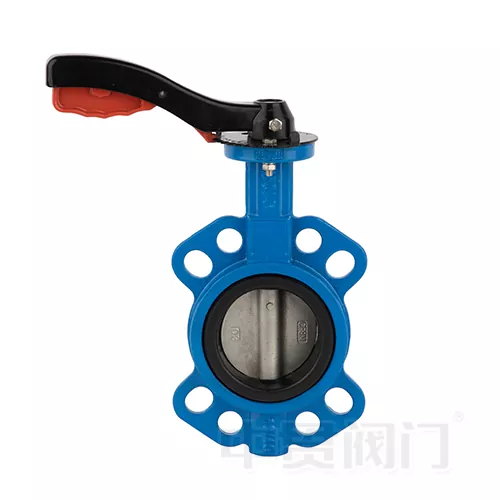
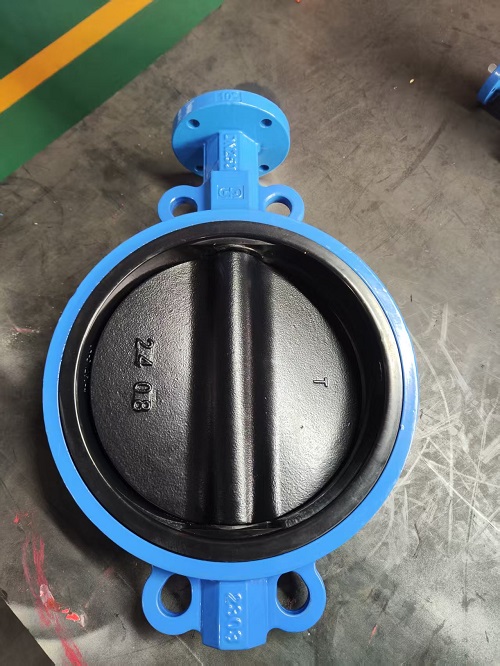
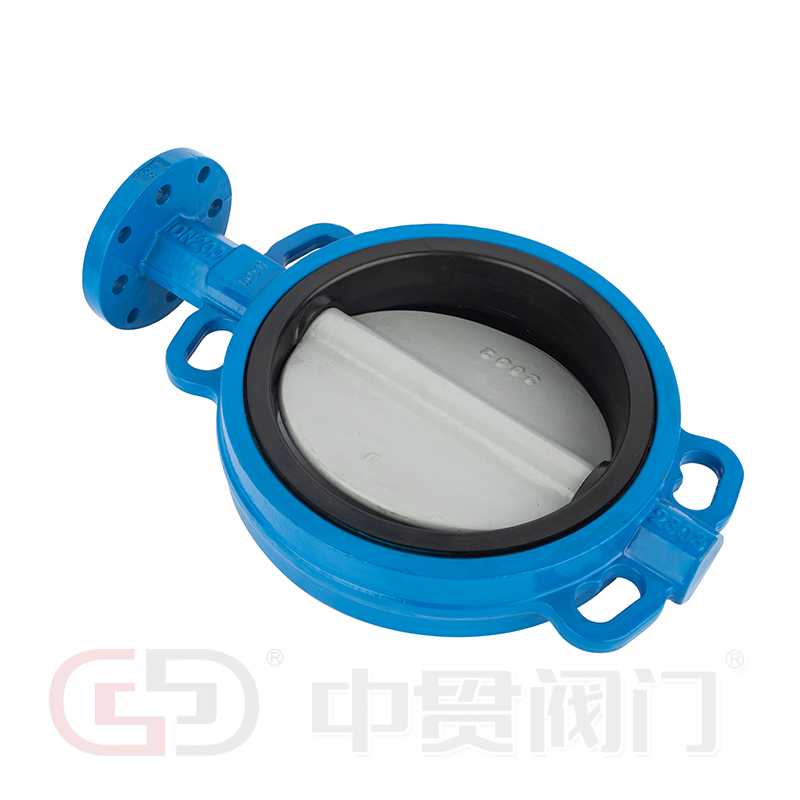
Zhongguan Valve is a China butterfly valve manufacturer, supplying the High Performance Butterfly Valve for Water Systems for utility bulk orders and project matching. Built to AWWA C504 as the primary design reference, with fusion-bonded epoxy ductile iron bodies, stainless steel discs and shafts, and EPDM seats for potable water contact, this valve is produced at the company's Wenzhou and Tianjin plants. This section gives water utility buyers and project contractors the standards, material logic, size and pressure class matching, and factory supply facts needed before issuing a purchase order.
In North American waterworks practice, AWWA C504 is the core product standard for rubber-seated butterfly valves. It covers sizes from 3 in. to 72 in. (approximately DN75 to DN1800) and pressure classes 150B and 250B, with a maximum steady-state working pressure of 250 psig. A High Performance Butterfly Valve for Water Systems quoted for a US or Canadian municipal project should be reviewed against C504 for body strength, seat design, and proof-of-design testing, even when the valve uses double-offset geometry rather than a purely concentric layout.
For potable water contact, the material standard is separate from the valve design standard. NSF/ANSI 61 addresses health effects of wetted materials, and NSF/ANSI 372 addresses lead content. Valves certified to NSF 61 are listed by size and water-contact material; certification is limited to the materials shown in the listing, not the whole assembly without qualification. In the UK and some export markets, WRAS approval plays the equivalent role; WRAS-approved EPDM seats are typically rated up to 85°C, with the exact limit set by the seat compound supplier's datasheet.
| Reference | What it covers | Waterworks procurement note |
|---|---|---|
| AWWA C504 | Rubber-seated butterfly valves, 3–72 in., Class 150B / 250B | Primary design and testing reference for municipal water and wastewater |
| NSF/ANSI 61 | Health effects of drinking-water contact materials | Required for potable water in North America; certification is material-specific |
| NSF/ANSI 372 | Lead content in wetted components | Often specified together with NSF 61 for lead-free compliance |
| WRAS | UK water regulations approval for wetted materials | Common export-market reference; EPDM seat and epoxy body are typical |
| Fusion-bonded epoxy | Interior and exterior coating for ferrous surfaces | NSF 61 certified epoxy is commonly specified at 8 mils nominal thickness |
A High Performance Butterfly Valve for Water Systems is often compared against a concentric resilient-seated butterfly valve. The difference that matters in a distribution network or pump station is what happens to the seat during throttling.
The trade-off is higher initial cost than a concentric resilient-seated valve. In valves that cycle frequently or modulate flow, reduced seat wear and lower actuation torque offset that difference; for isolation-only service in a low-cycle network, a concentric valve may be more economical. We can quote both configurations when the duty is stated on the inquiry.
A High Performance Butterfly Valve for Water Systems should be configured to the specific stream, not ordered as one specification for the whole plant. The list below is the baseline; deviations are quoted separately.
For OEM and private-label projects, we accept buyer-specified flange drilling, disc material, coating colour, and nameplate marking, quoted separately from the standard range. Projects comparing soft-seat service life across applications can refer to replaceable soft seat butterfly valves for seat replacement economics and maintenance intervals.
The valve is available from DN50 to DN1200 as standard, with larger sizes by factory confirmation. AWWA C504 classes 150B and 250B are the primary reference; where the project uses PN ratings or ASME Class 150 drilling, the flange standard must be stated separately, because AWWA, PN, and ASME flange envelopes are not interchangeable without confirmation.
| Parameter | Standard offer | Inquiry note |
|---|---|---|
| Size range | DN50 – DN1200 | Larger sizes by confirmation |
| Pressure class | AWWA 150B / 250B reference | PN10 / PN16 / ASME 150 drilling on request |
| Body | Ductile iron, fusion-bonded epoxy | State coating thickness if specified |
| Disc / shaft | Stainless steel | CF8 / CF8M / duplex on request |
| Seat | EPDM | Drinking-water grade for potable service |
| End connection | Wafer / Lug / Flanged | Match to pipe material and flange standard |
| Actuation | Lever, Gear, Electric, Pneumatic | State voltage, air supply, or fail-safe logic |
| Design reference | AWWA C504 | NSF 61 / 372 or WRAS documentation aligned per order |
For projects evaluating resilient-seated valves for the same network, centerline vs. eccentric butterfly valves explains where each design is economically justified. The full factory range is indexed on the butterfly valve category page.
Quarter-turn butterfly valves can generate surge when closed rapidly against a flowing column. For pump discharge and transmission main isolation, the actuator should be sized so the closing time is coordinated with the network surge analysis. This is a project engineering decision, but the supplier should be informed of the required closing time so the actuator and gearbox are matched to the duty.
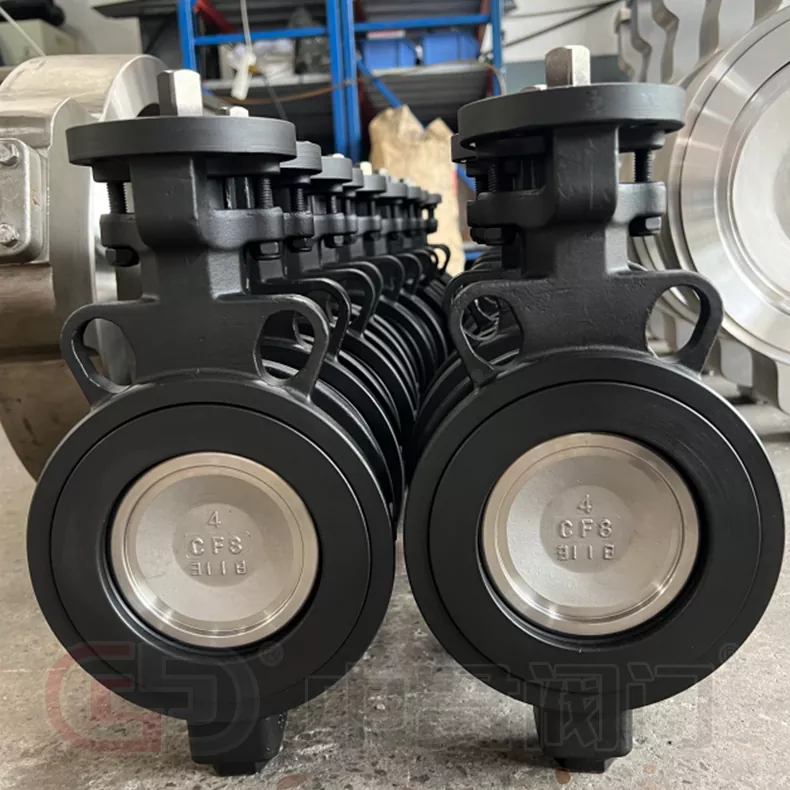
Zhejiang Zhongguan Valve Manufacture Co., Ltd. is a China butterfly valve manufacturer operating two production bases in Wenzhou, Zhejiang (Oubei valve cluster) and Tianjin. The factory runs butterfly valve production from DN40 to DN1600, with in-house pressure testing, seat installation, and marking equipment. The company holds ISO certificates for the valve range and can supply WRAS-certified valve seats when the project requires that approval; certificate details are listed on the certificate page.
Pressure test records and material certificates can be issued with the shipment, and third-party inspection (SGS, BV, TÜV) can be arranged at the buyer's request before dispatch. The company supplies stockists and project contractors primarily in Vietnam, Malaysia, and Singapore, and accepts water utility and contractor inquiries from other regions. For a High Performance Butterfly Valve for Water Systems order — standard or OEM — the sales team confirms the seat compound and coating specification against the water source before releasing production, because potable, raw, and wastewater streams within the same plant can require different material combinations.
AWWA C504 is written around rubber-seated butterfly valves and is the reference standard for waterworks service. A double-offset valve can be reviewed against C504 for body and testing requirements, but the project specification should state whether C504 is mandatory for the entire valve or whether double-offset geometry is accepted as an alternative to a concentric design. We quote to the stated specification rather than assuming C504 equivalence.
EPDM is the common seat material for potable water. PTFE is generally specified for chemical, higher-temperature, or abrasive duty. If a project specifies PTFE for a water application, the reason is usually a specific chemical resistance requirement in the stream; the supplier should confirm the wetted material and the required potable water approval before accepting the specification.
NSF 61 certification is material-specific and listing-specific. For a waterworks order, we can align the wetted materials and coating with NSF 61-grade components and provide the corresponding documentation for the materials used. The project specification should state the exact NSF reference and whether NSF 372 lead-content compliance is also required, so material selection is not finalized on an incomplete standard reference.
For project quantities, OEM labeling, buyer-brand packaging, and private nameplate marking are handled directly by the China factory before shipment.
Send size, pressure class, flange standard, potable-water approval requirement, and destination port through the inquiry form below.
Send InquiryAddress
No. 838, Oubei Avenue, Yongjia County, Wenzhou City, Zhejiang Province, China
Tel