Gate valves are widely used flow control components in industrial pipeline systems where reliable shut-off, minimal pressure loss, and long service life are required. This article explains how gate valves operate, how their structural design affects performance, and how technical parameters influence selection decisions. It also addresses common questions raised by engineers and procurement professionals, providing a structured, practical reference aligned with real-world industrial usage and search behavior.
Every household has a water pipe, and there is a thing on the pipe that can be turned on or off. That is the valve. In factories and larger pipeline systems, the two most commonly used valves can be called "the tough guy" and "the gentle girl".
PVC Material Ball Valves are widely utilized in industrial, residential, and commercial fluid control systems due to their durability, chemical resistance, and cost-effectiveness. This article provides a detailed guide on PVC Material Ball Valves, including specifications, applications, installation, maintenance, and answers to common user questions.
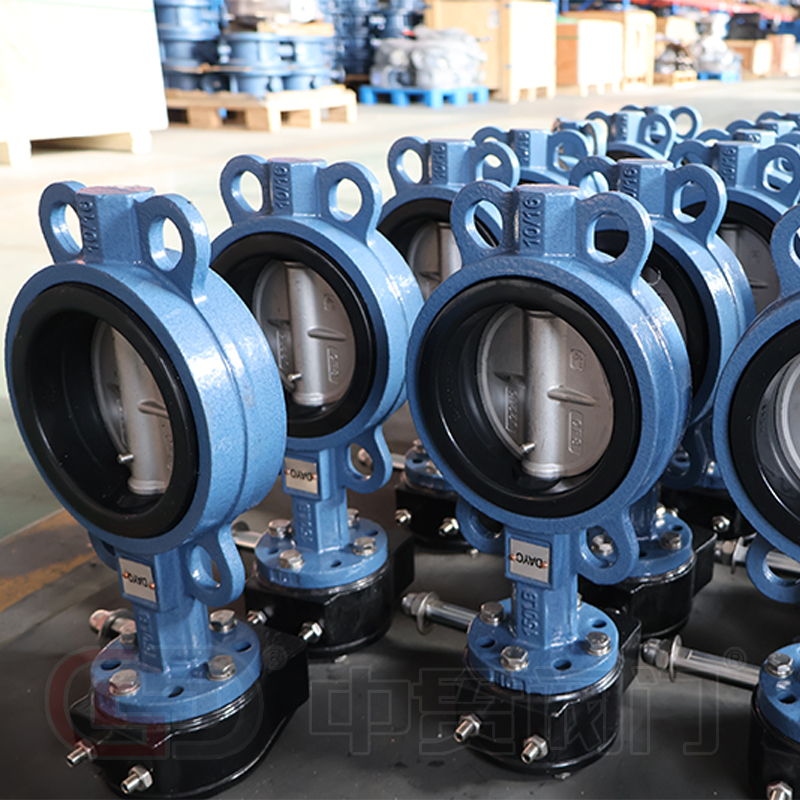
In modern fluid control systems, efficiency, reliability, and structural optimization are no longer optional—they are essential. Among various valve configurations, the Half-stem Design Butterfly Valve has gained increasing attention for its balanced structure, reduced operational torque, and improved sealing performance. This article offers a comprehensive, expert-level exploration of what defines a half-stem design butterfly valve, how it differs from traditional designs, and why it has become a preferred solution across multiple industries.
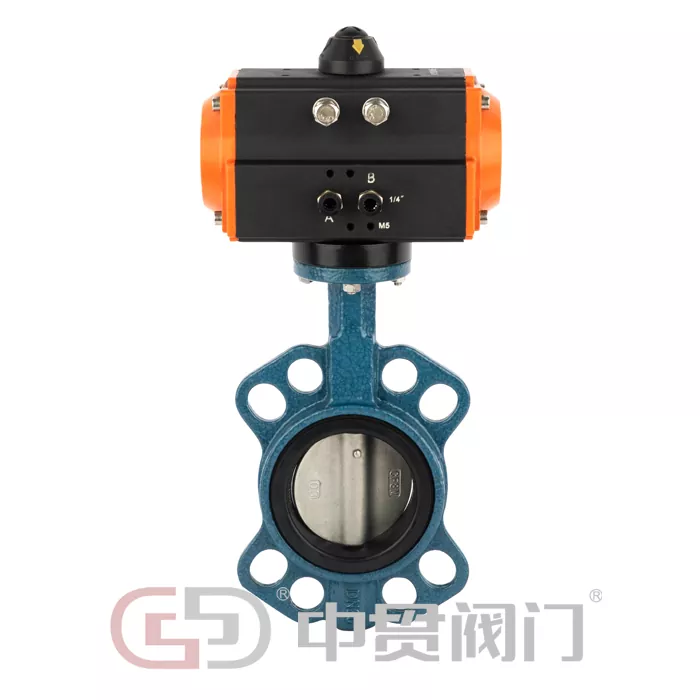
In modern industrial systems, efficiency, safety, and automation are no longer optional—they are essential. One component that plays a critical role in achieving these goals is the Pneumatic Actuated Butterfly Valve. Widely used in water treatment, chemical processing, power generation, food & beverage, and HVAC systems, this valve type combines simple mechanical design with reliable pneumatic automation. Its fast response, compact structure, and low maintenance requirements make it a preferred choice for both on–off control and throttling applications.
If you look at modern water plants, factories, or piping systems in large buildings, you might notice something: those bulky, heavy traditional gate valves are becoming less common. They're increasingly being replaced by a more compact type of valve with a handle or gear—the butterfly valve.
We use cookies to offer you a better browsing experience, analyze site traffic and personalize content. By using this site, you agree to our use of cookies. Privacy Policy


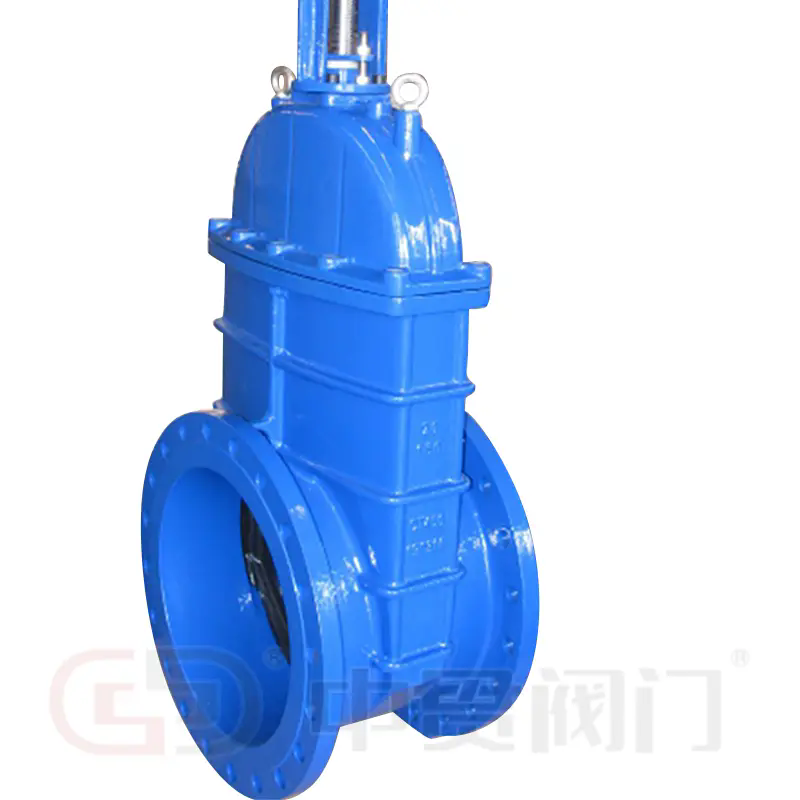 05 2026-01
 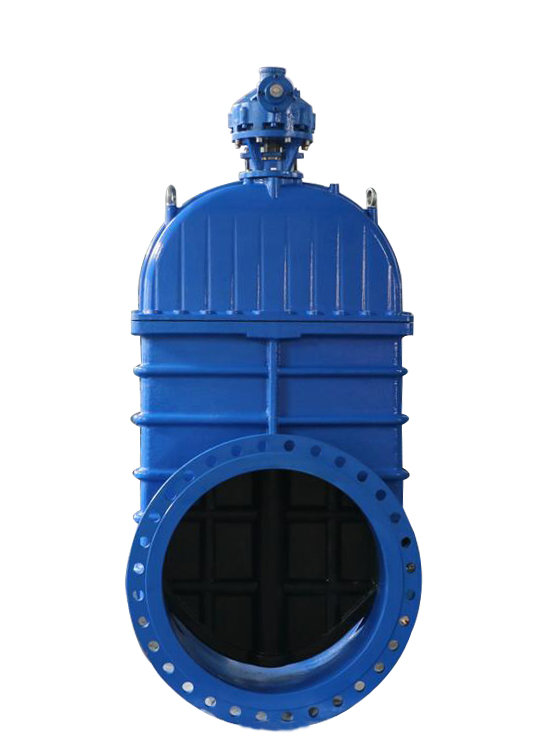 29 2025-12
 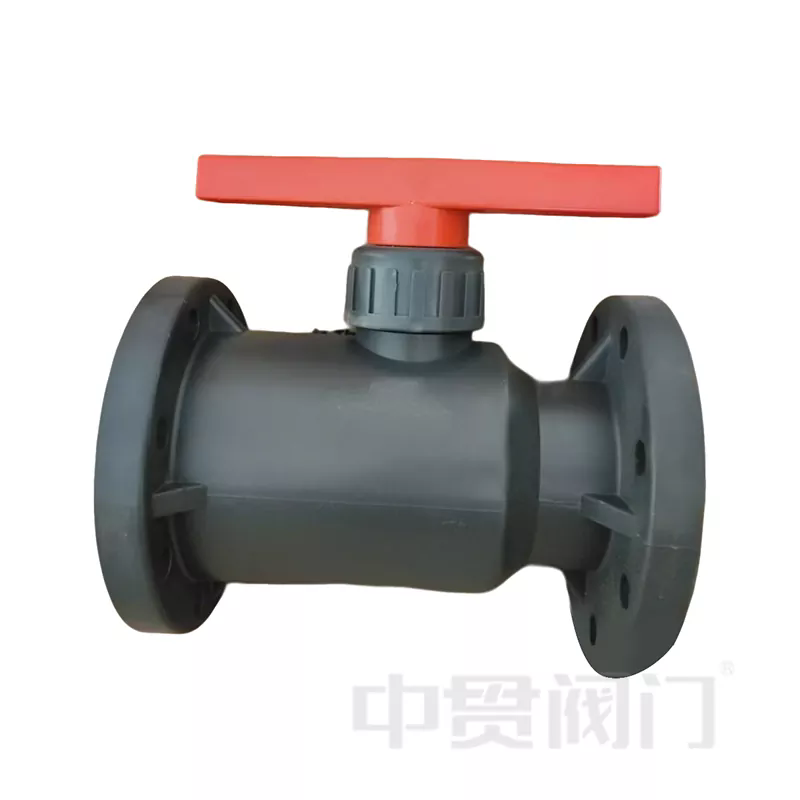 25 2025-12
 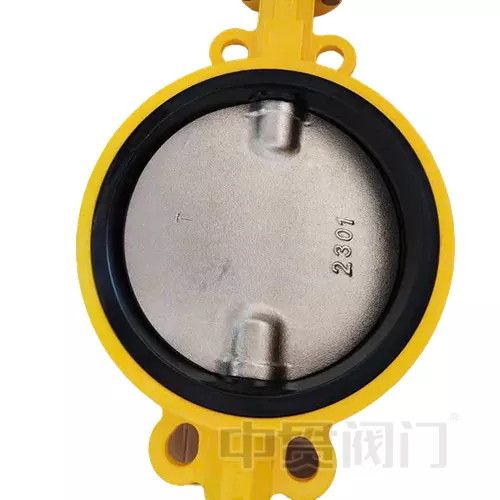 23 2025-12
  16 2025-12
  10 2025-12