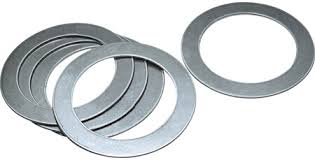
In the valve&sealing field, Flexible Graphite (also named as Expanded Graphite) is a pure graphite sealing material made from natural graphite through special chemical treatment, extreme heat-resistance, and also compression. It is not rubber (like X5, X6) or plastic (like PTFE); the graphite is an inorganic non-metallic material, especially famous for its extreme high-temperature resistance and extraordinary sealing performance.
The stainless steel V-port ball valve is a highly efficient and precise flow control solution widely used in industrial systems. This comprehensive guide explores its structure, working principle, advantages, applications, and how to choose the right valve. Whether you are in oil & gas, water treatment, or manufacturing, understanding this valve can significantly improve operational efficiency and system reliability.
PTFE, that is Polytetrafluoroethylene, commonly known by its trade name Teflon or the Chinese nickname "Plastic King" . It is a high-performance engineering plastic comprehended for its extreme chemical inertness and extensive operating temperature range.
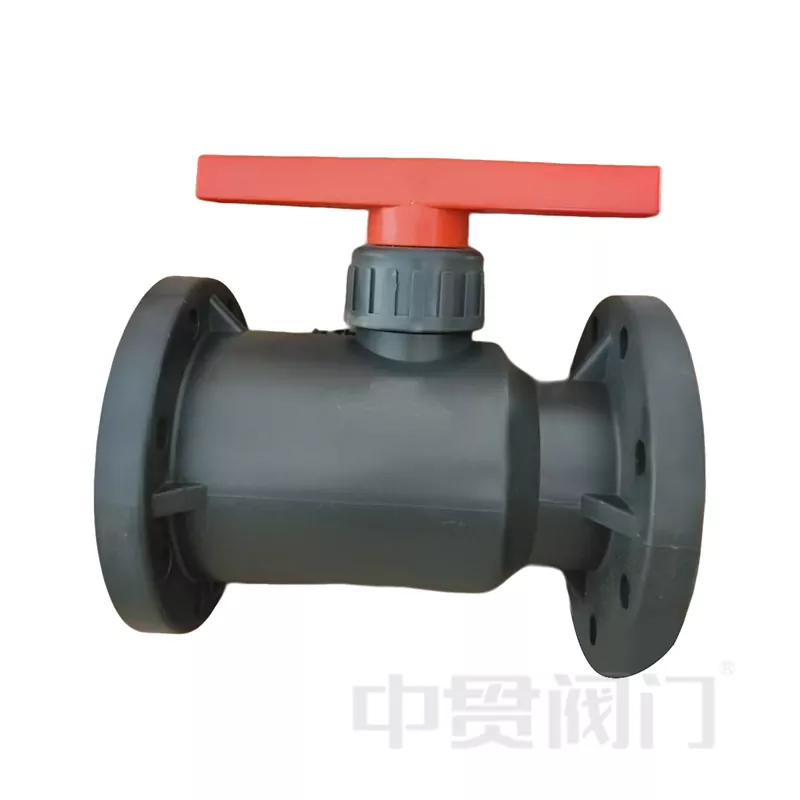
PVC Material Ball Valves have become a cornerstone in modern fluid control systems due to their corrosion resistance, lightweight structure, affordability, and versatility. This in-depth guide explores their features, benefits, applications, and how to select the right valve for your needs. With insights tailored for engineers, buyers, and industrial professionals, this article also highlights why Zhongguan stands out as a trusted manufacturer in this field.
In the field of valves, X5 and X6 mean with two different sealing materials.
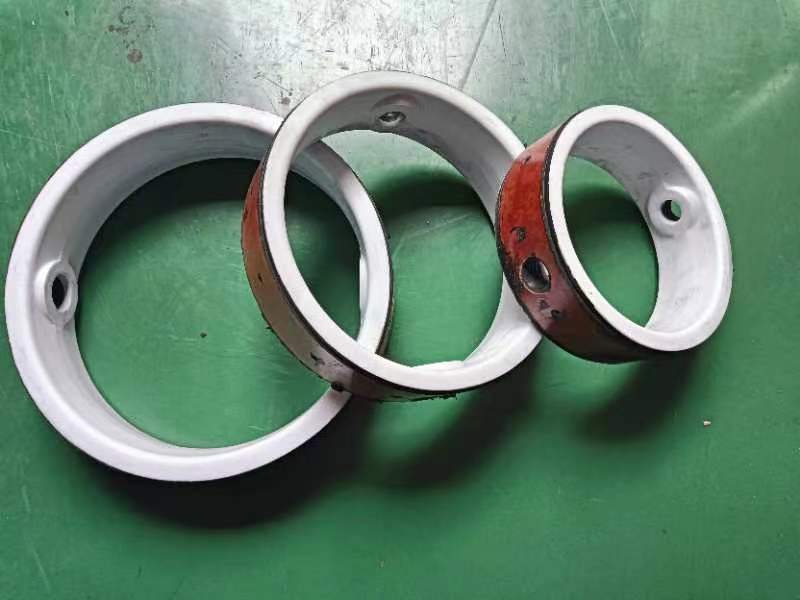
X5 is a specific material code representing Nitrile Rubber. It is a synthetic rubber and is a mainstream choice in industrial applications, especially for valve seals involving oil-based media.X6 is a specific material code representing Abrasion-Resistant Rubber. It is specifically designed to deal with wear patterns caused by media containing solid particles.
Extended stem butterfly valves are widely used in modern industrial piping systems where standard valves cannot provide sufficient accessibility or operational convenience. These valves feature an elongated stem that allows operators to control flow from above insulated pipelines, underground installations, or difficult-to-reach locations. This article explains how extended stem butterfly valves work, their structural components, advantages, common applications, and key factors to consider when selecting the right valve for industrial use. Clear tables, structured sections, and practical guidance help engineers, procurement teams, and maintenance professionals understand how these valves solve real-world operational challenges.
We use cookies to offer you a better browsing experience, analyze site traffic and personalize content. By using this site, you agree to our use of cookies. Privacy Policy


 31 2026-03
  30 2026-03
  24 2026-03
  23 2026-03
  18 2026-03
  16 2026-03