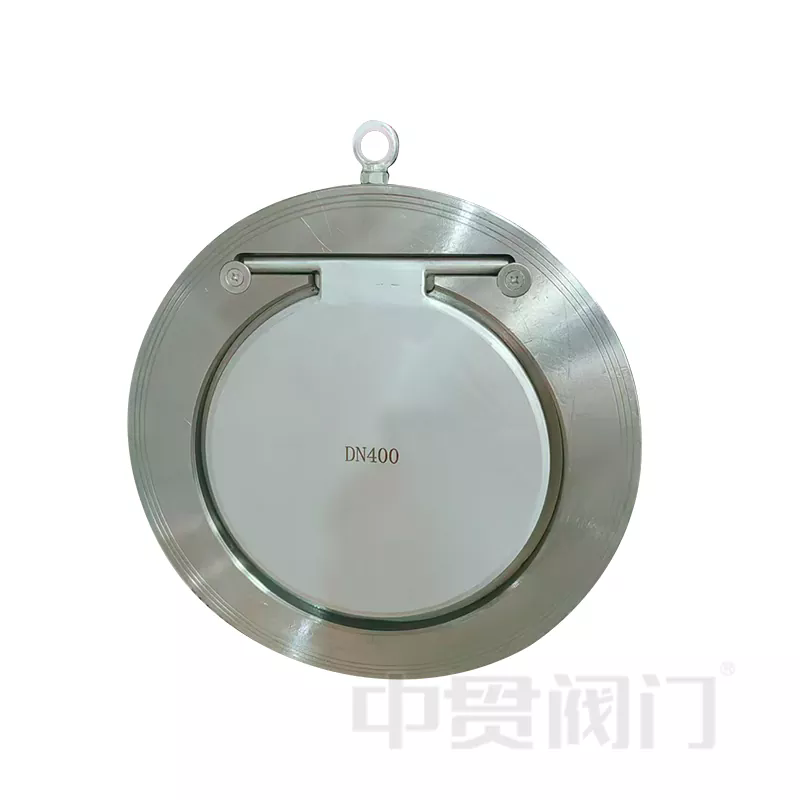
In fluid transport systems, maintaining the correct direction of flow is critical to system safety, efficiency, and equipment protection. A check valve is a mechanical device designed to automatically prevent reverse flow in pipelines without requiring manual operation or external control. This article explains how a check valve works, its structure, common types, installation considerations, and how to select the right valve for different industrial applications. The goal is to help engineers, procurement managers, and facility operators solve common system problems such as backflow damage, pressure fluctuations, and pump failure.
Butterfly valves are widely used in industrial pipeline systems due to their compact structure, fast operation, and cost efficiency. However, selecting the wrong butterfly valve can lead to leakage, premature failure, flow control issues, and increased maintenance costs. This article provides a structured and practical guide to understanding butterfly valve types, materials, sealing methods, and application scenarios. It aims to help engineers, procurement managers, and system designers make informed decisions based on real operating conditions.
This article explores DIN standard industrial valves—what they are, why they matter, and how they solve common industrial flow control challenges. It provides a clear overview of technical criteria, performance considerations, selection guidelines, and practical use cases. You will also find a helpful table, structured sections, and a set of FAQs to guide decision-making. Whether you are responsible for procurement, engineering design, or equipment maintenance, this guide offers actionable insights into choosing and applying DIN compliant valves effectively.
A check valve is like a one-way door for a pipe. It lets liquid or gas flow in one direction but closes automatically to stop anything from flowing backward. This helps protect equipment and keeps the system working properly.
A check valve is a critical component in fluid control systems, designed to allow flow in one direction while preventing reverse movement that can damage equipment or disrupt processes. This in-depth article explains how a check valve works, why it is essential across industries, common problems users face, and how to select the right type for reliable long-term performance. By understanding internal structures, operating principles, and application-specific considerations, decision-makers can reduce maintenance risks, improve system stability, and enhance overall operational safety.
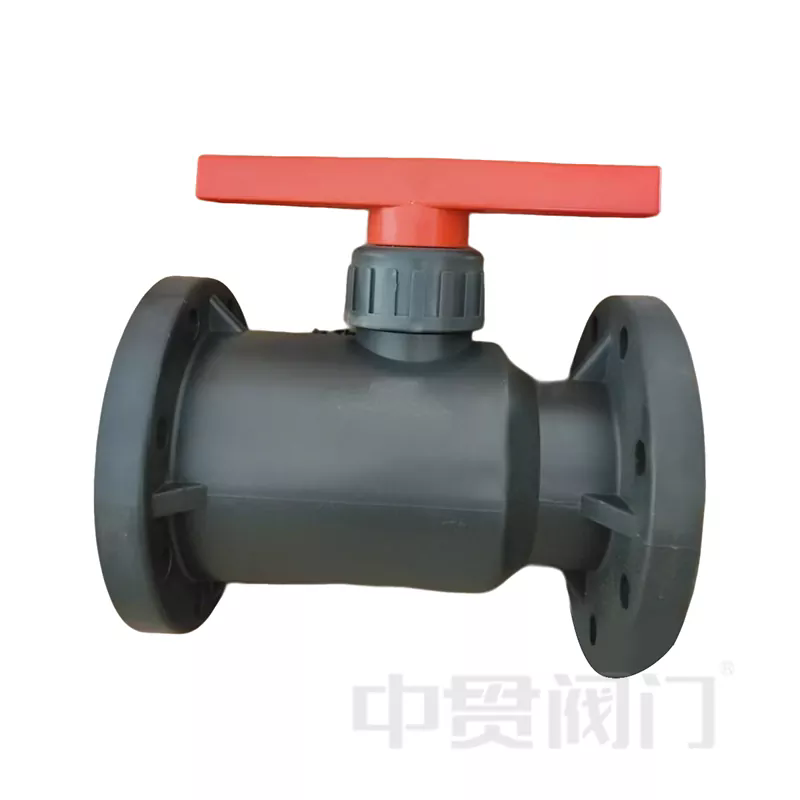
PVC Material Ball Valves have become essential components in modern fluid handling systems due to their durability, chemical resistance, and ease of maintenance. This article provides a comprehensive overview of PVC ball valves, detailing their technical specifications, addressing common usage questions, and exploring their practical applications across various industries. By the end, readers will gain a clear understanding of how these valves contribute to efficient pipeline management and operational reliability.
We use cookies to offer you a better browsing experience, analyze site traffic and personalize content. By using this site, you agree to our use of cookies. Privacy Policy


 10 2026-03
  11 2026-02
  19 2026-01
  14 2026-01
  12 2026-01
  07 2026-01