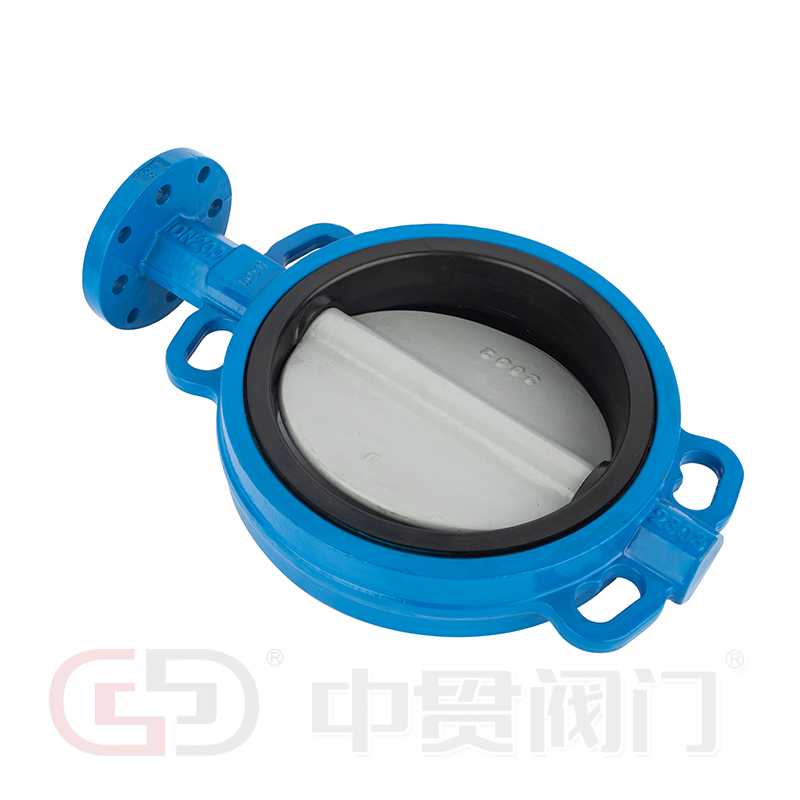
In the world of industrial fluid control, precision, durability, and reliability are non-negotiable. Selecting the right valve can mean the difference between seamless operation and costly downtime. Among the myriad options, the FKM Seat Butterfly Valve has emerged as a champion for handling aggressive media.
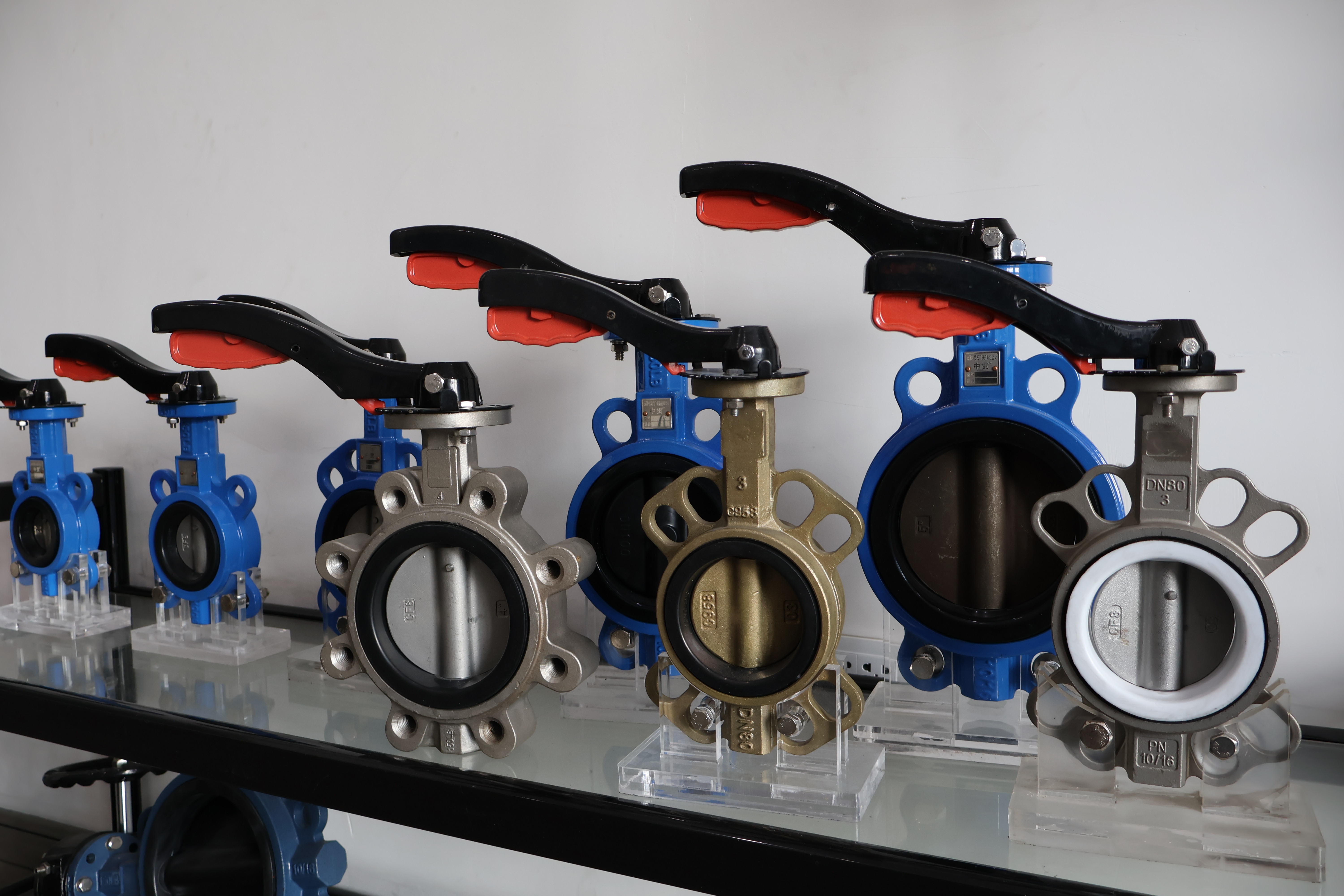
Though we don't notice them much, they're everywhere in our daily lives. Let's look at four common types of valves and see what makes each one special.
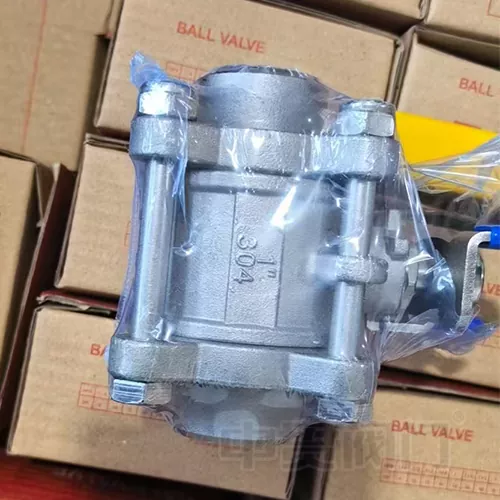
A Manual 3PCS Threaded End Ball Valve is widely used in industries that require high sealing performance, easy maintenance, and reliable shut-off control. Its three-piece body design allows technicians to remove the center section for cleaning or replacement without disturbing the pipe system. This feature makes it more convenient and cost-effective than many traditional one-piece or two-piece valves.
When you turn on the water at your sink, a valve is working. When you flush your toilet, a valve is controlling the water. They are all called valves, but they can be very different depending on where they are used.
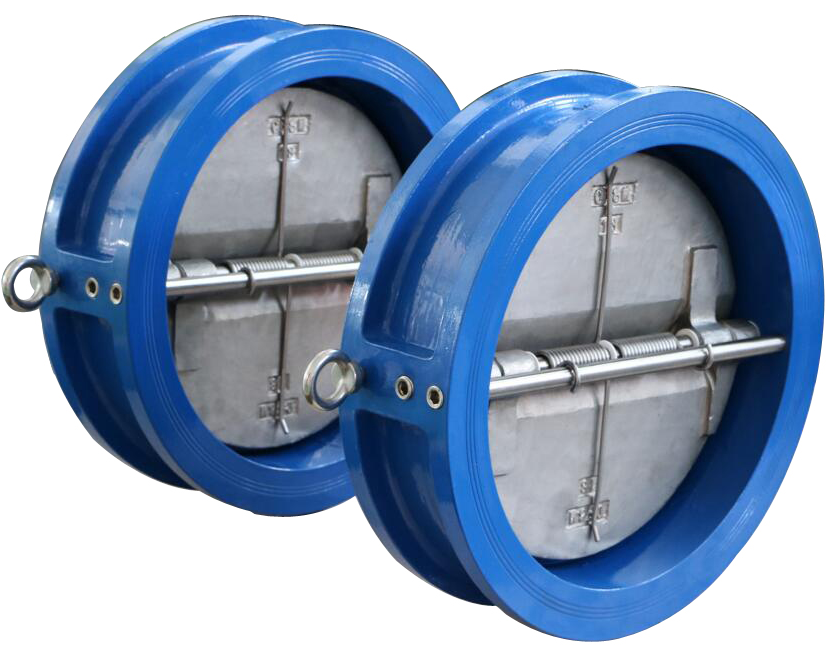
When water or air flows the right way, the force it creates pushes the door open and lets it pass through. But if the flow tries to reverse and go backwards, that reverse pressure slams the door shut, sealing the passage completely and blocking any backflow.
We use cookies to offer you a better browsing experience, analyze site traffic and personalize content. By using this site, you agree to our use of cookies. Privacy Policy


 09 2025-12
 03 2025-12
 02 2025-12
 28 2025-11
 26 2025-11
 24 2025-11