We are glad to share with you about the results of our work, company news, and give you timely developments and personnel appointment and removal conditions.
The valve standards system is quite extensive and can be broadly divided into three main categories: Chinese National Standards (GB), Industry Standards (JB, SY, etc.), and International/Foreign Standards (ISO, API, ASME, etc.). Together, they form a complete hierarchy covering basic requirements, product design, and inspection methods.
The most fundamental difference between a concentric (or resilient-seated) butterfly valve and an eccentric butterfly valve lies in the relative position of the stem axis, the disc center, and the valve body bore center. This structural difference determines their varying performance, applicable working conditions, and costs.
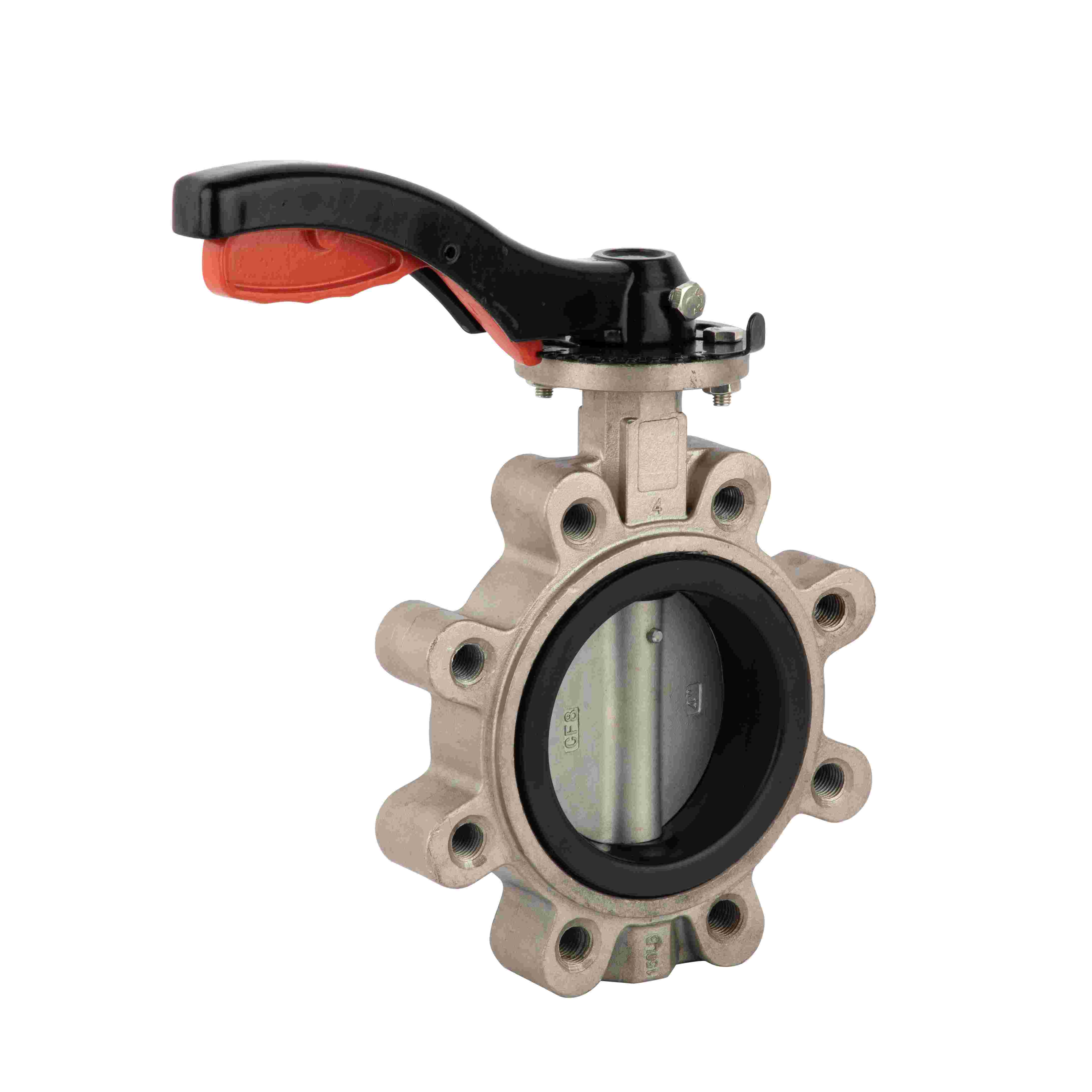
"Lug-type connection" typically refers to the method of installing a lug-style butterfly valve between pipe flanges. This connection method is very common in industrial piping systems. It gets its name from the valve body having "lug" structures with bolt holes.
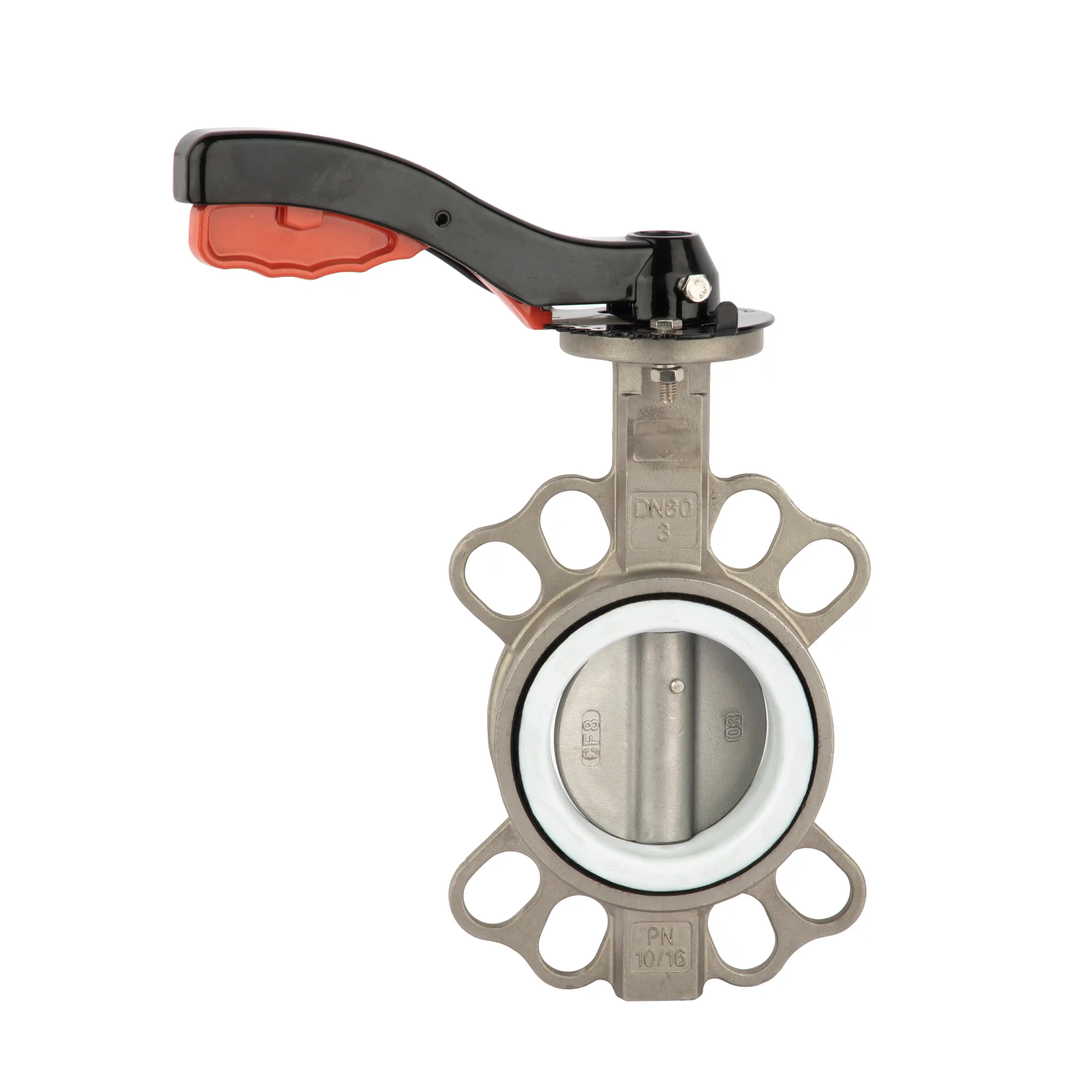
Wafer-type connection is a method of fastening valves (especially butterfly valves, check valves, etc.) between pipe flanges using long bolts. Its defining characteristic is: the valve does not have its own integral flanges; instead, long bolts pass through the flanges of the two pipes to secure the valve in the middle.
Wafer-type connection is a method of fastening valves (especially butterfly valves, check valves, etc.) between pipe flanges using long bolts. Its defining characteristic is: the valve does not have its own integral flanges; instead, long bolts pass through the flanges of the two pipes to secure the valve in the middle.
We use cookies to offer you a better browsing experience, analyze site traffic and personalize content. By using this site, you agree to our use of cookies. Privacy Policy


 14 2026-07
 09 2026-07
 02 2026-07
 17 2026-06
 10 2026-06
 28 2026-05