We are glad to share with you about the results of our work, company news, and give you timely developments and personnel appointment and removal conditions.
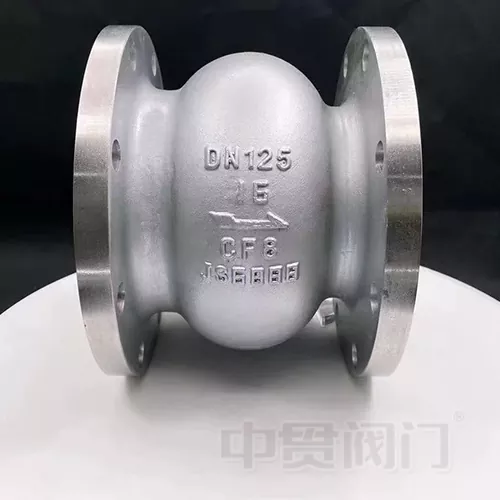
Lift type check valves are critical components in industrial piping systems, ensuring one-way flow and preventing backflow that could damage equipment. In this comprehensive guide, we explore the design, functionality, benefits, and applications of lift type check valves.
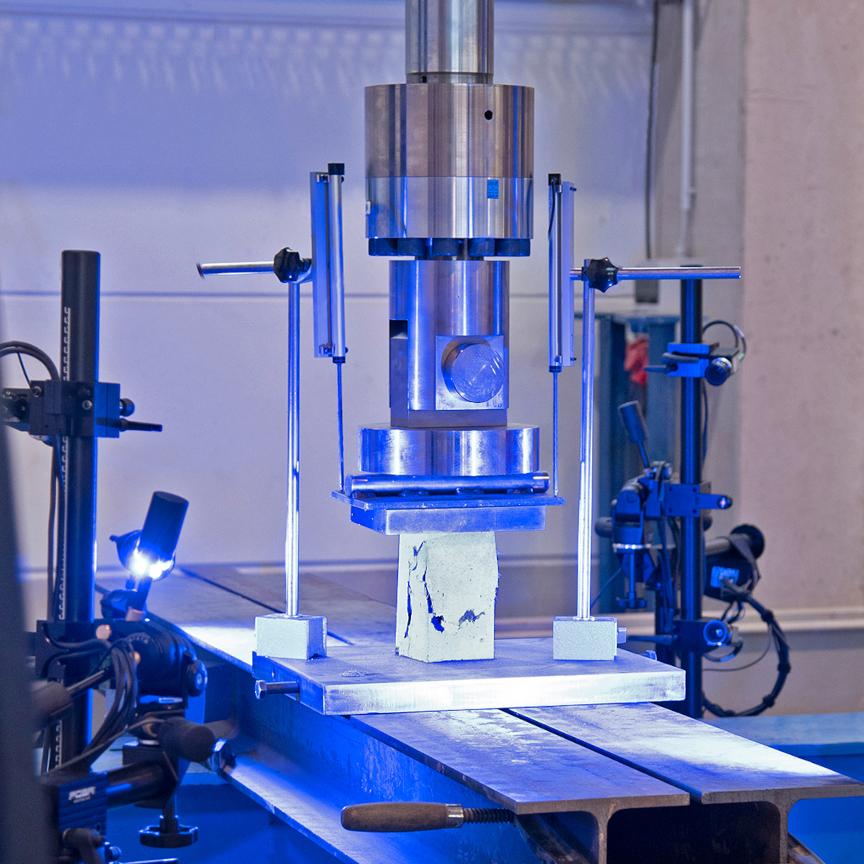
NDT is an acronym for Non-Destructive Testing. As the term suggests, this engineering method permits for the inspection of internal and surface flaws (including cracks, porosity, and slag inclusions) in a test object (e.g., a valve, pipe, or weld) without causing any damage or destruction.
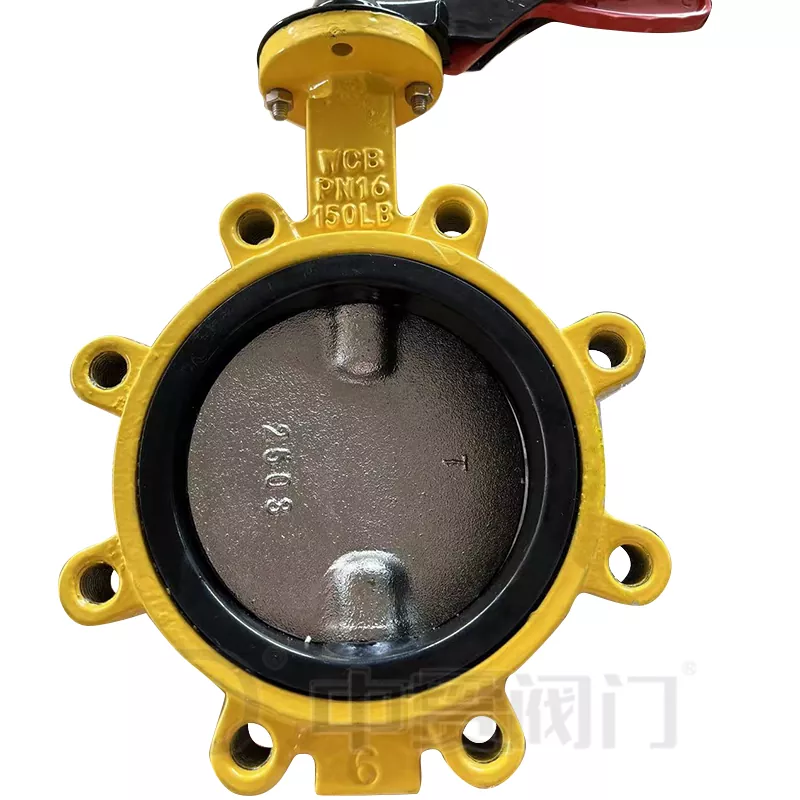
The lug type semi-shaft butterfly valve is an essential component for controlling the flow of liquids and gases within a pipeline system. Known for its durability, ease of installation, and cost-effectiveness, this valve type is widely used in various industries such as water treatment, oil and gas, and chemical processing.
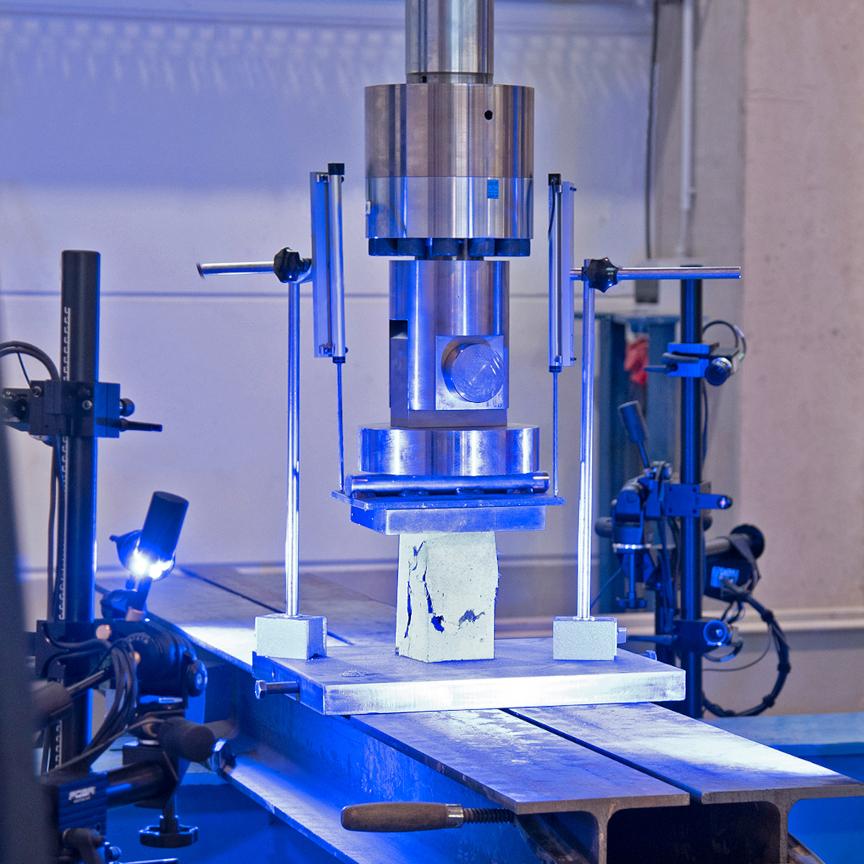
NDT is short for Non-Destructive Testing. As its name implies, it is an engineering technique served as inspecting the internal and surface defects (e.g., cracks, porosity, slag inclusions) of a test object (such as a valve, pipe, or weld) without impairing or wrecking it.
It compares a valve to a "CT scan" or "ultrasound". In the same manner that a doctor can diagnose internal organs without performing surgery on a patient. NDT can verify flaws deep inside the valve's material without cutting it open.
The Non-Return Flap Design Swing Check Valve is an essential component in various industrial applications, designed to prevent backflow in pipelines and systems. This article explores the features, benefits, and technical specifications of the Non-Return Flap Design Swing Check Valve, while highlighting its role in maintaining system efficiency. Zhongguan, a leading manufacturer of high-quality valves, provides an in-depth look at this reliable solution.
Cryogenic testing is a specialized test that carries out valve opening/closing operations and sealing validations at extreme low temperatures in the range of liquid nitrogen temperature (-196°C). It is a critical verification method to guarantee safe and reliable valve operation in cryogenic applications including LNG, air separation, etc. Ordinary standards include J-30, BS 6364, and so on.
We use cookies to offer you a better browsing experience, analyze site traffic and personalize content. By using this site, you agree to our use of cookies.Privacy Policy


 06 2026-05
  28 2026-04
  27 2026-04
  21 2026-04
  20 2026-04
  15 2026-04